
When stalking trout in a shallow run, there’s a certin type of quiet that sets in. It’s quiet enough that you hold your breath and focus all of your attention on any little movement on the water’s surface. A small bug struggling to break through the surface are one such disturbance.
Or perhaps it’s a bubble coming up from deeper down. If it’s a bug, you’re seeing it during the nymph stage… The stage at which most trout feeds.
This is where many angler go wrong; they can’t see what’s happening under the surface. Use your read off the river and trust your instincts. Many guides believes that they get into more fish with dry flies because of being able to watch the fish eat the fly.
That’s not true. Placing food where the fish are eating it lead to catching more fish. It takes a different approach.
Instead of waiting for a splash, you begin to observe line tension changes, ticks on the rod tip or swirls in the water. It becomes a test of accuracy and patience. If you can make those adjustments, you will be much more succesful.
Essential Tips for Successful Nymph Fly Fishing
1. The Importance of Indicator Systems
The key here is indicator system. Now, this isn’t just about sticking a float on your line. It’s also about depth control.
2. Mastering Depth and Weight Distribution
To maintain your fly in the strike zone, the indicator has to be at a certain distance from the fly. Too far up and you’re swimming above the fish. Too far down and you’re snagging bottom.
Depth changes with water clarity and current speed. In fast water, you may want to drop further because the indicator gets pull down quicker. Slow pools is often better for shallow presentations.
Half of success lies here (getting the depth right). Not only does quantity of lead matter but also how that weight is distributed. You know what happens when you put one split shot way up your tippet?
It create an unnatural sink rate and the fly swings wildly before settling. It sinks unnaturally fast. The fly starts swinging around until it finally finds its center.
Use small quantities of lead nearer to the fly itself. This will maintains a straighter leader and let the nymph drop freely with the current. It resembles a natural insect slowly falling through the water column.
3. Achieving a Dead Drift
Fish can tell the difference between something pulling on a weighted lure and a true bug settling in they jaws. A balanced setup leads to more confident strike. Most anglers don’t read the drift correctly.
They watch their indicator, but they should of being watching the space between the indicator and their rod tip. They’re not looking at their indicator; they’re looking at distance from their indicator to their rod tip,” he said. When it drags, it’s because the line is going faster then the water.
The trout feels that drag instantly and rejects any fly fighting the current.” The solution is to strip in more slack line to prevent dragging. Hold your rod tip up, creating a smooth arc. If it dips or twiches just a bit without a full-striking motion, set your drift again.
4. Matching the Hatch with Insect Patterns
Success depends on a dead drift. Remember: The key to picking your pattern lies in understanding the insect life cycle. Caddis larvae have twig- or sand-cased bodies.
Mayfly nymphs has odd gills and tails that flap while they swim. Stoneflies look like larger, flatter versions that tuck into the spaces between rocks near the bottom. Match the hatch so you can see it for yourself.
Wandering down the shoreline, pick up a rock or two and flip them over. What do you see? Do you spot movement away from you?
Are there cased creatures? Get out the Hare’s Ear or Pheasant Tail Caddis. Is it mayfly time?
Try a Pheasant Tail Nymph or standard Adams. If you don’t know exactly which it is, stick with generalists, but if the conditions are tight, go with the specialist. That’s another level of the puzzle…
5. Subtle Retrieval Techniques
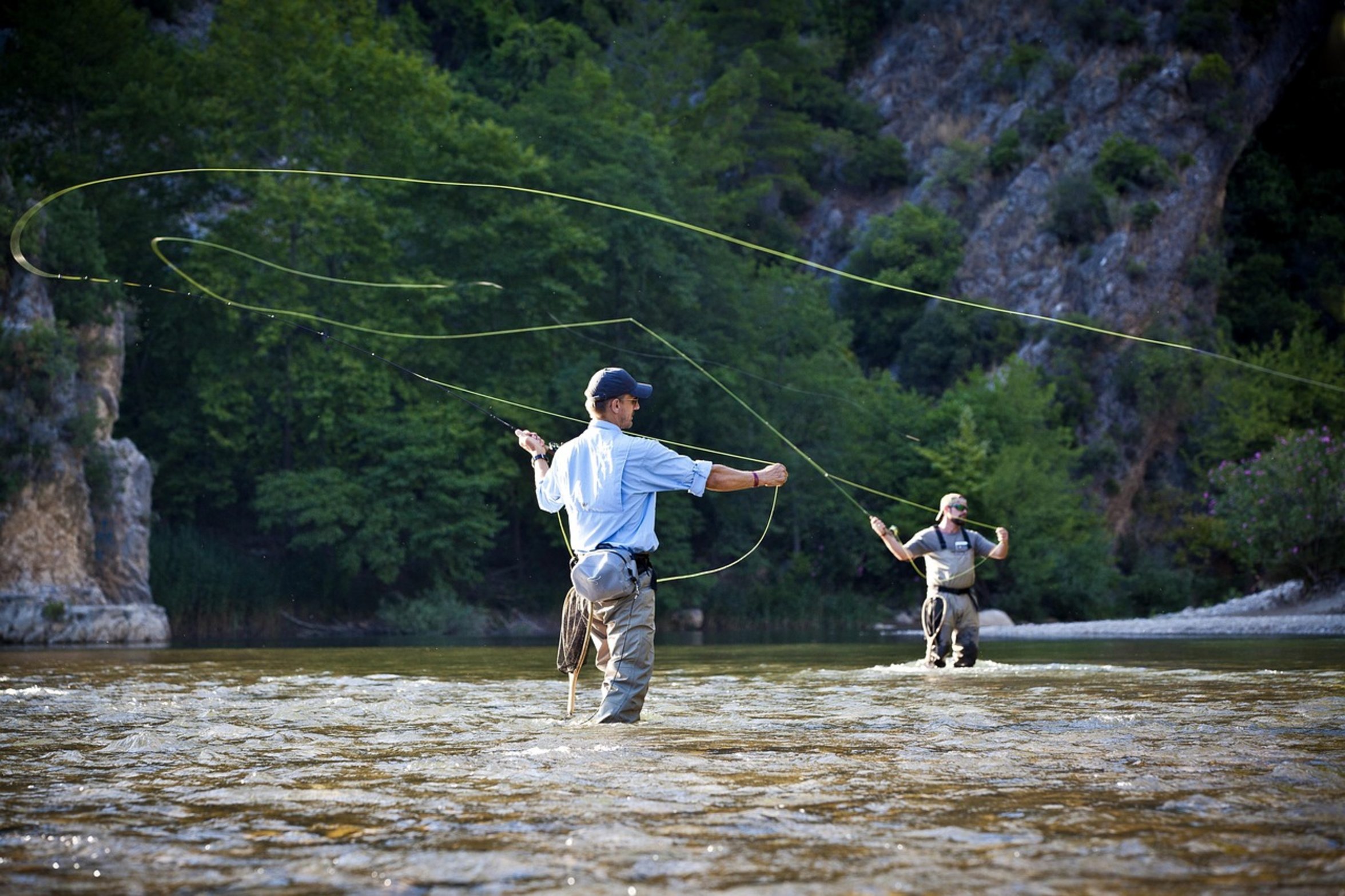
How you retrieve the fly. Is it better just to let the fly float and do nothing? Sometimes a little action will get a fish off his rocker.
A subtle rise of your rod tip at the end of the drift imitates an insect attempting to exit a current seam or maybe even starting its emergence. It brings life to what would otherwise be a static presentation. It brings reaction strikes from fish who may not pay attention to a dead fly.
Do not jerk on the line. It should be gentle, but deliberate; more of a pulsating motion than a tug. That small tweak may transform a dry day into a productive day.
6. The Power of Patience in Nymphing
The last tool in your kit is patience. Because there’s more waiting than casting, nymphing can feel like it move slowly. Set the fly, look at the indicator, wait for the current.
Discipline yourself to resist the urge to move on when nothing happens. Fish are often holding in specific seams or behind obstacles, so you just have to be patient. Sometimes one cast won’t be quite far enough; sometimes two casts aren’t either.
On the tenth pass, you’ll hit the sweet spot. Be patient. Tighten down on your line, but keep it sensitive.
Feel for even the slightest bump. That patience pays off with a fish that you didn’t stand a chance of getting otherwise. Nymph fishing teaches you to read the river.
It’s no longer about seeing; instead it’s all about reading what lies beneath the surface. Riffles, seams, and eddies becomes potential feeding lanes, and your casual outing turns into a tactical hunt. Maybe you won’t even see the take, but you’ll certainly feel the tug when they’re hooked up.
And that wait is well worth it for each tug on the line. Grab your weights, rig up a dark nymph and head down to the water. The secrets lie just under the surface and wait for those who are willing to look just a little deeper.