

A fly reel is the base of the link between man and fish, yet many folks see it more as an accessory for decoration rather then a tool that can absorbs or make or break your day on the water. When one fails mechanically it not only screws up a drift but it can mean giving back the fish. The line comes down and hits the water, the drag locks up or the spool stops spinning.
Suddenly a quiet morning turns to aggravation. Knowing what is common in reels will help you prevent expensive missteps. Some are a result of lack of care while others come from a lack of understanding of how a reel work.
Most can be fixed with much less effort and expertise than most believe. It’s simply a matter of knowing where to look. The most irritating thing is a sticky or dry drag system.
Common Fly Reel Problems And How To Fix Them
1. Sticky or Dry Drag System
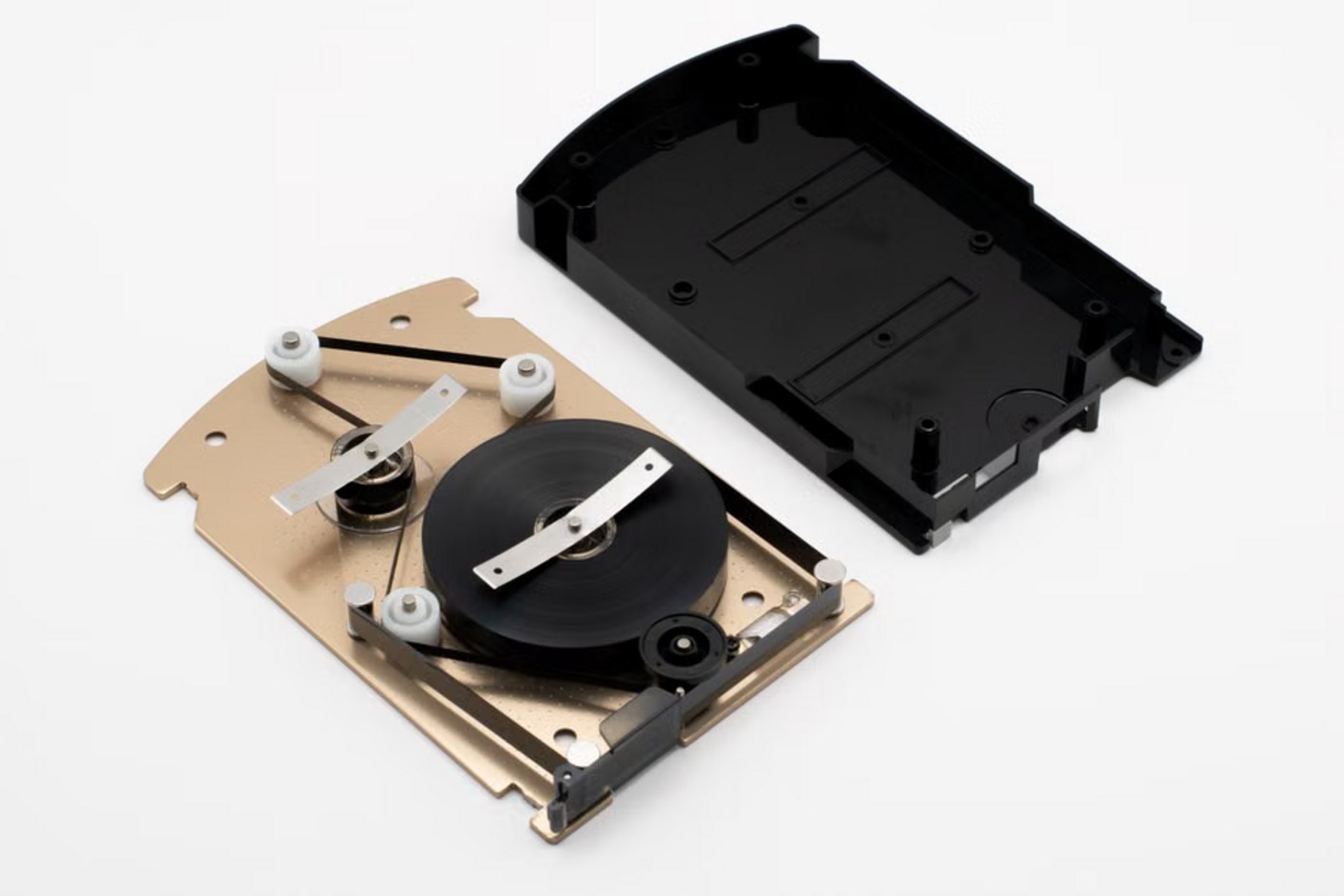
Drag systems in fly reels depend upon a stack of carbon fiber or felt disks to squeeze together and provide drag (friction). When those disk get wet, covered with hand grease, or otherwise contaminated with slicking line, they are going to grab and do it in ways you can’t predict. That’s bad when you’re on a hard fight, because it can easily snap a leader in a heartbeat.
How do you fix it? Take ‘er apart and clean her up. Take apart the drag stack each season.
Use warm soap and water to wash the felt pad, air dry thoroughy, then add a drop or two of reel oil to only what the manufacturer specifies. Carbon pads require no lubrication in most moddern reels. Clean is better than slippery for a smooth drag.
2. Wobbly Spool Alignment
Accurate casting depends on a properly aligned spool. A wobbly one means trouble. Uneven resistance from an out-of-true spinning spool cause loops to collapse or worse, tangles up your backing.
Dirt in the spool seats or even debris between the inner and outer races of the bearing are usually the culprits. Rinse the reel in clean water after each use to prevent mineral build-up. If you continue to experience a wobble, make sure the spool is sitting well on the arbor.
Simple realignment will fix it at times. A waste of confidence and energy, a wobbly reel is no good. A single good strike quickly becomes a tangled mess if you mishandle your line.
3. Saltwater Corrosion Damage
Compared to monofilament, fly lines are stiffer and thicker. They will dig into themselves and lock together under the strain of a fish if they are not wound onto the reel evenly. Most commonly this occurs because of improper reel loading and/or using the wrong backing for the line diameter.
The remedy: Take your time while loading your line. Tighten it down firmly but don’t crush the coil. Create an even line profile by using a line buffer, if needed.
When a spool is properly stacked, it feeds out clean under tension. Sloppy winding invites disaster. Saltwater reels are not exempt from corrosion that will eat their precision components.
You must properly rinse dried reels, or they can still corrode even after being rinsed. That’s because salt crystals get into nooks and crannies and absorb moisture, which causes screws to seize up or pitting on an aluminum body. But most critically is the drag housing since there is such a close tolerance here.
Soak your reel for at least 20 minutes after each saltwater trip in clean water. Then let it air dry thoroughy before storing. Lightly lubricate moving parts with a drop of corrosion inhibitor.
Do not skip this process; it is a recipe for disaster. Salt is unforgiving. When the reel’s clicker mechanism is seized, it ruins both form and function.
4. Seized Clicker Mechanism
Whether through impact (falling onto hard surfaces) or drying out of grease, the roller or anti-reverse button can become stuck in place. Then when we want that reel to freewheel for fast line pickup, it doesn’t work right. Solution: Clean the button assembly with a mild solvent or contact cleaner and make sure the spring mechanism isn’t compressed into an immovable position.
Having a working clicker adds to the safety factor and feel of the reel. You’ll feel instantly if you have your gears engaged or not. Don’t over tighten your adjustment screws.
5. Over-Tightened Adjustment Screws
When you do, you permanently deform the soft metal components. If you have an aluminum frame, you also run the risk of stripping the threads while assembling it. That’s what happens when an angler tries to crank down screws to take out any wobble.
You end up breaking off your screw and losing it in the river or having a loose frame that rattles around. If you don’t have a torque wrench, just tighten them gently by hand, then go back and give them a small turn with your tool. Just make sure they’re tight but not forced.
Force always ruins and basically cancels warranties from abuse. Failing to account for bearing play will cause them to grind internally and ultimately seize up. The bearings help the spool rotate smoothly.
They can loosen over time and when this happens, grit works its way into the housing where it grinds on the races. This produces metallic shavings which hasten the process. Periodically check for spool play…
Both horizontally and vertically. If you hear any noise, tighten the bearing lock (if possible) or replace the bearings completely. Consistent performance relies heavily on smooth rotation.
If you hear grinding, treat it as a warning sign that something is wrong. Routine upkeep prevents problems from cropping up; it doesn’t take heroic interventions to keep your reels in tip-top shape. Problems creep up over time.
Some simple inspection and cleanup can do wonders for keeping ‘er runnin’. Spend less time fussing with equipment and more time on the water. The river’s cruel, but you don’t have to be cruel to your equipment.
Take care of ’em and when that big one bites, your reel will know how to respond.