
It is mechanicaly. There are two part to being a good angler; mechanical know-how and intuition. While you may be able to select the proper bait and read the water naturaly, if your reel fail you at the critical moment, the fight end before it truly begins.
Many angler concentrate on their line strength or even the sensitivity of their rod. What they tend to forget is the tool that catches the fish: the reel. Lack of knowledge regarding maintenance lead to frustration; not lack of ability.
Reels are complicated devices packed into little boxs. They has springs, drag systems, gears, and bearing. They are all subject to abuse.
Sand tears them up and salt corrodes them. Add to that the sudden torque of a striking fish and it’s all just a lot of pressure on the reel. Understanding common failures will not only help you prevent them but more importantly it can save you from throwing away a fish because something went wrong with your gear.
Here are some common reel troubles that happen on traditional reels. They’re listed in order of frequency of destroying your fishing day. Catching those thing early means fast repairs and back to casting instead of cussing.
Common Problems With Traditional Fishing Reels
1. Bail Arm Malfunctions
Bail arm not closing properly after cast result in line wrap while retrieving. Line is wrapped on spool in loops. Usually caused by grit or dirt.
Metal bail hook can’t seat properly in catch. Slips out as it retrieves. Feels like resistance, you notice uneven piles of line.
Cleaning the bail spring will help. A drop of lubricant solve the problem immediately. The drag system failing under pressure is no laughing matter.
2. Drag System Failures
When the drag fail, it’s because the drag pads are dry, warped or contaminated with oil. The pads is made up of stacked carbon fiber or felt washer that apply friction to slow the release of line. If they slip too much, they become an uncontrolled mess.
If they stick, you’re in trouble and a fish running hard will break your line. If the pads slips, the fish gets all the line and there’s nothing stopping him from taking it. Keep the drag washers clean.
Condition them with drag grease, not some regular lubricant. The inside parts rust and corrode without your knowledge Saltwater’s a corrosive beast. And it does more to eat up metal part than most anglers know.
3. Internal Salt Corrosion
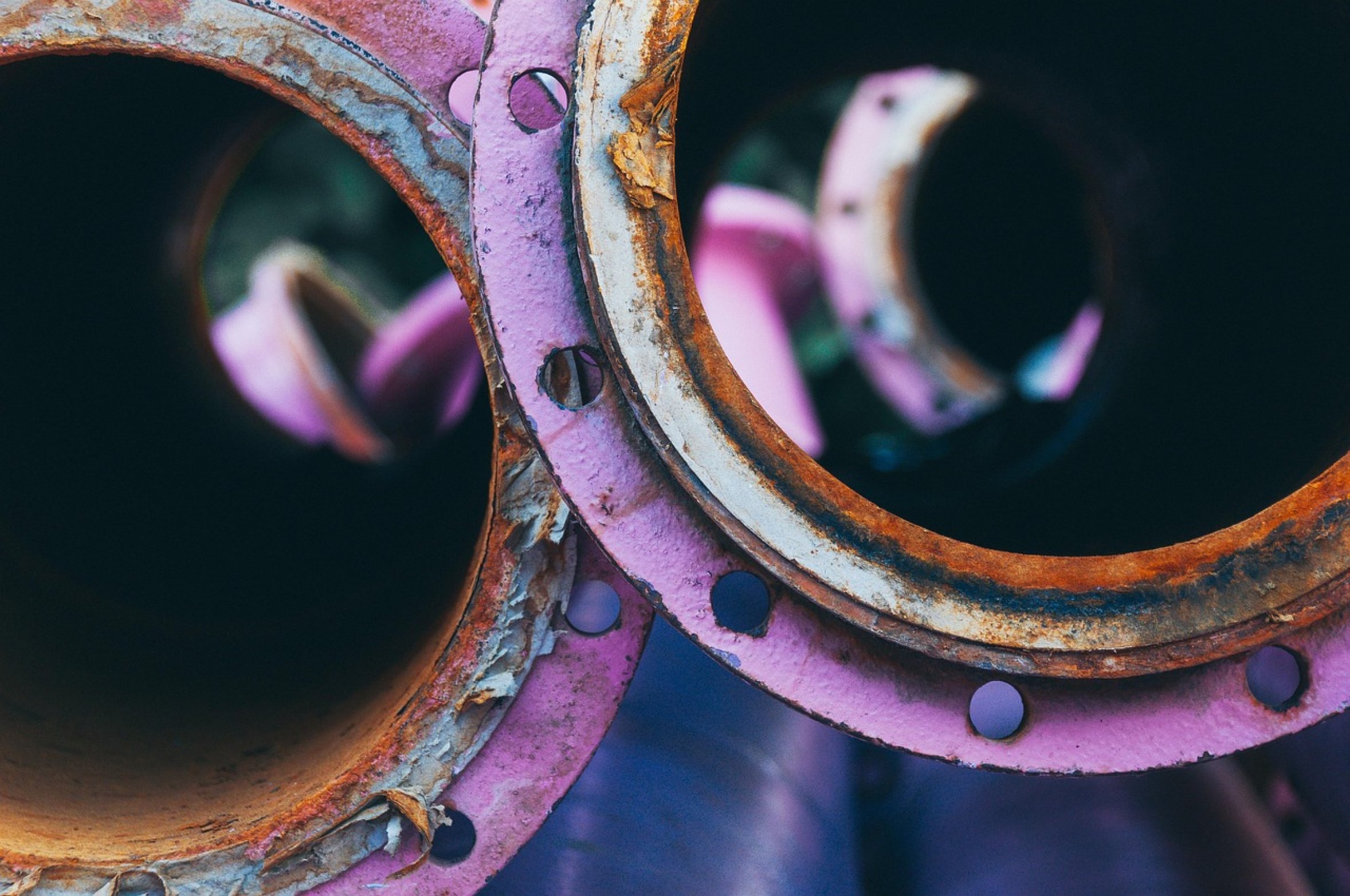
Even if you rinse your reel off after each day, there are often hidden salt crystals that attract moisture into the reel over time. Salt crystals can draw moisture into the reel, oxidizing gears and bearing. You’ll experience a gritty sound when you crank it or it feel stiffer to turn.
This damage could of been prevented by taking the reel apart once a year. Clean and lube the internal parts. Worn bearings is less smooth.
4. Worn Spool Bearings
This means less accurate casts and less distance. The spool turn on a bearing. When those bearings goes bad you get friction.
More friction makes for shorter casts that make noise. Sand and fine silt will wear out the bearings more quickly. Turning the handle may buzz or click.
Open bearings wears faster than sealed bearings. If the reel is heavily used, both will eventually need replacing. Bent components, You can feel a reel wobble when lifting it by hand.
5. Bent Reel Components
If your reel spool is warped, it will not sit true on its axis. Your line won’t stack well and you’ll have uneven tension in the line. This happen if you drop the reel or hit it against a hard surface.
To test this, lift the spool by hand and see if it rocks back and forth. If the spool rocks back and forth when lifted by hand, it is time for a replacement. If so, it rocks back-and-forth and require replacement.
A wobbly spool cause tangles. It also results in inconsistent drag performance. A loose screw and worn gears caused handle play.
6. Loose Handle and Worn Gears
Turn the handle and it should engage solidly. If the handle slip or moves too much from side to side, it is not working well. That’s the result of hundreds of casts.
The metal teeth are grinding on one another as you use them. Set screws can tightens up for a while. If the gears is stripped, you need a professional or a new reel.
You must pay attention to the mechanicals or you are not going to last long. Your reels has to be respected and maintained regularly. Keep ’em clean after each trip to preserve function and they’ll last for many years.
Make sure that drag is checked frequently, and listen to what your reel say. Be prepared for the fish to arrive.