
From the bank, saltwater fly fishing look easy. There’s that rod shooting across sky followed by float landing quietly on calm water. A rising fish grab your offering and then it’s on: hard fighting action.
It all looks gracefull. What most novices don’t realize is how much work go into it beneath that grace. The equipment faces harsh conditions and you need a lot of patience.
The wind change without notice, and the tides come and go quick. And those fish is larger then any you’ve ever wrestled in some backwater stream. Pretty casting form won’t cut it out there.
Small changes in tactics can mean difference between a bucket of fish and an annoying morning on the water. It is not about having big personality or fancy equipment, but about acknowledging changing nature of ocean and being able to adjust your actions based off it. Here are some practical tweaks that will set you apart.
Essential Saltwater Fly Fishing Tips for Beginners
1. Read the Water Before Casting
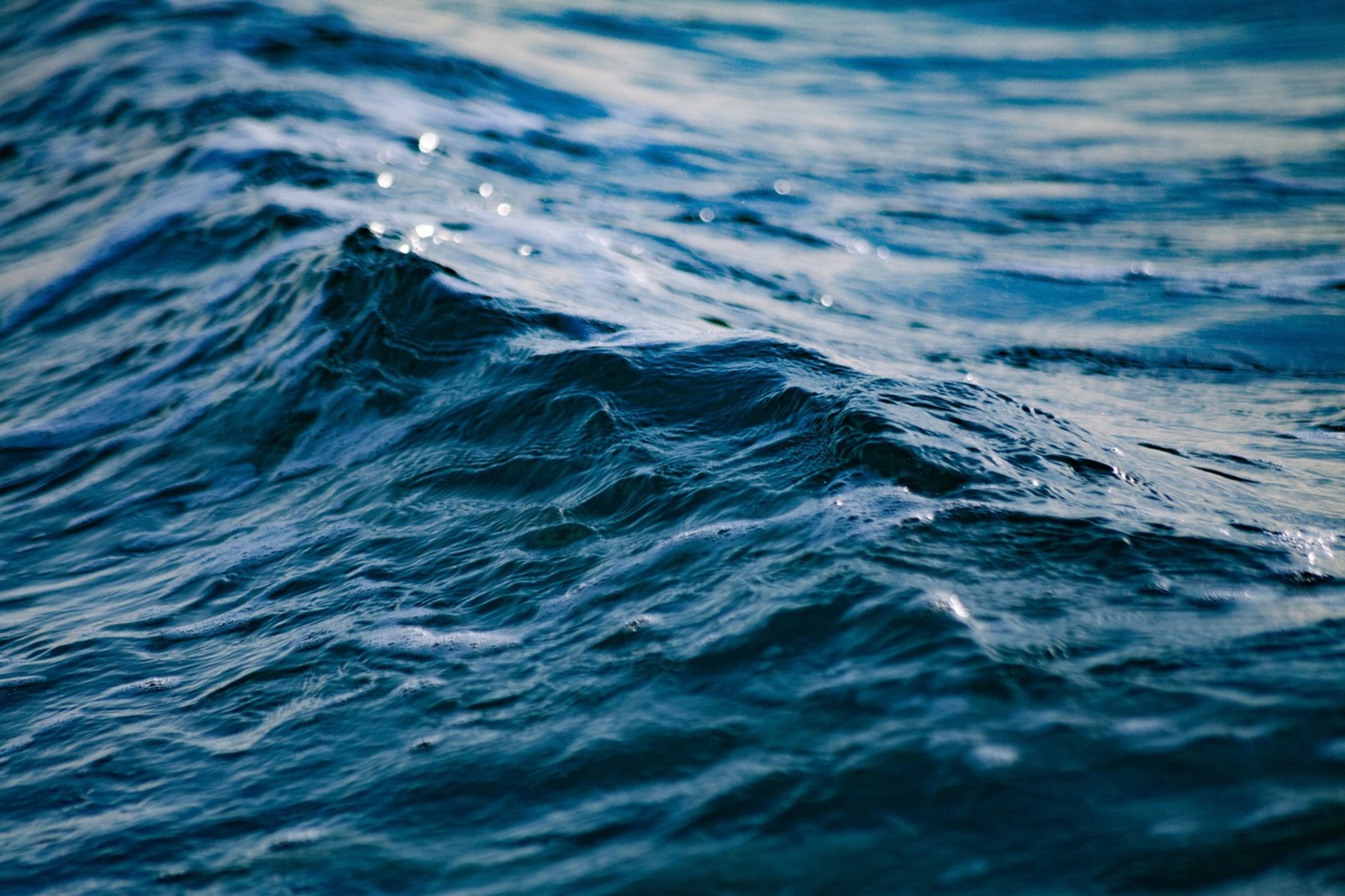
Instead of watching others land fish while you’re retying a leader, untangling your fly line, or getting wet in chilly water, you’ll be ready. The number one thing to learn about this type of fishing is reading the water before casting. In fresh water, you’re looking for structure and seams.
Out here, you are looking at depth changes under waves as well as surface current breaks. Typically, when you see a break in the swell, there’s a drop off somewhere close by and that’s where all the ambush predators hides. Make sure you don’t cast directly on top of the line; rather, make your cast just up-current from it.
If you hit it exactly on the dime, current will sweep your fly out of position before a fish have time to react. Just let it float down naturaly into the feeding lane. The pause give the fish time to feel comfortable enough to eat it.
2. Use Full Sink Tip Leaders
A full sink tip leader change your depth of presentation. For surface hunters floating lines works fine. If you’re after bottom dwellers or trout and salmon you want depth.
The sinking tip get the fly down fast and doesn’t fight with heavy line. You have control of the rate of drift. The other side of the leader float, keeping a visual connection to surface while the bait sink into the strike zone.
3. Select Bright Fly Colors
Vary length depending on fish activity and clarity. Color contrast is more important then perfect matches. Fish in dirty saltwater use their lateral line and feel much more than they see with there eyes.
They see things that stand out better then things that blend in. For instance, a fire tiger or chartreuse color really cuts through stained water. It’s bright against the dull background and give them something to attack, even if they can’t see well.” Forget trying to match the local color of baitfish exactly.
The fish aren’t concerned with subtle differences in color in heavy surf. They’re looking for motion and presence. A flashy fly contrast against the dark bottom and draw attention that’s impossible to resist for an aggressive predator.
4. Master Erratic Retrieve Techniques
In choppy water, erratic strips work better then steady drags. Because it’s unnatural for wary fish to see constant tension in rough water. Make several short erratic strips then pause for a long time.
This imitates both a fleeing baitfish and a wounded baitfish. You’ll typically get the bite during the pause. Fish are lazy predators that likes an easy meal.
So when you stop the movement of the fly, it will just hang there motionless like vulnerable prey. Don’t be tempted to jerk it on every strip. Let it sit there for three seconds before ripping again.
This adds some tension and makes hook-ups much more effective.
5. Clean Gear After Every Trip
The one thing that cannot be overlooked in maintaining your fishing gear is drying everything off. Letting your stuff sit wet overnight will cause salt to literly rust steel parts and eat away aluminum anodization.
After every trip take the time to rinse all of your equipment with clean water. Special attention should of be paid to areas like reel seats and rod guides which collect those pesky salt crystals the fastest. A quick wipe-down will save you a lot of money later.
Again, it is a pain in the butt, but it will destroy expensive tackle far quicker then any fish can do. When next year rolls around, you’ll thank yourself for having working equipment on the water.
6. Cast into Strong Winds
When casting into the wind, shorten your loop and lower your angle. Gusts will force on your line; high arc casts is miserable. Drive your line forward with strength and keep your rod tip low. Weight-forward floating lines cast well into the wind while heavy shooting heads does not.
Shorten your backcast so the line has less distance to travel through thin air. This sacrifices distance but increases accuracy, a fair trade-off in breezy conditions. Targeting specific structure along shore demand accuracy over distance every time.
7. Time Your Fishing with Tides
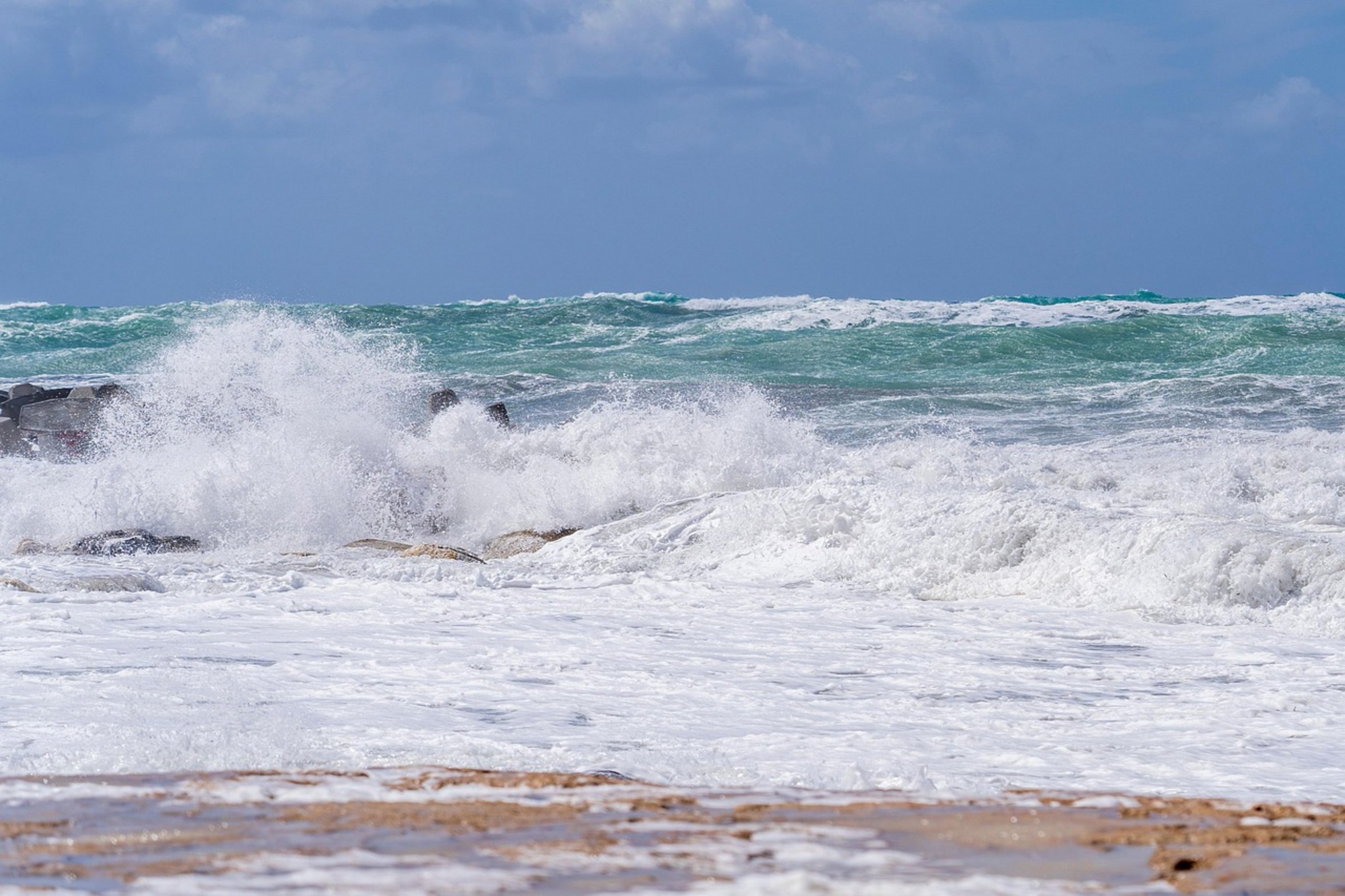
Tidal movement determine where and when you’re going to fish. Outgoing tides will flush prey from their hiding places and high tides brings predators closer to shore structure. Moving water oxygenates deeper water and concentrates bait, which is why fish feeds so well during the change.
To get the most action focus on the few hours leading up to and after high/low water marks. If you find yourself fighting a slack tide, you’ll likely end up fighting flat, unresponsive fish that won’t pay attention to your offerings. Fishing in tune with nature will put you in right place at the right time.
The proper retrieve rhythm also help keep them biting longer. Each species seem to have its own preference of speed and pattern. They may want it pulled at a slow steady pace or require a bunch of quick twitches.
Just experiment until you determine what makes ‘em bite where you live. Pay attention to how fish react to your fly during initial casts. Does the fish follow but never quite eat?
Try pausing it or slowing down. Remember saltwater is ever changing. Being able to adapt is a big deal out there.
Be ready to switch things up as needed and let water tell you what to do. All anglers need to be prepared for… And give respect, to ocean when they step foot on its shore.
Don’t force an outcome; observe patterns and respond accordingly. Listen, feel the line and watch the water, because those little things will add up as you make changes and become a better fisherman. Just keep in mind that patience is rewarded more quickly then frustration ever could be.
Have a clean slate on the water each trip and learn a thing or two from tide.