
Understanding the Pompano’s feeding habits and having the patience are necessary if you want to catch some of these tasty fish from the beach. Because they has small eyes and live near bottom, they look up at shadows instead of following the current. In order to land one, you have to learn how to play their game.
That means stepping out of your comfort zone on the sand and developing ability to read water that most anglers simply don’t consider. People aren’t successful because they view surf fishing as though it’s a slot machine. You pull the lever and hope something comes up.
When it doesn’t, they goes home with sore arms and an empty cooler. Pompanos is intelligent creatures that knows what feels natural and what does not. They’ll hide shallow flats where they can’t be seen by predators and wait until food sinks slow enough to fall into their reach.
If you want to be successful, you has to tailor your approach to fit their shyness. That means understanding how to present bait and how the tides move. You also need to select right equipment and not make things more complicated then they need to be.
Essential Pompano Surf Fishing Tips For Success
1. Read Tide Charts for Timing
To be successful consistently, it’s important that you learn to read tide charts. Pompano will not feed effectively with no current or too much current. The best time for them is on incoming tide as it floods over sand flats and bars full of bait.
As the tide rises it pushes bait towards fish, triggering their feeding instinct without them having to work hard. Your goal is to get on beach an hour before high tide and depart soon after high tide reaches its peak. It wastes time chasing a falling tide and fish dig into the sand or pull farther back in the channels.
2. Use White Shrimp Bait
When you get out there and the timing is right, you are in sync with food source. Half the battle is already won. White shrimp are the gold standard because of their visibility and scent, which is why they’re the top pick.
There’s more going on than just availability. They stand out against dark muddy or sandy bottom, even in stained water. More importantly, they leave scent trails that attracts fish from far away without screaming “eat me.
The live shrimp option is preferred as it will move on its own whenever bumped by wave action. That mimicry of a dying prey item work wonders. When opting for dead bait, make sure it’s fresh and clip off those dangly antennae so there’s no tangle problem but plenty of natural action.
3. Select Natural Rigging Gear
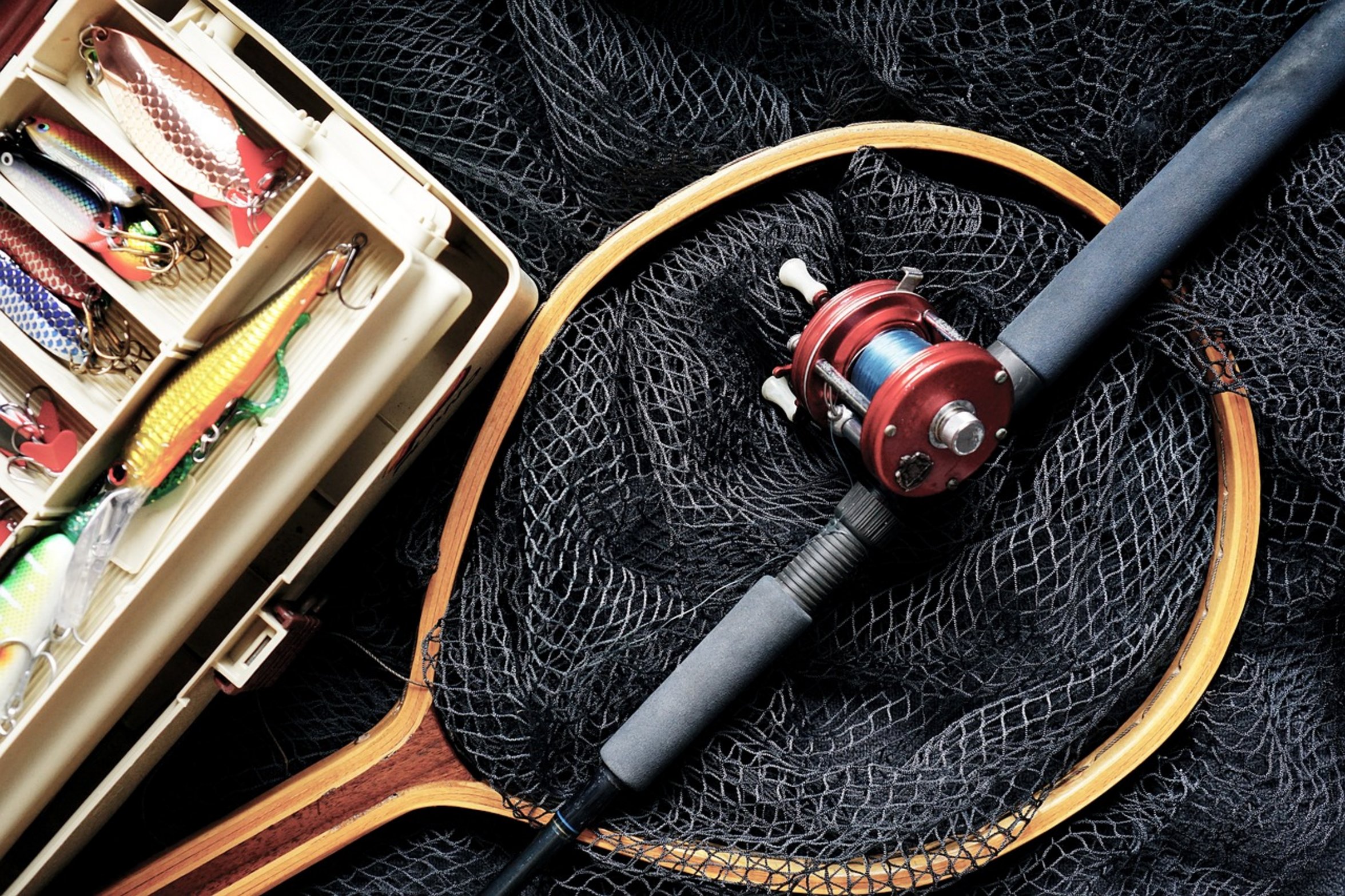
Brightly painted artificials should only be used if you are targeting a different kind of fish. Natural presentation equals natural prey; nothing raises alarm bells on pompano like bright colors. Simple rigs tend to outperform overly complicated rigs meant for bigger fish.
A basic float rig with tiny hook lets the bait ride up off the bottom. This way, shells, grass, and other trash won’t get caught on anything. Your goal is to give it a more natural appearance.
It should look like something washed in on the tide instead of being put there on purpose by person. Use just enough weight to keep line straight, but not so much that it pulls the bait too far into the muck. That’s the tricky thing here.
It needs to hold its position but also move naturaly on current. Too many guys adds too many hooks or too much weight trying to make this system work. They should of leave it cleaner and let the current mostly do it for them.
4. Read Water Surface Indicators
“The key is to use surface activity to give you clues to what’s happening underwater.” When birds dive repeatedly over a specific spot, it’s usually because they’re picking off baitfish near the bottom. Water ripples, Ripples on the surface can indicate larger schools of pompano breaking up food sources below. A slight change in water color may show a channel or sandbar that slows current and lets debris build up.
Knowing to pay attention to this makes you a strategist who adjusts their cast based off what the indicators tell them, instead of blindly throwing at empty water. You stop thinking of yourself as an outside observer trying to fit pieces together and start seeing yourself as part of ecosystem. This gear is for sensitive mouths.
5. Choose Sensitive Light Tackle
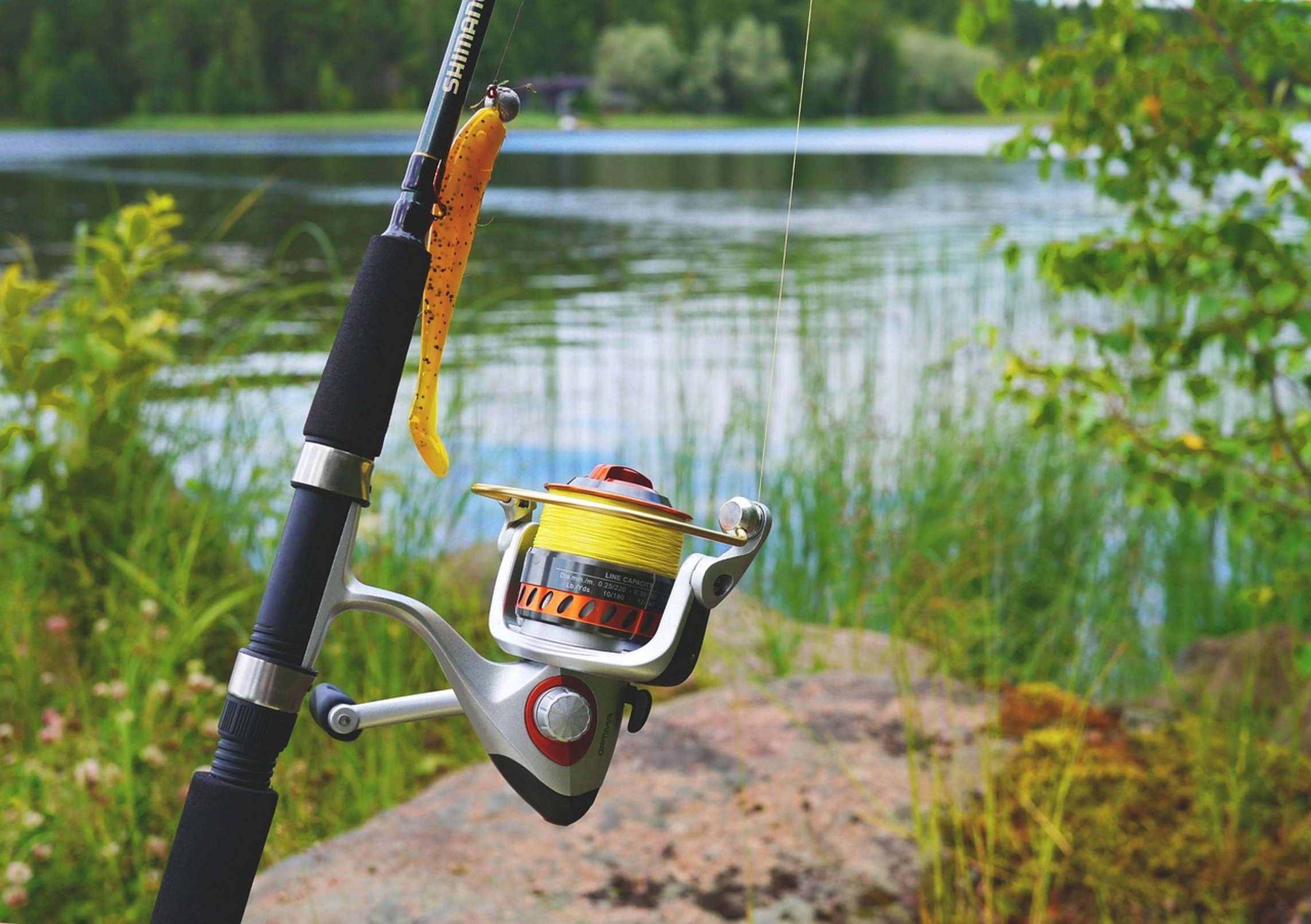
You want light enough so that you are going to feel everything they do. Use ultra-thin monofilament line which is almost see through in clear water and doesn’t throw a shadow around fish like thicker lines will do. In addition, if there is any sort of drag on the line, fish will often know what it is before they get a taste of your bait. Use a reel that adjusts drag smoothly without ripping the crap out of their mouth on the bite. You want to set the hook softly while feeling the increase in weight instead of pulling hard and swinging. It’s all about precision with surf fishing, not about power. What is the key that divides the winning anglers from those heading home empty-handed? The key is patience. Pompano fishing can be painfully slow. Many times it’s hours of nothing followed by one big wave of activity. Don’t give in to impatience and keep changing spots or rigs because something isn’t happening. Let the technique work; just give it time. You’ll find patience will reward you. Pompanos have their own schedules, and trying to force anything rarely pays off. Embrace the rhythm of the waves. Pay attention when they get quiet. Trust the process. When that last bite happens, you’ll be thankful for each moment spent waiting for it.6. Practice Patience and Persistence