

There’s something about holding an ultralight rod in your hand. It is delicate as it dangles on the end of a thin line with sky above it. A tiny bite from a panfish offer a reward disproportionate to effort required.
But that delicateness can be frustrating. Ultralights are all about getting most performance while minimizing weight and sacrificing durability for sensitivity. Ultralight rods is a different beast from other heavier gear and most anglers purchase these rod thinking they will perform similarly.
The key is understanding that they don’t. Everything changes, line size, casting method, even what fish you’ll throw them at. Fail to take those considerations into account and you break stuff or it doesn’t work right.
That leads many angler to quit on the format. Knowing this can help you enjoy finesse rather than breaking bank on tackle. Ultralight rods is built with fast tapers and softer tips meant for baits weighing less than seven grams.
Common Ultralight Rod Problems And Solutions
1. Avoid Overloading With Heavy Lures
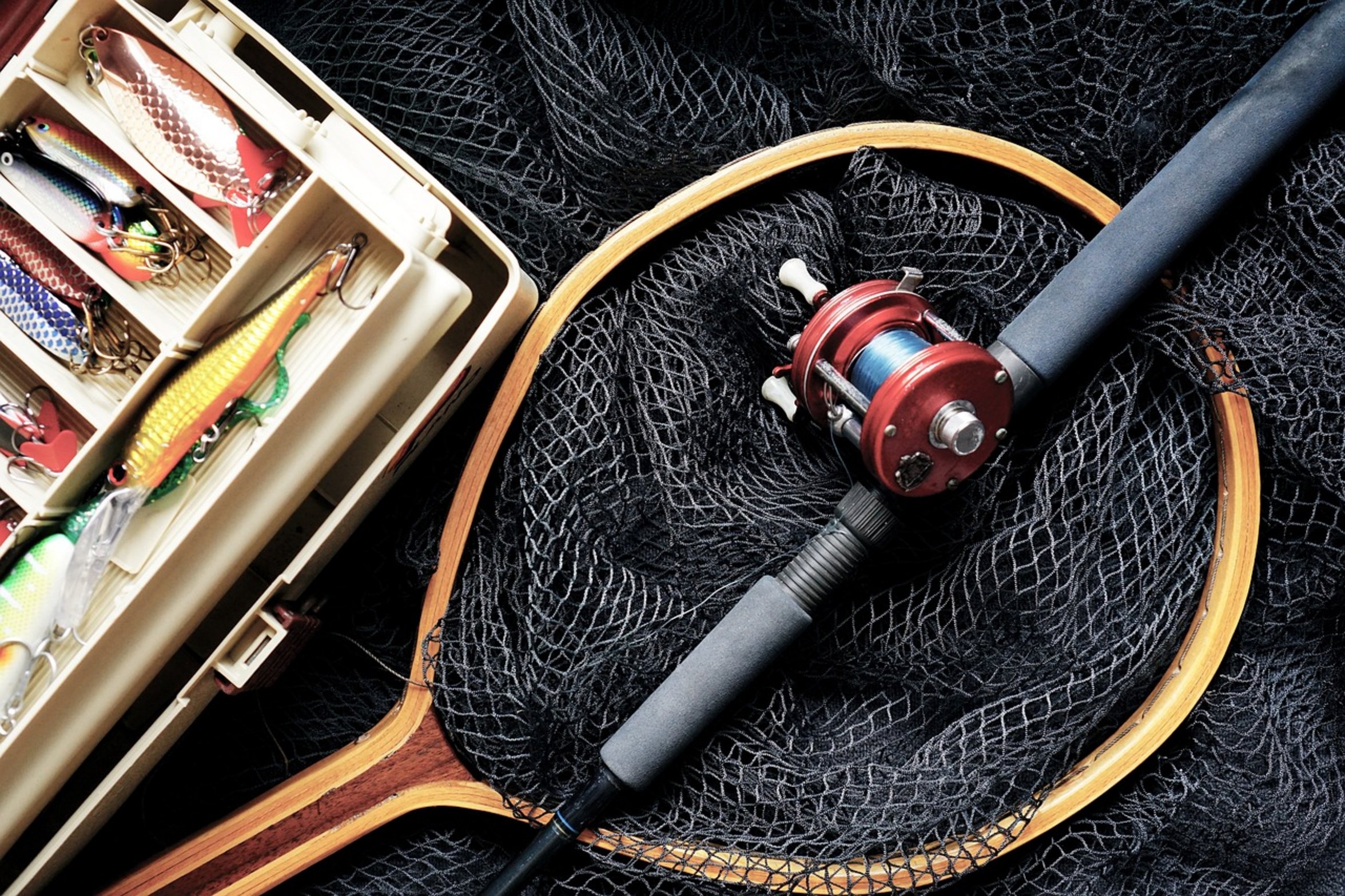
They don’t likes to cast heavy lures well. A crankbait weighing twenty grams fight against the way an ultralight rod naturaly bends. That blank starts bending where it shouldn’t be bending, right there at tip or ferrule, which stresses the rod in a bad way.
But it isn’t only a matter of breaking immediately; all that gradual damage degrade the fiber structure. Even without snapping instantly, repeated overload will weakens the graphite weave and epoxy. Sensitivity suffers because it exceed the elastic limit of the material.
The rod gets mushy. Do what manufacturer has recommended. If they say two to seven grams, then stick with seven grams.
2. Use Thin Line For Better Sensitivity
Small Guide Inserts, Drag caused by thick mono line around guides. Small insert guides on ultralights cause big problems with twelve-pound test monofilament. This increases guide friction, robbing you of casting distance while masking bite feel vibration.
Solution: Change to a thin diameter braid with a fluorocarbon leader or use fluorocarbon line. The fluorocarbon will be slicker through the guides due to its smaller diameter compared to mono at equal strength. Braid is even skinnier and doesn’t stretch as much transmitting very slight bites right onto your fingertips.
The trade-off is visibility, since clear braid is almost transparent; use a leader if you need to keep the join point hidden from spooky fish. The action, where the rod loads, is another big part of this equation, and many people throw it out the window because they’re not used to fishing with one. Many ultralight rods feature fast or extra-fast actions to increase sensitivity, yet some anglers fish ’em like slow-action poles.
3. Match The Rod Action Properly
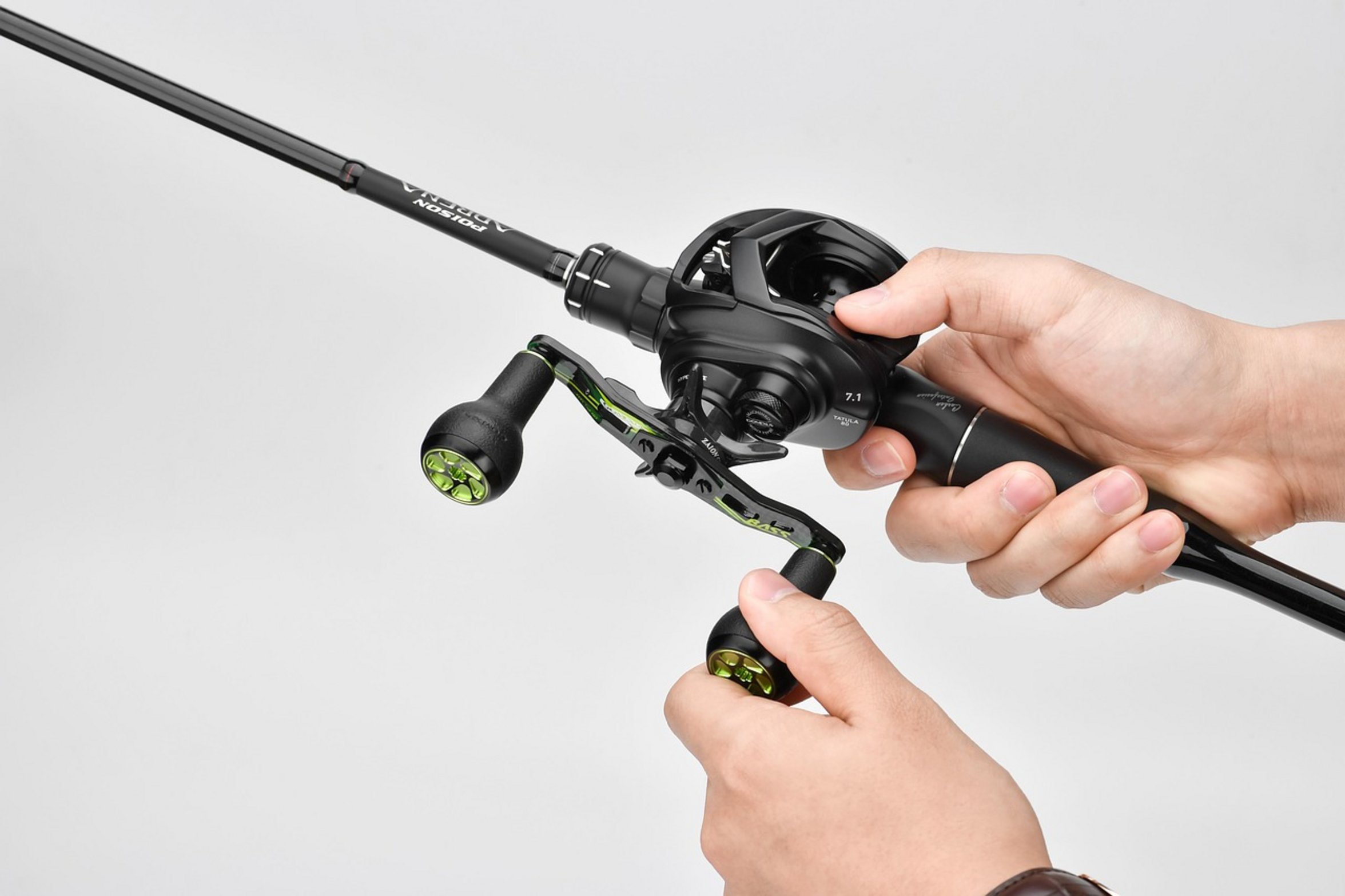
Instead of snapping tip, they cast with a slight arc. That doesn’t allow the rod to load correctly and results in short and inaccurate casts. Then there’s overpowering the fish by not recognizing the rod’s flex characteristics.
These rods is designed to bend deep to load on a run and keep from breaking off. If you go straight back into a little bass or trout, you’re liable to either pop the hook or break your tippet. Let the rod load.
When the fish comes tight, don’t try to muscle it. Let the blank load and bend way down. A fast-action tip is still able to give plenty of power to turn heads while not having to use brute force.
4. Select A Balanced Reel Size
The wrong reel size will tire out your arm. A big spinning reel on an ultralight rod are unbalanced. That big reel tugs handle downward.
The weight of the reel pulls the handle down, forcing you to constantly adjust your grip to keep the rod level. That imbalance causes sore shoulders and sloppy casts. To fix this, you want a small spinning reel that fits the weight profile of the rod.
Micro and ultra-light size reels is small and lightweight. They feature low inertia rotors. They spool line thinner than larger reels do efficienty.
Their gear ratios tend to lean toward higher retrieval speeds, perfect for setting hooks on light line. By matching the reel size to the rod, you’ll find the center of gravity sits comfortabley near your hand, allowing for all-day comfort. Tangled up, Not trimming the backing from a small spool results in tangles.
5. Prevent Spool Tangles And Backing Issues
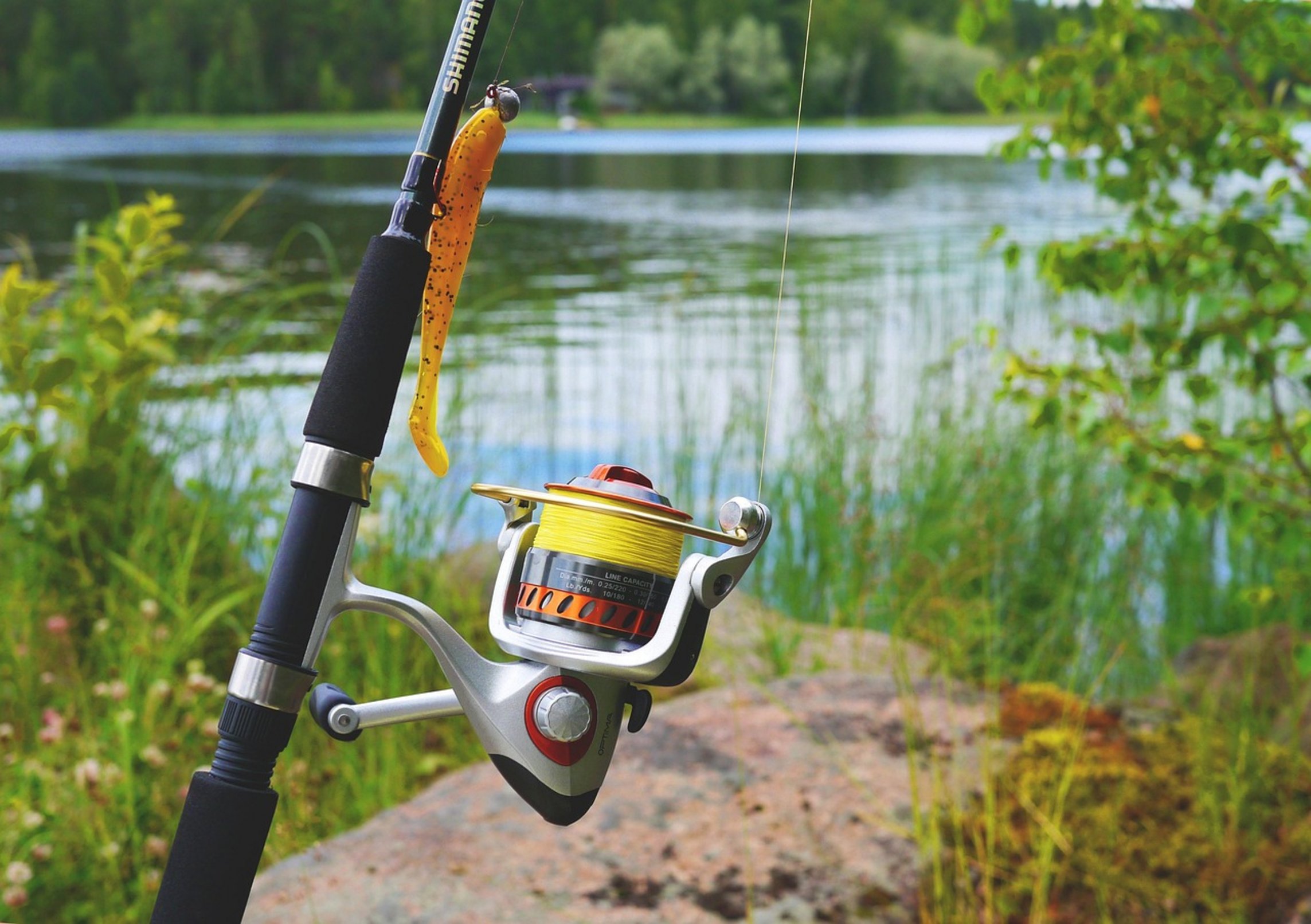
Ultralight reels uses tiny spools with very little volume. When filling the spool, excess backing coils too tight against the bottom. This interferes with the line lay, creating loops and knots that lead to bird nests when casting.
Before adding your main line, trim the backing so it barely touches the bottom of the spool when full. Then wind on evenly using a thread spooler for good tension. Tension is important; loosely wound line will jump off the spool mid-cast.
Taking time now to set things up right saves hours of tangles later. Dirt and other debris will also cut into your fishing line if you do not maintain the guides. Ultralight guides uses very small and fragile ceramic or silicon carbide inserts.
6. Clean And Maintain Fishing Guides
Sand and salt residue will accumulate rapidly in tight spaces. Eventually, that grit wears down your line like sandpaper, weakening it until it snaps from even slight pressure. If possible, take a look at your guides every now and then with a magnifying glass.
Remove debris after every trip with a soft toothbrush and mild soap. And be sure to check for any cracked or chipped inserts because even a minor defect will saw right through mono or braid within minutes. A broken guide ferrule is cheap to replace; an entire rod isn’t.
Prevention is easy, while repair is often impossible for micro-guides. You should of checked them sooner. These are the nuances that turn ultralight fishing from a frustrating experience into something satisfying.
There is nothing wrong with heavier rods; they offer a different experience. Ultralights require precise technique and respect, but return the favor by helping you feel part of the water in a way few other rods can. On a good day, the bite becomes electric.
You understand why guys fish for that whisper on the line.