
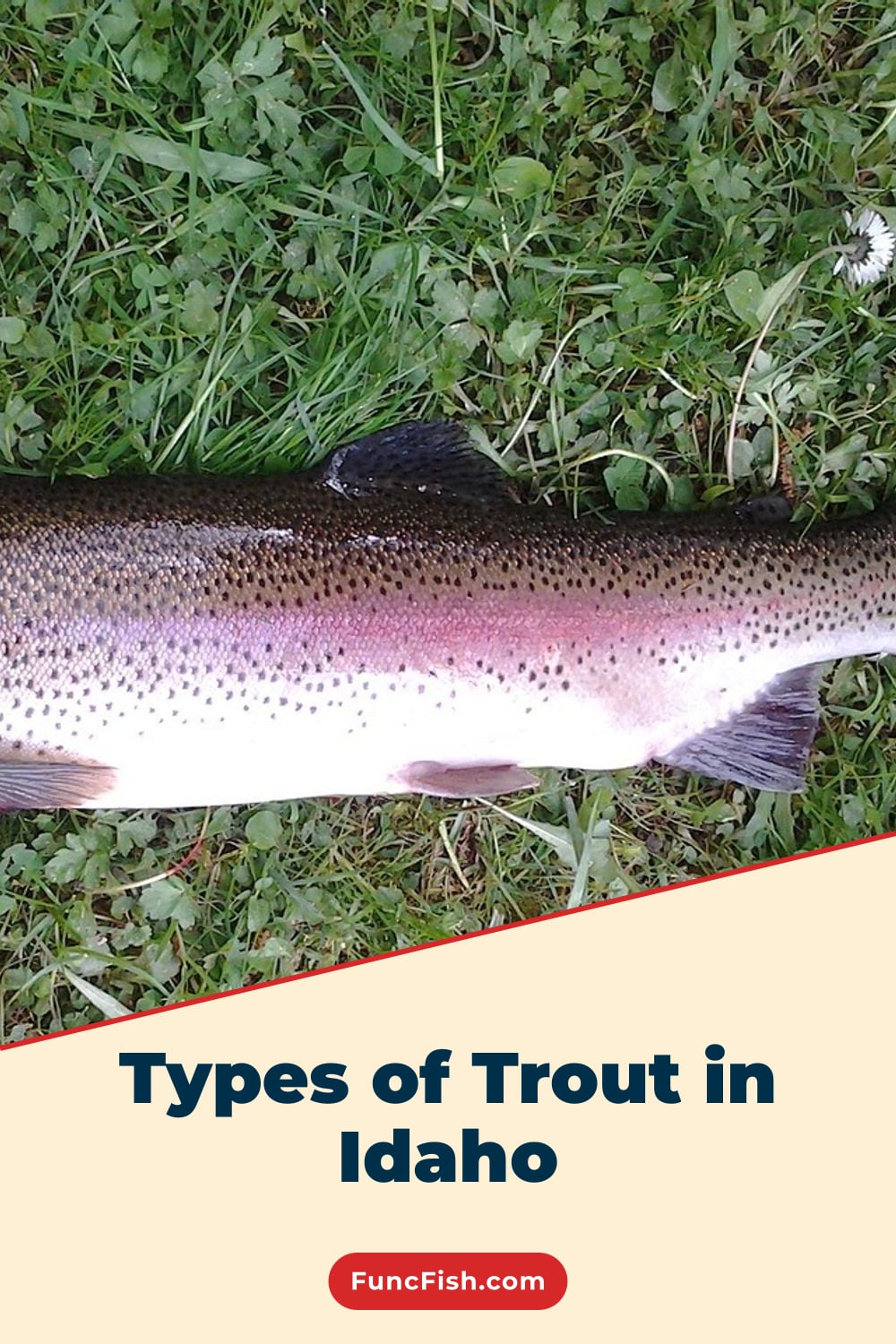
The word is out on Idaho waters. They are known for more than just fishing; they are clean, have big fish, and anglers travel hundreds of miles to fish them. To be successful, you can’t simply grab a lure and go, there’s much more involved.
Knowing what you’re after are vital. Idaho has some unusual trout. A lot of folks believe that all trout is alike.
That’s why you make errors while fishing. The fact is, they’re not all alike and each species relates different to structure, behaves differently, and reacts different to presentations. Knowing what type of fish you are around make a difference.
It makes a random cast become a calculated strike. In big river systems, the Snake and Clearwater are dominated by Brown Trout. Browns grows significantly larger than most other species here and is an apex predator.
Common Types Of Trout Found In Idaho
1. Brown Trout
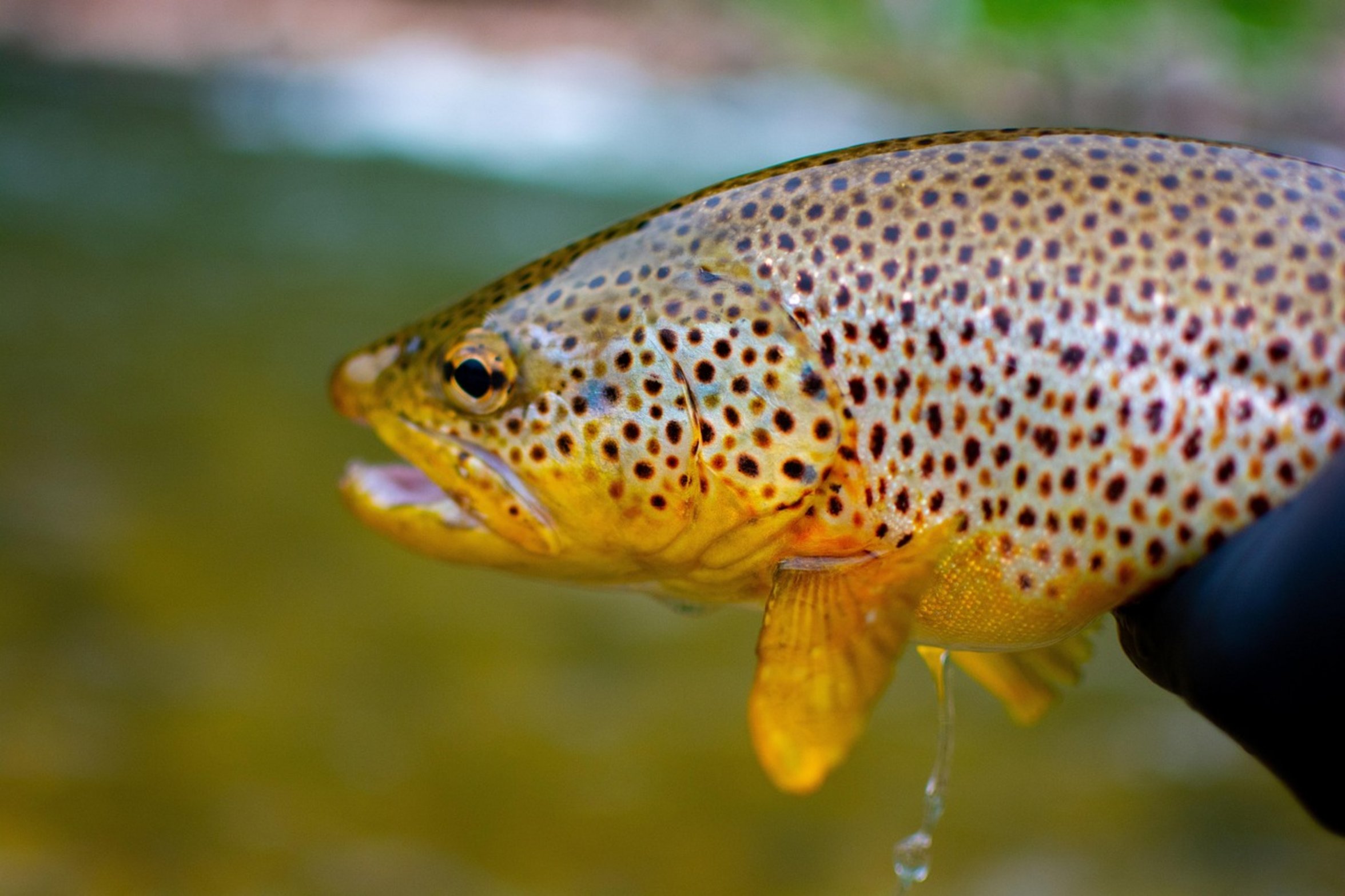
Browns love heavy bottom cover in deep pools. For Brown Trout, a key is to make a long cast with subtle presentations. Because of their shyness, you can’t just chuck stuff at ’em.
You’ll need to read current breaks where they ambush food while expending minimal energy. Almost every place in the state has Rainbow Trout. The fish thrive in conditions that will deprives other species of food.
2. Rainbow Trout
Because of this, rainbow trout are a go-to fish. They appeal to experienced anglers and novices alike. On warm days, rainbows is up near the top feeding hard.
You don’t need much more then a basic fly or spinner and you’re likely going to get bit just about anywhere there’s water. So, if it’s all you have, use the rainbow as your barometer for trout fishing in Idaho. High mountain lakes and alpine streams.
3. Brook Trout
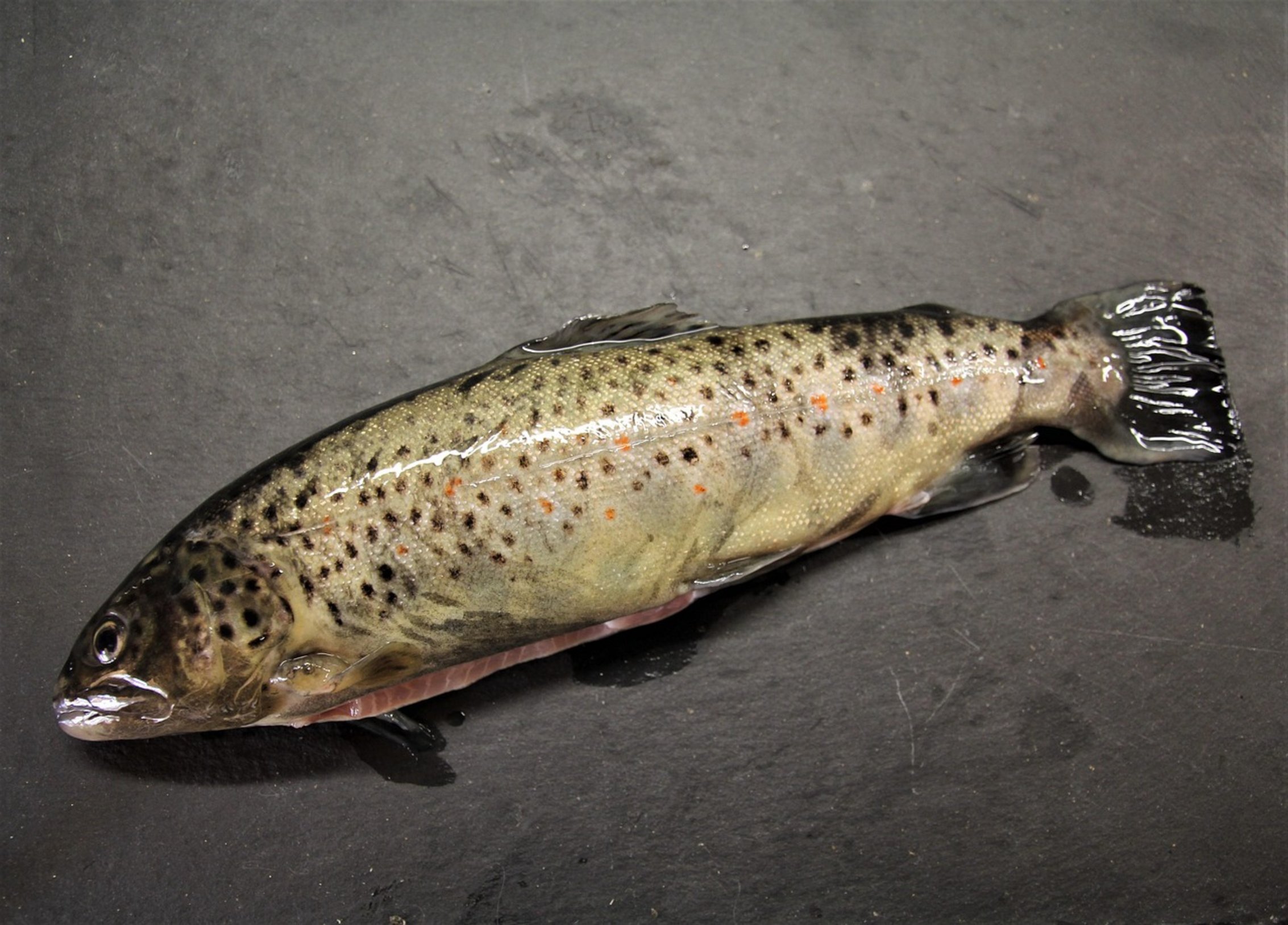
These waters are full of oxygen rich, cold water, which provide a suitable habitat for Brook Trout. They has dark backs and light-spotted bodies with a blue halo around their bellies, which are red. Brook Trout like fast moving clear water over rocky bottom area.
Accessing these areas isn’t as much about fishing skill but more about getting there. You will have to hike steep trails and cross rough terrain to get to the headwaters. But if you want that wilderness experience, it’s worth the effort for the solitude and pristine environment.
4. Cutthroat Trout
The main native species before non-native trout arrived were the Cutthroat Trout. They’re still found in abundance in high elevation waters and some tributary stream today. Recognized by their distinctive red throat markings and aggressive feeding tendencies, the Yellowstone Cutthroat will hooks hard and put up a violent fight.
For the dedicated cutthroat angler, it’s an appreciation of history with the fish. Cutthroats are one tough sucker that can lives in conditions harsh for others. Trout are a species found only on deep lakes such as Redfish Lake and Lake Pend Oreille.
5. Lake Trout
They is bottom feeders that need heavy tackle and weights on their lure. In the wild, Lake Trout often exceed 20 lbs. You’ll have to drill down below other species and into deeper water, but once you do, you’ll feel the power of the battle.
It will test your stamina and drag system when you gets that lake trout off the bottom. The Golden Trout is Idaho’s state fish and only found natively in remote mountain ranges of the southwestern part of the state. Their appearance are described as orange-red with black crossbands on their side.
6. Golden Trout
Because small population have been well-protected by conservation efforts, they are a rarity and hard to find. Their habitat can include high-country streams which is usually inaccessible. Anglers who pursue them must follow strict conservation ethic and regulation requirements.
Every species deserves its own respect, as well as their own strategy. What works for catching rainbows won’t necessarily work for lake trout. If you can acknowledge that you’re fishing a different species, then your time on the water will go from mindlessly casting away to purposefully fishing more effective.
Know who is underneath before you throw anything. It will make you a better angler and help you get more bites. Actualy, it would of been easier if I knew what fish was there first.
Finding these fish can be quite luxurius when the sun goes down. Naturaly, you should of brought extra gear too.