
There are no coastlines in Tennessee, but this is one of the best states for freshwater fishing in the Southeast. The state are riddled with major river systems and many reservoir full of an unexpected array of bass species. When people mention bass, most casual anglers immediate think of largemouth.
This belief opens up a world of water. The fish eats differently and fight different. They live everywhere from clear rocky riffles to muddy backwaters.
That’s important not only for biology class, but also because it alters how you approach the fish. What triggers a largemouth into striking may go untouched by a smallmouth tucked into the weeds. Knowing which species is dominating the lake you’re fishing determine what size rod you need.
It also tells you what line you should of used and how fast or slow to retrieve the lure. The state has varied geography. There are many different kinds of bass.
Each kind present its own rewards and challenges if you are interested enough to learn them. Tennessee fisheries has a lot of great reasons to be known as the home of the king of all bass: the largemouth. Because of their love for dark water and thick vegetation, they dominate the majority of the state’s slow moving rivers and lakes.
Top Types Of Bass Found In Tennessee Waters
1. Largemouth Bass
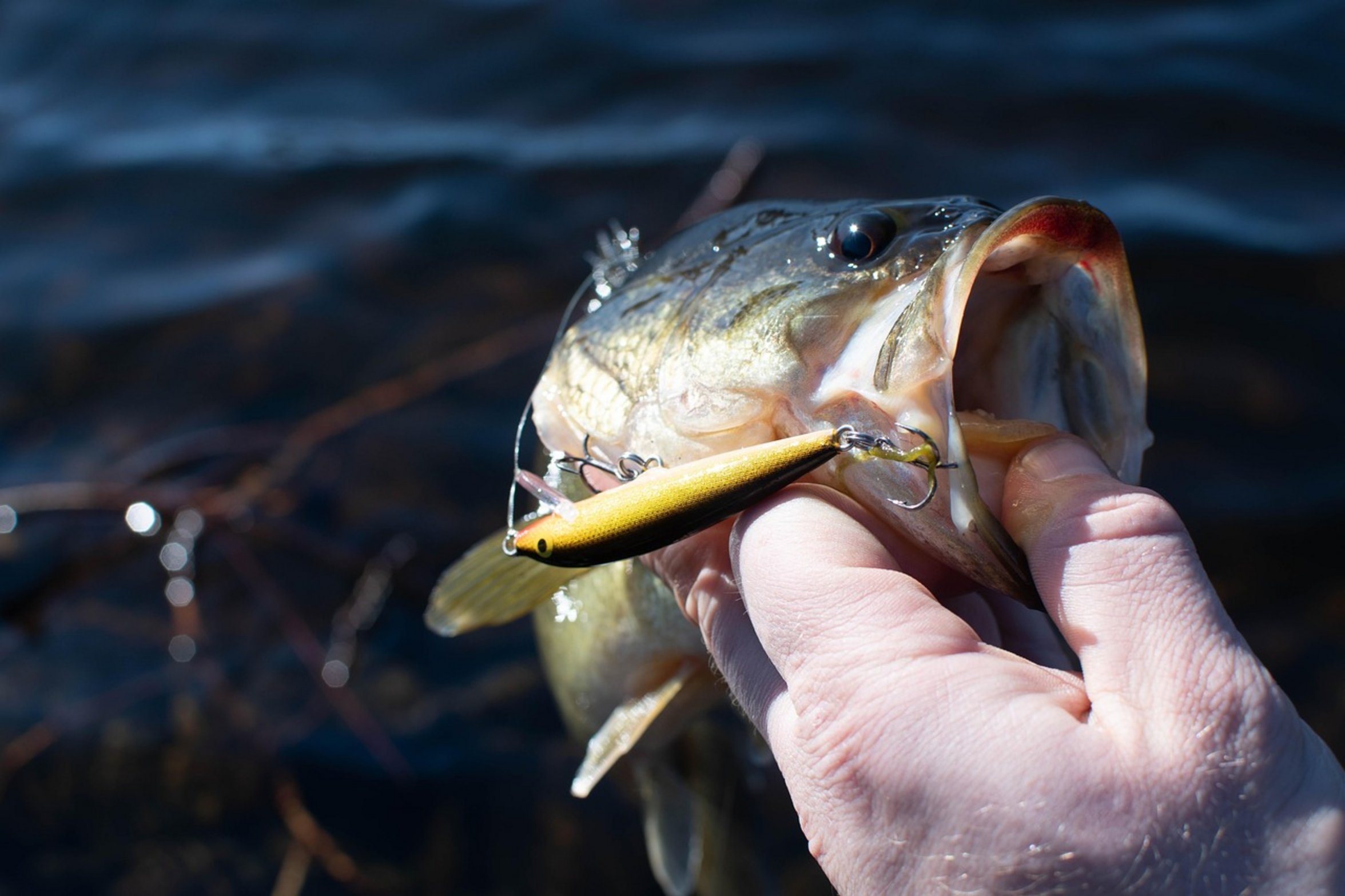
When you’re looking for one, look under a piece of submerged brush pile, near some lily pads or beneath a log on the bottom. They’ll protect that cover like their lives depend on it. And the best part is, these monsters gets big fast.
In established reservoirs such as Guntersville or Nickajack, you’ll run into many 5-pound-plus fish. They’re also aggressive feeders; they won’t hesitate to inhale your soft plastic worm or topwater plug. The battle will be straightforward and forceful with a dramatic jump around the boat at the end.
That makes them the go-to fish for tournament anglers and beginners alike. For anglers who want to enjoy clear water, there’s a whole new experience from smallmouth bass. Smallies favor fast current and rocky bottom area typical of river systems such as the Cumberland or Tennessee Rivers.
2. Smallmouth Bass
They’re generally smaller then largemouth, but their fighting power and skill is second-to-none. A three-pound smallie will seem like double that size when they continually dive and roll throughout the fight. In high summer months, they’ll hang in deeper holes, while the spring finds them on shallow rocky banks.
Due to their line-shyness and frequent rejection of heavy tackle, fishing for them require lighter gear and precise casts. The payoff? Leaner meat and better table fare than most gamefish.
A lot of folks forget about spotted bass. They appear almost exactly like smallmouth except for one defining characteristic; rather than having vertical bar markings, they show a horizontal barring pattern on their sides below midsection. Spotted bass often inhabit impoundments which either has been stocked with them or where they naturaly migrate into from upstream river systems.
3. Spotted Bass
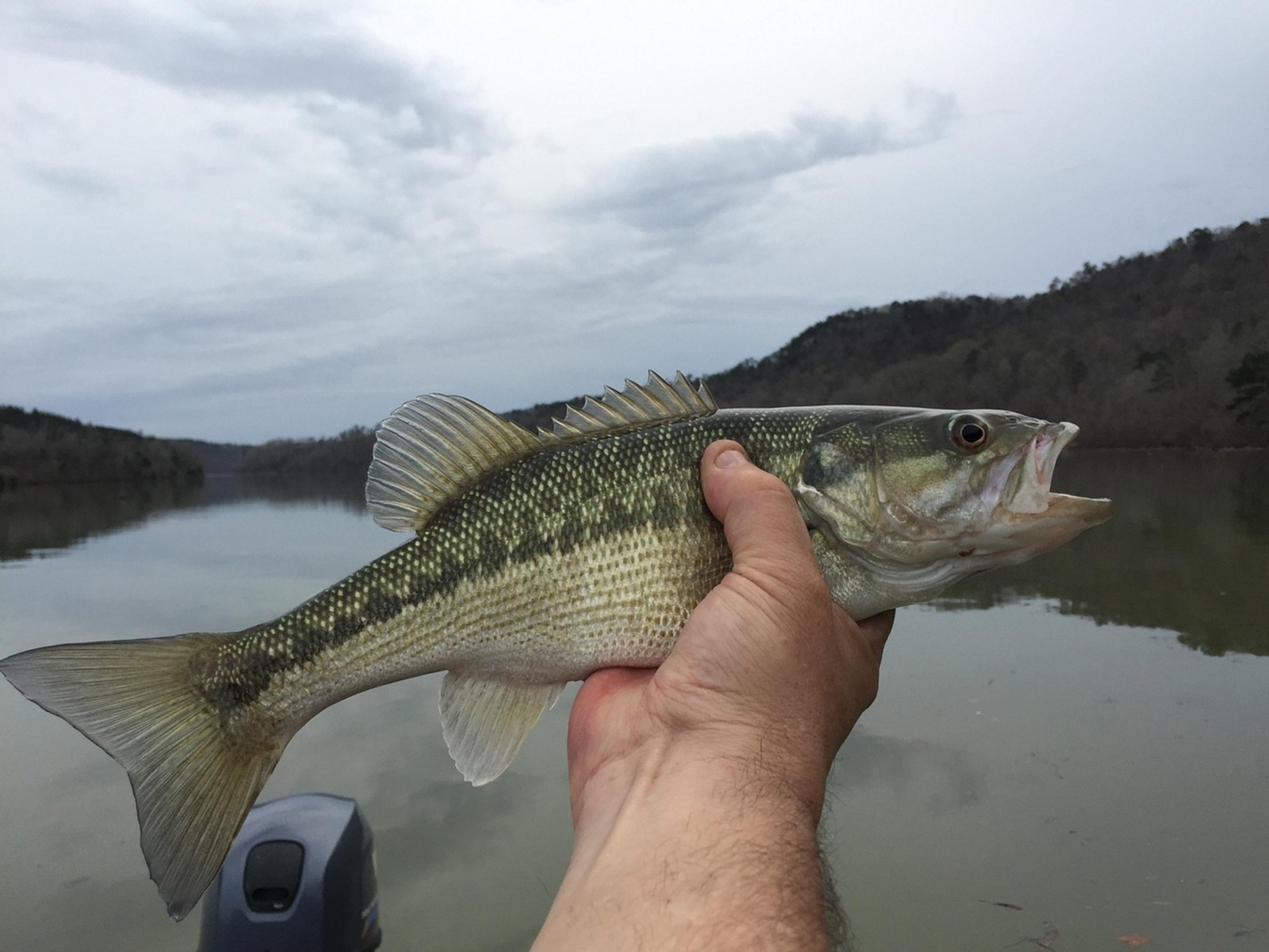
Because of this, they will generally suspend around bottom structure with slower moving baits like drop-shot rigs or jigs. You also won’t see them hitting much on topwater type offerings because they’re not as prone to busting at the surface. This is a solid spot for catching throughout the year on a lake like Kentucky Lake, where you can get a bunch of bites even when the primary species are off.
For anglers looking to mix it up, these guys offers constant action through transitions. In select Tennessee reservoirs, striped bass has changed the fishing scene for the past few decades. Originally from coastal waters, they were stocked on lakes such as South Holston and Percy Priest to manage alewives.
4. Striped Bass
Their numbers exploded, and they developed self sustaining runs that now supports a dedicated fishery. They’re big, bad boys weighing upwards to thirty pounds in extreme instances. They school up and cruise the water column following baitfish in open water.
This makes them very visible to anglers in late evenings or first thing in the mornings. Fishing is fast paced with long casts followed by quick retrieves to match the striped’s swift pace. It’s a striper style trip you can do right here at home.
A hybrid striped bass is the product of a male striped bass crossed with a female white bass. Around these parts, it’s commonly referred to as a wiper; mixing the best traits of both species into an aggressive feeder that likes warmer waters more then pure stripes do. Wipers are common in canal systems and smaller impoundments where they’re not bothered by lower oxygen content as much as either parent species.
5. Hybrid Striped Bass
They hits just about anything you throw at them with a vengeance, which makes ‘em great fish to target when you want fast action on a casual weekend trip or with kids who aren’t interested in release and catch ratios. They also hold up well in fluctuating water, so if the population is healthy there will be plenty more tomorrow. Because they’re easy to catch, impatient and time-challenged anglers gets quick results.
The unsung workhorse of Tennessee’s river pools and smaller lakes, white bass are an active feeding machine when they spawn in large numbers in the springtime. They attract many people to the shoreline and offer family-friendly fun. They never get bigger than ten pounds.
6. White Bass
They will bite small spoons and crankbaits with ferocious energy while staying near the surface in the current. Often ignored by many anglers as mere panfish, a five gallon bucket full of white bass translates into several hours of non-stop action. During the peak of the spawn it isn’t unheard of for someone to catch a hundred in an afternoon.
A big smile of accomplishment you just can’t recieve alone.