
Why does my fly sink rather then float? This has been a frustration to anglers. You throw that perfect looking fly at trout in slow water.
Then you watch your imitation go down into the water. So you strip it up, shake out the water and try again. Again it goes down.
Well, the fish aren’t watching the mud; they’re looking at surface, which is why they don’t see the fly. That’s not necessarily bad luck, just a lack of understanding about what makes material sink or float. Fly materials respond to water tension and gravity.
A fly needs to be a biological lie. It is a copy of nature’s insects. But if it doesn’t match behavior of the insect it is attempting to imitate, then it won’t match its physics either.
Fish will see through your ruse before looking at it close enough to see whether or not it work. Looks become most important for many angler when choosing or tying flies. They get hung up on color matching and getting right hook size but don’t pay attention to action, buoyancy, and density.
That’s what causes you to miss more strike than anything else in fishing. Knowing where they go wrong can help you troubleshoot your pattern before ever putting your foot in boat. From small mistakes in construction to basic materials choice, there are several technical failures that haunt fishing flies.
These mistake often only become evident under pressure. Here’s what can go wrong and how to fix it without having to start over.
Top Common Mistakes When Tying Fishing Flies
1. Adding Too Much Weight
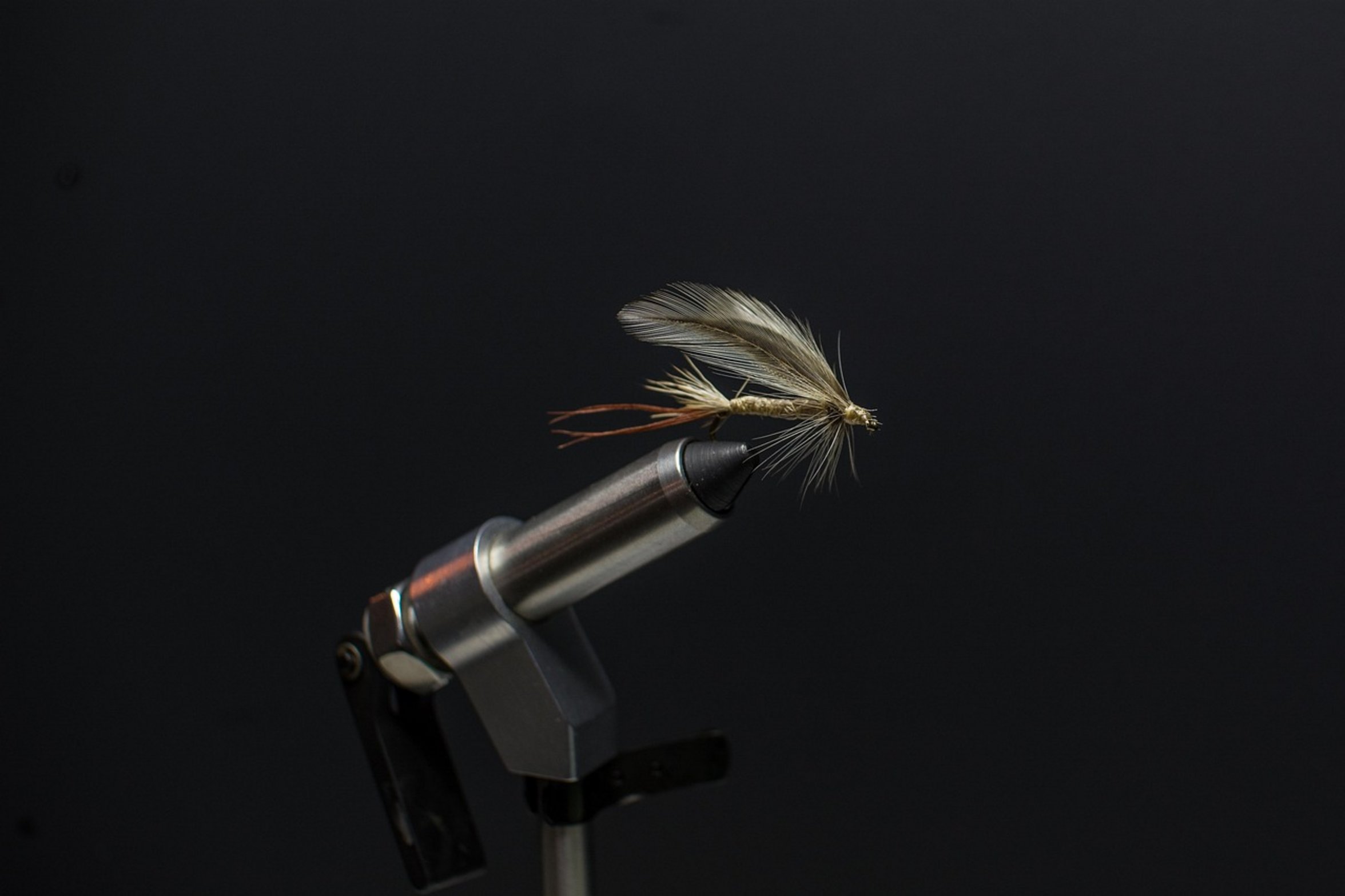
The most common mistake is adding too much weight (wire or very heavy thread) to what should of been a floating fly.
Tied onto a dry fly, this will ruin any surface film. A tight weave of copper wire or dacron-backed thread is fine if you’re creating a sinking streamer. However, these tend to pull the collar under quickly as soon as there’s any impact.
Water pressure can’t hold up even a couple more wraps of beefy silk. Match thickness of your thread to the desired depth. For subtle dries, use 6/0 or 8/0 black thread; save thicker stuff for nymphs that are built to dive fast.
A dead bug and a floating emerger can differ only by amount of weight used in its construction.
2. Improper Bead Placement on Nymphs
Another recurring problem is that a nymph pattern need to sink quickly but also be seen. Too many flies we find is weighted improperly.
The lead or tungsten bead is positioned too high up on the shank of the hook. This make the fly dive nose first and not actualy ride horizontal like a natural larva would. Remember fish have been trained to observe insects drifting along with current, not diving on them at weird angles down into the water.
Having the weight located up near head results in the tail whipping back and forth when the fly descends-again not natural and makes the fish wary. Using weighted wire will keep mass balanced down the shank of the hook, or balancing out the bead will do same thing. In either case the fly will dive with its axis aligned with the flow, like a natural insect falling down through the water.
3. Loose Hackle Fibers on Wet Flies
The third frequent error involve improperly securing hackle fibers on spinners and wet flies. Hackles give wet flies and spinners their shape and a pulsating appearance underwater. These is vital triggers for predatory species.
If you strip hackle fibers off the shank too easily or tie them on so they come loose after a few casts, the hackle will unravel. You may not notice this until you are in middle of a drift, watching your fly fall apart into loose feathers. Most often, this is due to an inadequate number of secure thread wraps around base of the hackle or failure to use a whip finish.
Secure hackle fibers create vibration that mimics the struggle of an insect fighting for its life. Loose hackle appears as debris. Fish don’t strike debris.
A good snug wrap will make sure that each hackle fiber add to the illusion of life instead of dangling loose in current.
4. Poor Wing Attachment on Dry Flies
The same lack of structure due to poor wing attachment occurs for dry flies as you cast and land them. The wings add profile and buoyancy but if not attached tightly enough with good thread turns, the cast pulls on the wings and they move out of position…
Either sideways or forward. That change the center of gravity and the fly tips over or rotates in air. What you want is the fly sitting up straight like an insect at rest.
But when the wings slide around the fly, it tip over, exposing hook bend or submerging part of body. This is particularly bad on bigger flies like parachute adams or elk hair caddis. The solution is to wrap down tight with strong thread and maybe even a touch of head cement on last few wraps to cinch things in place.
This little step can prevent big-time presentation problems in the wind.
5. Mismatched Flashabou and Tinsel Materials
Mismatched flashabou or tinsel, When using multiple colors of tinsel or flashabou on your streamer, it doesn’t always create an action; instead, it tends to make a mess of your fly. Because the streamer’s movement comes from its tail, any material that doesn’t flow well will mix with material that does and create problems when casting.
It kinks up and knots around hook bend or other material in your fly. Knotted flies look dead and clumsy in the water. What fish like is a smooth undulating action that suggests prey vulnerability.
Knots tell them you’re injured or dead. While that may work on certain predator fish, it won’t work on those seeking lively baitfish. It’s all about keeping stiffness of your material consistent and then trimming the ends even so they don’t catch one another.
That produces a clean wake that triggers instinctive strikes from pike, bass and other saltwater gamefish.
6. Messy Head Finish and Excess Glue
Even the best-tied fly can be spoiled by neglecting need for a clean head finish. Excess glue or thread ends hanging off hook mess up your fly and become a snag point on rocks and aquatic vegetation alike.
They also add unwanted weight, which changes how the fly floats as mentioned above. Even more so, a poorly tied head ruin the illusion you’re creating with the rest of your fly. Fish aren’t artists but they know what is symmetrical and what isn’t when it comes to their food source.
A good head seal and trim present clean profile to the trout below. The fly will retain intended sinking or floating rate and will slide over weeds without snagging. Spending ten more seconds to tie a nice, clean head pays off with better presentations and durability all day long.
These mechanicals will set apart the guys who is catching them from the guys who just throw flies around. Tying more elaborate flies isn’t the key. It’s getting simple ones tied right and understanding their behavior in the water to a tee.
That way when it doesn’t work, you know exactly what happened rather than guessing why the fly didn’t perform like it was supposed to. And then you begin designing based off the conditions. If you’ve got a fly that sinks too deep, gets tangled on the back cast, or doesn’t do what you think it should, look at tie first the next time it happens.
Usually there is a clue in there somewhere.