
The sun is rising over the Gulf of Mexico as you stand in the surf at Galveston Island with the water reaching your knees. The water pulls at your legs when a fish take on your line and moves you from your spot as the fish seems to be in the wash where the baitfish live and the predators stalks their prey. There are many different types of fish that can be caught on the beaches at Galveston Island.
Depending upon a few simple decisions that those who live in the area have proven through experience over the years can make the difference between a slow morning on the beach versus an succesful morning where many fish have been caught. The beaches at Galveston offer anglers many mile to fish from the shoreline to the shore. The shoreline, though, changes with the tides and the changing of the seasons.
What might work for an angler during the spring can be more different than the season of August. No boats is required for these fishing excursions and no special gear is required. Knowledge of the sand, the tides, and the structure of the Texas coast can provide anglers with a few tips that those who live here have learned from the high tides and the early mornings they have spent fishing.
Top Tips For Successful Galveston Surf Fishing
1. Fish According to the Tides
One of the greatest advantages of fishing for the surf at Galveston is the importance of fishing according to the tides. The tides at Galveston are relatively low when compared to other locations along the coast. However, a change of a single foot in the tide can move the water in different areas of the beach.
The two hour on each side of low tide expose the sandbars and allow for the bait to accumulate in the deeper guts of the beach. The fish cruise these areas in search of their prey. If anglers come too early or too late in the day, then the bait is scattered throughout the beach.
By watching the tide charts and choosing a spot to fish the night before fishing can help anglers plan their day by fishing during the falling tide in search of the redfish and trout species. This one small adjustment can provide anglers with a better chance of catching fish. The choice of bait needs to be according to the time of year when anglers go fishing.
2. Seasonal Bait Selection
For the spring and the fall, shrimp under a popping cork will attract the speckled trout. For the summer months though, bull redfish are more interested in cut mullet or pogies so that the bait move deeper into the troughs where these fish live. Fresh bait is better than frozen bait.
3. Rigging Dead Bait
However, frozen shrimp is better than artificial bait. If anglers find themselves without live bait, they can learn to rig dead bait so that it does not fall off the hook. A two-hook dropper rig that utilizes size 1/0 or 2/0 circle hooks will allow the bait to remain on the bottom since most of the fish along the Galveston beaches feed near the sea floor.
These circle hooks tend to catch the fish in the corner of the mouth which makes for an easier release of the fish if anglers is participating in catch and release fishing. The rod and the reel for anglers who fish for the surf need to be capable of casting heavy weight in order to stay on the bottom of the beach while waves roll in. The rod should be medium-heavy so that anglers can feel the bite of the fish.
4. Surf Fishing Rod and Reel Setup
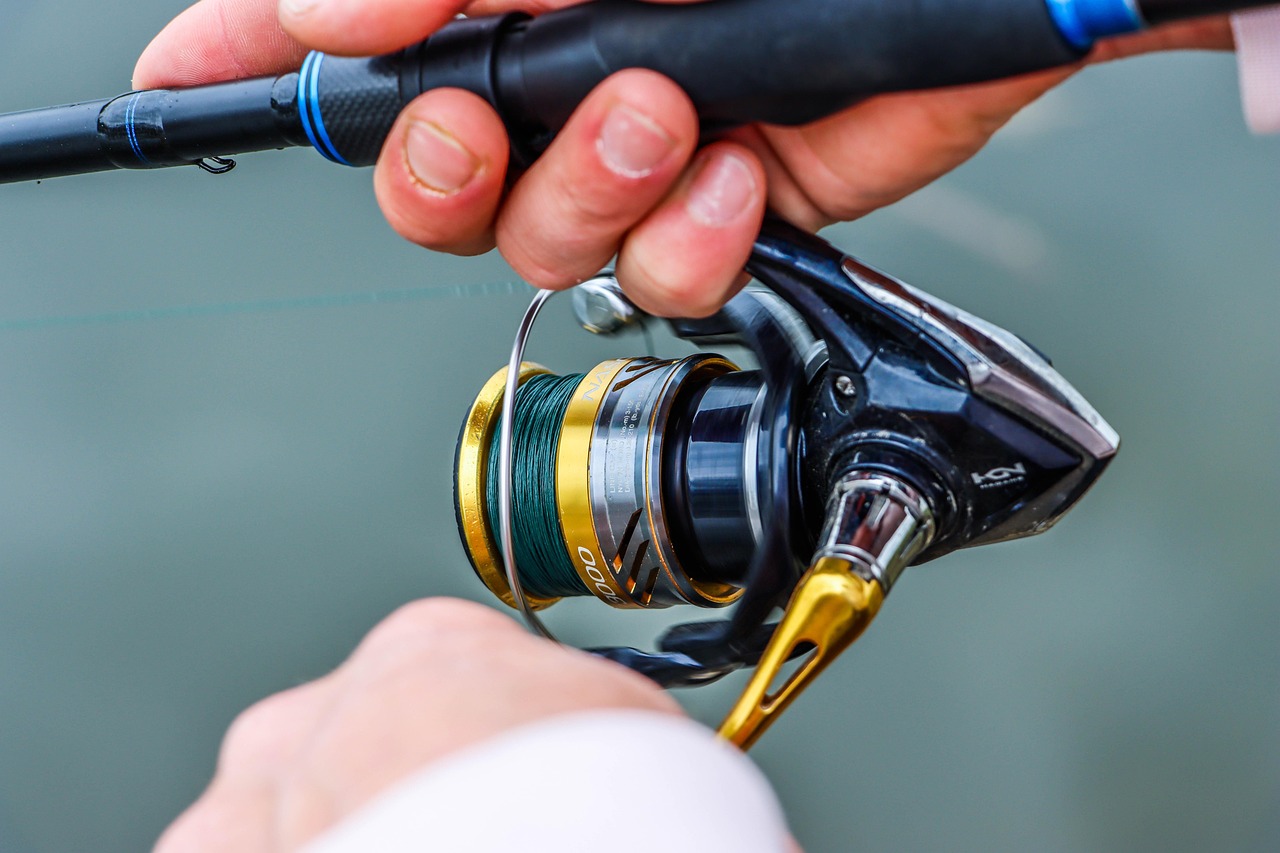
Anglers who find success along the Galveston beaches use a seven to nine foot rod with a spinning reel between the 4000 and the 6000 size range. These rebalanced with 15 to 20 pound braid with a three-foot leader of 20 to 30 pound fluorocarbon will allow anglers to cast their two to four ounce pyramid sinker beyond the first break in the sand. The braid will allow for the line to cut through the water to the desired spot while the fluorocarbon leader will reduce the chances of the wary fish noticing the presence of the fishing line.
5. Reading Beach Structure
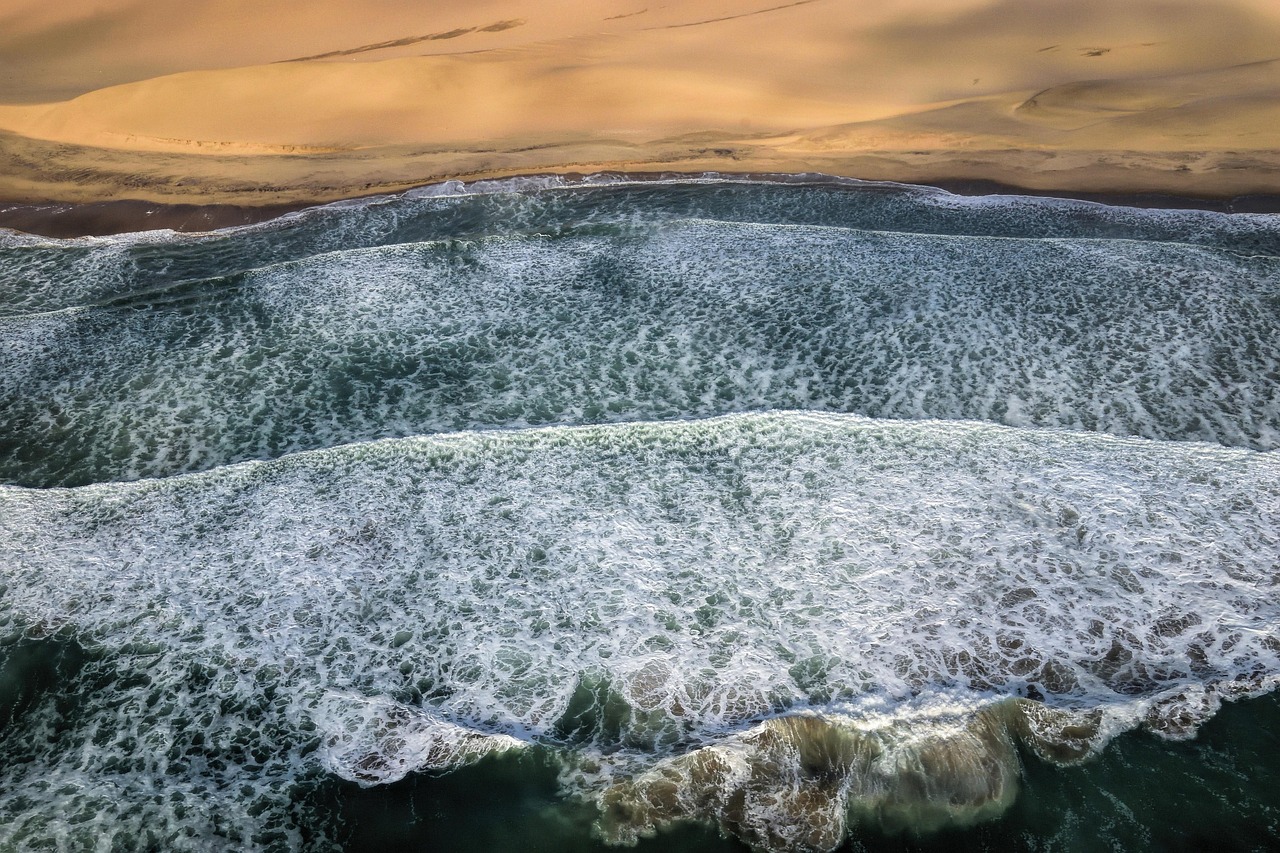
Being able to read the beach is an essential skill to acquire and one that will separate good surf anglers from those who do not catch any fish at all. Color changes in the surf mean that there is a trough of deeper water running parallel to the shore. Darker bands of water indicate deeper areas where fish come to rest.
6. Locating Sloughs and Rip Currents
Rip currents is dangerous for humans but actualy bring the baitfish out to sea where the larger predators live and hunt. If anglers spot a slight depression in the sand or areas where the waves roll in V patterns, these areas are sloughs that are worth fishing for the fish. By walking the beach at low tide and noting where the sandbars and guts of the beach are formed, anglers can return to the beach and find the same spot when the tide is higher.
Fish will not move around the beach at random but will follow the structure of the beach floor. By learning to recognize the structure of the beach floor, anglers will stop wasting their fishing line in areas that do not contain any fish. Patience is one of the best qualities for an angler who goes to the beach for the surf fish.
Unlike fishing from a boat over a sea reef, the surf is different. The surf gets tumbled the bait and picked at by crabs. Checking the hook every fifteen to twenty minutes will provide anglers with the best odds of catching their fish.
7. Checking Your Hook Frequently
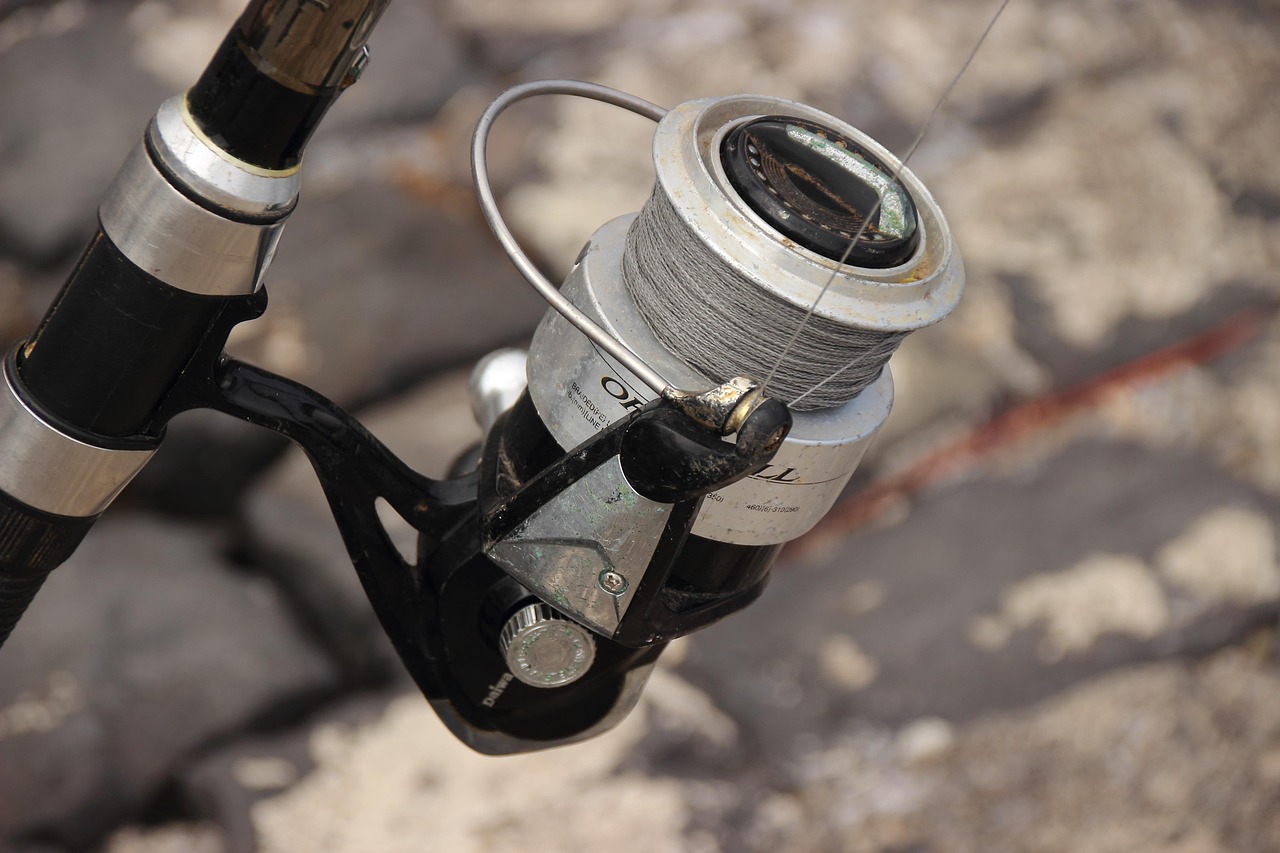
A tap on the fishing line should not result in anglers setting the hook immediately. Most of the fish along Galvestons beach will take the bait in their mouth but will not swallow it. Giving the fish time to do so, for a period of ten seconds while allowing the rod to load will allow anglers to sweep their fishing rod sideways instead of up and away from the fish.
8. The Correct Hook Set Technique
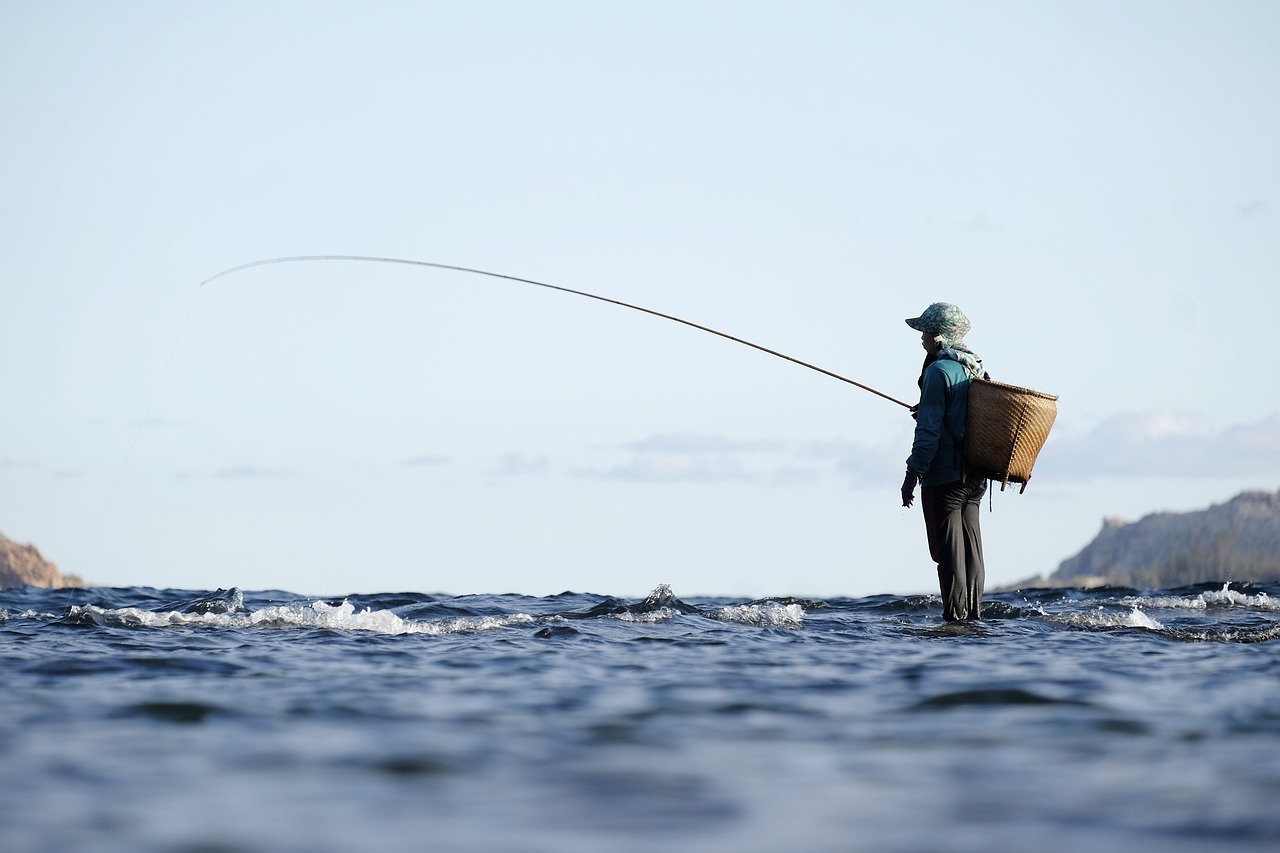
This sideways motion will ensure that the circle hook is not tugged away from the fishs mouth when it is hooked. This small adjustment will double the number of fish that anglers catch. A few accessories can improve the comfort and efficiency of anglers who choose to visit Galveston for the surf.
9. Essential Surf Fishing Accessories
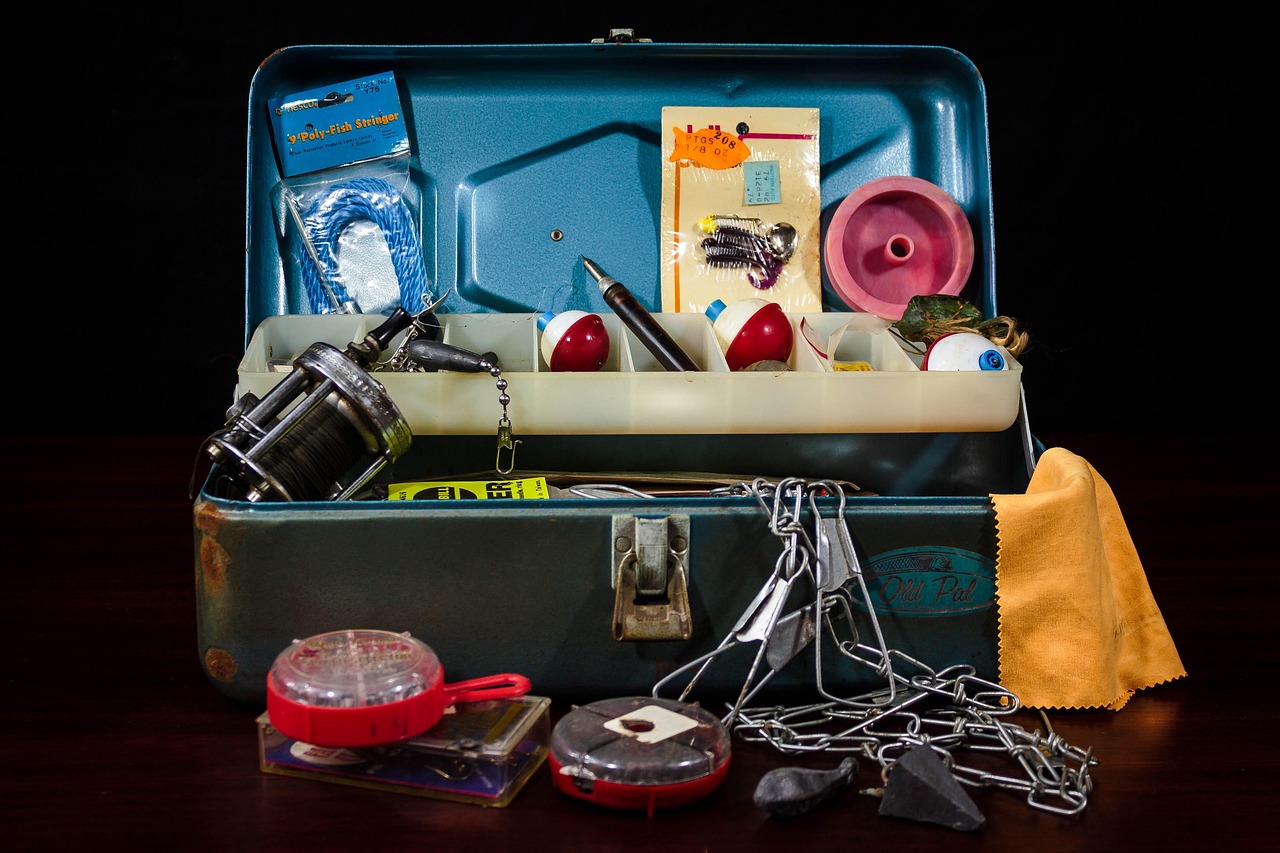
A sand spike will hold the rod when rigging or resting. A cart or a backpack will carry the fishing gear allowing anglers to avoid fatigue from walking on the sand. Polarized sunglasses will allow anglers to spot fish in the water.
A set of long-nose pliers, a sharp knife, and a small tackle box will assist in fishing activities. Anglers should dress in layers as the weather can be cooler in the mornings but hotter during the afternoons. A hat and sunscreen are necessary to prevent anglers from getting sunburned while on the beach.
10. Safety and Water Awareness
Safety is the most important aspect of fishing for the surf at Galveston Island. The waters can be calm but can contain large waves that will knock an angler off their feet. Anglers should never turn their backs on the ocean.
A wading belt with a knife and pliers will allow anglers to free their line if they become hooked on the surf. Anglers should be aware that stingrays live in the sand at the Galveston beach so walking in a shuffling step will allow stingrays to avoid anglers. During the summer months the beach can contain jellyfish and water moccasins that may fall off the inland mountains during the summer rains.
Having a first aid kit and a phone will ensure anglers is prepared for any emergency. The fish will still be here tomorrow but anglers should be healthy and able to participate in this activity. Anglers should respect the natural resources that exist at Galveston Island as well as those regulations that were established to protect those resources.
The redfish and speckled trout has specific size limits and the amount of fish that an angler may catch. Only keeping the fish that are planned to eat will allow anglers to participate in catch and release fishing for the remainder of their catch. Anglers can use circle hooks to catch the fish as the circle hook will not hook the fish in such a way as to harm them.
For species that are protected like tarpons or sharks, anglers can cut the fishing line close to the hook so as not to harm the species as they have long memories and are essential to the population. By taking the time to care for the species that live at Galvestons beaches anglers will ensure that the beach continues to provide fish for those who come to enjoy the beach. If anglers find that the fish are not biting at all then there are some tactics that can be tried.
11. Dealing with Difficult Conditions
If the crabs are eating the cut bait try using a slow-sinking jighead with a paddle tail that will avoid the crabs. If the visibility of the fish is due to a storm and the water is murky then try using a rattling lure that the fish can find through the vibrations that it makes. Small changes can help to reestablish the interest of the fish in the bait.
Anglers who can find success when the conditions for fishing are difficult are usually those who is willing to try new techniques instead of endlessly casting their lines in the same spot without any interest from the fish. The best anglers have developed a way of treating every fishing trip like a lesson. They note the different aspects of the beach and what caused the fish to strike at their bait.
Over time these anglers have learned where to drive to the best stretch of beach for surf fishing. Anglers do not need to spend decades on the beach to learn these techniques. By paying attention to the beach and planning their fishing trips in these ways anglers can develop the same mental map of the beach that the best surf fishermen at Galveston have in their heads.
The Gulf of Mexico will take care of the rest. You can stand there in the surf as the sun climbs in the sky and the fish continue to jump on the line from the surf. This is a good time to be at the beach.
The water that stretches into the horizon line has more than the fish that live here but the satisfaction of knowing that you found the best spots to fish for your catch. You should go out there and get a share of the fish that live in the Gulf of Mexico. The next good bite of fish is only one cast away.