
The California Aqueduct transports water from Northern California’s Sacramento Valley down to SoCal. The aqueduct is more than 400 miles long. Each year, millions of acre-feet of water move through this man-made channel.
To put things in perspective: The aqueduct is essentially a concrete lifeline to the desert. It goes through numerous ecosystems along the way. Irrigation schedules don’t bother fish; zoning laws mean nothing to them.
Instead, they adjust to the flow making this infrastructure a survival corridor for them. The aqueduct causes ecological disruption and affects the resilience of fish in these channels. Some species got here accidently when boaters gave them a ride, or when fish escaped from tanks.
How others came here to enjoy recreational fishing, but discovered that nutrient rich waters suited them fine. A couple of them are actualy native species that lost their home streams and moved here instead. Here you see who finds sanctuary in the deeper, cooler parts of the aqueduct and you get a sense for what kind of balance there is between wild nature and human needs.
Several prominent species can be found here or nearby in California Aqueduct system. Each has its own story to tell regarding conservation, adaptation or invasion. Striped Bass are frequently referred to as king of this concrete kingdom.
Fish Species Found In The California Aqueduct
1. Striped Bass
An original Atlantic saltwater predator, this species is now quite at home in fresh water systems as long as there’s plenty of room and something to eat. The aqueduct’s deep pools and steadier flow create prime habitat for these strong game fish. When hooked, they jump high and fight hard.
Striped bass is near the top of local food web, which means they feed off both insects and other smaller fish that blow into the system from adjacent fields. This species also indicates that you’ve got a productive ecosystem going, albeit one that’s completely man made. Look for them cruising deeper eddy areas where current slows enough to allow ambush hunting.
This is a good reminder that nature finds a way to make good use of what we build. In this system, the American Shad is both traveler and victim. These silvery beauties are members of the herring family of primitive fish, and they swim upstream to spawn.
2. American Shad
But on their journey, they can become disoriented by artificial gates and barriers installed along the course of the aqueduct. Concrete walls impede ancient paths, and conservationists fear for the shad’s chances of completing its life cycle. They swims against the current with graceful determination.
Pushing through turbulent waters in hopes of finding suitable spawning gravels, they do persevere. Each year, their runs remind us of power of evolutionary persistence. Seeing them struggle and succeed offers a window into physical cost of migration.
They represent historic river flows that once connected mountain snowmelt to the ocean without interruption. Largemouth Bass: Largemouth Bass live in the warmer, slower moving water around overflow basins or intake structures. A freshwater native, it’s not nearly as fond of fast moving water or flowing currents than its striped bass cousin.
3. Largemouth Bass
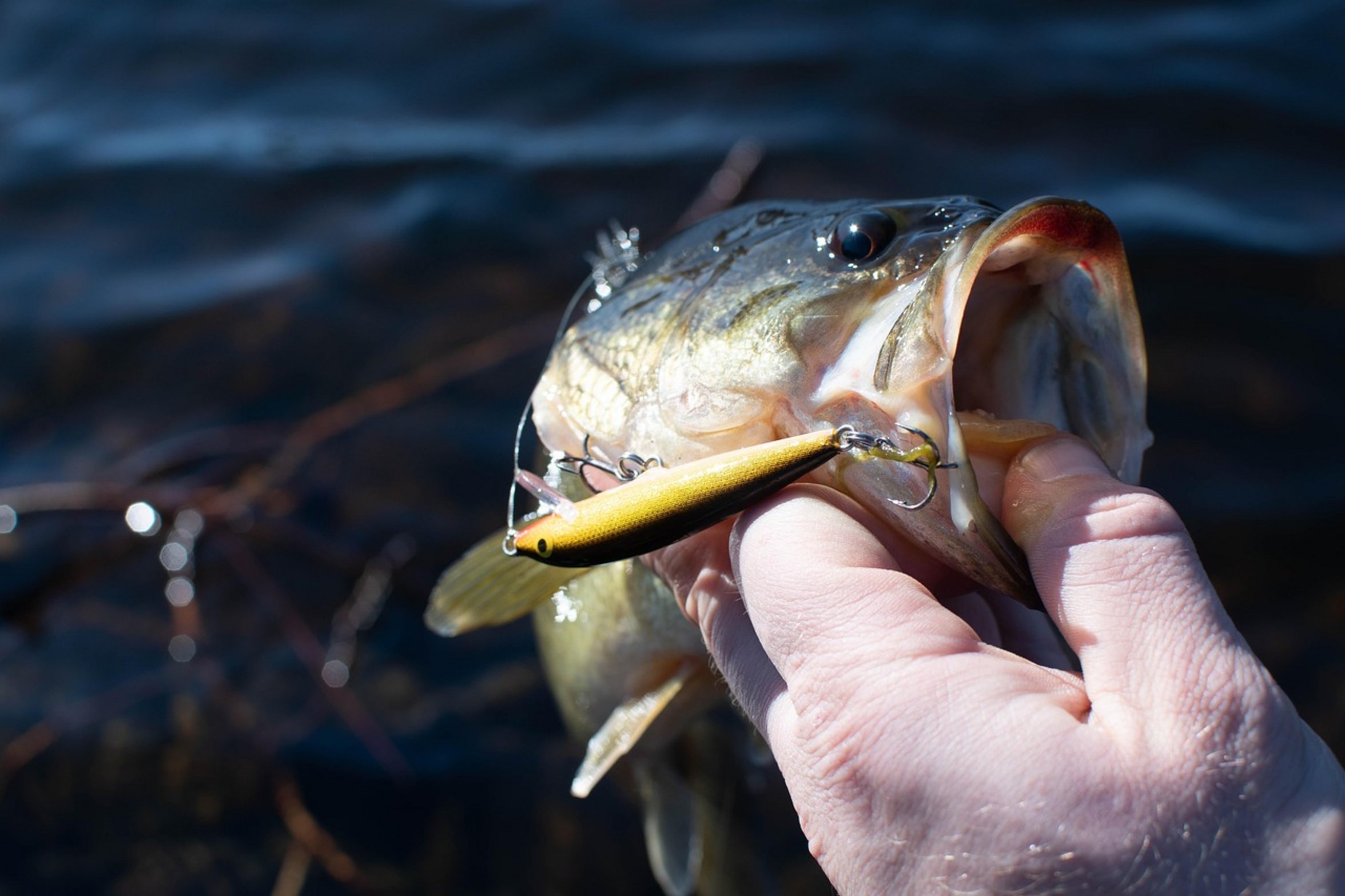
These areas, however, collect all sorts of weeds and other debris making them ideal hiding locations for an ambush predator. Because largemouth are such a common species throughout California ponds and lakes, biologists aren’t surprised to find them present at aqueduct related holding areas. On those sunny days, you’ll see them lying just beneath the surface, waiting for something tasty to float past.
Largemouth is known to be very adaptable. They can withstand a wide range of water quality and temperature extremes that will kill off other less hardy species. For that reason, largemouth are frequently caught by people fishing from access points.
That also means they compete with the native fish for scarce resources in these restricted spaces. In the northern part of the water system, the Sacramento Pikeminnow is an apex predator. It is a sleek, toothy native California fish that has lived in this area longer than humans has been changing the landscape.
4. Sacramento Pikeminnow
They consume smaller fish, amphibians and will even steal eggs from birds if given the chance. Because of their speed and love for current, they’re able to hunt in the fast moving waters of the aqueduct’s tributaries and connecting channels. And though anglers have earned them a fearsome reputation, they actualy help keep populations of other fish species in check.
Without them, we risk creating imbalances that negatively impact overall variety of life. Due to their voracious appetite, pikeminnows is mistakenly viewed by many as pests. But in fact, they’re signposts for healthy prey bases and water quality.
To survive, they need connectivity between various water bodies based off the corridor. California’s waters also face the challenge of invasion by the Common Carp. Introduced hundreds of years ago for their potential as a food source, carp have dispersed into the lower reaches of the watershed accessible via the aqueduct network.
5. Common Carp
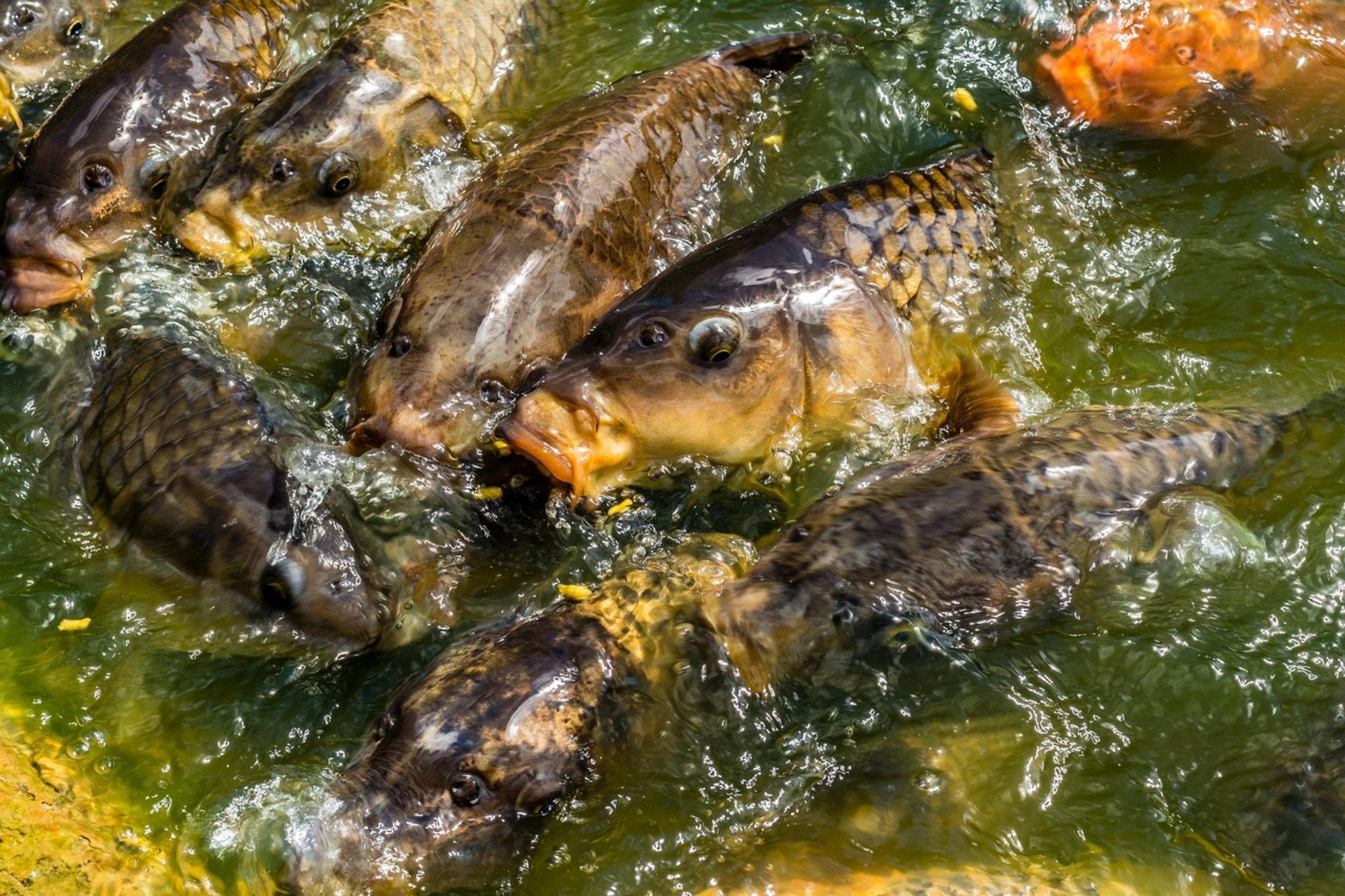
Their root-and-stir feeding habits disrupt aquatic plant growth and decrease water quality by clouding the water with stirred-up sediments, especially where vegetation is most dense. As a result, clear water for successful native fish spawns becomes scarce. In addition, carp are extremely adaptable; they can withstand extreme temperatures and low oxygen concentrations that would be fatal to most other fish.
Their large numbers in some sections illustrate struggle of the wildlife manager attempting to re-establish balance. Strategies for carp control includes biological controls, targeted fishing events, and physical barriers. The battle against carp illustrates how difficult it can be to reverse ecological change after the fact.
And then there is the Steelhead Trout, the hope of restoration efforts along stretches of the corridor. Like salmon, these anadromous rainbow trout migrate out to sea, returning as adults to freshwater streams to spawn, although they may do so multiple times. A few populations have even become strong enough to thrive in man-made modified habitats.
6. Steelhead Trout
In places where the aqueduct crosses through restored riparian zones, steelhead are able to reach historic feeding areas. Conservation groups must work closely with water agencies to protect this species. Ensuring that cool, clean water moves through important life stages makes it all possible for the steelhead.
The sight of a wild steelhead squeezing past concrete barriers tells us that nature finds ways to find space to breathe amid engineered landscapes. It serves as a reminder that working together across the divide takes deliberate effort and purpose on both sides.