
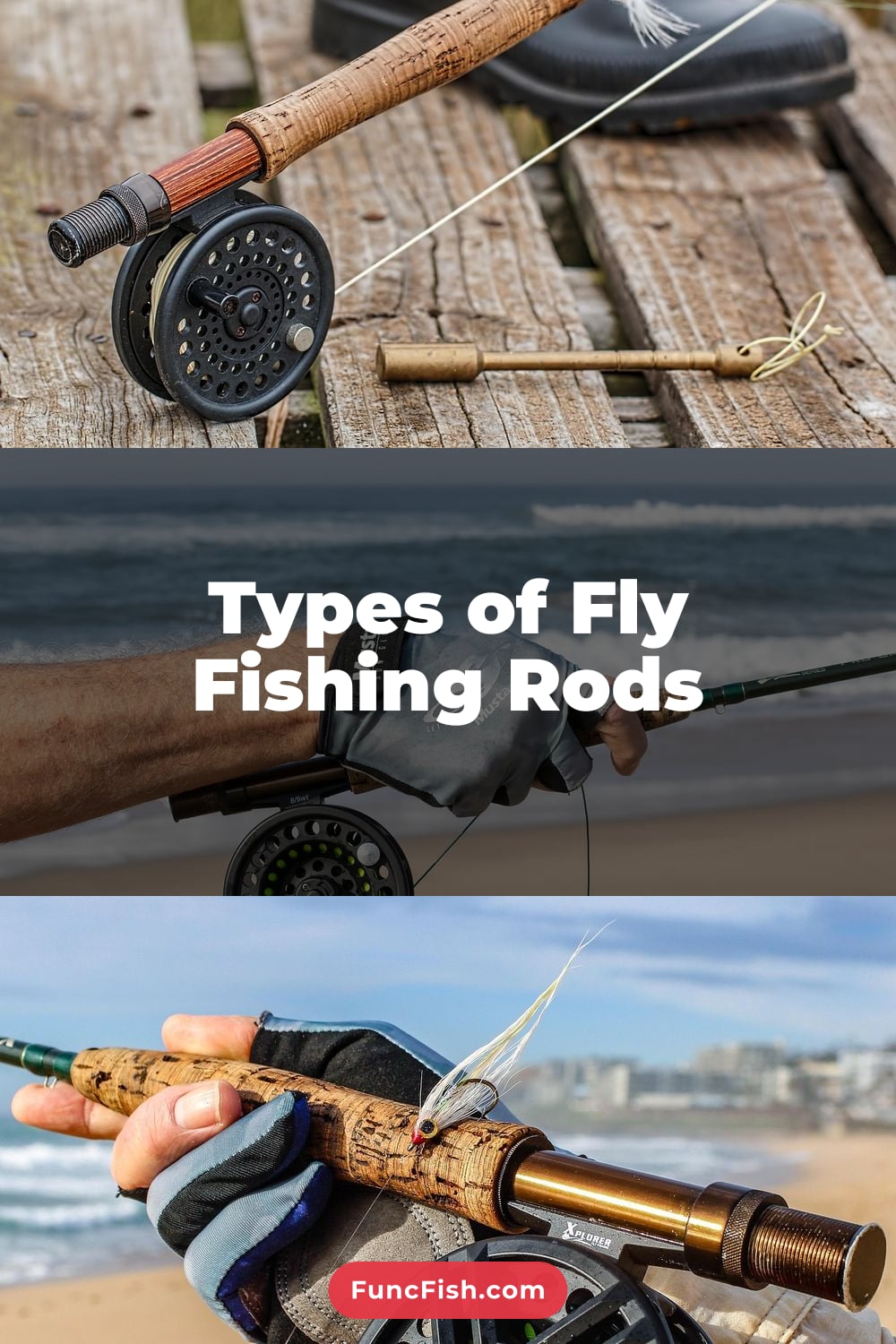
A fly rod is an engineered piece of gear, which means there’s more to picking one out than simply buying any old one off the shelf. You’re holding a tube of bamboo in your hand at the river’s edge. Someone wants to know what kind of fish you’ll be targeting, how windy you think it will be, and what type of angler you are.
And many novices feel as if they can just pick up any rod, and they do roughly the same thing. But this mentality leads to frustration on the water, where a gentle presentation becomes a loud slap, alerting the trout to their presence. Because each fly rod is designed to do very different things, you don’t want to fish a big saltwater rod for tiny fish in a skinny little creek.
It’s important to understand the action of the rod, the length of the blank, and how flexible it is; these things directly relate to line loading and shooting. You will be able to make long casts down a wide pool or roll cast in and around trees. Knowing those nuances makes your fishing not a guessing game but a precise craft.
It allows you to know exactly what each of those rods is meant for so you can work with them rather than fight against them. Fly rods comes in several varieties set apart by their purpose and action. Knowing which to choose for the circumstances will result in fewer aches and pains and better casts.
Different Types of Fly Fishing Rods Explained
1. Fast Action Rods
Fast: This rod stiffens rapidly from the tip down towards the butt section. A fast-action rod lets you load up the rod both on a short back cast and on a hard shot forward. It is great for open water where distance matters and you need to throw big flies farther.
Because it stores the energy when it comes out of that wind it really cuts through the air effectively. The downside is a fast rod needs room to load correctly. So you lose some accuracy up close but get more power on the cast.
2. Medium Action Rods
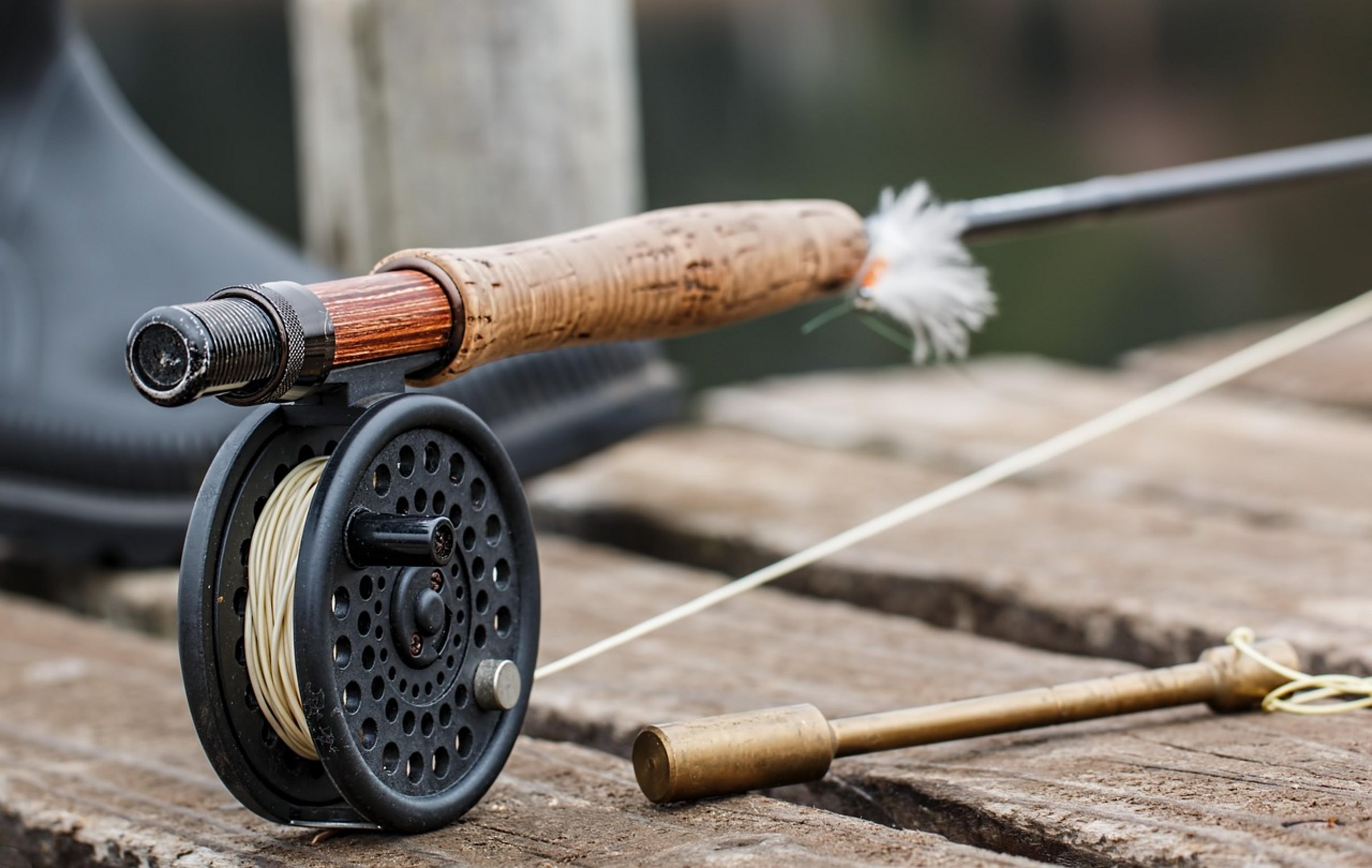
Try this next time you’re fishing around a bunch of overhead branches. If you try to cast under a low-hanging branch, the line might snap back and hit you because the rod needs more space to load properley. Sensitivity and power are balanced with a medium-action rod.
It’s a little less stiff than a fast action, but it bends deeper into the middle section of the rod for some good distance. It is the all-rounder for most general trout fishing scenarios. Provides adequate back bone to horse in that 20 inch rainbow, but still has the softness required to delicately present a dry fly on the water’s surface.
Because the rod unloads slowly and smoothly, it provides a soft feel that is perfect for delicate presentations in tight quarters. For anglers who fish various streams and lakes without specializing, a medium-action rod provides the most versatility. It will allow you to adjust to changing conditions without having to constantly switch rods.
3. Slow Action Rods
The slow-action (or double-tip) rod loads like a parabolic rod, meaning that it starts bending at your fingertips all the way back to the guides. This soft, parabolic action is ideal for placing delicate flies precisely in close quarters. The rod also unloads slowly and cleanly, allowing you to make accurate casts in short distances with ease.
When putting a dainty fly on the water next to a spooky fish, it resists line slap. It is great for small stream nymphing, dry flies, and even streamers. But it is not as powerful when fighting big fish or casting big bugs well.
So, if you want to do some intimate fishing and need a little finesse, great. If you need to make long casts in the wind, this won’t be your best choice. It is specifically designed for streamers.
4. Streamer Fishing Rods
These rods can be 9-feet long or even longer and have a heavier line rating for their size. That additional length increases leverage and is used to get a big fly’s head up off the water on the back cast. When stripping in large artificial lures that imitate baitfish, the rod has superior control over those baits.
And since fish hit these lures hard, you want a lot of power in the rod to set the hooks well and bring them to hand while not tearing through your tippet. So you lose some of the finesse and distance but gain the brute force to lift. When you’re fishing bulky flies for smaller salmon or big trout, this will be your go-to rod as it holds up better to the abuse than regular rods do.
5. Spey Casting Rods
What is a spey rod? A spey rod is actualy designed specifically for two-handed casting techniques. They are much longer rods.
They are thirteen to fifteen feet long. They have what’s known as a leader system. This is basically a heavy head of line used to throw.
They don’t do a normal back cast at all. You stand facing downstream and sweep your line overhead. This allows you to fish in many places, like big rivers with trees hanging over them.
It also works for big pools of water where you couldn’t use a one-handed rod because you didn’t have room behind you. This makes it work well in those situations. But the learning curve is pretty high.
It allows you to cover massive amounts of water while staying out of reach of rising fish. And you’ll be covering tons of water. There isn’t just one rod for everything.
There’s one for small places, one for big ones, and one for the wind. There’s also one that is versatile. A good selection has all of those covered but in a pinch, pick the middle ground which covers the most bases.
As you get better, you’ll gravitate to more specialized rods based off preference. It is always about matching the tool to the environment and having the rod perform precisely as needed when the fish eats. Having the correct tool for the task builds consistency and confidence.