
For those who only view New Jersey from highway or their suburban home, it may appear as nothing more than concrete and houses. Look beyond that asphalt, however, and you’ll discover one of most diverse freshwater fisheries on the entire East Coast. More than 300,000 acres of rivers, lakes, and ponds blanket the state.
They’re not just pretty weekend picnic destination; rather, they hold a wide variety of fish species and complex habitat. Knowing your local waters’ inhabitants transform your next angling adventure. What was once a haphazard cast become a targeted strategy.
Instead of mindlessly casting and hoping for a bite, you can begin fishing strategicly. Paying close attention to behavioral and environmental cues reveal a fishing area’s secrets. When most of us come to New Jersey lake, our tackle box contains just one lure (with a prayer of catching something).
However, unless you understand what type of fish inhabit which areas, that strategy rarely yields much success. Food, temperature and structure all play a role on a given body of water, and each species prefer something different. Sunfish love warm shallow water with weeds.
Trout seek cold, oxygen rich riffles. Catfish like mud bottoms, but smallmouth bass won’t be found near them. Knowing this make the difference between frustration and fulfillment on every trip.
Here are a few notable freshwater species found in the various bodies of water in New Jersey. They range from delicate finesse fish to hard charging power fighters. A snapshot of a couple reasons why they are important and where you might catch them.
Understanding the differences will guide your selection of baits and equipment and also help keep you respectful of each habitat’s unique ecology.
Top Freshwater Fish Species Found in New Jersey
1. Largemouth Bass
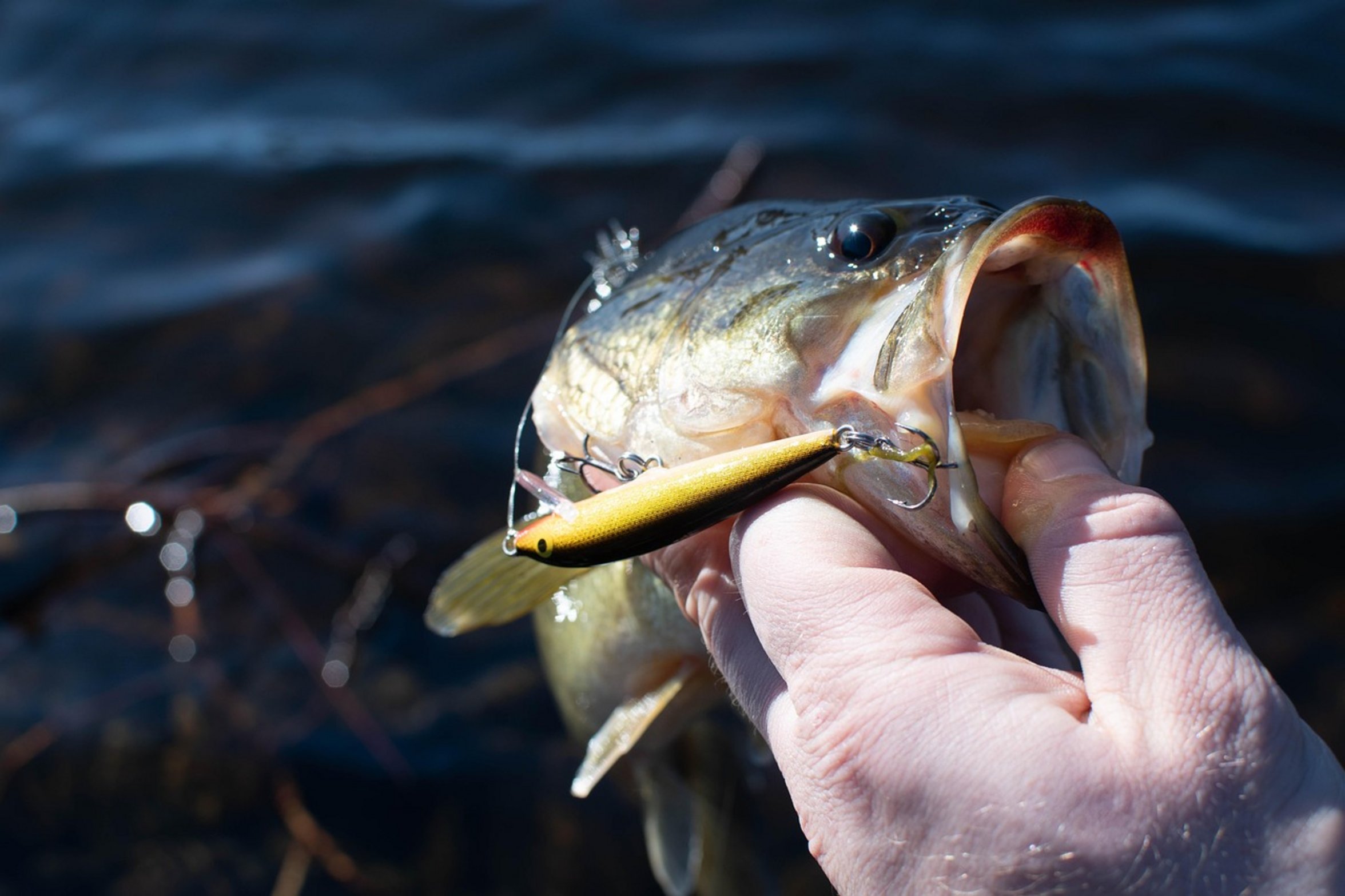
Largemouth bass are aggressive predators and no slouches, which is why they lead the way on recreational fishing scene. They relate to thick cover such as rocky drop-offs, fallen timber and even lily pads.
From the Delaware River to the Pine Barrens, you’ll find ’em just about everywhere, rivers and ponds alike. They’re fun to catch since they’ll strike topwater lures with an explosion, and they provide a powerful yet short fight that frequently ends with a dramatic jump at surface. This is the classic summer-fish in the state and this species really hits its stride once water temps warm.
2. Smallmouth Bass
It can be a bit of a test to pick apart the chaos of logs and weeds to find an active fish. Purists also find smallmouth bass appealing because they like cooler, clearer water and plenty of rocky structure to hide in. Seek them out in deep clear lakes or on boulder fields found on many rivers such as the Raritan.
Smallmouth will often demand subtler offerings and is generally more picky eater than their largemouth cousins. Even though they are smaller, these fish give you a longer, harder fight, earning them respect from seasoned anglers who appreciate quality over quantity. It’s more hunting than blind casting in the weeds when fishing for smallie.
3. Striped Bass
Along the coast, stripers are kings of tidal inlets and rivers, they frequent brackish waters but will spend quite a bit of time in freshwater systems such as the Hackensack River. For most locals, they’re the ultimate trophy fish due to their size and sheer power. They’re targeted around dam structures and bridge areas where baitfish can be found congregating.
The population is heavily managed, and fishing pressure are strict. It also takes right gear setup and some strength to land a legal-sized stripe.
4. Channel Catfish
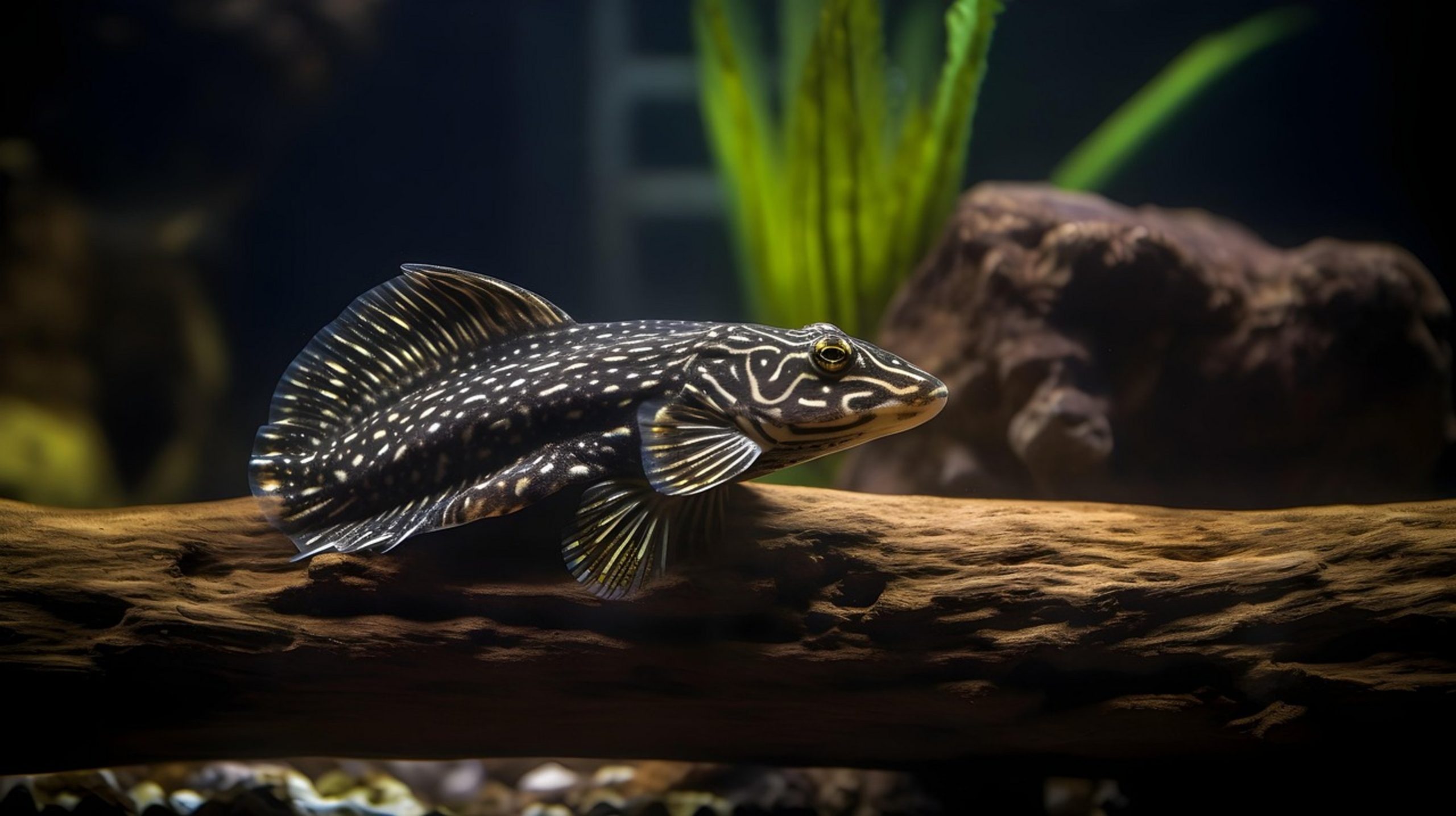
In most cities, channel catfish dominate the night scene in urban waters and their lack of visibility in dirty water seem to make up for that weakness.
Whether you fish them on big reservoirs, small creeks or retention ponds, they’re always willing biters. If you are a beginner and have trouble seeing your lures, these fish is an easy starting point because they use their noses to find chicken liver or other types of cut bait. When other fish gets lethargic in extremely hot weather, they continue to give anglers plenty of bites.
And due to their toughness, they remain plentiful even in heavily pressured waters.
5. Brown Trout
For sustaining cold-water fisheries, brown trout are mainly stocked into colder lakes and highland streams. They prefers to inhabit deep pools and fast moving riffles with high year round oxygen content.
Fly fishers prize them for their subtle feeding habits and acrobatic jumps. Because these fish are wary, they demand delicate presentations with nymphs and dry flies on light line. It is a challenge to match the insect hatch and read water quickly, but doing so brings a sense of quiet accomplishment compared to the chaos of bass fishing.
6. Northern Pike
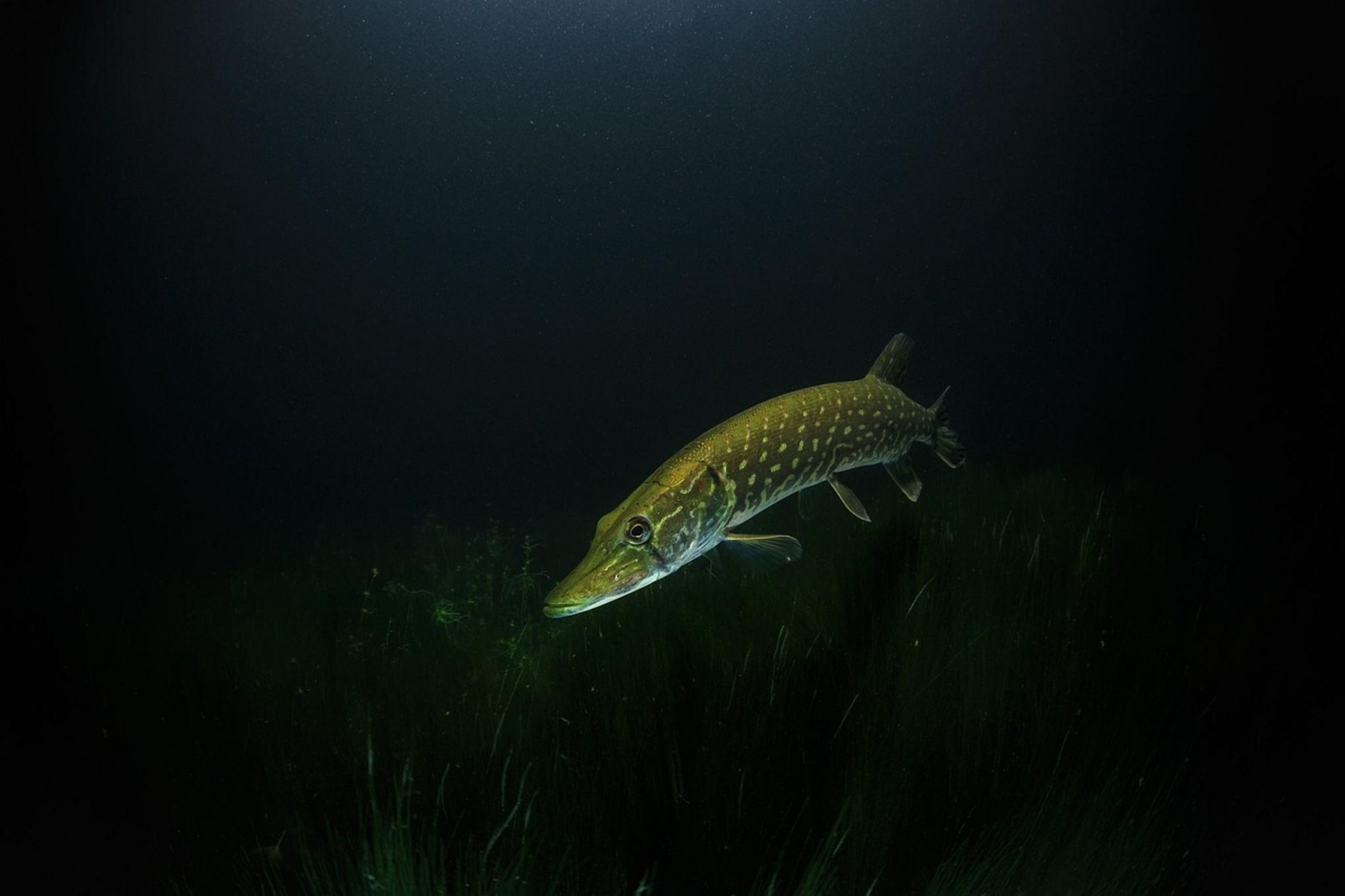
In shallow flats and weedy bays, northern pike prowl around waiting for something to swim by so they can ambush prey. These toothy critters gets quite long and must be handled carefully because of their teeth. Look for their dorsal fins when you see them because more often than not their back is out of the water cruising the edge of weeds.
They love to take down frogs and other small fish, so if you’re willing to throw big lures, these are aggressive biters. Caution must be used when fishing for pike because they put up a heck of a fight (even in skinny water), and you’ll want to protect your hands from those spiny fins. It’s a dangerous yet rewarding task for anglers that like battling big fish in shallow water.
7. Bluegill Sunfish
For the recreational angler or kid at heart, bluegill sunfish always put on a show. They school in shallow, weedy water and is easily caught with small pieces of worm or cricket. They can be found on nearly any body of water, making them an easy starting point for fishing.
The splashy surface feeding activity and flashy coloration make ’em fun for youth fishing trips. And they play a key role in the food chain, providing essential forage for bigger predators. There’s nothing wrong with going after something that’ll hit a hook and give you a bit of satisfaction without having to work too hard to find it.
8. Rock Bass
They are bluegills. Bluegills school together in weedy areas, while rock bass inhabit rocky bottoms and structure in deeper water. You can think of these guys as a pressure valve because even if main targets aren’t cooperating, you’re going to at least get some good fishing action from them.
They are hearty little fighters with solid bodies and a bright red hue. They makes each trip more valuable because you catch them while floating down for other fish. Also, their tolerance for low oxygen helps keep them biting when other sportfish won’t.
If you can factor them into your game plan, you’ll always be able to come home with something. These are just several different pieces of the New Jersey puzzle. Knowing how they behave mean adjusting to them instead of trying to make each fish conform to a certain style.
The next time you’re standing on shore, think about who might be swimming underneath you. Adjust your strategy for the creature. Treat its home with care.
Have fun doing it. It’s more than catching something; it’s being part of environment. And that’s when fishing gets good.