
With so many different types of freshwater fish inhabiting Pennsylvania’s waters, there is something for every angler. From the Atlantic coastal plain to the Allegheny Plateau, the state is home to rivers, lakes, and streams. And this diverse geography hold a wide array of species.
When you’re on the water, you’re not simply fishing for anything. You’re catching specific types of fish that has unique habitats, behaviors, and challenges. Knowing what species of fish live in your waterways will alter everything about your fishing trip.
It dictates what lure you choose and where you cast. For instance, a stream predator targeting prey won’t react the same than a sluggish river bottom feeder. Save yourself some headaches, know your target.
The following is a quick overview of the main freshwater gamefish in Pennsylvania, listed according to their relative popularity with anglers here.
Main Freshwater Gamefish Species In Pennsylvania
1. Largemouth Bass
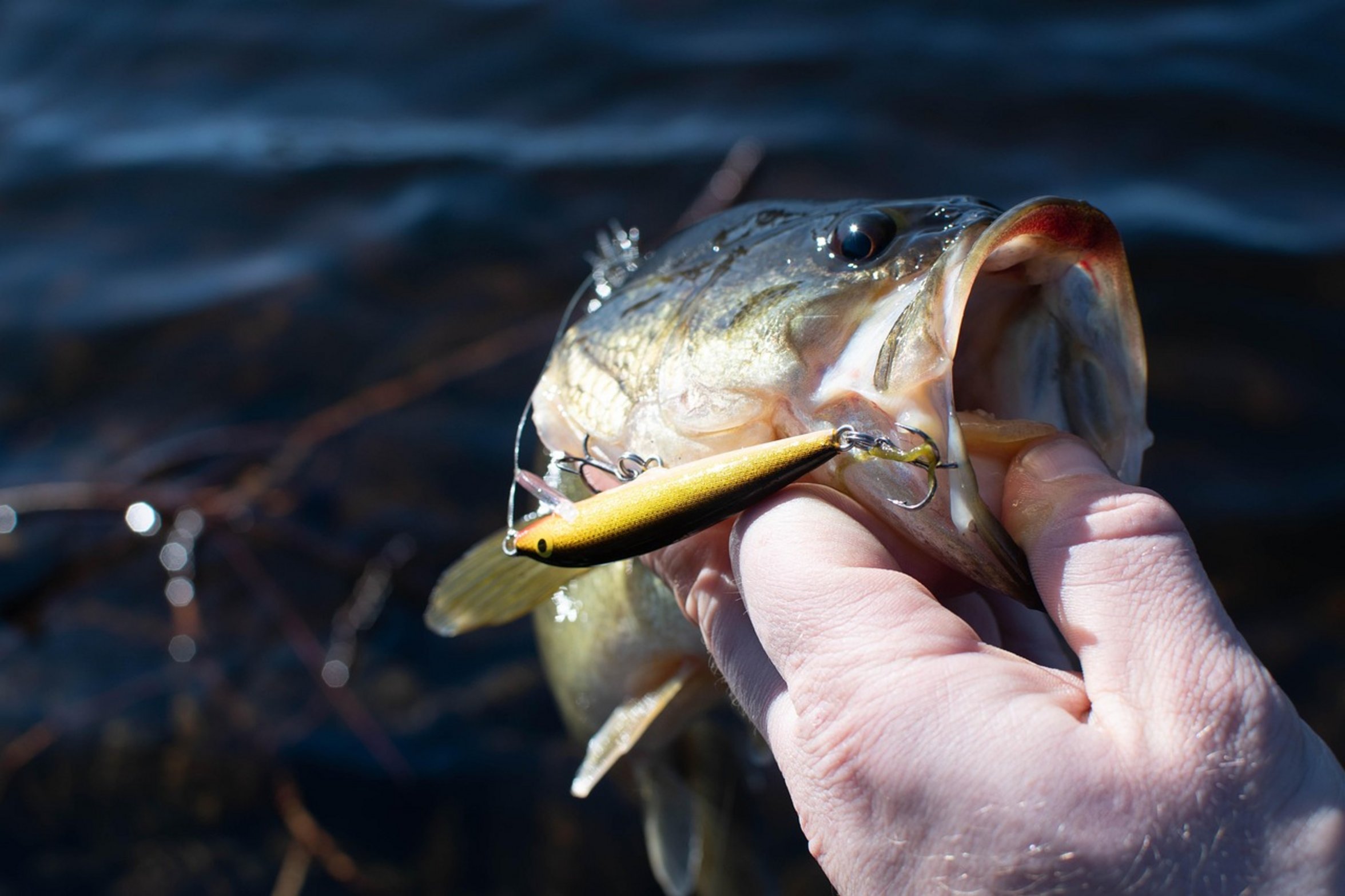
When you think largemouth bass you instantly think of a fish found on just about all waters and especially those with shallow cover in warm waters. They are fish that love a piece of structure, whether it’s a rocky drop-off, submerged grass, or standing timber.
Largemouth love impoundments like small ponds or big ones like Raystown Lake where the water warms up and gets hot during the summer months. They is aggressive feeders who will absolutely hammer a lure as well as put up a good scrap. Even if not a trophy bass, they are still fun to hook into because of their aggressiveness.
They look for cover so they can sneak up from hiding places and pounce on a crawfish or baitfish.
2. Smallmouth Bass
For fans of clear, running water, smallmouth bass provide another twist. Smallies like rivers with rocky bottoms, such as the Allegheny River system or the West Branch Susquehanna.
They’re typically pickier fish then largemouth bass and appreciate accurate presentations of finesse tactics or natural baits. During summer’s hot days, they’ll slide into deeper pools; in spring and fall, they’ll move into a river’s shallow riffle areas. And while their fights may not be flashy like largemouth, their strength earns them a hard-fighting reputation.
A medium-sized smallie will give you a hard fight that doesn’t seem to match his size. The constant pressure and body weight on the line make this fish put up a great battle.
3. Lake Trout
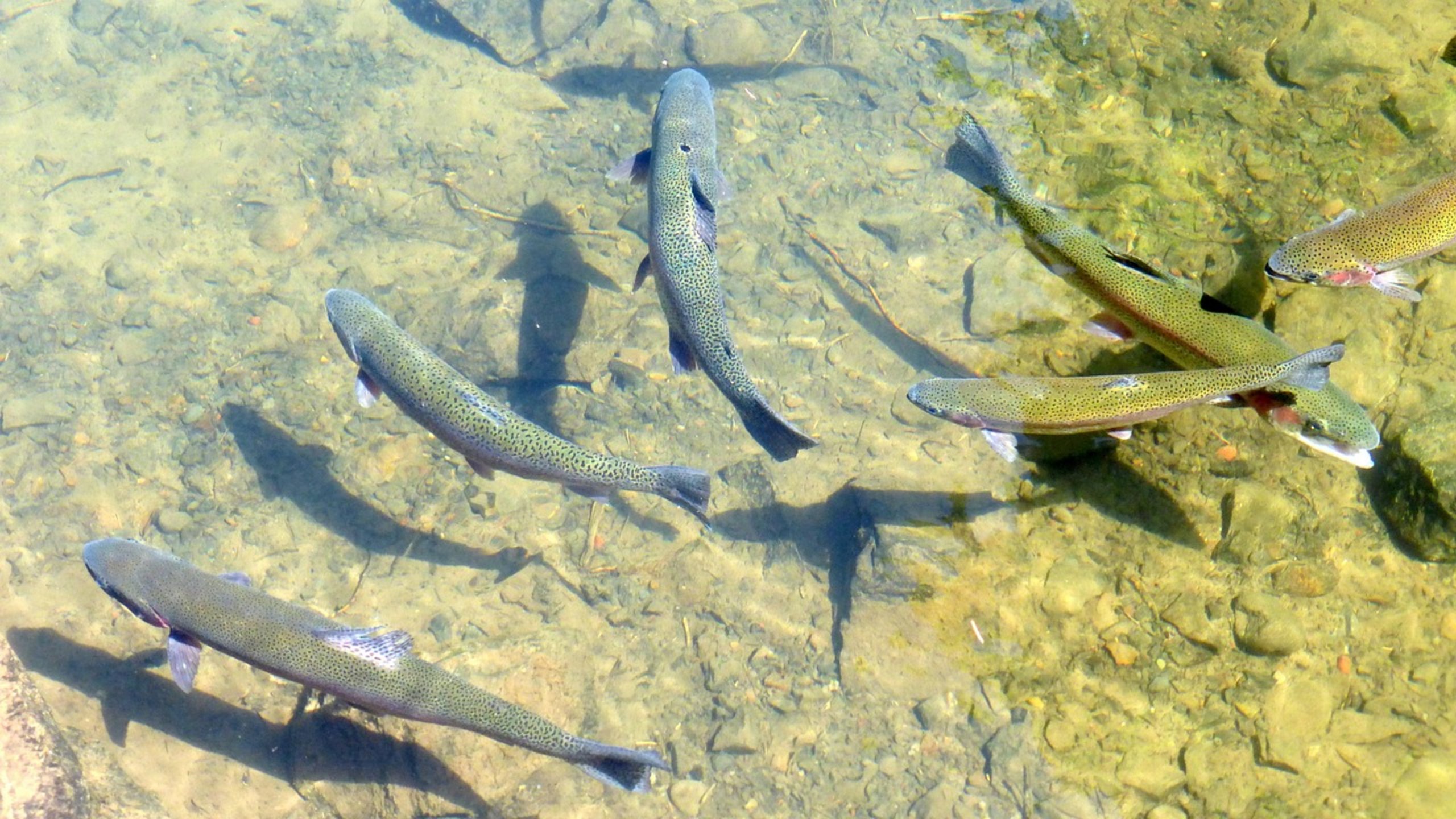
The alpine connection is the lake trout in the southern tier of Pennsylvania.
These are cool-water specialist fish that will only live in deep, clear lakes such as Ohiopyle or Raystown during the summer months when oxygen is plentiful. These fish prefers temperatures under sixty degrees, which limits their range but makes them highly sought after when you do locate them. Lake trout are most commonly caught trolling out deep on divers or downriggers to match their depth of holding.
When hooked these fish pulls hard but are fairly slow movers and don’t wear out quickly. Matching the right rod for presenting vertically is key along with some patience.
4. Striped Bass
In warmer months, some rivers and reservoirs in Pennsylvania welcome striped bass.
Though technically a species that lives in river mouths or migrates between salt and fresh water, these fish ventures far upriver into systems such as the Susquehanna River system for extended periods of time. During dusk and dawn hours, these fish will school very closely and chase shad or herring on surface. Topwater lures and surface poppers cause wild blowups and visual spectacles.
Heavy line and stout rods is necessary to avoid losing them due to their power and speed. The window is small. It is typically limited to late spring and early summer.
Prime feeding activity depends on the best water temperature.
5. Walleye
Central Pennsylvania lakes are deeper and cooler reservoirs ideal for walleye. These fish has great vision that they use well in lower light.
They prefer to feed on cloudy days, at dawn, and at dusk. Walleye will suspend off submerged island points, ridges and even humps where baitfish gather. Jigging with live minnows or soft plastic rigs worked slowly along the bottom is highly effective.
Because walleye are more subtle feeders, you need a light touch and a sensitive rod tip for light bites. The walleye battle is more a test of drag setting and line strength over an extended period; it is about steady pressure rather than sudden bursts of speed.
6. Brown Trout
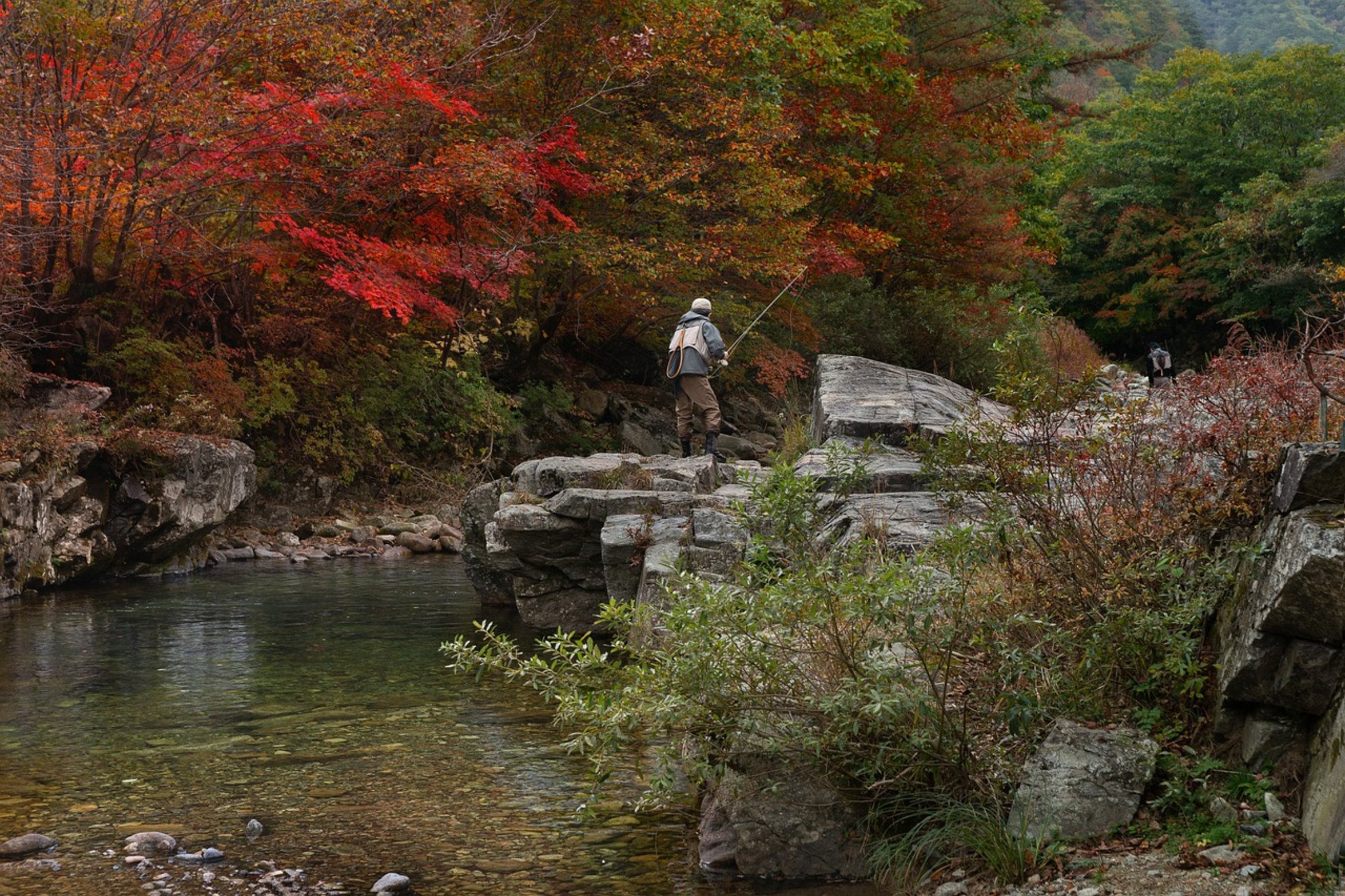
Pennsylvania has a reputation as a trout state.
Cool tributaries and free-flowing streams are home to brown trout, which frequent smooth substrate pools to lie in ambush for passing small fish or drifting insects. Because of their wary nature brown trout can be tough to target and need delicate presentation usually from nymphs or dry flies and long casts. Their coloring gives them great camouflaging properties for gravel bottom pools, so unless you get lucky, it can be difficult to locate one before they attack.
Because of this, fishing for browns requires more than just technique; it also requires stealth. Reading how water concentrates food sources is key to success.
7. Brook Trout
In Pennsylvania’s Appalachian regions, brookies live in the headwaters of cold, spring-fed streams.
They stay at elevations that provide the necessary water temperature (rarely higher than 55 degrees) and a high level of oxygen. Because brookies cannot tolerate warmed or polluted water, they serve as an indicator species of ecological health. The diet consists largely of small crustaceans and aquatic insects in runs and riffles.
Their bright coloring is striking in juveniles but fades as they get older. As with many other wild fish, the brookie population is fragile and strictly regulated to preserve genetic variation. Because of this, catching them is more about quality than quantity.
8. Northern Pike
Weed-filled shallow water areas across the central and northern portions of the state hold hiding northern pike ready to pounce on an unaware dinner. These lone predators use stealth more than speed to sneak up on a frog, big baitfish, etc. Be very careful when removing hooks from pike as they possess razor-sharp teeth and require careful handling during unhooking. Big, loud lures such as bucktail jigs and spinnerbaits retrieved steadily through heavy vegetation will get bites.
A healthy ecosystem full of various baitfish is shown by the presence of pike. When you hook one, it’s going to fight hard and want to dive head-first into the vegetation, so be prepared for strong runs and fast hands.
9. Carp
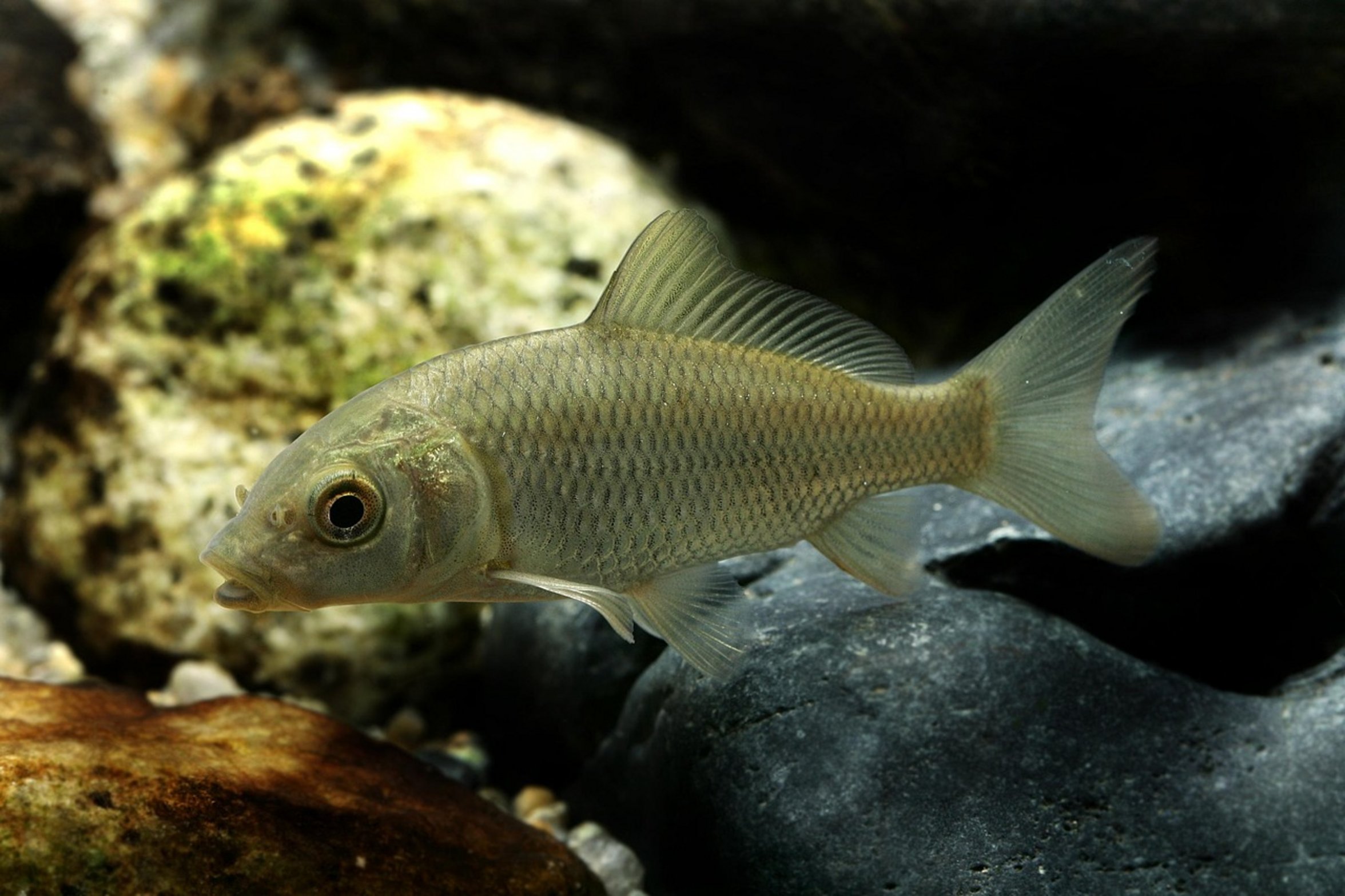
Often ignored by regular sportsmen anglers, carp offer a serious test to anyone interested in their behavior.
These fish live in big reservoirs and slow moving river systems where they feed along the muddy bottom, rooting around looking for invertebrates and other bits of vegetaton. Because carp get very heavy and have a lot of endurance, they really put the hammer down on fishing line. To consistently catch them, you need specialized tackle like hair rigs, strong lines and heavy rods.
As bottom feeders, they require bait suspended just above the substrate. Catching carp puts a whole new spin on what we think about bottom dwellers in general. It adds a layer to our knowledge of freshwater ecology and it forces us to respect these fish.
These are just three of many species that have a story to share about the rich diversity of aquatic habitats in Pennsylvania. There’s always something different to explore on the water from mountain stream to deep lake. Knowing the differences between these species makes each trip even more exciting.
It doesn’t matter if you’re looking for the subtle drift of a trout or the explosive strike of a bass. Take a minute the next time you’re standing on shore to think about what may be below the waterline and why it matters.