
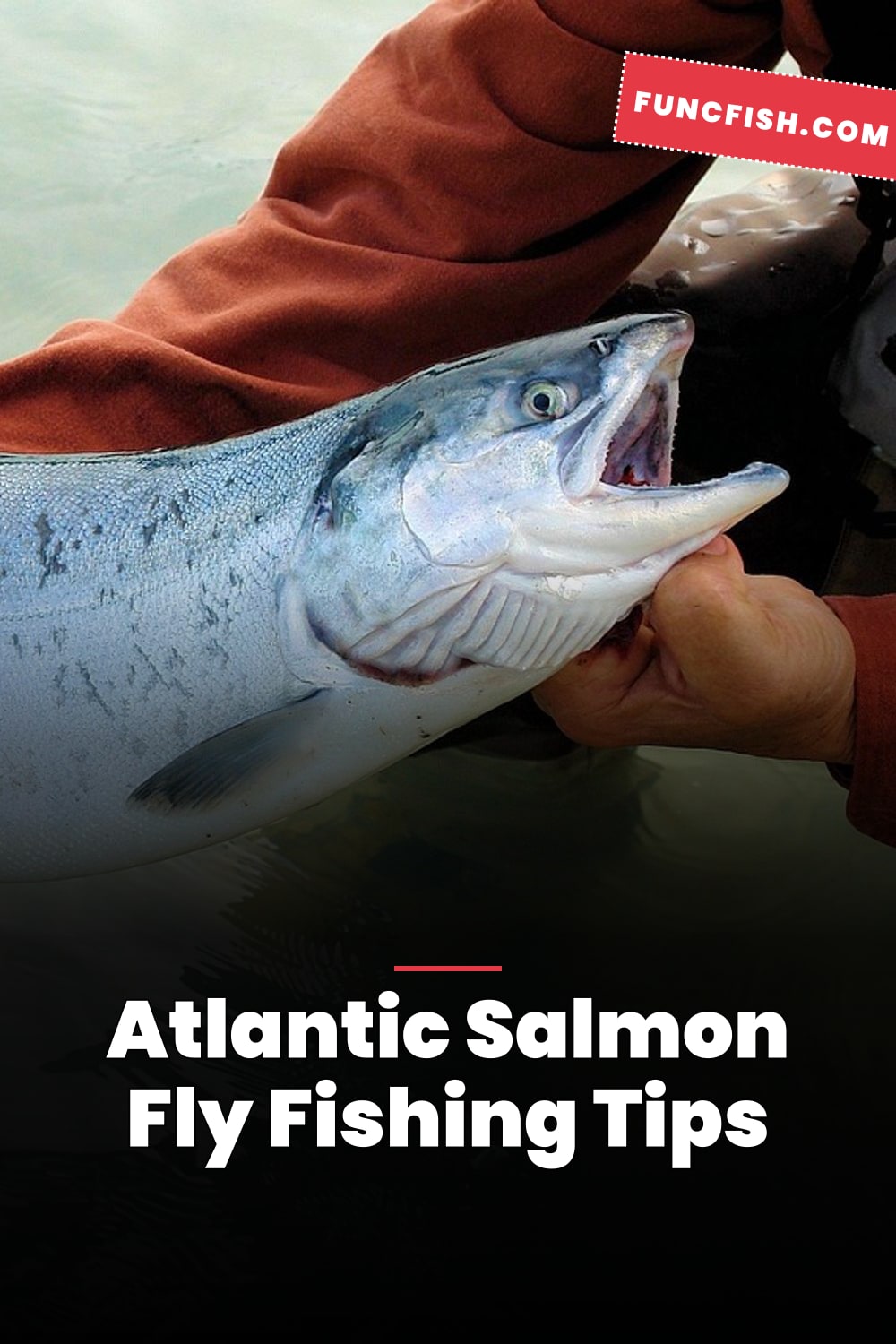
Atlantic salmon is an specific type of fish that live in freshwater environments. Atlantic salmon is not similar to trout in the way that it feeds in the river. However, Atlantic salmon will strike at a fly with great aggression when you present it to them.
In order to catch Atlantic salmon, there are specific details about the water, the equipment, and the fish that you must know in order to be succesful when you go to fish for them. One of the first details about the water that you need to know is the water temperature. The temperature of the water dictate the behavior of the Atlantic salmon.
Essential Tips For Successful Atlantic Salmon Fishing
1. Water Temperature
Atlantic salmon become active and will chase the presented fly if the water temperature is between 42 and 55 degrees Fahrenheit. If the temperature of the water is below 42 degrees, the Atlantic salmon will remain inactive. If the temperature of the water is between 55 and 60 degrees, the Atlantic salmon will become sluggish.
Therefore, you must use a thermometer to measure the water to determine if you should use heavy or light gear when you fish for these fishes. Another detail that you need to know about equipment when fishing for Atlantic salmon is the weight of your fly line. An eight weight fly line is recommended for those who fish for Atlantic salmon.
2. Fly Line Weight
This type of line provides enough strength to turn a large fish in heavy current. A seven weight fly line can be used in smaller rivers but might not have the strength to handle a large Atlantic salmon. A nine weight fly line is useful in rivers that have strong winds but can be fatiguing to use over a long period.
An eight weight line with a long front taper is often the best choice for fishing for Atlantic salmon because it allows the fly to land in a delicate fashion into shallow water. You should learn to cast spey because this type of cast is helpful for Atlantic salmon fishing in rivers with limited space to cast your line. Many rivers have banks that overgrow with bushes so spey will allow you to cast into the water without hitting any of these bushes.
3. Spey Casting
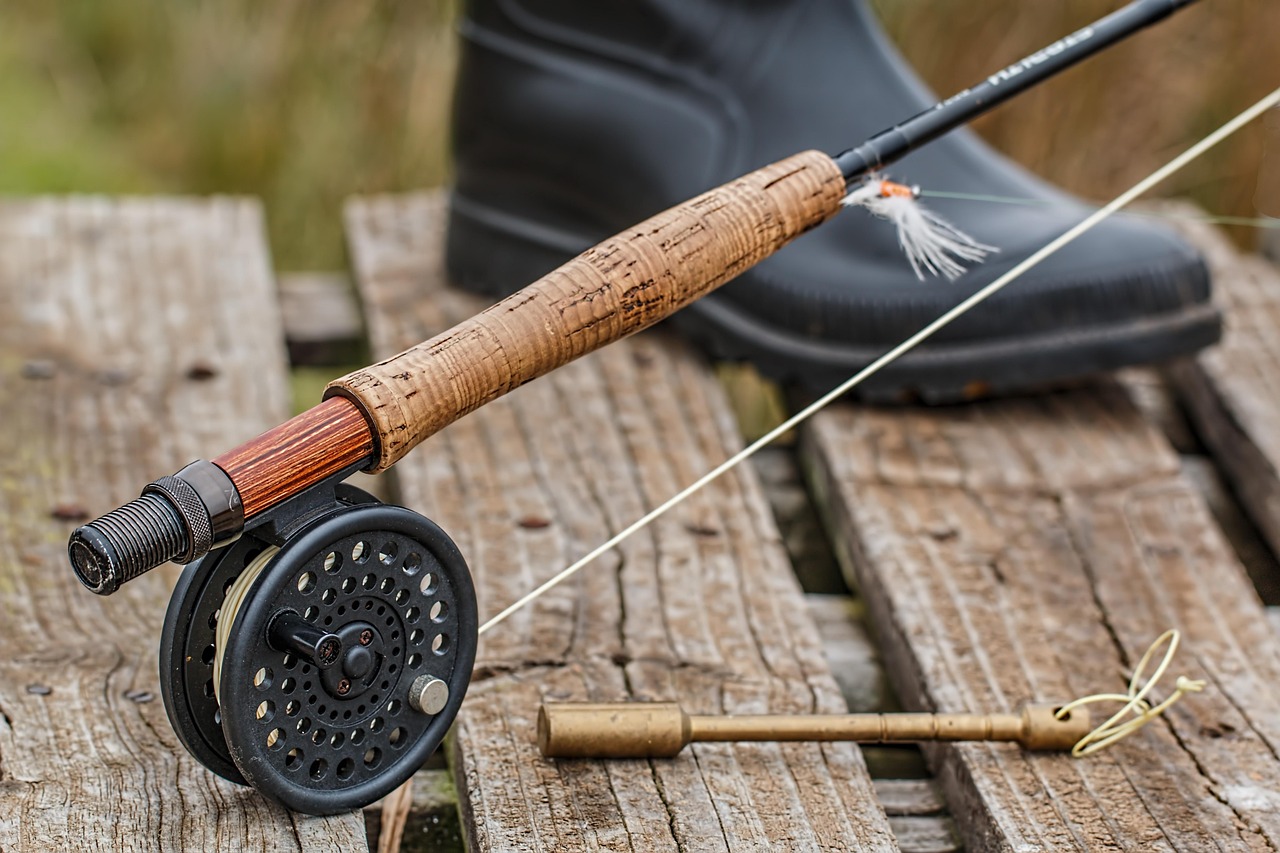
Spey casting will also keep the line in the water longer because it will reduce the number of times that you have to false cast when you are fishing for Atlantic salmon. You must also learn to read the water to find the location of the Atlantic salmon. Instead of looking for the feeding lanes of the Atlantic salmon, look for lies or places where the Atlantic salmon will rest without any effort from the fish.
4. Reading the Water

These lies will often be in locations where two currents of the river meet. For instance, Atlantic salmon will rest in areas where fast-moving water meets slow-moving water, such as where a boulder lies beneath the water’s surface. The Atlantic salmon will lie in the slow water within this seam and point their nose at the direction of the fast-moving water.
Another detail about fishing for Atlantic salmon is knowing the swing of the fly. Because Atlantic salmon will not chase a fly from behind them, the swing of the fly must be such that the fly moves across the field of vision of the fish. The swing should be smooth and even from the time that the fly hits the water until it is hanging beneath you.
5. Fly Swing
A slow swing might cause the Atlantic salmon to take the fly but with too slow a swing the fish may not be able to react proper. On the other hand, a too fast of a swing will cause the fly to skate across the water’s surface rather than land on the water. A smooth and even swing will allow the Atlantic salmon to properly decide whether or not they would like to take the fly.
Another skill that is required when fishing for Atlantic salmon is being able to detect a strike. The strike that the Atlantic salmon makes on the fly might be subtle as they may take the fly with their mouths closed. Any change in the tension of the line is a signal to set the hook.
6. Detecting a Strike
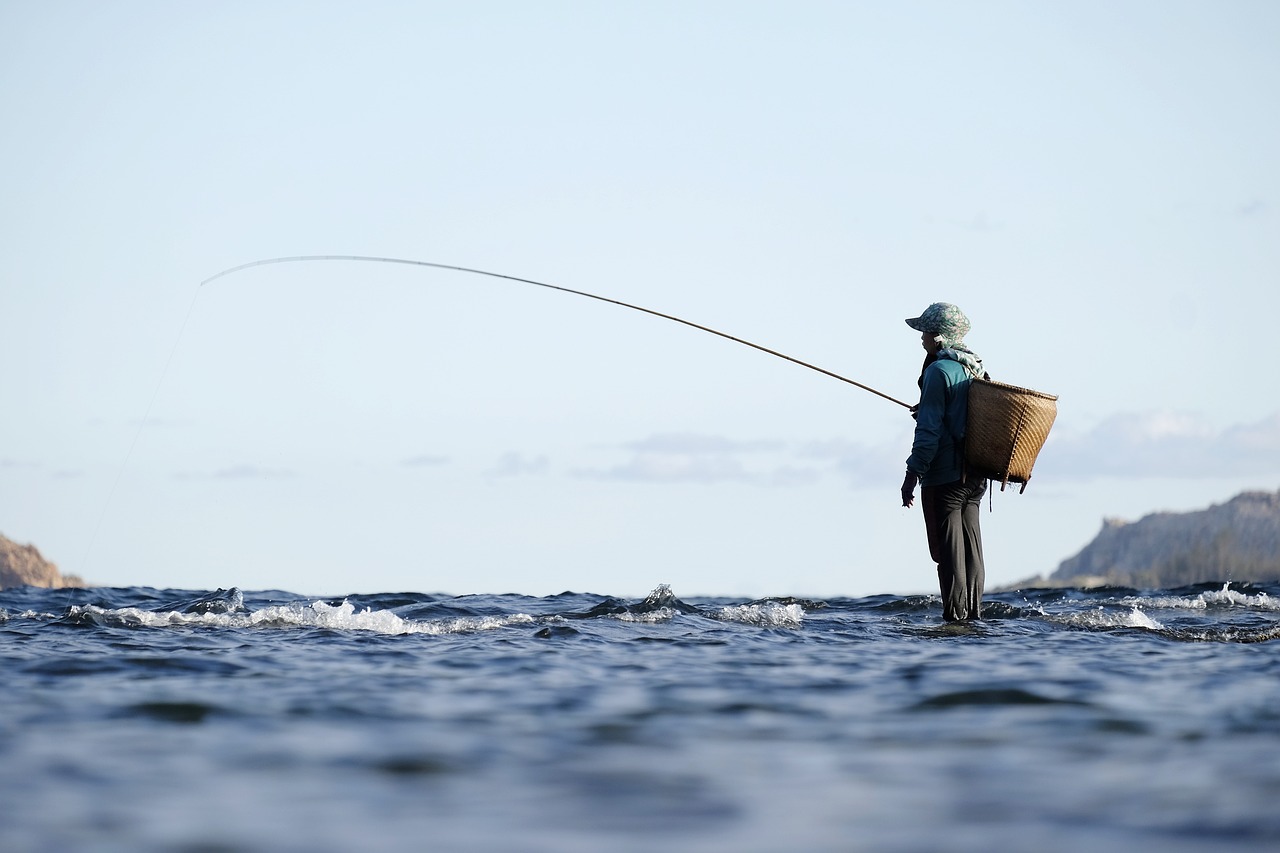
A gentle lift of the tip of your rod will allow the fish to take the line without injuring it due to the bony nature of the mouth of Atlantic salmon. Another important skill when fishing for Atlantic salmon is having the proper knowledge about the type of fly that you should use. However, you dont need to use a variety of different flies.
7. Fly Selection
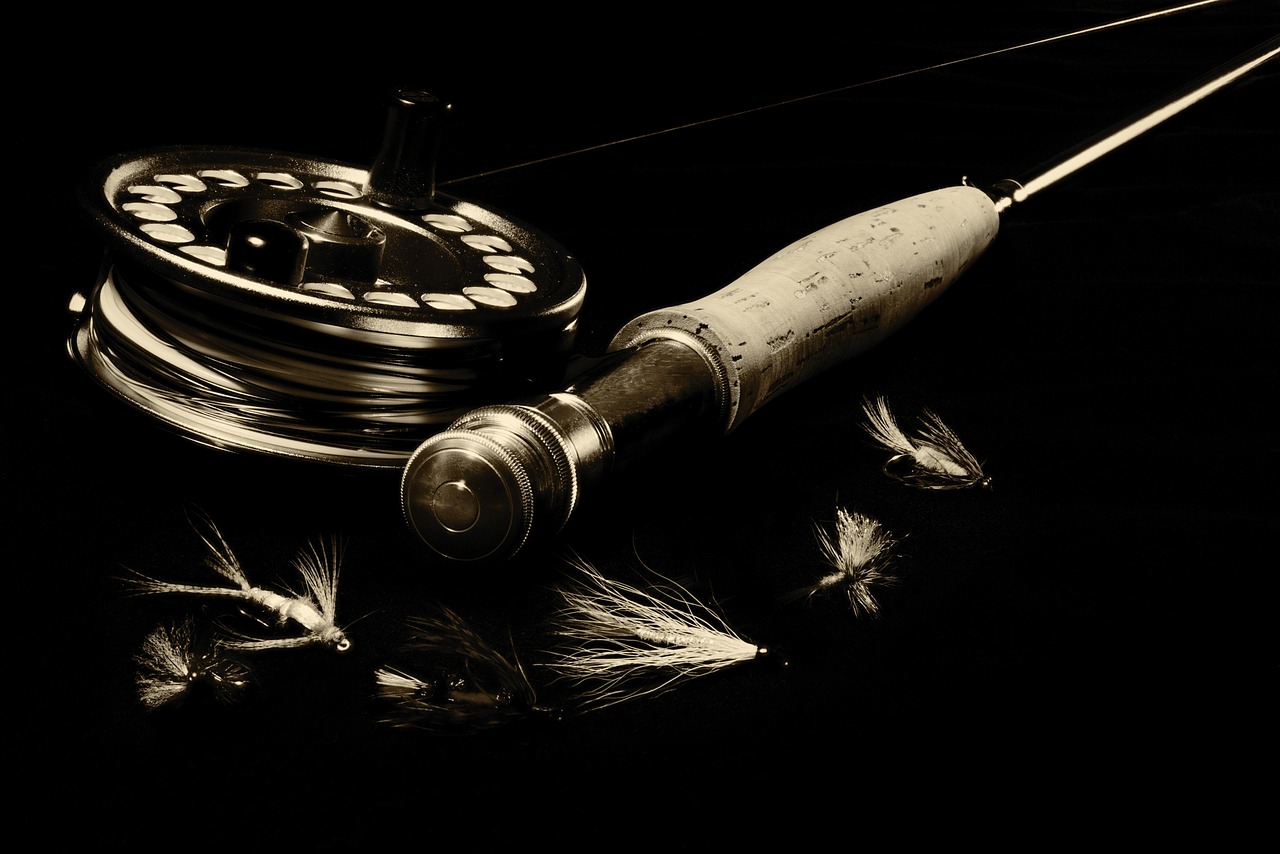
Instead, you can use a few that have different weights and depths. In clear water with low water levels use smaller sized flies such as size 10 or 12. In dirty water with a high water level use heavy tungsten cone flies that will allow them to quickly descend to the bottom.
The silhouette of the fly is more important than the color of the flies. When fighting an Atlantic salmon you will not use brute strength. Instead, use your reel to fight the fish.
8. Fighting the Fish
Set your drag so that the Atlantic salmon can take the line but dont set it so loosely that there is slack line on the reel. Should the Atlantic salmon jump out of the water, drop the tip of your rod to avoid damaging your leader. When fighting an Atlantic salmon, walk with the fish when it begins to run downstream due to the increased strength of the fish given the downstream current.
9. Landing and Photographing the Fish
In order to successfully land the Atlantic salmon use a long-handed net with a deep bag. Approach the Atlantic salmon from the downstream direction to allow the current to push the fish into your net. Try to keep the Atlantic salmon in the water due to the ability of the fish to become stressed out of too much exposure to the air.
If you wish to take a photograph of the fish support the belly of the fish using wet hands and ensure that the head of the fish remains upstream so that the gills of the fish remain wet.