
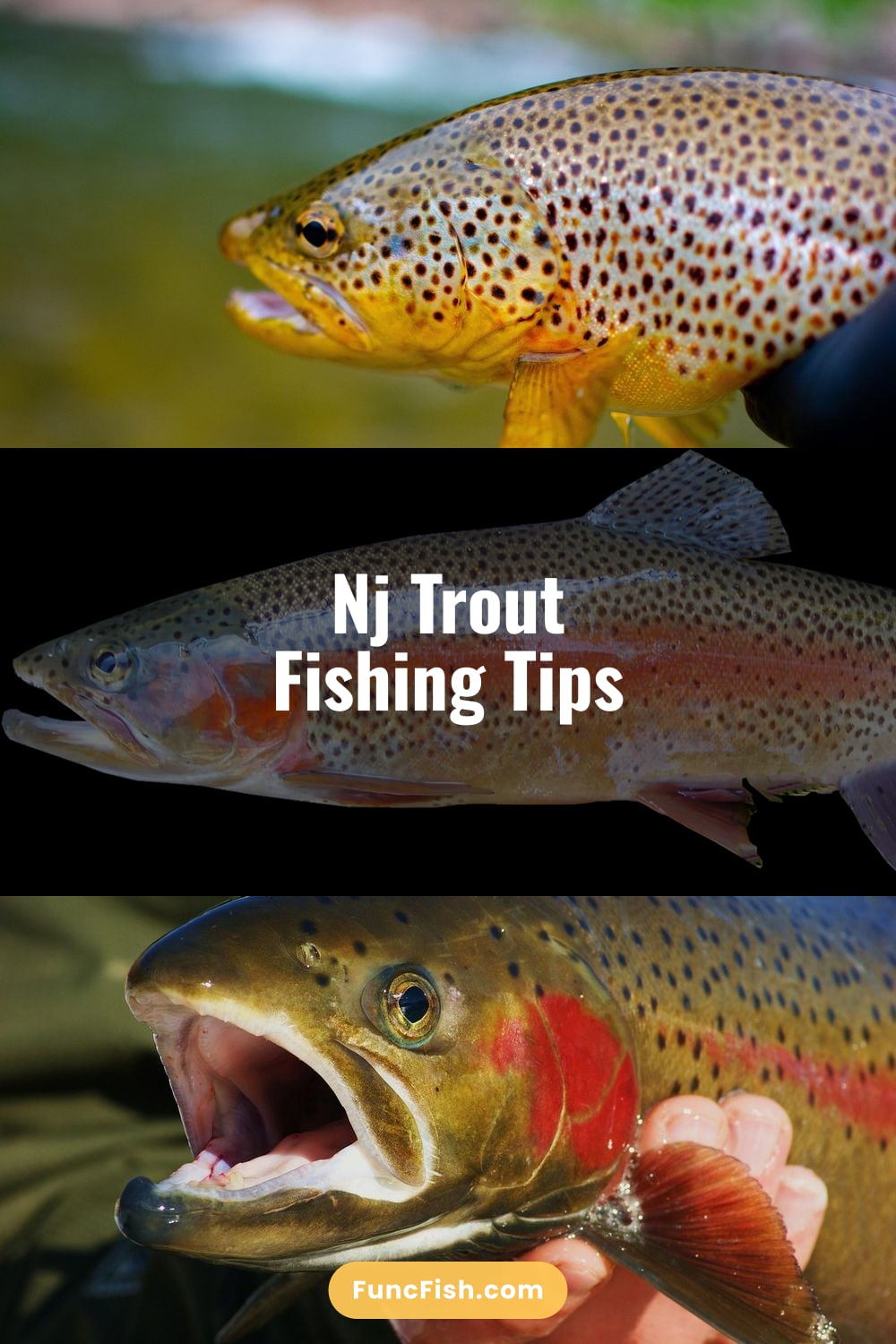
New Jersey has many different type of water in which to fish for trout. Furthermore, there are different types of fish that can be found in these waters. For instance, in the limestone stream in the northwest portion of the state, trout can be found.
Additionally, trout can also be found in the spring-fed trout run along the Musconetcong River. Some of the fish in the state are stocked fish, while other fish in New Jersey are wild trout. Stocked trout tend to be more easier to catch then wild trout.
This is due to the fact that people place stocked trout into these waters, while wild trout live in their natural habitats within the state. There are three main category of trout water in which anglers can fish within New Jersey. The first category of trout water include stocked put-and-take waters.
Essential Tips For New Jersey Trout Fishing
1. Stocked Put and Take Waters
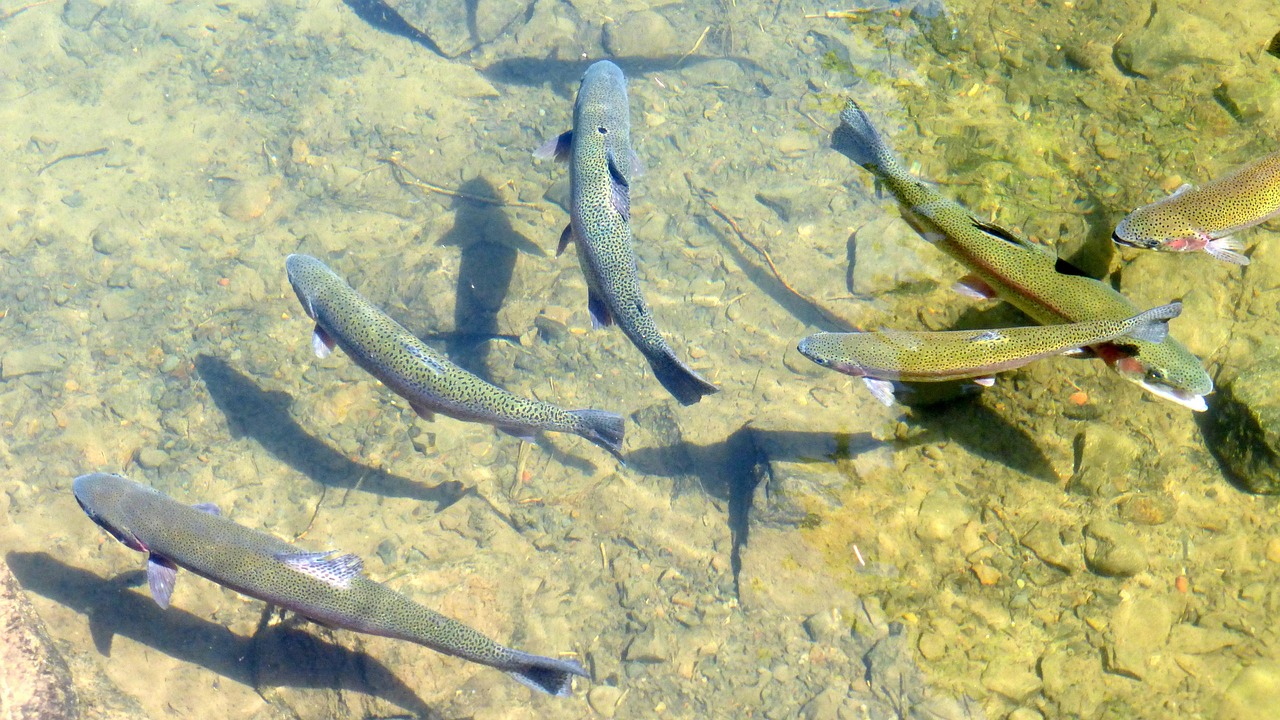
Put-and-take waters tend to be easier to access than other waters in the state, and they often contain high number of trout. However, the trout that live in these waters do not often grow to large size. The second main category of trout water includes delayed-harvest waters.
2. Delayed Harvest Waters
The state protects trout in these waters during the spring and summer months. During these periods, the trout are permitted to grow to large sizes. Consequently, the trout fight at the anglers and exhibit cautious behavior.
The third main category of trout water includes wild trout streams.
3. Wild Trout Streams
These streams tend to be smaller than other streams in the state, and they are typically colder in temperature. Consequently, the anglers have to exhibit more stealthly when fishing in these streams.
Additionally, the wild trout that live in these streams tend to be smaller than stocked trout. However, the trout are considered to be more rewarding to catch than stocked trout. It is important for every angler to choose the correct type of fishing rod and fishing line for the type of water in which they are fishing for trout.
4. Choosing the Right Fishing Rod
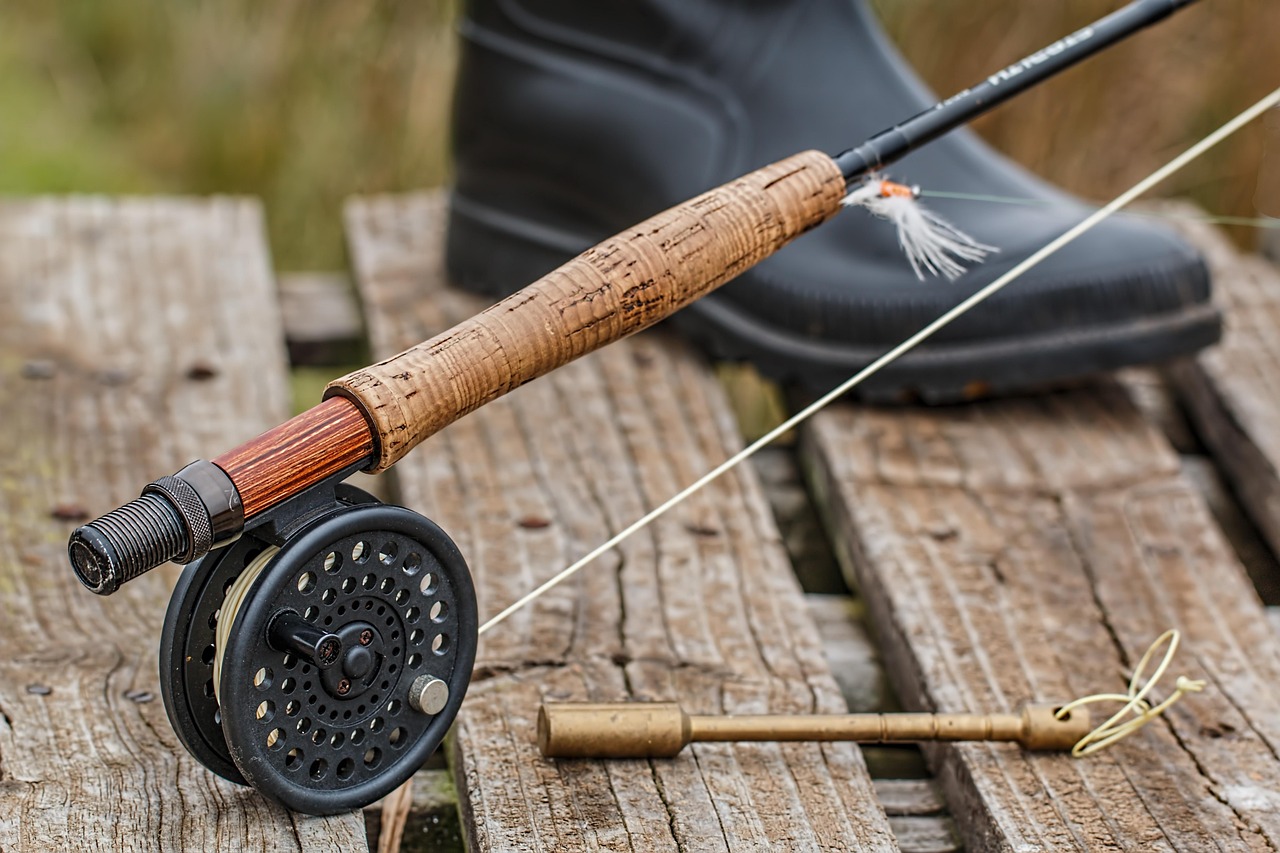
For instance, nine-foot five-weight rods are the most common fishing rods for anglers in New Jersey. This type of rod can handle dry flies and small streamer. However, anglers use seven-foot three-weight rods for small, brushy creeks.
This type of fishing rod allow anglers to cast their line under the branches of the trees. Additionally, anglers should also consider their choice of tippet. If the anglers use a light tippet, they can present a small fly to the trout more naturaly.
5. Selecting Effective Flies
The type of flies that anglers should use when fishing for trout should be based off the type of food that the trout are eating. For instance, if the trout is not eating attractor flies, anglers can use flies like the Royal Wulff or the Elk Hair Caddis to search for the trout. If the trout refuse to eat these attractor dry flies, a parachute Adams or an comparadun should be used.
Additionally, if anglers are using nymphs, beadhead pheasant tail or hare’s ears should be used. Additionally, a copper John or a zebra midge can be used as droppers to the nymphs. Anglers do not need to own every type of fly, but they should learn to use the different type of flies that they own.
6. Reading the Water
It is also important for anglers to learn how to read the water in which they are fishing. For instance, trout tend to live in areas where the water break against rocks. Additionally, trout can be found in areas where the currents in the water seam.
Trout also like to live in the shaded portion of the banks of the streams. Anglers often think that deep waters in a stream contain the most trout. However, the best trout can be found in shallow areas where the water is broken up.
Additionally, trout like to live in the soft pockets along boulders or in areas where two currents meets. Consequently, anglers should fish these areas of the stream. Anglers should also consider the time of year in which they go into the streams in New Jersey to fish.
7. Seasonal Timing and Temperature
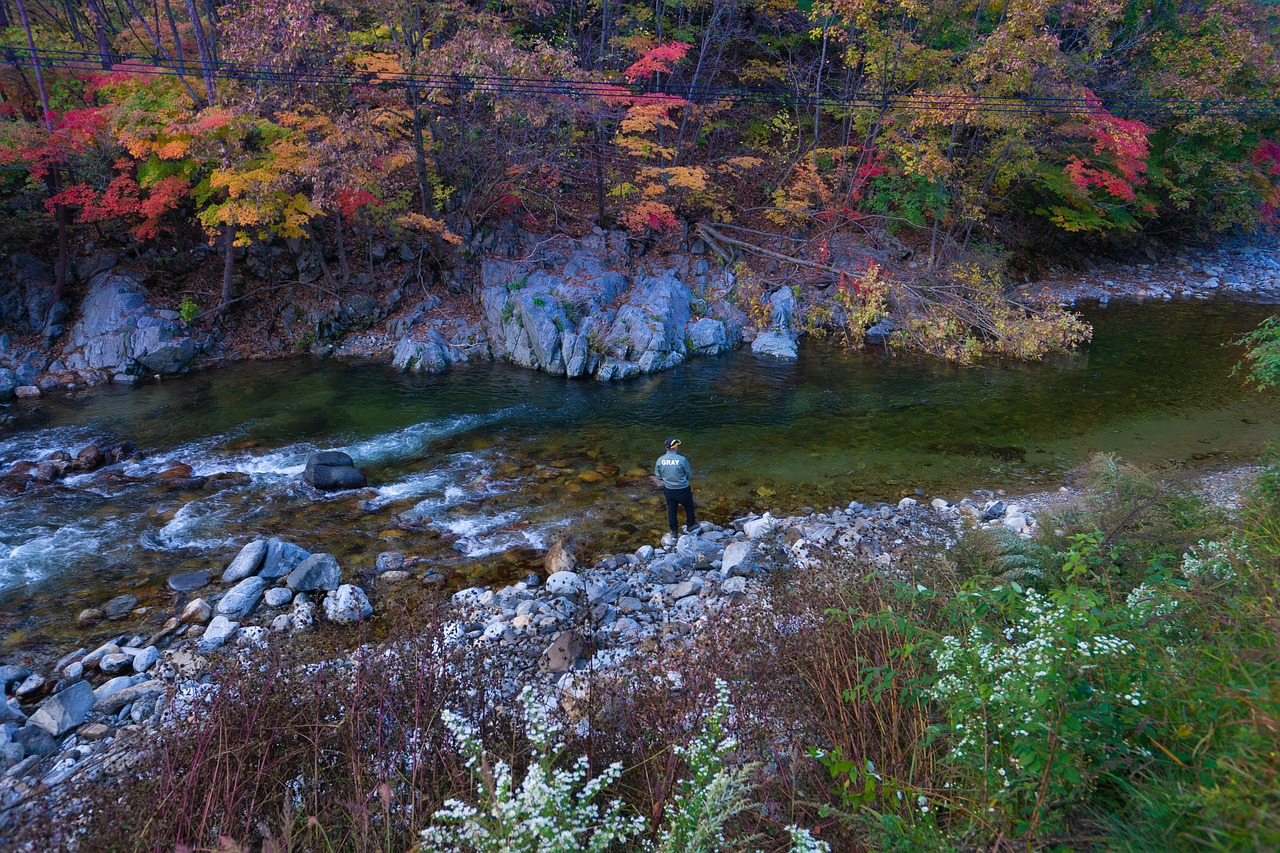
For instance, spring and fall are the most active season for trout. However, during the summer, anglers should seek out areas where groundwater flow into the streams. These areas will maintain a lower water temperature.
If the temperature of the water is in the low fifties, trout will eat small insect like midges. During the late fall, trout will seek out larger meal. Consequently, streamers or woolly bugs should be used during this time of year.
8. Stream Safety and Wading
Anglers should also consider their safety when they are on the banks of the streams where they are fishing. It is possible for the streams in New Jersey to rapidly rise in relation to the amount of rainfall in the area. Additionally, the stream bed can become very slippery when wet.
Consequently, you should wear felt soles or studs on your boot. Additionally, if fishing areas along a large river, anglers should carry a wading staff. Additionally, anglers should unclip their lanyard prior to wading across deep water.
If anglers cannot see the bottom of the stream, the water may be deeper than it appear. Consequently, anglers should not attempt to wade into deep waters.
9. Stealth and Presentation
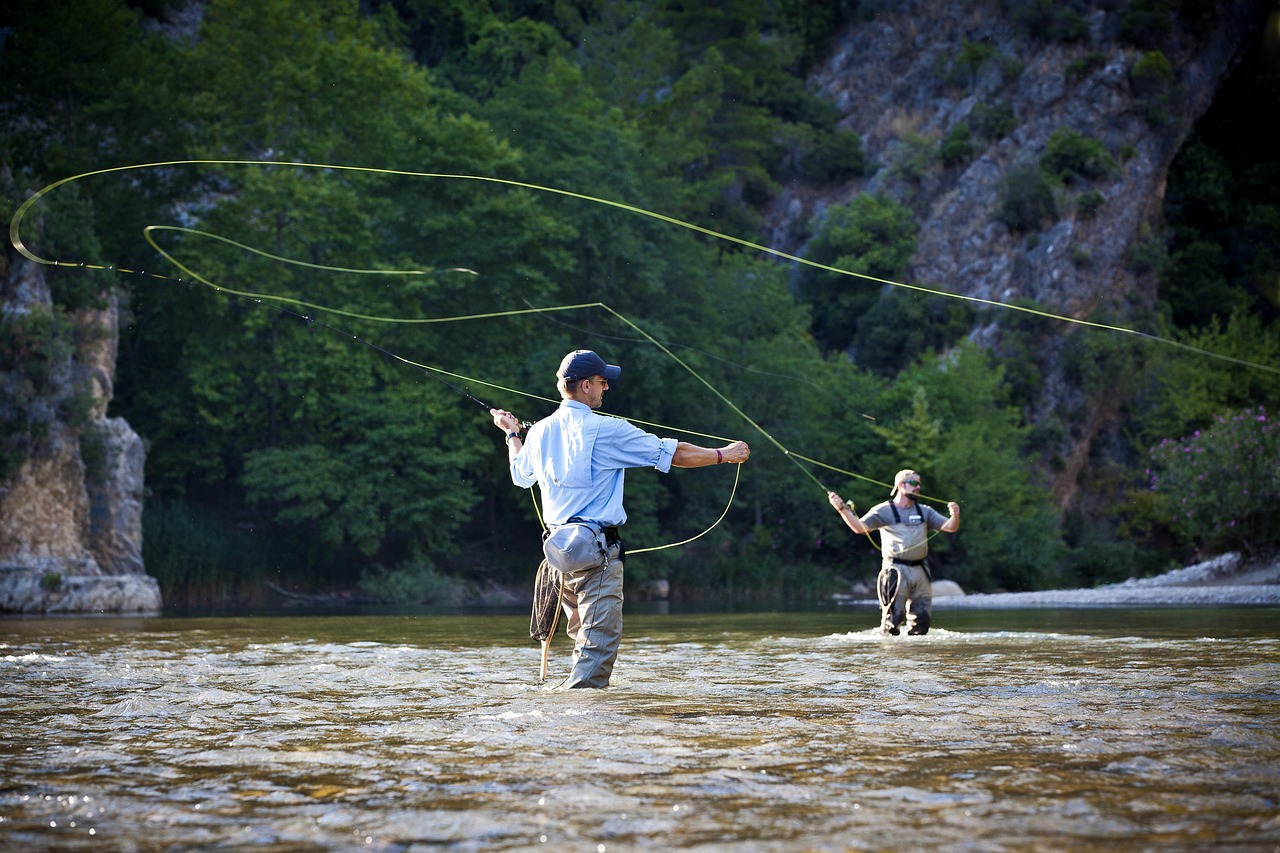
Stealth when fishing for trout is a necessity. Trout will associate the shape of a human with danger to the fish. Consequently, anglers should wear colors that are drab in appearance. Anglers should also not perform false cast over the waters where the trout are fishing.
Such actions will scare the trout away. Additionally, anglers should move slow from one spot to another. Any quick movements will alert the trout of your presence.
10. Proper Trout Handling
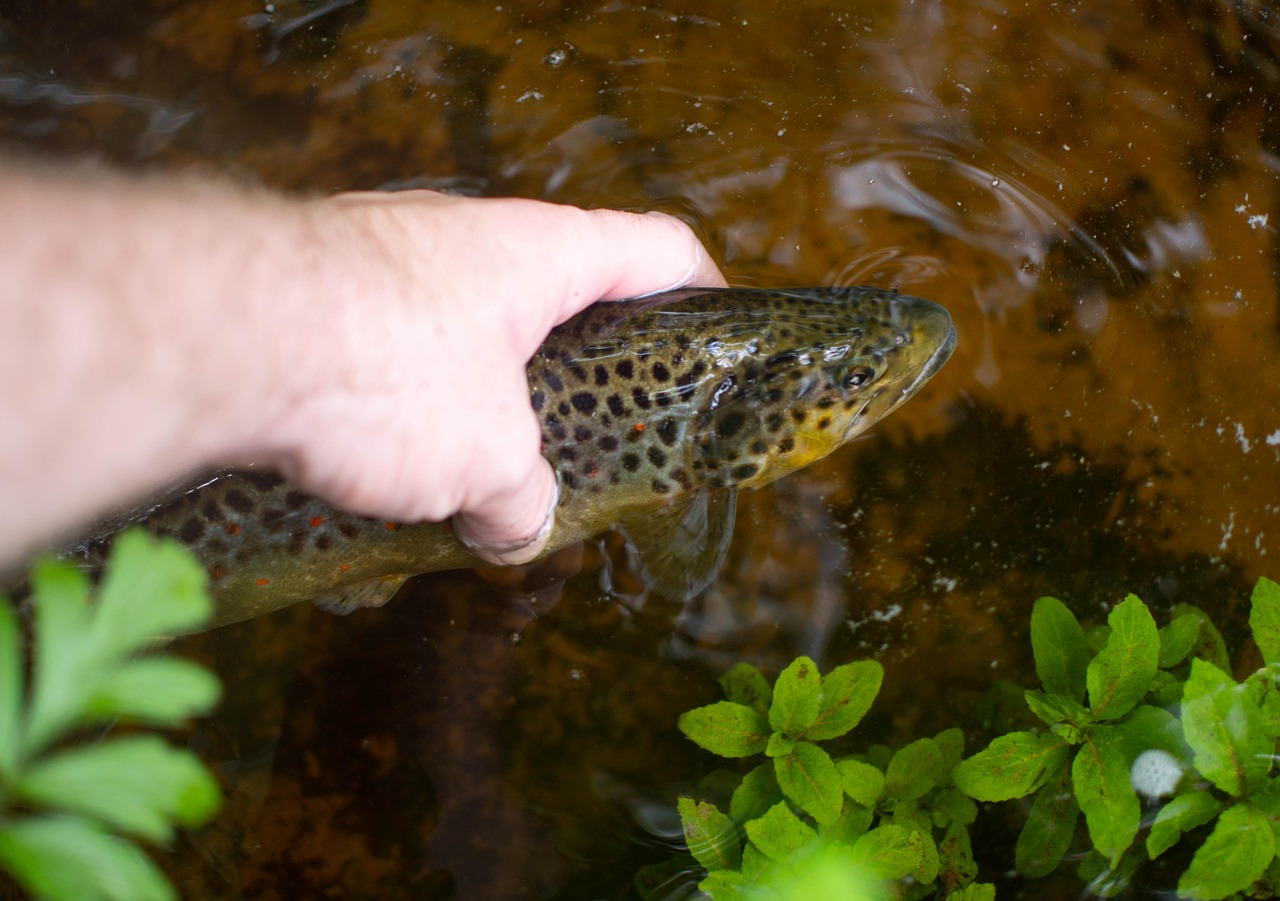
Anglers must know how to properly handle the trout that they catch. Anglers should use barbless hooks to minimize the harm on the trout. Additionally, anglers should wet their hands before they handle the trout.
Wet hands will not damage the trouts scale. Anglers should always support the trout in the current of the stream. Never lifting the trout out of the water.
Holding the trout out of the water for more than ten second will result in the fish dying. Finally, anglers should follow the fishing regulation that have been established in the state of New Jersey for trout. Anglers should follow the slot limit for trout to ensure that the population remains healthy.
Additionally, anglers should leave space between themselves and other anglers so that they do not interrupt others fishing activities in the streams. By following these regulations and showing respect for the trout and their homes in New Jersey, the trout populations in the state will remain healthy for all of the resident of New Jersey.