
Surf fishing in Myrtle Beach offers anglers a particular combination of ease of access and challenge. Standing on the beach, where the Atlantic Ocean meets the sand, most angler can stand with a fishing rod in their hand. In contrast, many people standing on the pier above these anglers will be attempting to catch slot redfish from the railings of the pier.
The fish dont consider your vacation schedule when they move, but instead move in accordance with the tide schedules, the movement of bait pods in the ocean, and the changing of the ocean’s clarity along the Grand Strand of South Carolina. By understanding a few specific details about the surf life in Myrtle Beach, anglers can find success in filling their cooler with fresh pompano, whiting, and king mackerel. Conversely, if the anglers ignore those specific details, they will likely spend their vacation feeding bait to crabs instead of target fish.
The beach itself at Myrtle Beach may appear simple to the vacationers who visit the area from the boardwalk, but each beach contains its own specific characteristics that can define where the fish can be located. For instance, some beaches may allow anglers to find the troughs where the fish live with a short cast, while other beaches may require anglers to go beyond the second sandbar to find where the fish live. Other days, the location of the troughs may require anglers to use a long fishing rod with heavy sinkers to reach the fish.
To find these fish, those who find the most success understand these environmental factors that contribute to finding the most fish. The list of the best methods for catching fish along the beaches at Myrtle Beach will be presented in the order of importance with which the anglers should follow there feet on the wet sand. Anglers should begin their fishing efforts along the beaches of Myrtle Beach by taking a few minutes to read the water.
Best Methods For Surf Fishing In Myrtle Beach
1. Read the Water

Anglers should take a few minutes to scan the beach for the dark green pockets of water that are found beyond the waves that break on the beach. These dark green pockets of water are the troughs in which the baitfish live. An additional five minutes of scanning the beach at low tide will reveal the location of the sandbars and sloughs in which the fish will live.
2. Scan for Troughs and Sloughs
If the water is clear, the anglers should expect to find pompano and whiting. If the water is murky due to a northeast wind, anglers should target drum or sharks in these waters. Ten minutes of walking along the beach with a focus on reading the water will allow anglers to decide whether they will use light tackle to fish for whiting, or if they will use heavy tackle to target bull redfish.
3. Select Appropriate Tackle Based on Water Clarity
Many individuals who are new to fishing along these beaches will find themselfs ignoring these first ten minutes of reading the water, leading to their fishless fishing trips. Anglers can expect specific techniques to be used to cast their lines to where the fish live along the beaches of Myrtle Beach.
4. Use a Long Medium Heavy Rod
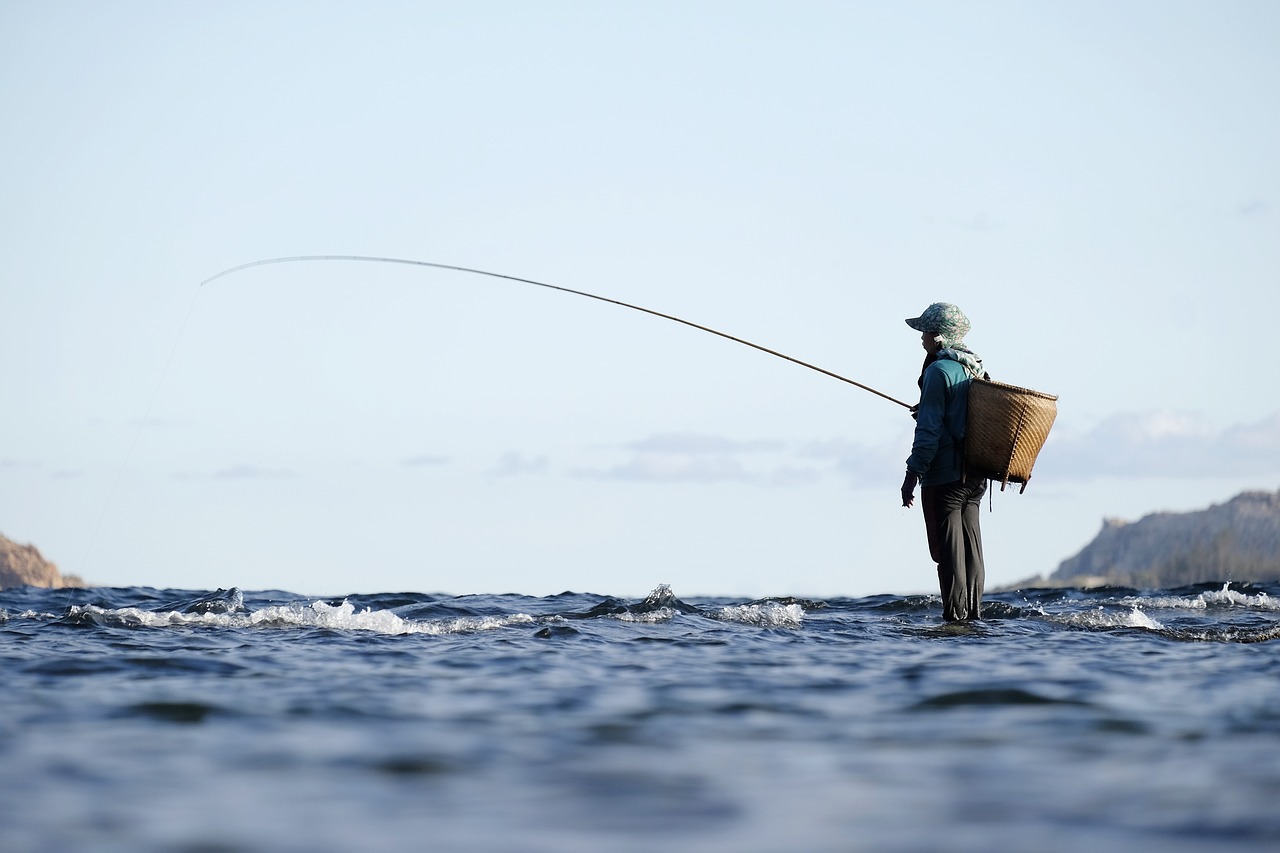
The appropriate rod to use is a medium-heavy fishing rod that measures 10 or 11 feet in length. The length of the rod allows anglers to successfully launch a two ounce pyramid sinker beyond the breaking waves on the beach.
5. Equip with a Spinning Reel and Braided Line
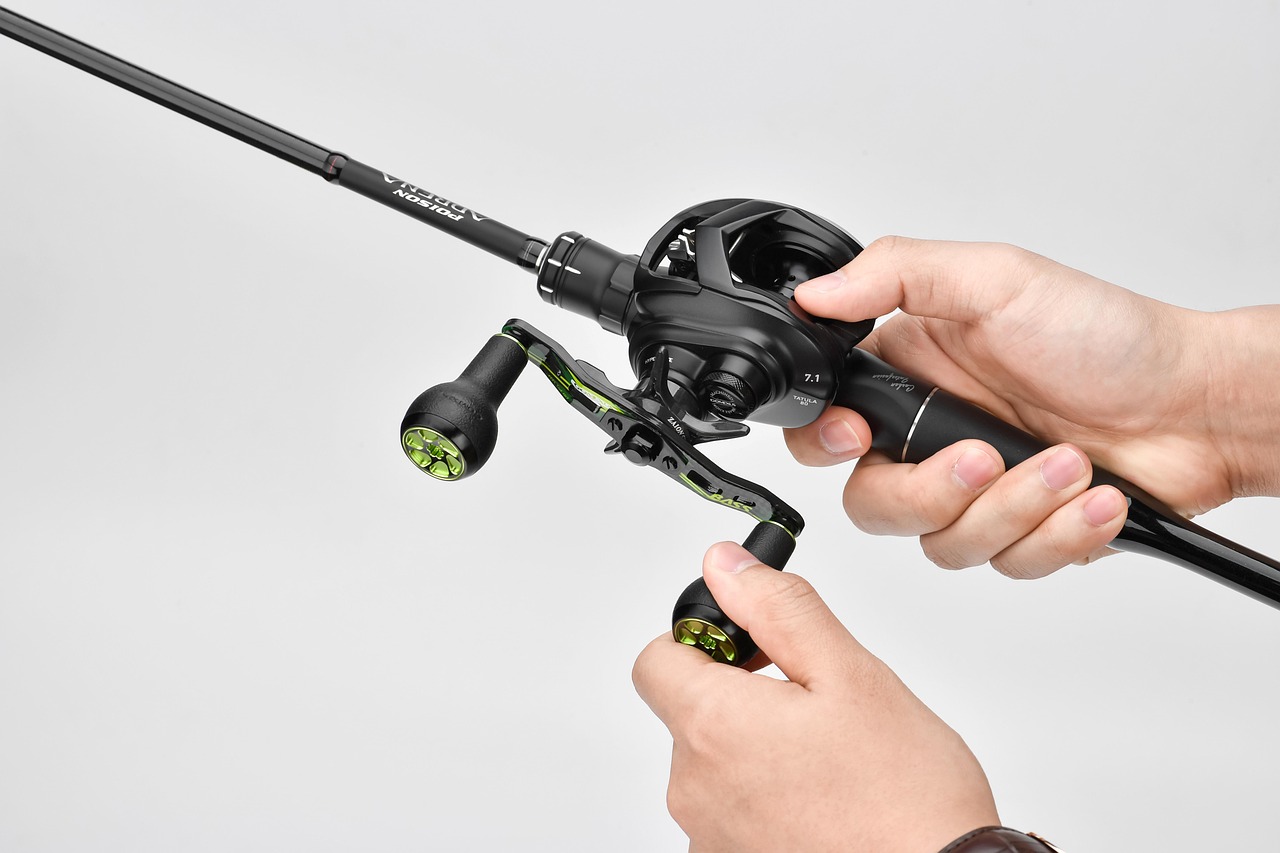
The reel that is recommended to accompany this rod is a spinning reel that contains at least 250 yards of 20-pound braided fishing line. Braided fishing line allows anglers to feel taps from pompano fish with the lighter gauge of the line.
Anglers that use monofilament line will feel the need to switch to braided line once they experience the benefits of using braided line. In addition to the longer rod, anglers can also use a second rod that is only seven feet in length and will be rigged with a float and shrimp for fishing the wash areas where whiting live at high tide. Using two rods allows anglers to fish both the outer bar areas of the beach and the inside gutter of the beach at the same time.
6. Utilize Effective Baits
The type of bait that is used when fishing along the beaches in Myrtle Beach will likely impact an angler’s success along these beaches. Fresh shrimp heads have been known to successfully attract pompano fish. Other types of bait that may work in attracting bluefish and Spanish mackerel include cut mullet or cut menhaden.
In cases where the fish are not biting at the bait that is used, sand fleas that are dug from the beach will attract the fish. The local fish in the area have a recognized scent for sand fleas. Additionally, frozen bait blocks that are available in convenience stores will work to attract the fish, but the bait may not remain on the fishing hook after the first wave hits the bait block.
7. Rig Your Line with a Carolina Rig
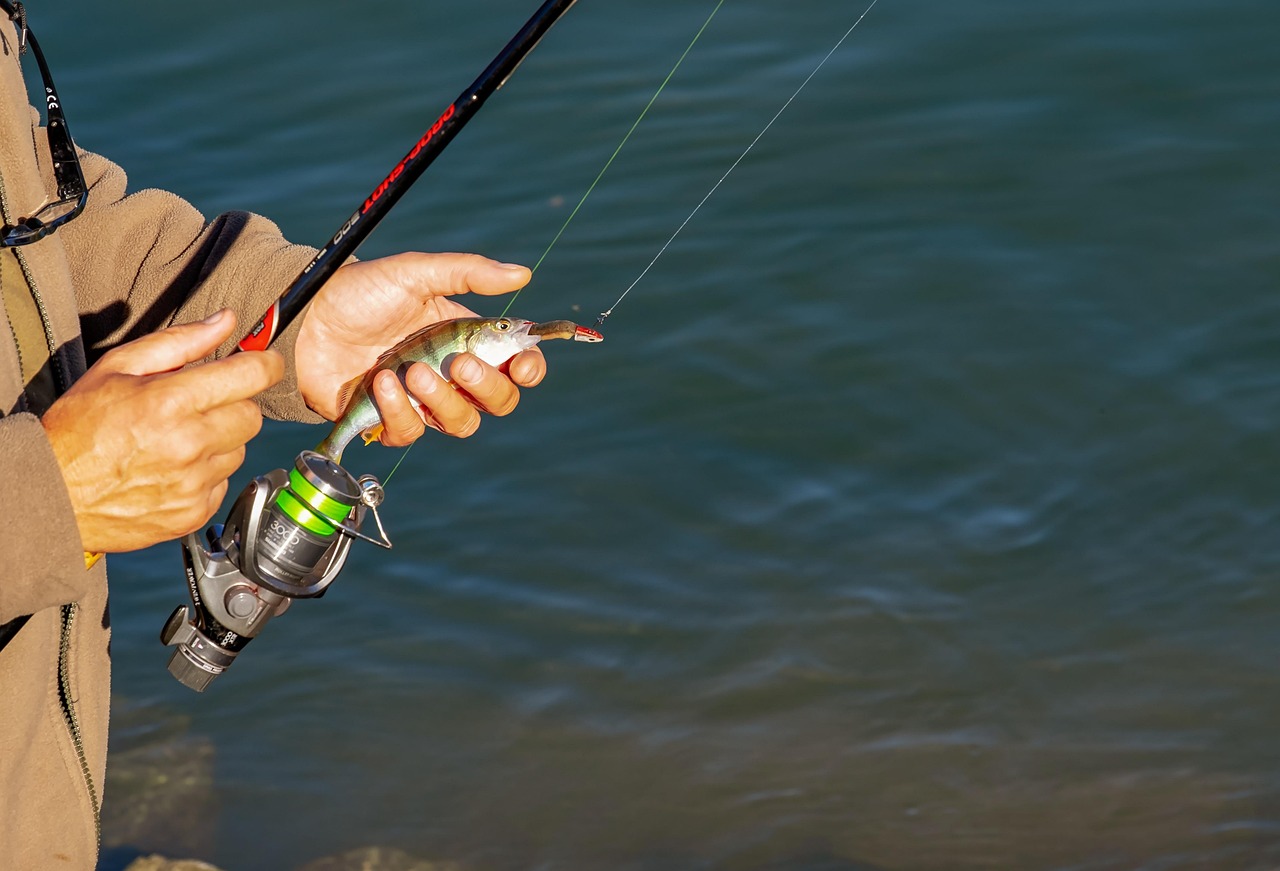
To avoid the need to re-baiting the hooks, anglers should keep a bait knife and cutting board to prepare the bait before fishing. The specific way in which the bait is rigged will depend off the current of the ocean and the ocean floor below the beach. The most common type of rig is known as a Carolina rig, which consists of a 2-ounce pyramid sinker, 24 inches of 30-pound fluorocarbon fishing line, and a size 2 circle hook.
The circle hook ensures that the fish are not gut-hooked when they are caught, which is important for anglers who wish to practice the practice of releasing the fish back into the ocean. In areas where the surf zone is heavier, or where anglers target red drum with larger bodies, an alternative type of rig is the fish-finder rig. The fish-finder rig uses a sliding sleeve that allows the larger fish like drum to pick up the bait without feeling the weight of the sinker.
This small delay in the drum’s recognition of the bait allows the angler to hook the fish on the body rather than the head.
8. Time Your Fishing with the Tides
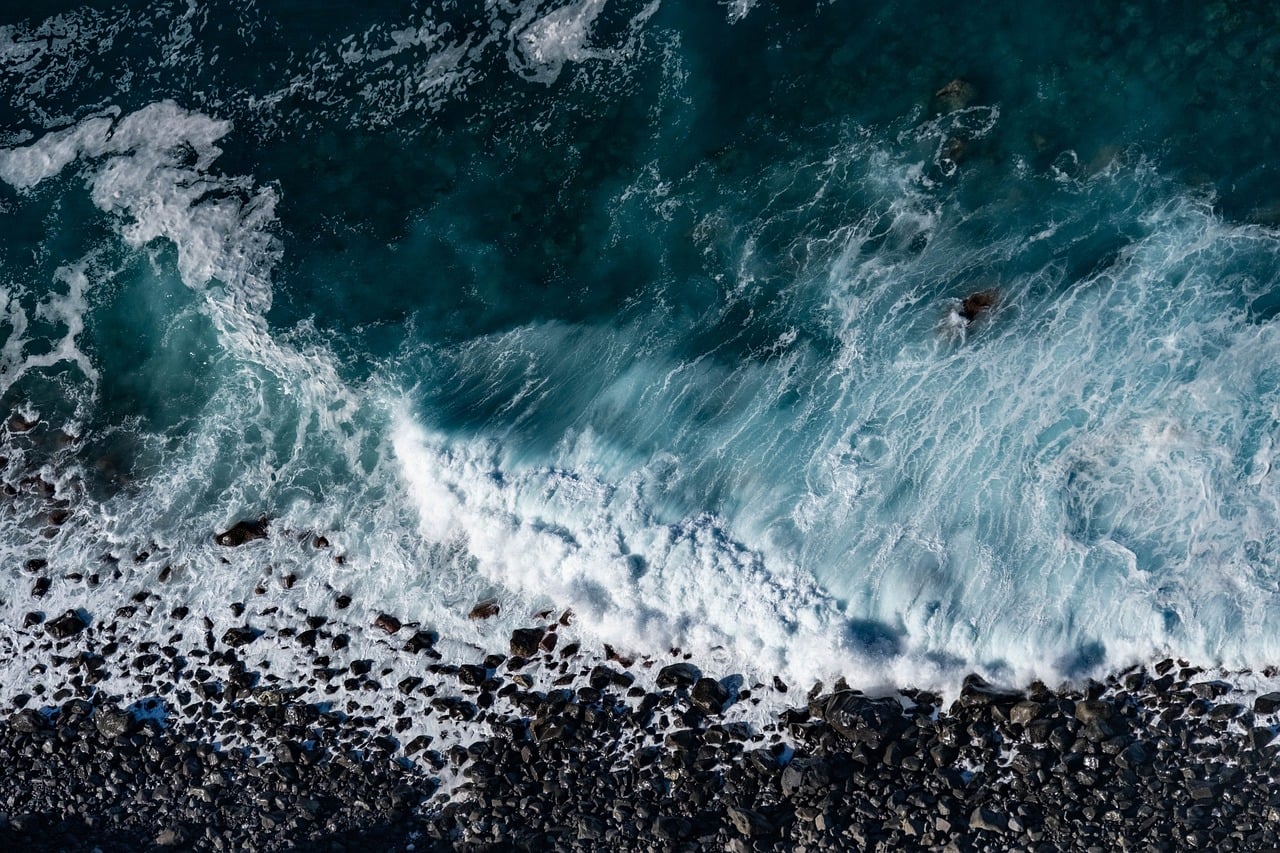
The best time of day to fish along these beaches is during the two hours on either side of low tide. During these times, the sandbars on the beach are exposed, allowing anglers to view where the fish live along the beach.
Additionally, high tide brings the fish to the shore where they can be caught with an underhand cast. The local anglers prefer to fish during the outgoing tide, as this tide pulls the bait off of the flats where the fish live, and forces the fish to move into the deeper troughs. Anglers should refer to the tide chart to determine when these fishing times will occur.
Additionally, the other angler who is fishing from two umbrellas away from you may be a better indicator of the changing tide due to the influence of the wind over the fishing spots.
9. Master Sidearm Casting Techniques
The fishing techniques that anglers use will impact their ability to land fish on the beach. Anglers should use a sidearm casting technique to fish these beaches.
Anglers should keep their rod tip low to avoid the wind, as well as to avoid the line from becoming ballooned in the air above the water. Anglers should let the fishing bait fall into the water, close the bail on the fishing rod, and reel in enough to take up the slack in the line. Anglers should then wait.
Anglers who are impatient will find themselfs losing the most fish along the beaches in Myrtle Beach. Anglers should set the fishing rod into a spike in the sand, ensure that the fishing line remains tight to the rod, and watch the tip of the fishing rod. Pompano fish will bite on the fishing line in three quick taps on the tip of the fishing rod.
Anglers should only set the hook on the third tap of the fish; if they follow this technique, they will catch at least one fish.
10. Land Fish Using Incoming Waves
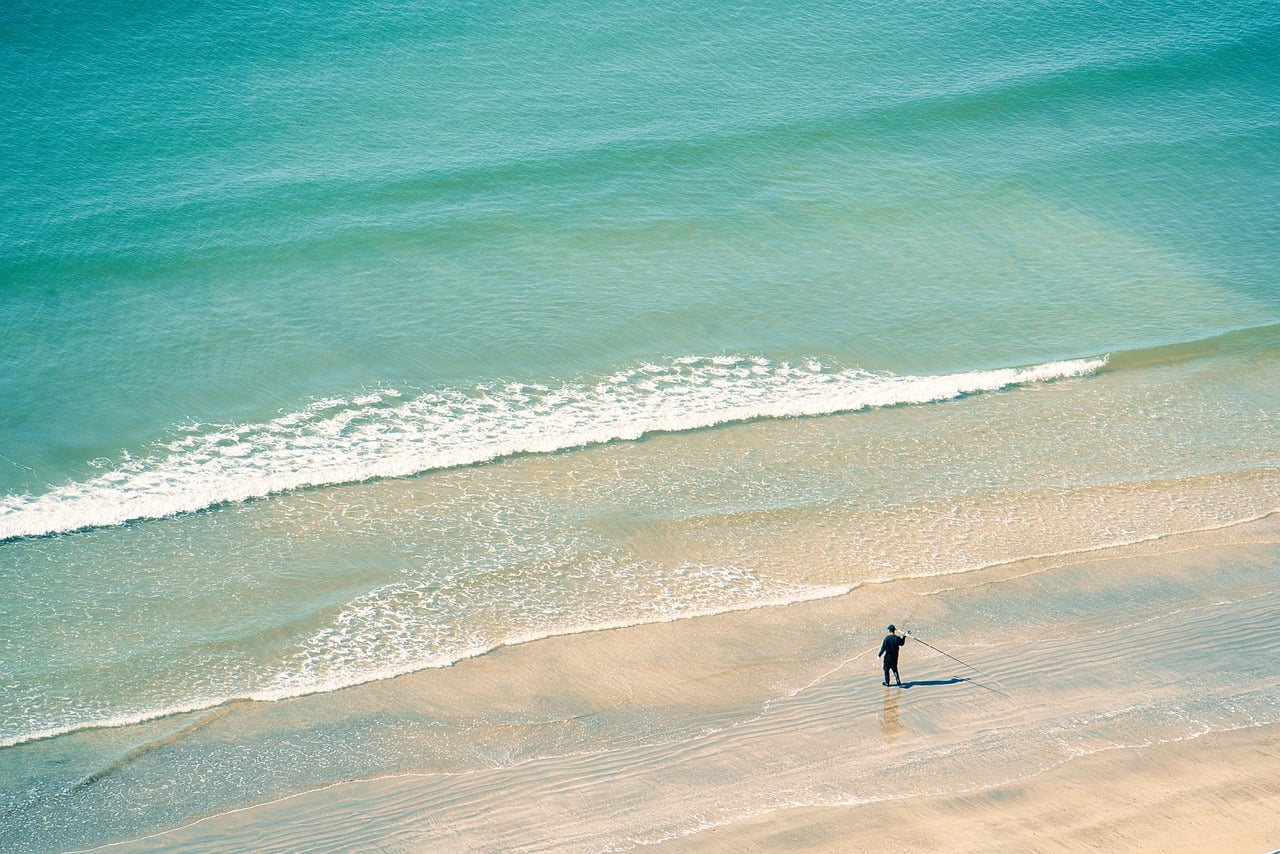
Fish can be landed along the beach by employing different techniques than when landing fish in the interior waters of a lake. Anglers should let the incoming waves assist in the catching and landing of their fish.
As the fish begin to tire from the constant fighting with the fishing line, anglers should wait for the next wave to push the fish up the beach. When the fish are on the beach, anglers should reel in the fish quickly while they back away from the fish. Anglers should never attempt to pull the fish through a breaking wave on the beach.
Such efforts may result in snapping the fishing leaders. For larger fish species like black drum or sharks, the fishing rod should be kept high, and the surf should do the fishing. A large landing net will assist anglers in landing these large species.
However, experienced anglers will simply drag the fish up the beach on the wash, and will catch the fish behind the gills of the fish after removing it from the water. Anglers should respect the beach and the individuals that fish on that beach. Anglers should remove all pieces of fishing line and bait packaging from the beach after fishing.
Anglers should provide the beachgoers a wide area of space on the beach. Additionally, if a red flag is flying on the beach, anglers should know that the beach guards have some other reason for raising the red flag. Early mornings and late evenings in the beach areas will have the least amount of other beachgoers.
Additionally, these times of day will allow anglers to catch the fish that live on the beach. During the peak summer days, all individuals on the beach belong to everyone who visits. Thus, individuals should either change their fishing schedules or their expectations of the fish that will be caught on the beach.
Finally, one last truth about surf fishing exists at the center of each of these beaches in Myrtle Beach. The fish dont owe the anglers anything. Some days anglers will find the pompano very thick and abundant in the areas where they cast their lines.
Other days, the ocean at the beach will appear to be empty of fish regardless of the efforts of the anglers. Anglers that find the most success along these beaches are the anglers that are flexible in their fishing efforts. Anglers can change their types of bait, their location on the beach, or even the area where they fish.
The anglers who catch the most fish are those who treat the beach as a conversation with the ocean rather than those who treat the beach as if it is a vending machine for fish. These tips regarding the best way to fish the beaches of Myrtle Beach should be taken by every aspiring fisherman. Load the truck before the sun rises over the ocean, walk out onto the beach with your fishing rod, and keep your eyes open for the activity of the fish.
The Atlantic Ocean will roll in long after your vacation. By knowing a few of these tips and having a willingness to read the oceans waters, anglers will find success in fishing for many fish. When they first feel the fish hook on the line at sunrise, anglers will know that all of the preparation that they made will have been worth the effort.