
Carp is a fish that is often difficult to understanding, and for many fishermen, carp can be a frustrating fish to catch. A person might expect that a muddy pond is unable to support any form of life, but in fact, the person will soon spot a large bronze fish swimming in the pond. Additionally, the presence of such a fish of the size of a persons leg make clear to the fisherman the sport that he can pursue with carp.
Carp are a species that is well-known for its survival skills; carp can endure heat, cold, pollution, and low levels of oxygen in their habitat. Most other fish species will dies under these conditions, yet carp have an incredible ability to endure these situations. As a result of the survival skills of carp, the species has spread to the entire planet.
Thus, a fisherman who intends to pursue carp must have knowledge of the various type of carp that exist, since the care and techniques required to catch different types of carp can differ from each other. Each of the different species of carp or strains of carp have different behaviors and preferences for the fishing process. For instance, some varieties of carp will eat at a tiny piece of bait that is placed on the bottom of the pond, while other varieties of carp will move through the weeds in the same location like a lawnmower.
Additionally, each species of carp has its own preferred temperatures, diets, and fighting styles when the fish are hooked to a fisherman fishing line. Thus, experienced carp fisherman are able to select the proper type of fishing tackle, the proper type of bait, and the proper locations within the pond to fish for the specific type of carp that live within the water where the fisherman intends to fish. If these factors are all considered, carp fishing for a fisherman will be made easier.
However, if the fisherman does not understand how to adapt his fishing gear to the specific type of carp that he is attempting to catch, he may struggle throughout his fishing effort. The following types of carp can be encountered by fisherman:
Common Varieties of Carp for Fishermen
1. Common carp
Common carp are the most common type of carp fisherman can encounter. Common carp can reach weights of more than 30 lbs, and can reach as much as 50 lbs in exceptional case.
Common carp has large, dark scales with a bronze color to its body, which can appear to be a golden color when the fish is viewed in certain lights. Common carp are well-known for their adaptability to various types of environment. Carp use their snouts to dig into the mud in ponds and lakes for food, which can include insects, crustaceans, and plants.
Additionally, the digging of common carp into the pond floors can create clouds of silt that force other fish from those locations. Thus, using baits like boilies, corn, or bread is likely to be successful when fishing for common carp. Additionally, common carp are known for their fighting abilities; they can be very hungry for fishing bait, and often exhibit strong runs and head shakes that can break a fisherman fishing rod.
Thus, common carp are a good species for those who wish to experience the raw power that carp can exhibit.
2. Mirror carp
Mirror carp are a type of carp that are genetically modified to have only a few large scales on their body. Some mirror carp may have only a few scales along the later line of their body, while other mirror carp may have patches of scales on their body that appear as if they are coins.
The appearance of mirror carp can make them look like they are naked or prehistoric, which is one reason that people enjoy catching these types of carp. Additionally, because they have fewer scales on their bodies, mirror carp are more sensitive to changes in the water temperatures in their bodies. However, they can still grow to large size.
Because of the appearance of mirror carp, many lakes are stocked with these types of carp in order to include them in the photographs of those who go fishing for carp. Mirror carp exhibit the same behaviors and movement as common carp. However, their smooth skin allow them to slip more easily off of a hook.
For this reason, many people are willing to accept the trade-off to view the rare and beautiful mirror carp.
3. Leather carp
Leather carp have even fewer scales than mirror carp. Leather carp have smooth skin that feels as if it could be oiled leather.
Additionally, leather carp only have a few small scales with their bodies. Leather carp can appear as if they are submarines due to their few scales and smooth skins. Additionally, leather carp grow faster than common carp due to not having to expend any energy to create scales with their bodies.
In Europe, where leather carp are abundant, individuals have been able to catch leather carp that weigh more than 40 lbs. Additionally, because leather carp do not have scales, they are more likely to get infections in their bodies if the water is of poor quality. Thus, they are only found in the cleanest of lake.
When fishing for leather carp, there is a difference in the way that they fight; rather than the sideways runs that common carp can exhibit, leather carp will typically exhibit swimming behaviors that are straight down the sides of the fishing lake.
4. Grass carp
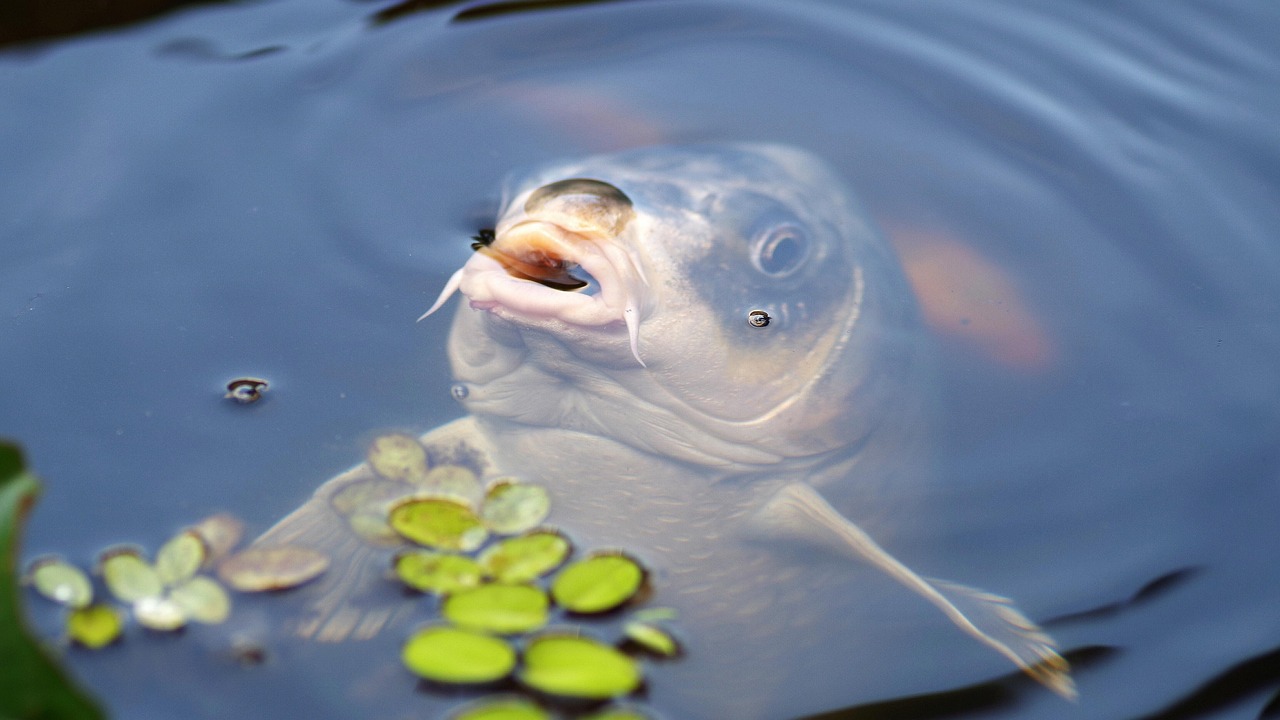
Grass carp are a type of carp that are valuable to the fisherman and the ponds in which they live. Grass carp eat plants.
Additionally, the ability of grass carp to eat large amounts of plants allows fisherman to use grass carp to control the growth of plant within lakes or canal systems. Grass carp have long bodies, and have pointed heads that have no barbels. Grass carp are typically silver or olive in color, as opposed to the bronze color of common carp.
Additionally, grass carp tend to eat plants that are present near the surface of the water. Thus, fisherman can increase their success rates in catching grass carp if they use floating baits like bread crust, greens, or floating pellets. Additionally, grass carp are known for their acrobatic jumps out of the water when they are fighting.
5. Bighead carp
Bighead carp have scales and physical features that make them look different from the other carp species. Bighead carp have very large heads, which comprise the majority of the body length of the bighead carp. Additionally, bighead carp have low eyes on their heads, and they have large mouths with wide openings.
These features are an adaptation to bighead carp’s diet of the plankton that is found in the water. Bighead carp are silver in color with dark blotches along the back of their bodies. Additionally, bighead carp can grow to very large sizes; in Asia, bighead carp have been known to weigh more than 60 lbs.
Due to the diet of bighead carp, they will eat plankton from the water. Thus, conventional baits are rarely effective when fishing for bighead carp. However, small hooks with sponge that has been soaked in flavoring, or tiny pieces of dough can be used when attempting to catch bighead carp.
6. Silver carp
Silver carp are a carp species that is well-known for its jumping abilities, and has spread to areas like the Mississippi River system. Silver carp have bodies similar to bighead carp, but have smaller heads and are a more even silver color on their bodies. Silver carp are well-known jumping out of the water when exposed to boat movement.
In addition to jumping heights of 10 feet, they can reach weights of 20 lbs or more. In addition to being a nuisance to boaters, silver carp can be dangerous to fisherman if they land on them. However, silver carp are a good species to eat when properly prepare.
Additionally, silver carp eat only plankton in the water. Thus, baits placed on the bottom of the water will be unsuccessful with silver carp. Instead, methods like snagging the fish with specialized techniques with small hooks and dough balls will be successful.
Additionally, because silver carp jump out of the water, there is a fight that occurs between the fisherman and the carp that include jumping abilities.
7. Crucian carp
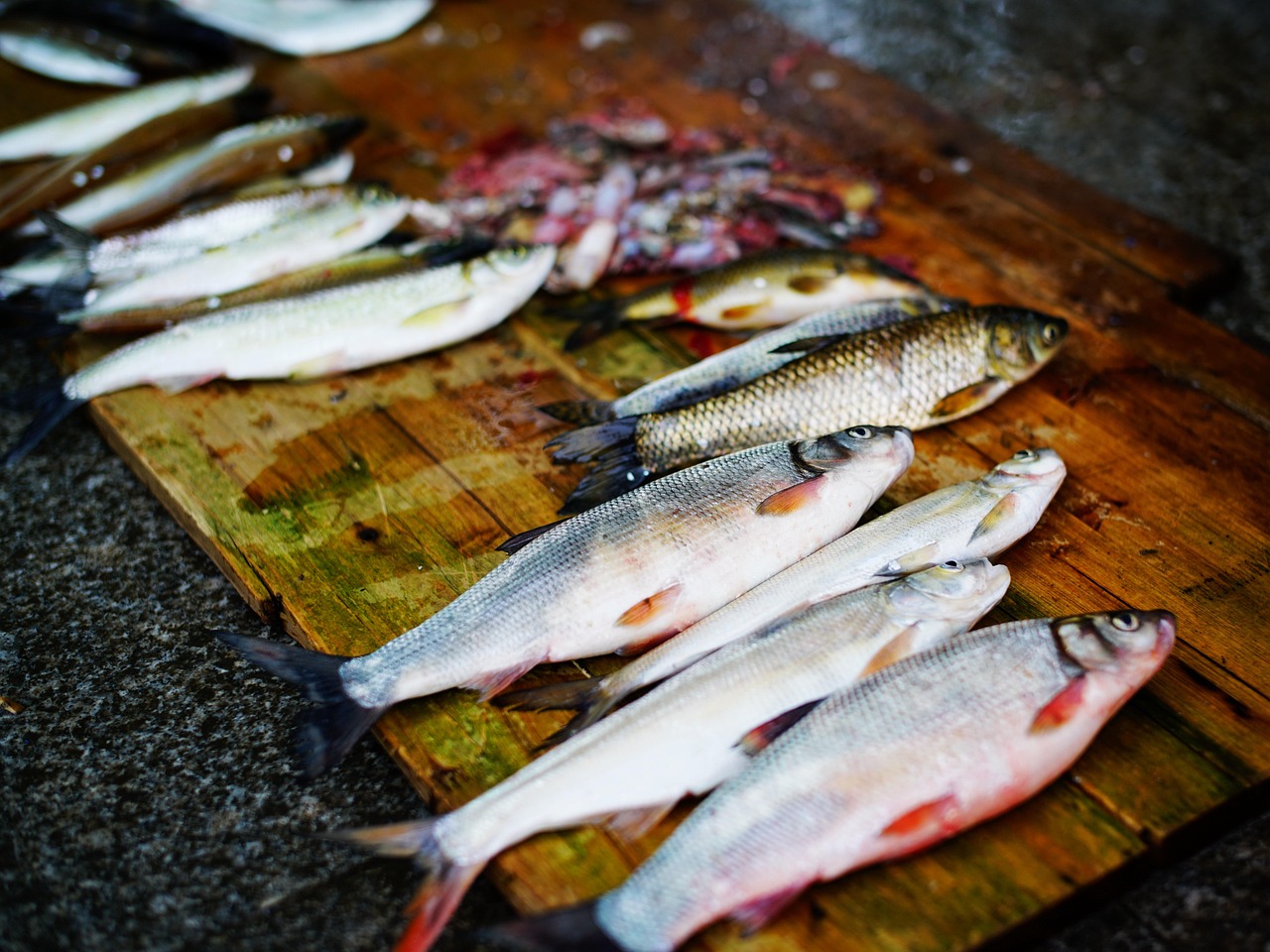
Crucian carp are a type of carp that are generally gentle and calm. Crucian carp have the same physical features as carp, except that their bodies are smaller and more rounded, and they have small scales.
Crucian carp typically weigh less than 3 lbs, although some exception to the rule have been seen in some parts of Europe. Crucian carp tend to live in areas with very little movement in the water, and that contain abundant vegetation. Additionally, crucian carp will eat in water that has a low temperature; thus, they are best caught during the late autumn and spring.
Additionally, because crucian carp have small mouths, they must use fine tackle and small baits to catch crucian carp. Thus, many anglers consider fishing for crucian carp to be a refined form of angling. Crucian carp are often seen in Europe as a sign of healthy fishery.
8. Ghost carp
Ghost carp are a moddern type of carp species that was developed as a cross between carp (common or mirror carp) with koi carp. Ghost carp have pale, translucent scales that give them an ethereal look in the water. Ghost carp can be pure white in color, or may have pastel colors like yellow or blue.
Ghost carp were originally developed for ornamental ponds in which they would live. However, ghost carp have spread to sport fisheries throughout the world due to the popularity of the sight of ghost carp. Ghost carp exhibit the same behaviors as carp species.
However, because ghost carp are light in color, birds more easily spot them. Thus, ghost carp are more cautious around human beings. Therefore, to fish for ghost carp, an angler must use a stealthy approach to the pond in which the ghost carp live.
9. Koi carp
Koi carp are a type of carp that are known for their bright colors. Most koi carp live in garden ponds. However, many countries have pay lakes wherein the fisherman must use serious tackle to catch koi carp.
True koi carp have bright colors of white, red, black, yellow, and blue on their bodies. These colors are developed by Japanese breeders of koi carp over many centuries. Additionally, each color on a koi carp has its own name and value.
Like carp species, koi carp have basic physiologies of carp species. However, because of their bright colors, predators easily target koi carp in their pond. Thus, they tend to stay in deeper area of the pond during the day.
Koi carp will eat a variety of bait types; many pay lakes use specialized koi carp pellets as bait. When fighting a large koi carp, the fight is similar to other carp until the koi carp is lift out of the water. At this point, the bright colors of the koi carp can be seen.
Thus, koi carp is often considered to be a precious fish.
10. Black carp
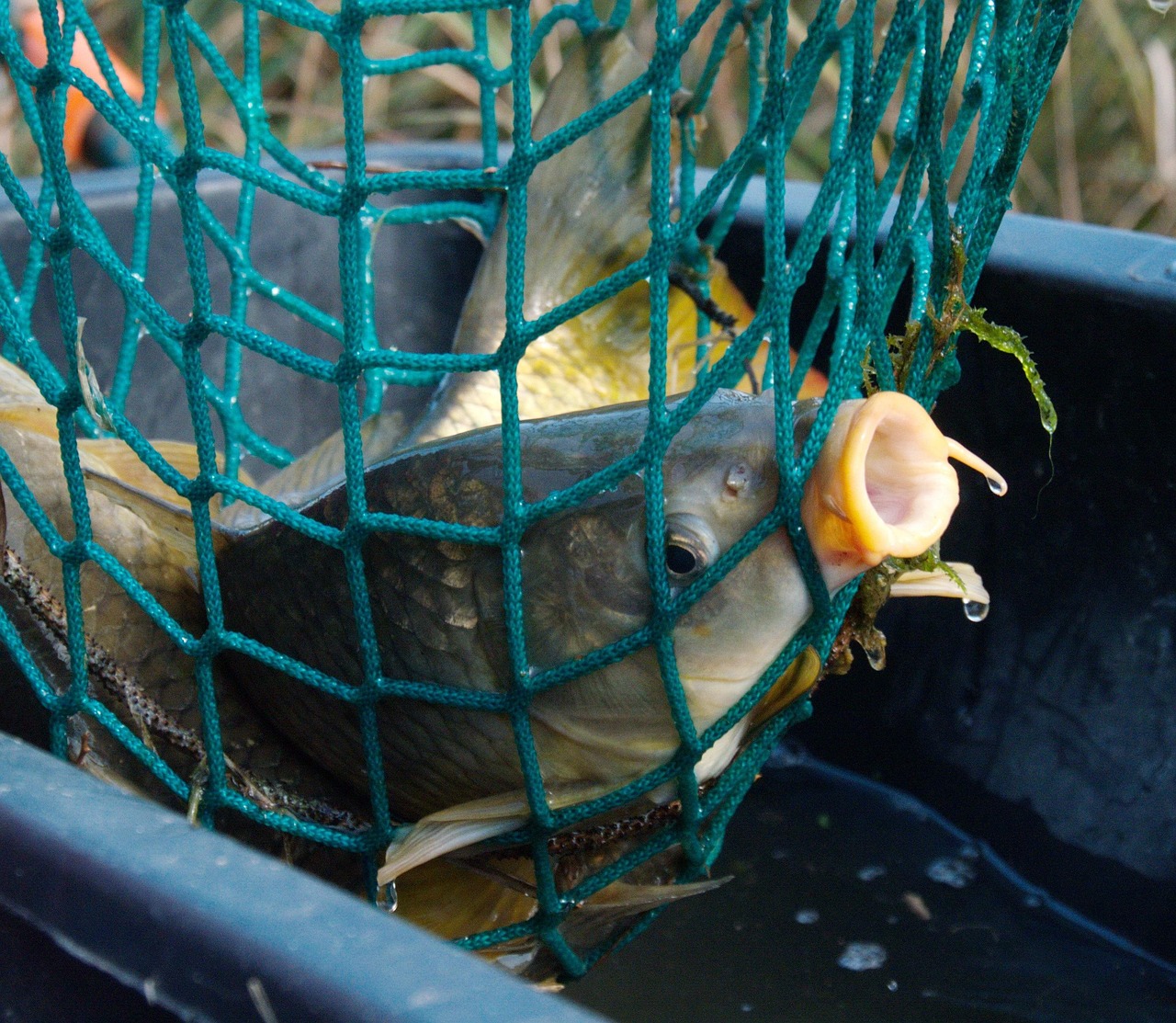
Black carp live in Asia and are rare outside of the region. The fish species have begun to appear in more locations than before due to black carp escaping or being stocked by humans.
Black carp have elongated bodies, are dark in coloration, and have strong teeth for performing crushing motions upon mollusks. Black carp are famous for their consumption of freshwater mussels and snails, which can act as either a biological control or an invasive species. Black carp tend to be attracted to baits that contain the flavor of mollusks or shellfish.
Black carp tend to enjoy the bottoms of their habitats that contain numerous rocks and pieces of debris. Additionally, when hooked, black carp put up a strong and persistent fight. Black carp never give up and can surprise anglers with the strength of its muscular body.
Regardless of the type of carp on the anglers line, carp fishing requires patience and observation. Carp have been on the planet for millions of years and have weathered five ice ages. They have weathered every carp fishing trend that humans have invented over the years.
Each type of carp has its own unique personality, and each species of carp has its own fishing pattern. When the angler catches a bronze carp and moves it over the net, they will remember why they started fishing for carp.