
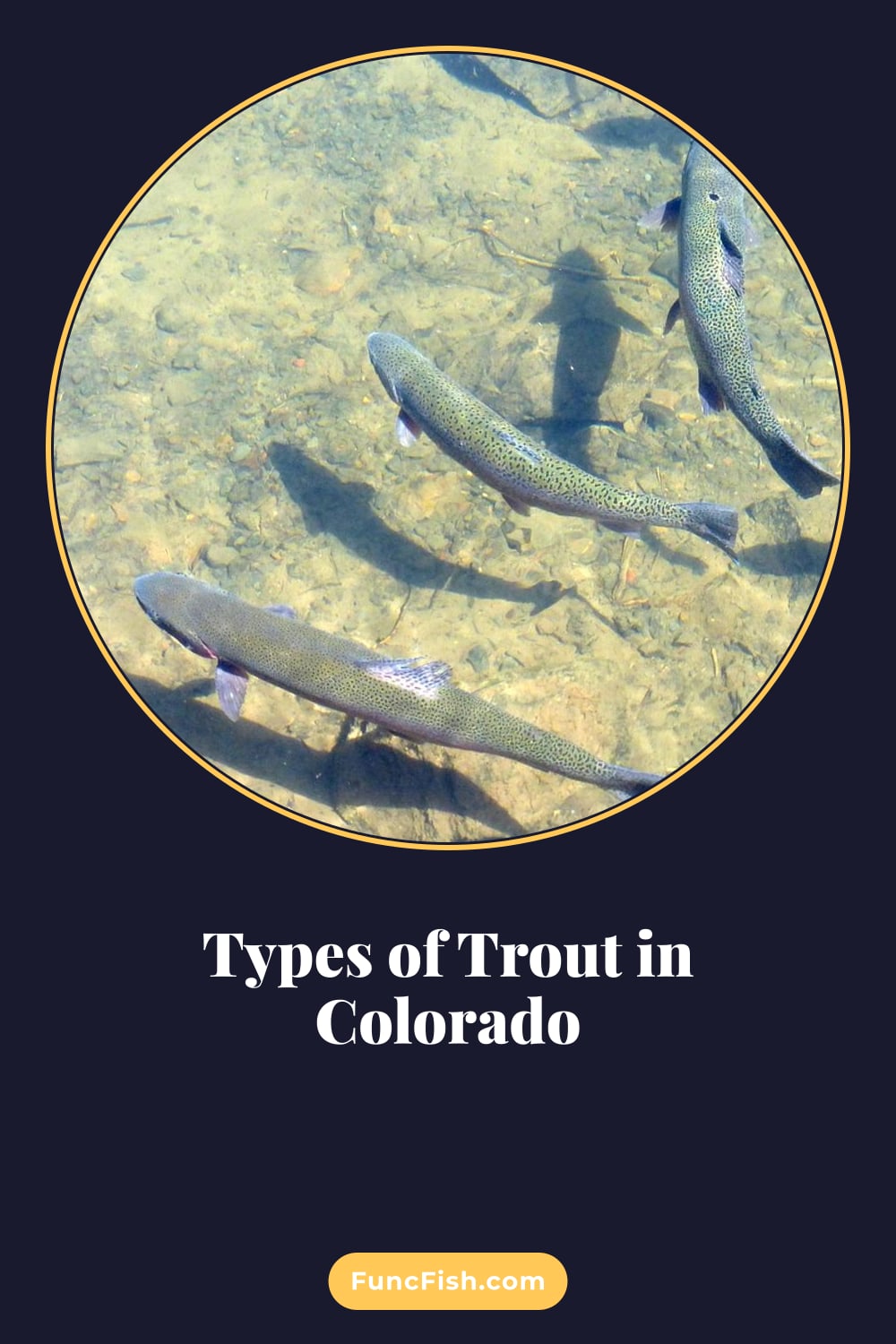
The rivers and the high mountain lakes in the state of Colorado contain some of the most magical fishing spots in the nation. The water is always clear and the water is always cold. Furthermore, the scenery around these rivers is so impressive that it has the potential to stop a person in the middle of there cast.
The fish that live in these rivers can create a fight that is as magical as the scenery. However, many of the new fishers that come to the state dont realize that the trout that live in these rivers are not all of the same species. The species of trout that a person target will impact a variety of decisions that a fisherman makes when they go into the water to fish for these fish species.
For instance, a person’s decision about what kinds of flies to fish for will differ based off the species of trout that they are targeting. Additionally, the person’s knowledge of the species of trout will enable them to better decide with which fishing tactics to fight the trout once they are on the line. Thus, if a person knows these details about the trout species of Colorado, then their days fishing will be more productive, and they will find their days fishing to be more satisfying overall.
The state of Colorado is home to a variety of both native and introduced trout species. Each of these trout species possesses its own personality and its own preferred habitat within the state. Furthermore, each of these trout species possesses quirks about their species that make it worth learning about.
Thus, if a person takes the time to learn about each of these trout species, a person will no longer have to guess as to where the fish are likely to be spotted in their habitats. Furthermore, a person will also be able to guess at the diet of trout populations within these habitats. Brown trout species were introduced to the state from Europe in the 1800s. After their introduction, the brown trout species wasted no time in claiming their prime real estate within the water habitats of Colorado.
Brown trout species have torpedo-shaped bodies with bellies that are the color of butter and features spots of crimson color that are ringed in pale halos around their bodies. Additionally, brown trout grow to larger sizes and live longer lives than most other trout species that inhabit the state. Thus, brown trout can grow to sizes beyond twenty inches in some of the best rivers in the state.
Furthermore, as brown trout age, they become nocturnal in their feeding habits as they have a suspicion of anything that may be a human effort at fishing. These behaviors have provided anglers with a reputation for the brown trout as the smartest trout species that live in the state’s rivers. Thus, if an angler fishes for brown trout species during the hours of low light or after periods of runoff that color the water, they will understand the affection that Colorado’s anglers has for these European fish species.
Brown trout species like to hold in deep pools or areas under banks in the river. Additionally, brown trout species can better tolerate warmer water than other trout species. Thus, they are able to live in areas that become too warm for the native trout species during the warmest months of the year.
However, their pickiness in their eating habits can make it difficult for anglers to catch them. Any seasoned angler knows that brown trout will only eat food that is of the same size to the trout food that they see drifting by on the water’s surface.
Common Trout Species Found In Colorado
1. Rainbow Trout
Rainbow trout are considered to be the fighting fish that is most often featured in the minds of visitors to the state.
Rainbow trout have a pink stripe on each of their sides, as well as dark speckles on their backs. Rainbow trout species are native to the Pacific Northwest, but they have become very numerous throughout the state. They also naturally reproduce within their habitats.
Rainbow trout are known for their acrobatic fighting styles. If an angler hooks a decent rainbow trout in moving water, the rainbow trout will cartwheel across the water’s surface in an effort to escape the angler’s fly line. Rainbow trout species prefer faster moving water than most other trout species.
Rainbow trout are commonly found in tailwaters and mountain rivers. One of the most famous rivers in the state that is home to rainbow trout is the South Platte River, located below the Spinney Mountain Reservoir. Additionally, rainbow trout species are known to be more aggressive in their feeding habits than most other trout species in the state.
Thus, rainbow trout species are often the best species for beginning anglers. Rainbow trout are more likely to forgive a cast that may be slightly clumsy by an inexperienced angler. However, larger rainbow trout may also develop the same caution towards anglers that rainbow trout of all sizes develop after becoming aware of the danger of human fishing efforts.
2. Cutthroat Trout
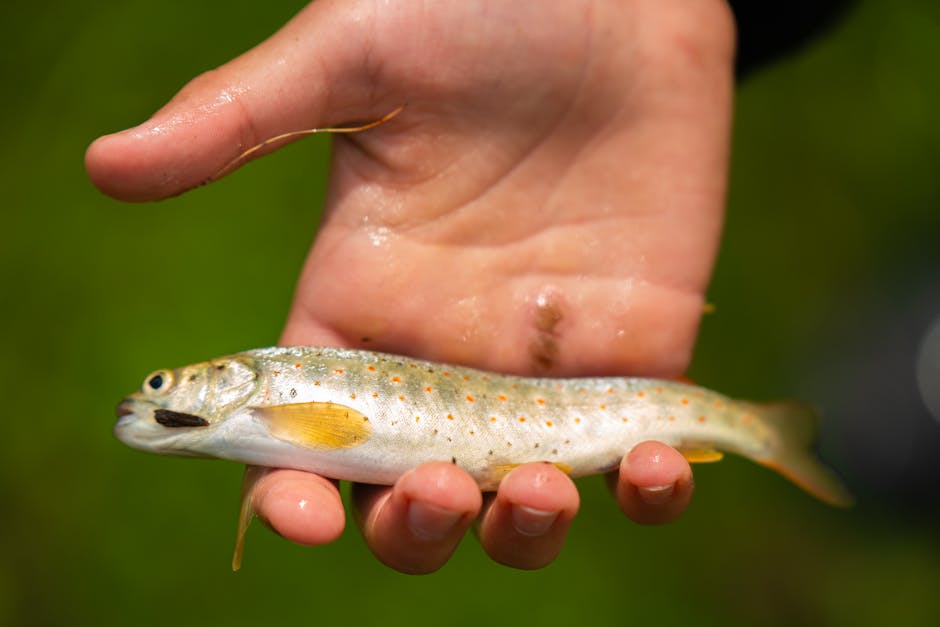
The last trout species of Colorado that will be covered in this article are the cutthroat trout. Cutthroat trout are the only native trout species to the state of Colorado. Thus, they evolved in the state’s waters before there were any angers, fishers, or fly rods.
One of the cutthroat trout species that is most famous is the green-backed cutthroat trout species, which features a red slash under the jaw of the fish. These trout species are divided into two main subspecies. The first subspecies is the greenback cutthroat trout, which is protected in its native waters in the state, as the species nearly became extinct in the wild.
Thus, efforts are being made to reintroduce the species into its native waters. The second trout species that can be found in Colorado is the cutthroat trout, which lives on the western slope of the state. Both subspecies of cutthroat trout are stunning in their simplicity; they have the clean lines of their bodies as well as the subtle coloration that allows them to blend in with the mossy rocks upon which they rest.
Cutthroat trout are less wary of humans than brown and rainbow trout, which makes them more generous with beginners who venture into the waters to fish. However, their wariness makes them vulnerable to overfishing. Cutthroat trout live in high country streams and lakes, and their diet consists mainly of terrestrial insects that are swept into the water.
Try fishing a small hopper pattern near the grassy banks of one of these high country streams during the late summer months, and you will likely see cutthroat trout rise to the flies that you have cast. Cutthroat trout’s willingness to eat reflects the pristine qualities of their environments. Conservation groups work hard to ensure that non-native trout do not enter into these streams and lakes because of the threat that they pose to the native cutthroat trout populations.
Cutthroat trout do not tend to grow as large as either brown or rainbow trout, but they are beautiful in their pure form.
3. Brook Trout
Brook trout is not a native species to Colorado, but it has become a beloved part of the high country trout species in the state. These colorful fish were introduced from the eastern part of North America.
Brook trout live in beaver ponds and alpine streams above 10,000 feet in elevation. Their backs have a reddish-brown and yellowish hue on top, as well as a deep orange belly during the spawning season. Brook trout live in marginal habitats for trout species; they are the first kind of trout that many new anglers catch.
Brook trout is a species that is famously eager to eat. Any fly that is smaller than a size twelve will typically elicit a bite from a brook trout. Brook trout are often targeted by anglers with young children who are just beginning to learn how to cast fishing lines.
Additionally, brook trout are small in size; the maximum size of brook trout that can be found in Colorado is twelve inches. Brook trout outcompete native cutthroat trout in many of these high country waters. For this reason, anglers often harvest brook trout liberally who plan to prepare them for dinner.
Brook trout are a tasty fish when pan-fried in butter with a little cornmeal.
4. Lake Trout (Mackinaw)
Next in size is the lake trout, also known as a mackinaw. Lake trout are the giants of Colorado’s waters.
These fish can weigh over thirty pounds in places like Blue Mesa Reservoir and Lake Dillon. Their coloration is more muted than stream trout species, but have distinct light spots on a darker background coloration to blend in with the deep waters. Unlike any other trout species in Colorado, lake trout are piscivorous-eating other fish once they reach a certain size.
This dietary requirement is one of the main reasons that lake trout can reach such large sizes within the relatively short span of time. Mackinaws are not found in small streams throughout Colorado. Instead, they require deep water with plenty of forage fish to eat, as well as water with plenty of space for lake trout to navigate the depths.
Anglers often target these fish by trolling with downriggers or heavy spoons to trigger the interest of the fish. The fight that develops between the lake trout and the fishing boat is slow and powerful, in comparison to the aerial battles between anglers and rainbow trout. While some anglers may find the fight of lake trout to be less exciting than other trout species, there is still thrill associated with the size of the lake trout that are caught.
However, if not managed properly, the lake trout can overpopulate the water and decimate the other species of trout in that body of water. For this reason, there are liberal bag limits on lake trout in certain reservoirs; the Colorado Department of Natural Resources wants to ensure that the trout populations are protected within the state’s waters. Landing a twenty pound mackinaw or more after a battle in deep water will last a lifetime in memory.
5. Splake
Finally, there are splake, which are the cross between brook and lake trout. Splake are stocked in certain high mountain lakes in Colorado. They have the colors of a brook trout as well as some of the size potential of a lake trout.
Splake grow faster than either brook or lake trout species, and have the same enthusiasm for eating trout bait. Splake are somewhere in the middle in size as well as other physical attributes. Because splake species are sterile, they do not establish populations within Colorado’s waterways.
This makes them an experimental species for waters that might not be able to support other trout species. Additionally, splake have white leading edges to their fins, as well as worm-like markings on their backs. These attributes will tell you that you have caught a splake.
Splake are delicious as well, which makes them a nice compromise between beauty and substance for anglers in Colorado. The diversity of trout species that call Colorado their home is one of the greatest treasures of the state’s outdoors. Each species of trout has its own story to tell.
By paying attention to the subtle differences between trout species, their behaviors, and the habitats in which they live, you will begin to understand trout populations in the state. For example, brown trout will refuse a fly during the day but may accept that same fly when the sun sets for the day. Cutthroat trout living in alpine streams contain genetics that date back before the gold rush in the state.
As anglers, you should take the time to consider your game plan for the day, to pick the waters in which you will fish, to choose the appropriate kind of fly for your chosen waters, and to understand that the trout in those waters have specific characteristics that will allow for a rewarding fishing experience. The trout will reward your efforts in the most delightful of ways. The next time you feel the thump of a fish on the end of your line, you are not just sport fishing for trout, but connected to the ecological web of Colorado, from its clearest waters to its highest peaks.