
When you ice fish for bluegill, the frozen lake is yours for the taking and there are numerous hole that you can drill into the ice to find the bluegill. The bluegill will stay active throughout the winter, meaning that you wont have to wait for spring to enjoy the fast action and fish fry that the bluegill will deliver to you. The bluegill is a perfect species to ice fish for because they will bite at the coldest temperatures in the water, and they have the best table qualities when cook correctly.
There is a significant difference between a day off while staring at your ice fishing rod tip versus a day when youve harvested a limit of fish. The difference comes from the specific tactics that experienced anglers use every season when ice fishing for bluegill. These tactics account for the behavior of bluegill under the ice cover and how they lives in their environment with low light, limited oxygen in the water, and slower metabolisms than bluegill in the warmer months.
By mastering a few of these tactics, youll enjoy quiet mornings becoming productive mornings with a limit of beautiful bluegill on your line. Under the ice, bluegill have specific movements that they make depending on the time of year. In the early winter, theyll stay in the same areas beneath the ice that they lived in during the fall.
However, in the middle of winter, due to the lowered levels of oxygen in shallow waters, the bluegill will move to deeper waters in there area. These specific movements allow anglers to save themselves from drilling numerous holes into the ice that might not yield any results. Location is one of the most important aspects of ice fishing for bluegill.
Expert Tips for Successful Bluegill Ice Fishing
1. Strategic Location and Depth Selection
You want to focus on drilling a series of holes over a set area. Use your electronics to focus on the areas where bluegill gathers between shallow waters and deeper areas. You want to avoid drifting too far from the lake bottom where the bluegill live.
2. Using Electronics to Find Fish
By using your electronics to pinpoint the location of bluegill, youll save yourself the trouble of drilling holes at the wrong depth. Once you spot a few fish on your flasher, youve found the neighborhood where the bluegill live. Now that you know where the bluegill live, you must find ways to get them to commit to your offering.
Use small jigs with live bait tips to produce the best results when fishing for bluegill under the ice. Use a tiny tungsten jig that weighs no more than 1/64 ounces. Using a tungsten jig will allow your bait to quickly reach the bottom of the lake.
It will allow the bait to slowly fall to the bottom of the lake floor, which mimics the movement of the lethargic bluegill species when they search for food under the ice. Use wax worms, eurolarva, or a red worm as the live bait to attach to the end of your jig. Due to the weight of tungsten, this type of bait will allow you to avoid wasting time on your jig taking too long to reach the lake floor.
3. Matching Presentation to Fish Energy
You can use bright colors to attract the bluegill under the ice, but movement matters more than color. Your fishing presentation must match the energy of the bluegill. In the initial days of the ice fishing season, the bluegill might enjoy chasing a jig that hops two or three inches off the lake floor.
However, by the first month of the winter, the bluegill will prefer food that barely quiver in place. Use small lift in your movement of the jig in order to mimic an insect being caught on the bottom and struggling to escape. Many anglers make the mistake of jigging too much when ice fishing.
By jigging too much, they often scare the fish and make them want to leave your fishing spot. Pay close attention to your flasher when using this jigging motion. When the bluegill come up to your bait by a foot or two, stop moving your jig to let the fish make the next move.
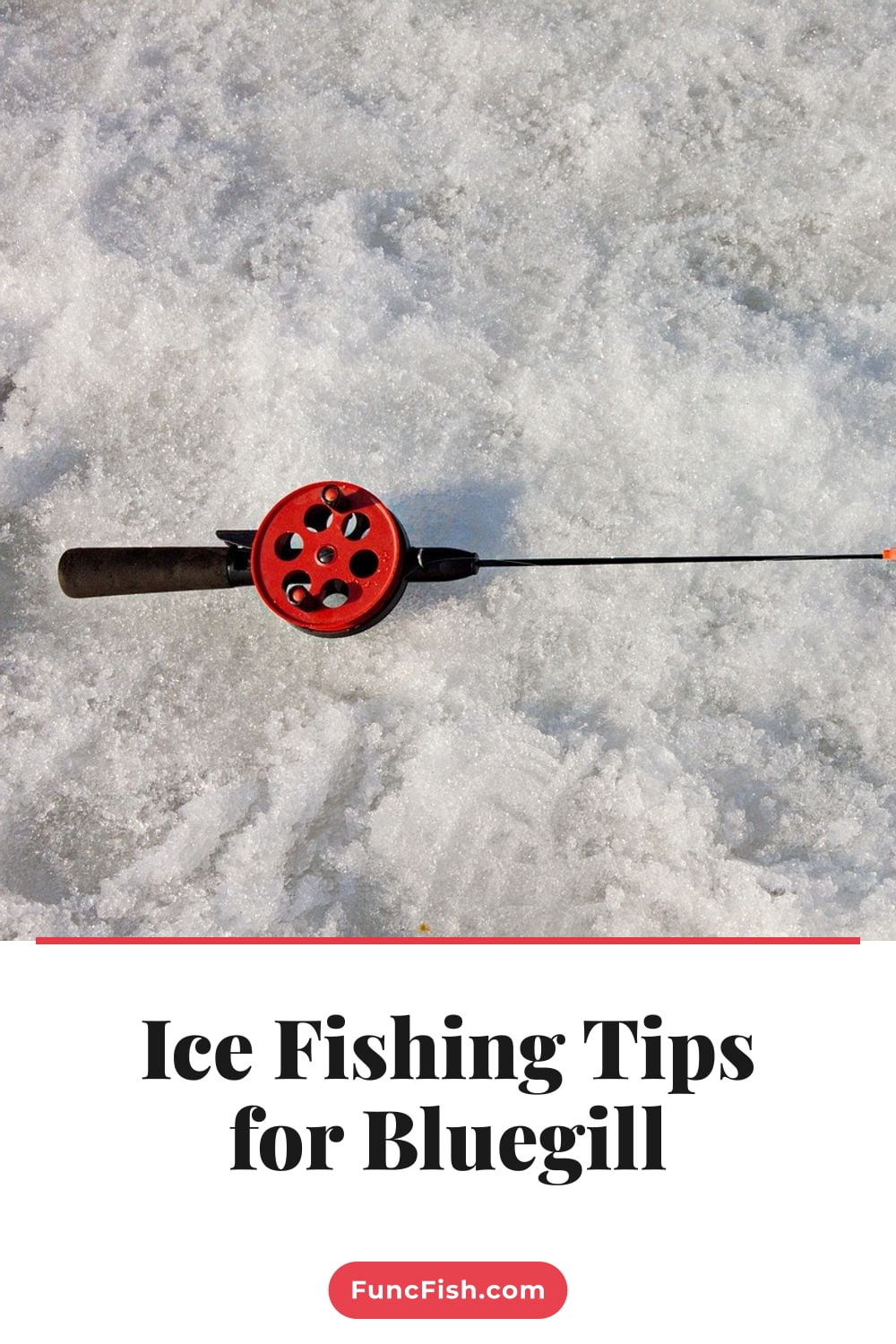
You should use a light and sensitive fishing rod with a slow tip action for best results when ice fishing for bluegill. Use a rod between 24 and 28 inches in length to avoid injuring your arm when reeling in the bluegill. Using a light and sensitive rod will let you feel the nibbles from the bluegill.
You want a rod that will stand up to the fight of the fish when they are reeled in. Pair your fishing rod with four-pound test fluorocarbon fishing line. Fluorocarbon will give you an advantage when the visibility of the bluegill is low in the water.
4. Fluorocarbon Fishing Line
The lack of stretch on fluorocarbon fishing line will give you the best sensitivity in feeling the movements of the bluegill. Avoid using a heavier line so that your tiny jigs will fall quickly to the lake floor. Heavy lines will also reduce the sensitivity of the fishing rod when you are detecting the nibbles from bluegill.
While depth is important when fishing for bluegill with live bait on a jig, many anglers overlook this critical aspect of fishing. The bluegill can be picky about where they find there food under the ice. They will only find food at a certain depth, even if the rest of the lake drops to 25 feet deep.
You can use a clip-on depth finder for your jig so that it finds the perfect depth for the bluegill. Alternatively, you can simply count the number of times the reel rotate on your fishing rod once you find the perfect distance from the bottom of the lake floor. Once you catch a bluegill, drop the jig back to the same depth in order to attract the other bluegill in the school.
They will stay at that depth when you find the perfect spot. Due to the low visibility of the bluegill under the ice, the time of year when the bluegill are most active will have the most success when you are ice fishing for them. The first two hours after the sunrise and the last hour before sunset are the best times of the day to ice fish for bluegill.
5. Optimal Fishing Times and Weather
However, the bluegill will be active all day if the weather is stable. If it’s a bright and sunny day with high atmospheric pressure, the bluegill will be less active. However, if it’s light snow or overcast conditions in the area, the bluegill will be more active and eager to eat your offerings.
6. Safety and Comfort on the Ice
To stay on the ice for long periods while ice fishing for bluegill, you must take care of your health and comfort. Always drill a few holes in the ice to measure the thickness before you go onto the ice. Never go ice fishing for bluegill alone.
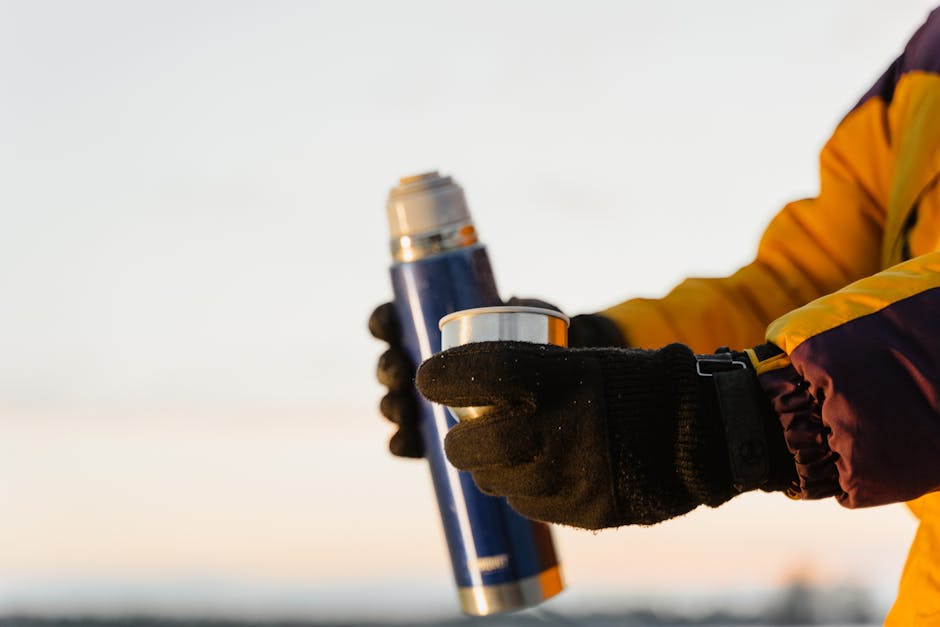
Find a shelter spot on the ice where you can lay down a blanket or a pop-up tent so that you can avoid the wind. Find a comfortable seat to sit while you are on the ice. Bring warm boots, layers of clothing, and a thermos of hot coffee.
With the proper clothing and a thermos of coffee, youll transform a miserable morning on the ice into an enjoyable time. The more comfortable you are on the ice, the longer you can stay and catch more fish. The type of bait that you use when fishing for bluegill on the ice is an important aspect of your fishing trip.
7. Effective Bait Options
Wax worms are the best bait because they stay active while on the hook and they have a scent that the bluegill cant help but follow. Another great bait is spikes, which are the larvae of the blowfly. The advantage of spikes is that they are smaller in size than wax worms and they will not overwhelm the lethargic bluegill when on the ice.
On some occasions, a plastic piece on a jig will outperform the live bait options. Bring a variety of bait options so that if one does not work, you have others. The most important aspect of your ice fishing trip is your ability to properly read your flasher.
A quality flasher will show you the depth of your jig and it will show you how the bluegill are reacting to the movement of your jig. If the bluegill come up to your bait but then move away, it’s time to change the color of the bait or the movement of your jig. If the bluegill come in but do not show interest in your bait, you are using too heavy of a jig or you are moving it too much.
These visual cues will allow you to adjust your fishing so that you are not guessing every hour of your trip. Once you have your catch of bluegill on your line, you must properly handle them when you extract them from the water. Use a small net or use your hand to extract the fish.
The best way to fish for bluegill is to allow the largest bluegill to live and reproduce, so do not keep any of the biggest fish. Remove the medium-sized bluegill only because they are the best eating option. Bluegill caught through the ice have firm flesh and the best table qualities when fried up into a delicious meal.
All you have to do is dredge them in cornmeal and fry them in hot oil for crispy and mild bluegill fillets. The last and most important tip when ice fishing for bluegill is to use patience and persistence. The more holes you will drill into the ice with your ice auger, the better chance you have of finding a bluegill.
Your persistence will reward you when you experience some of the best days on the ice fishing for bluegill. Some days will start off slow but end with a flurry of activity. The best days on the ice when you are fishing for bluegill will feature the sound of your rod tip ticking in time with the flash of bluegill coming up the hole through the ice.
Use these approaches the next time the lake freezes. Pay attention to the details and find ways to stay on the ice mobile to find other spots where the bluegill live. Show your friends where to drill the holes.
Eventually, youll be the one who shows friends how to catch the best fish while under the frozen winter landscape.