
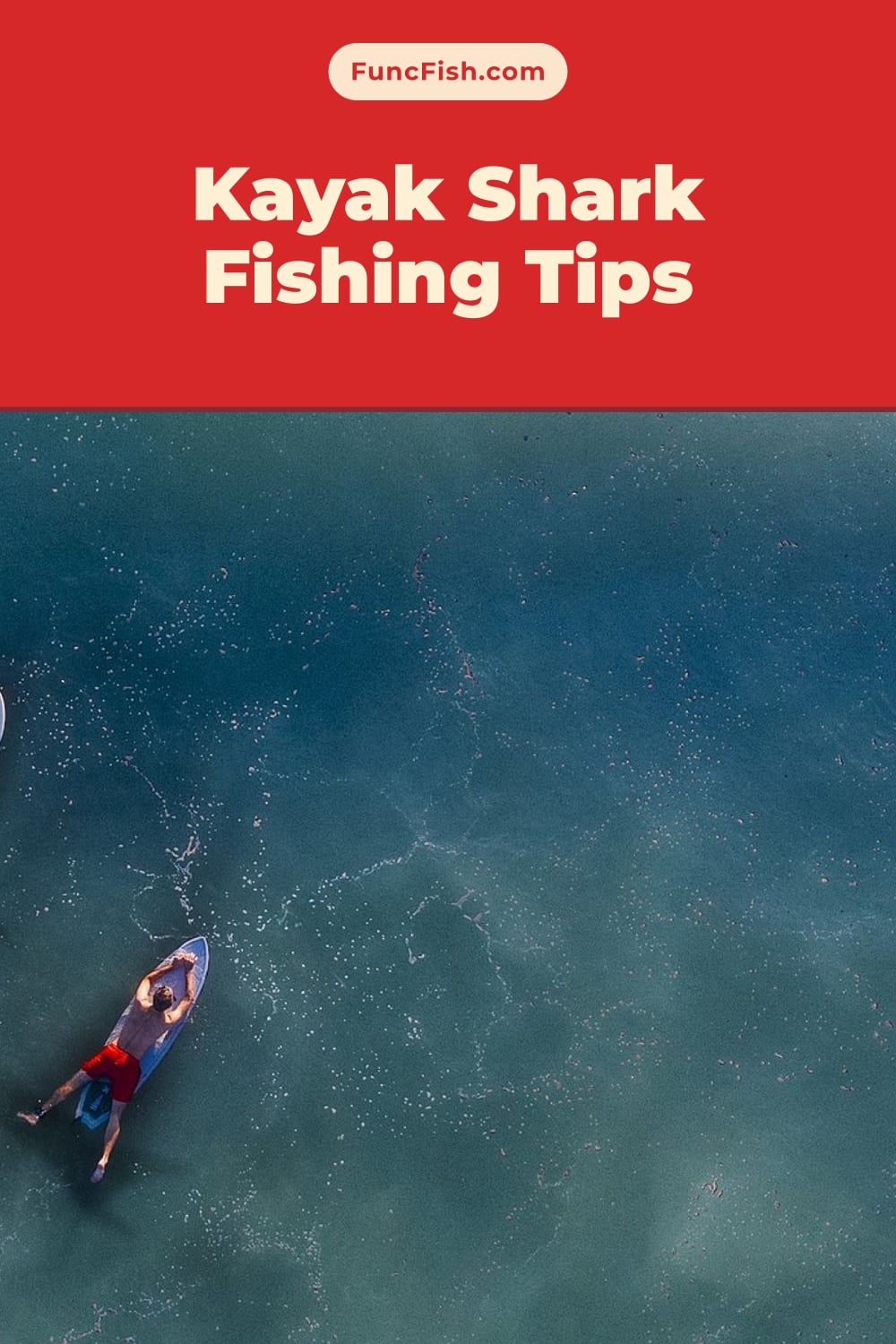
Shark fishing from a kayak provides an experience that is very intense for a person who is on the water. A person is on a kayak inches above the water’s surface in a plastic boat that a shark can easily drag when it decides to dine on the bait that is located on the persons line. When the shark hits the bait the kayak will begin to move as if the person is on a sled.
A thin line connects the person to one of the most powerful creatures in the ocean and the strength of that ocean predator is strong enough to tow the kayak across a bay. It is a bit of a chess match between the person and the shark and an element of the rodeo that involves many participant from the ocean’s critters to man. This pastime can become very addictive for the individuals who participate in this sport.
Kayak shark fishing has developed so quickly in part due to the fact that there is no need for a specialized boat to partake in this pastime. A person does not need a large budget to participate in kayak shark fishing as the cost of the kayak is all that is required to begin to experience the rush of this pastime. However, each participant is required to have an understanding of the sport and how to avoid mistake when fishing for sharks.
With the proper preparation, however, a person can handle the fight between themselves and the shark without getting into any danger and can partake in the sport again and again. In order to become successful in kayak shark fishing, a person should focus upon a few different areas of the sport. There are specific things that a person should know about the sport when they decide to begin to fish for sharks from a kayak.
Essential Tips for Kayak Shark Fishing
1. Blacktip Sharks
The first of these specific things is the type of shark that a person decides to target. A person can begin to target species like blacktip sharks, which rarely grow to more than six feet in length, and which tend to fight good with acrobatic jumps from the water, and which a person can easily find along the beaches where a person can fish from their kayak. However, blacktip sharks may be more common during the summer months, as they tend to seek out shallower waters during these months.
2. Lemon Sharks
For individuals that would like to target a species that puts more strain on their kayak and their strength, lemon sharks are a species that grow to more than forty pound and can pull a kayak for some distance before becoming fatigued. However, because lemon sharks live closer to the mangrove cover, a person will have to travel closer to where the fish live. This increases the likelihood of encountering the shark but also the possibility of getting ensnared in the roots of the mangroves.
3. Bull Sharks
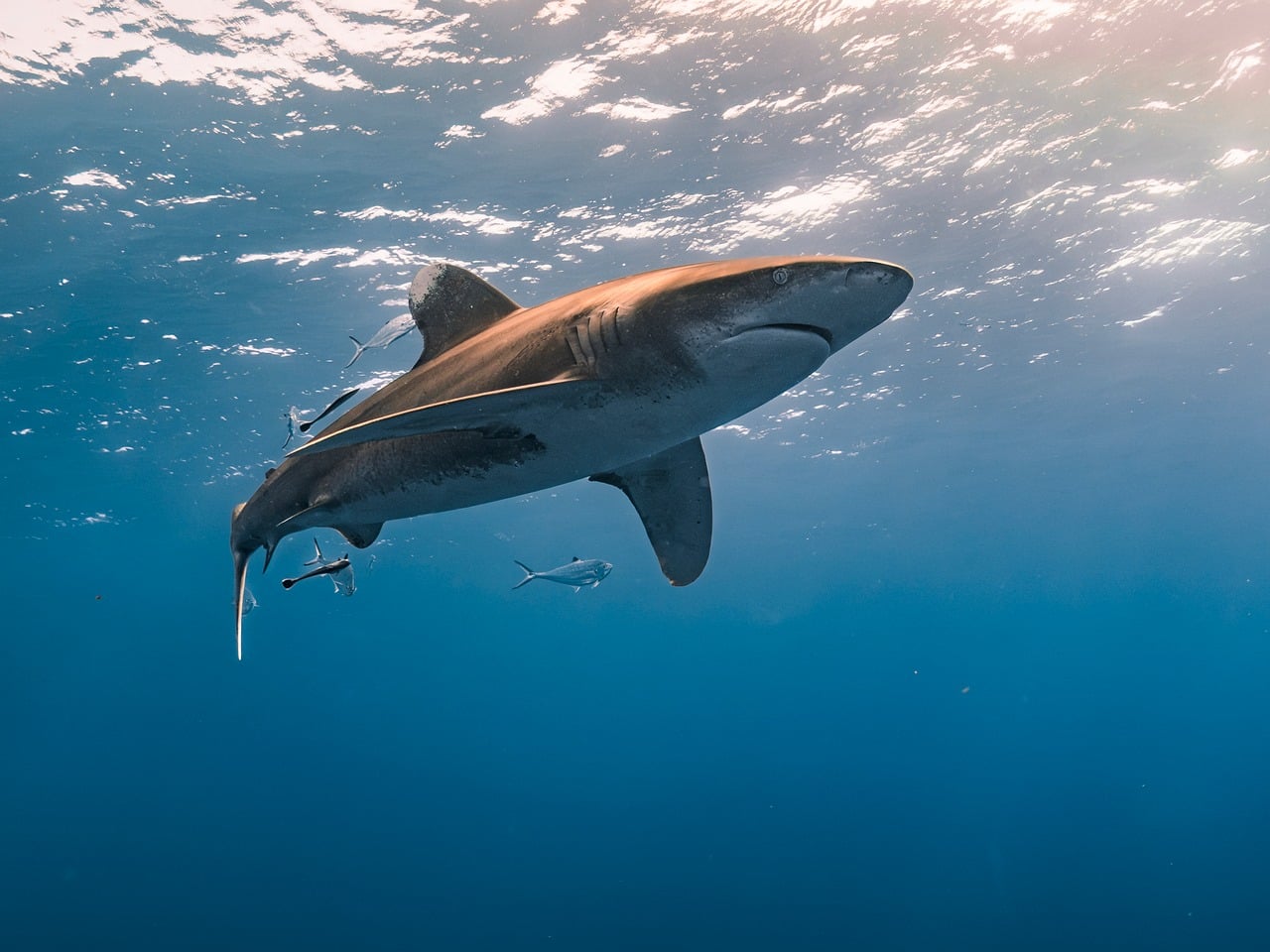
For individuals that desire to target the largest of sharks, bull sharks are the species of interest. Bull sharks live in shallow waters, tolerate low salinity in the water, and are among the strongest species of shark by their size. A six-foot bull shark may feel like it weighs twice as much as its actual weight due to there fighting nature.
Anglers typically only target bull sharks after they have harvested twenty or thirty of the smaller species of shark. They must understand how to manage their kayak while a bull shark is towing them without capsizing their kayak. The reward for successfully catching a bull shark is the strong fighting ability of this species of fish.
4. Proper Tackle and Gear
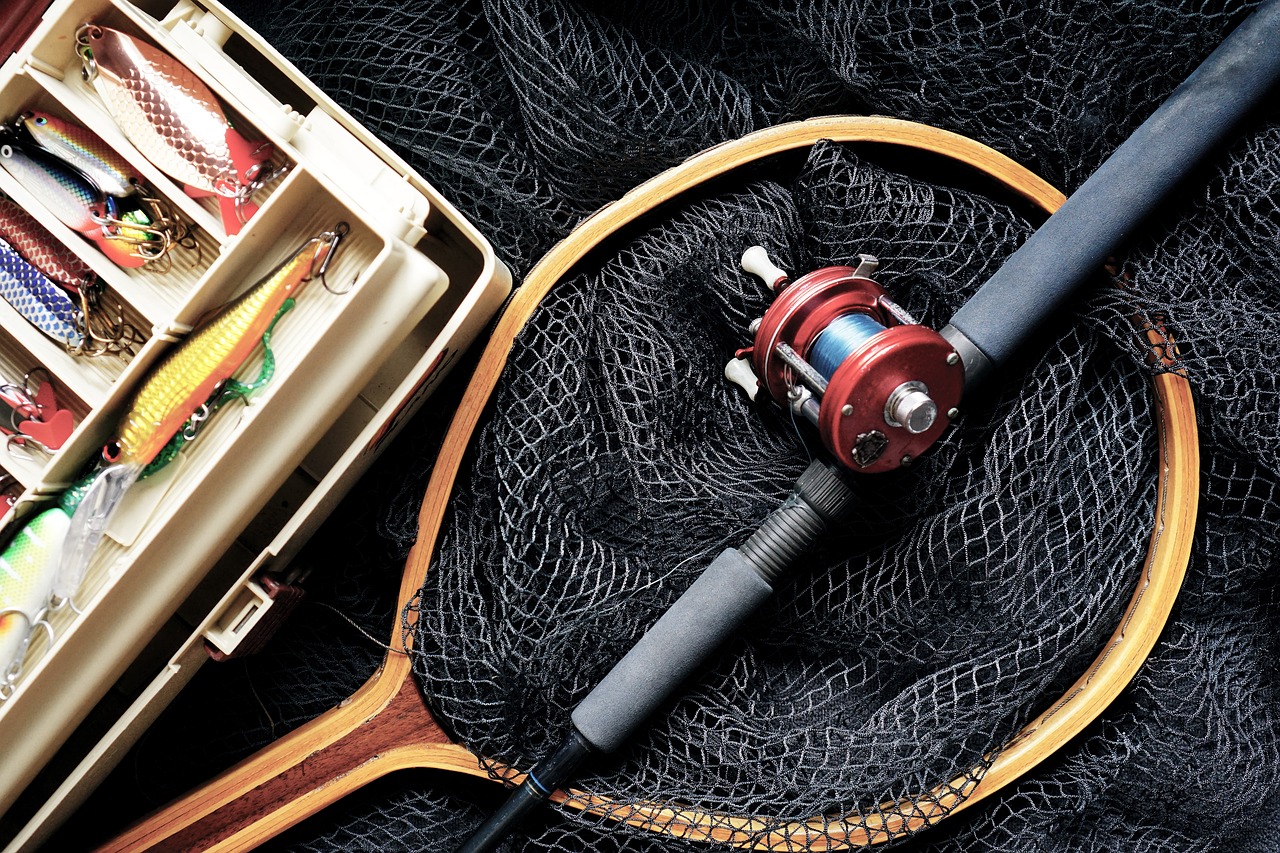
In addition to knowing which species of shark to target, a person should also understand the proper tackle that will be used to catch the shark. Most shark fishermen will use a stout conventional fishing reel that has fifty to eighty pounds of braided fishing line. Braided fishing line will provide the angler with a better chance of setting the hook in place when adding weight to the line, but it will also provide an increased chance of feeling every bump and shake made by the shark.
The angler will typically use a seven-foot rod with a heavy power rating so that it can fit inside the kayak when they are not fishing for the shark. The most common type of hook will be a circle hook between sizes 12/0 and 16/0 because these circle hooks will allow the shark to eat the bait head first which will allow for the hook to land in the corner of the shark’s jaw and will make it easier to avoid gut-hooking the shark, and which allows for sharks to be released from the kayak without harming them. The line will include a five-foot section of either 400 pound monofilament or coated cable that will allow the line to withstand some of the strength of sharks’ teeth.
Such a line will be attached to the hook using either a haywire twist or crimp and should also include a foot of monofilament to allow for the line to be easily cut if necessary. It is common for anglers to add a small float or balloon about two-thirds of the way up the fishing line to keep the bait from touching the ocean floor or the crabs in the water. The addition of this float will increase the number of fish that is hooked and the time that the bait remains effective.
5. Fresh Bait Selection
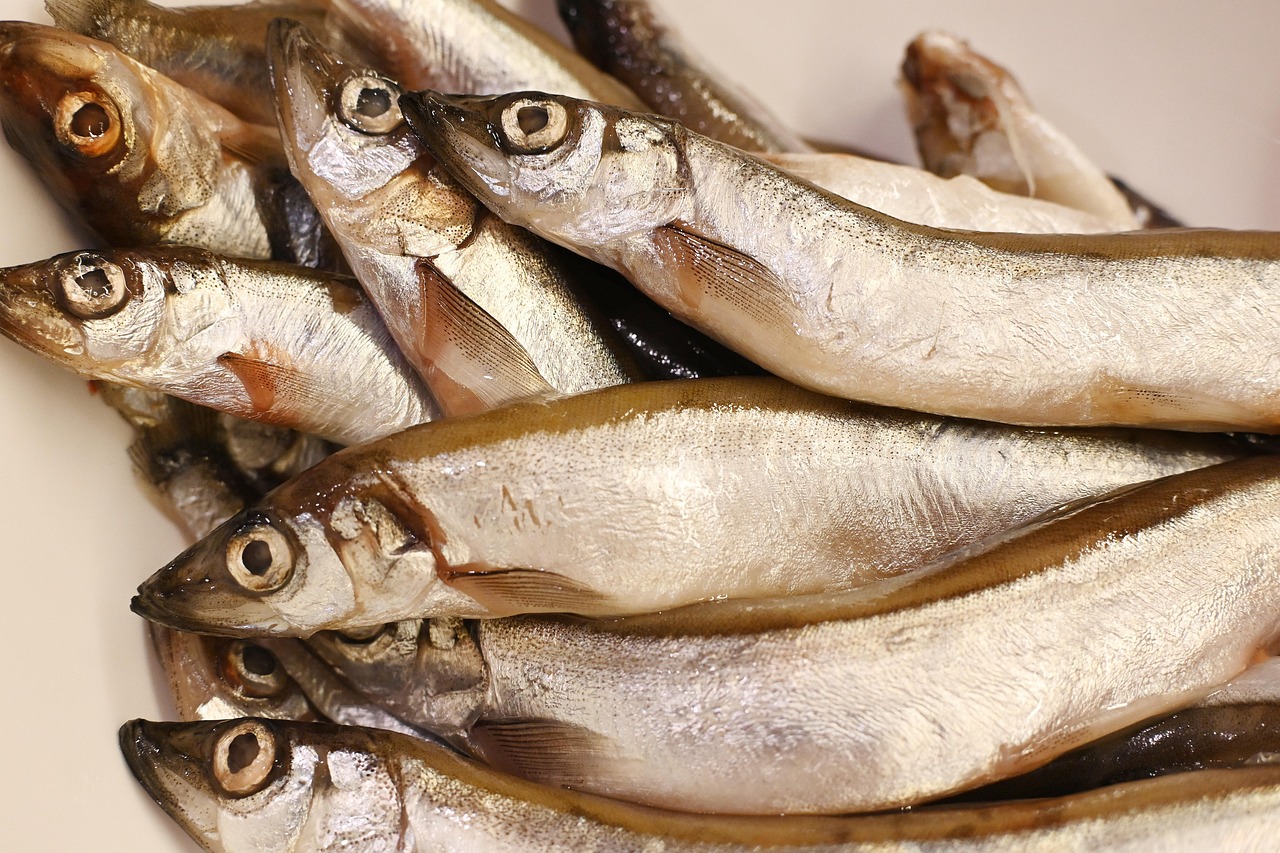
An understanding of the best types of bait for sharks should be gained by each individual angler. One of the most important aspects of bait is that it is fresh. Sharks have an incredible sense of smell and will ignore bait that is frozen and stored in the cooler for many hours.
Using chunks of mullet, jack crevalle, or bonito that the angler caught will attract the interest of the sharks. Anglers can benefit from having a small cast net for this purpose. Using effort and time to prepare fresh bait is an activity that will pay dividends in the success of each person’s fishing expedition.
6. Kayak Positioning and Drifting
Sharks may ignore the bait of others but will be interested in the bait of an angler who understands the importance of using fresh bait. In addition to bait, a person should understand how to properly position their kayak in the water. Many beginners to kayak fishing for sharks will immediately drop their anchor into the water and eventually become frustrated when they do not see any action from the sharks.
Instead, allowing the kayak to drift in the water will allow the angler to cover more water and allows the bait to be presented to the shark in the same manner that a struggling fish will move. Additionally, if a shark begins to approach the fishing spot, the angler will feel subtle thumps on the fishing line which will allow that angler to prepare for the encounter between shark and kayak. Kayak fishing for sharks requires certain techniques to fight the fish in a way that will allow for the angler to successfully land the shark without injuring themselves.
7. Fighting Techniques
When a shark first begins to fight the angler, the angler should point the rod they are using for fishing for the shark. Attempting to fight the shark at this initial phase will only tire the body of the angler. Instead, the angler can begin to gain line from the shark by pumping the rod in an up stroke and reeling in during the down stroke.
Using body weight to even out the effort to fight the shark will allow the angler to better manage the effort required for the fight between angler and predator fish. The angler should ensure that they maintain their center of gravity in the kayak. More experienced anglers will slide down into the foot wells in their kayak when fighting sharks to even out their angle of their kayak to the pull of the shark.
8. Safety Procedures
Due to the size of the species of shark that may be encountered, safety procedures should be a priority for each angler. An angler should have a long-handled dehooking tool and wire cutters in close reach when fighting sharks. Never wrapping the fishing line around the hand or any part of the body should be avoided even when fighting a weaker shark species.
A good pair of gloves will protect the angler from the fishing line and from the sharp skin of the shark. Additionally, an angler should have a VHF marine radio in the kayak in a waterproof case and they should let someone on the shore know that they are heading out into the ocean with the kayak so that they can assist the angler in case of an emergency. These safety measures may seem excessive for an angler but they are required in case the seventy pound shark that has been targeted decides to circle the angler while on the water.
9. Landing and Releasing Sharks
Finally, the techniques to land and release the shark will determine whether or not the shark will swim away from the kayak while in a healthy state. It is not recommended that an angler attempts to lift the shark out of the water completely. Instead, bringing the shark alongside the kayak, removing the hook from the shark while the shark is still in the water, and briefly supporting the shark will allow for the shark to regain its strength in most situations.
Additionally, helping to restart the shark’s systems for breathing by towing the shark behind the kayak will help to restore the shark’s ability to survive once it is released on the water. This entire process should take less than one or two minutes to complete. It is important for anglers to learn these techniques as a shark that is fought for long periods of time or handled will die from the experience of being baited for food.
10. Weather and Tide Awareness
An understanding of the weather and the tide is important prior to heading out into the ocean on a fishing kayak. Sharks are active during the tide movement, especially during the last two hours of the outgoing tide when the baitfish leave the flats where they live in the bay. By launching the kayak two hours prior to these periods, the angler will be in the proper spots to set up for targeting the sharks.
The direction of the wind and swell is also important to know. If the wind is working against the tide that the kayak will naturally move in the ocean, the water will become choppy which will make it difficult for the angler to fight the fish. Checking the weather prior to setting off on a kayak fishing adventure is important to ensure that each angler does not struggle with fighting the fish against twenty-knot headwinds.
11. Gear Organization
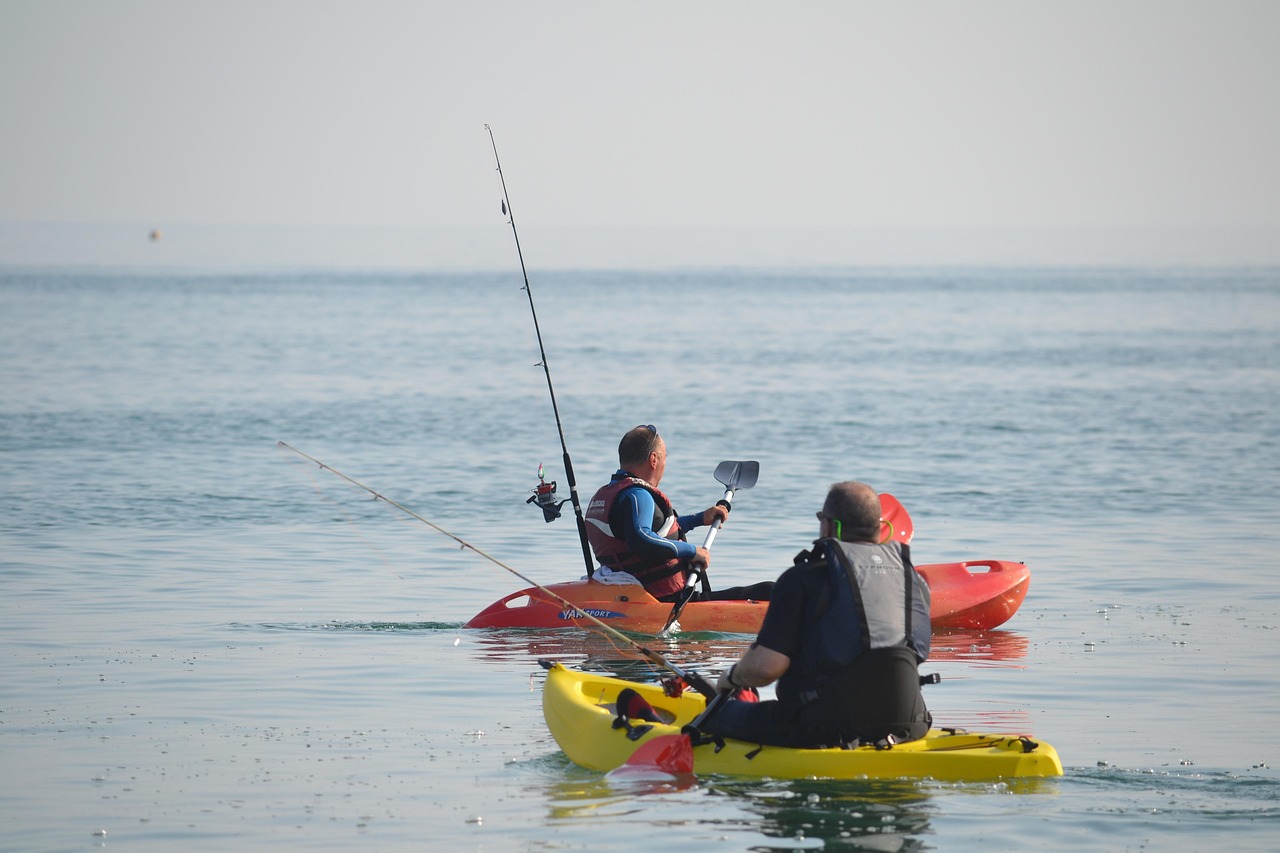
Organizing the fishing gear within the kayak will help to avoid any disasters that may occur while a person is fighting a shark with the bait. Every item that will be required for fishing for sharks should have a dedicated spot on the kayak. Using bungee cords across the kayak allows for items like pliers, fishing leaders, and gloves to be secured to the kayak.
The angler should be able to deploy the anchor using one hand while the other holds the fishing rod. Using a small crate or kayak crate behind the seat allows for the bait to remain fresh and organized. The more automatic systems that can be programmed into each kayak will allow each angler to focus upon fighting the shark as opposed to having to search for their fishing tools.
When a person first begins to fight a shark there is a rush that comes from each person. The initial fight between the shark and angler, the boiling of the water around the person, and the feeling of connection to one of the ocean’s top predators creates a rush in each angler that is difficult to ignore. By mastering the fundamentals of kayak shark fishing and by showing respect for the fish that humans are catching, each angler will experience significant rewards from the sport.
Beyond the pictures that are taken of the fish that are caught, an angler will have gained an understanding of the ocean ecosystem, developed respect for the planet’s powerful animals, and enjoyed the high of performing such an activity from the simplest of platforms. Thus, the next time that an angler feels the initial fight between a shark and kayak, they should remember the importance of being prepared and enjoying every second of the chaos of the encounter between predator and prey.