
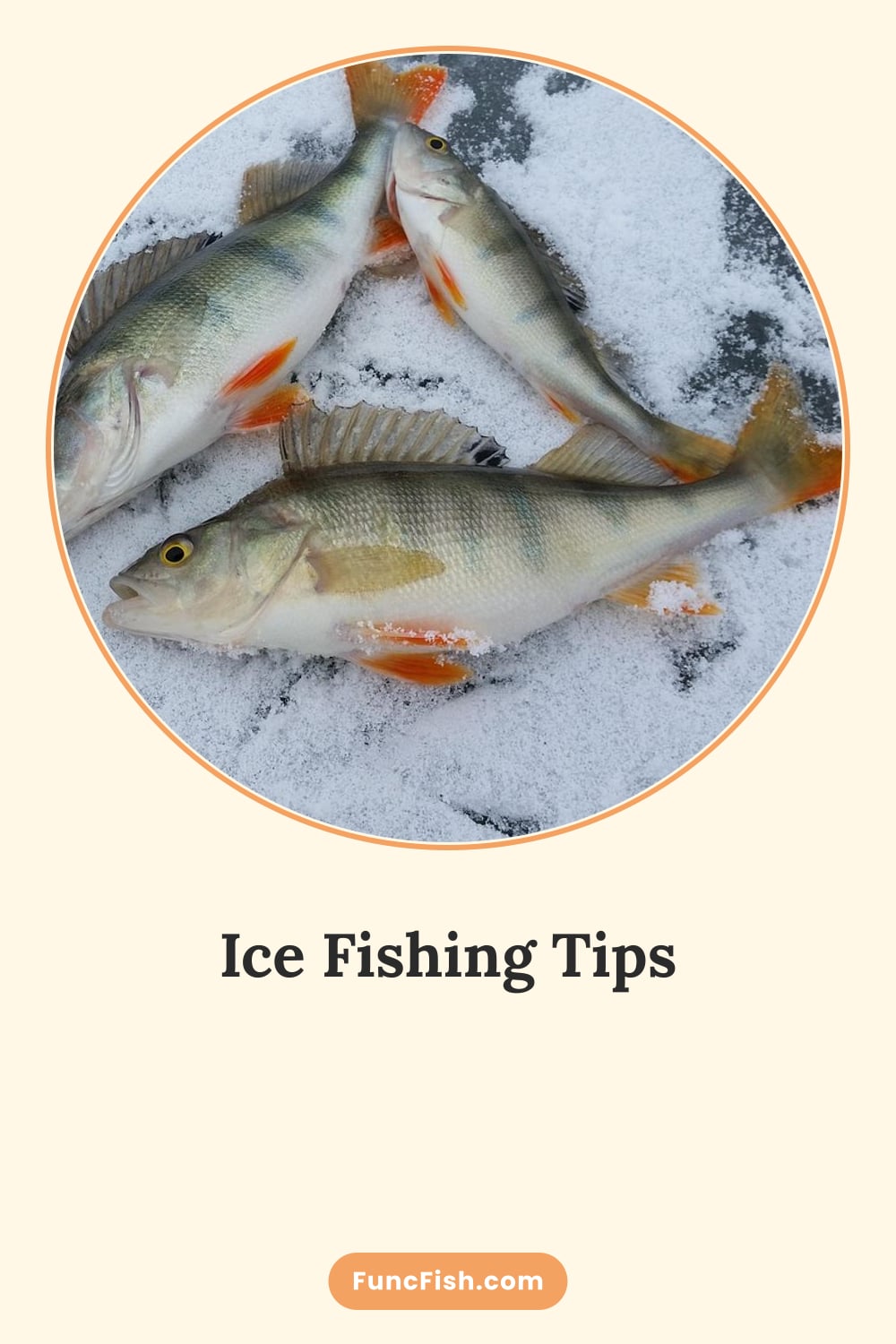
When you walk out onto the frozen lake, there is a chance that the ice will make noise under your boots. If you make a mistake while ice fishing, the remainder of the day can end in difficulty. However, if you are correct in perform the activity, you will find some large and active fish that pass through the hole in the ice that is no wider than your forearm.
Ice fishing is much more than a wintertime hobby because ice fishing is a test of preparation, a test of patience, and a test of respect for the environment that most people only see from the shore. It is true that the cold weather will eliminate those who is not prepared to ice fish. The lines can freeze, your hands can become numb, and the fish will sense any vibration that you make on the lake ice.
Yet, those who return to the frozen lake year after year have the ability to prepare and keep their freezer full of fish and their stories interesting to the public. The instructions that follow will allow an individual to successfully fish out of the ice and bring home fish to prepare for dinner. Always drill the fishing holes in the correct locations instead of randomly choose where to drill.
Essential Tips For Successful Ice Fishing
1. Strategic Hole Drilling Locations
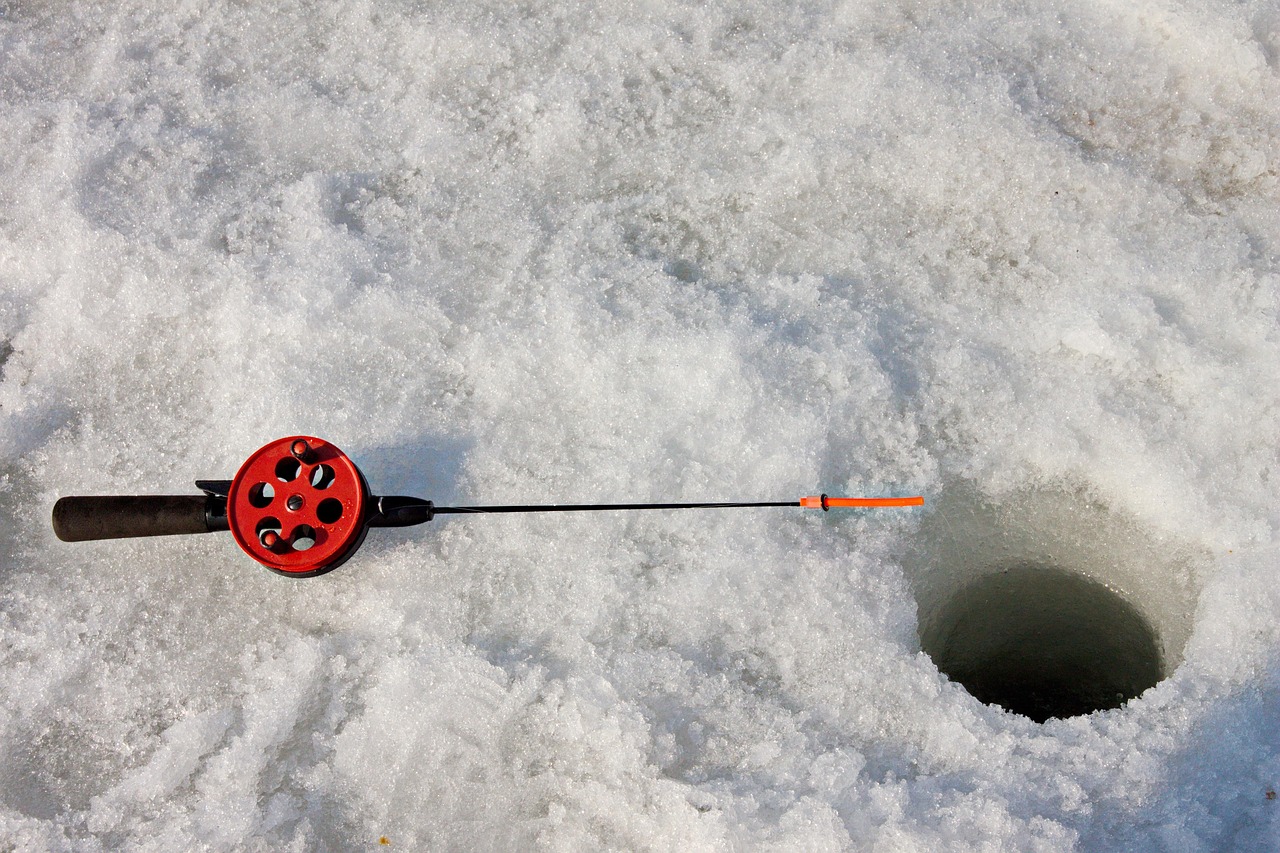
The fish do not move in random directions under the ice lake; they are always in specific locations in the same spots that they are seen during the summer months. The fish stay near drop-offs, fish stay near weed edges, fish stay near submerged points, and fish stay near the mud and gravel transitions in the lake. You can use a map of the area or GPS and notes of where these spot are located during the previous season.
2. Creating a Fishing Hole Grid
Make a grid of fishing holes on the ice that includes both shallow and deep water spots so that you can quickly move to catch any fish that are active in these spots. Bring an auger to drill these spots so that you can effectively place your fishing jig into the strike zone of the fish. Correctly dress for the cold weather as if the cold weather is going to be dangerous to your life.
3. Proper Winter Clothing Layers
You will need to wear light layers next to your skin, followed by insulating layers of fleece or wool clothing, and a windproof and waterproof shell will protect you from the winter air. Thick felt layer boots are more important than anything else that you can wear as your feet will become cold very quick. It is also important to wear a decent face mask and thin liner gloves that will allow you to bait your fish hooks without having to expose your skin to the air for long periods of time.
You will be on the lake for many hours rather than a few minutes so that you can enjoy your meal. You need to be comfortable as you are on the ice for many hours, as comfort will ensure that you can continue to ice fish throughout the day. Choose the correct ice fishing rod for your needs.
4. Selecting the Right Ice Fishing Rod
Ice fishing rods are short in length, they are stiff in their backbone to retain the pressure on the fish, and the tip is very sensitive to the bites of the fish. Four to five feet of ice fishing rod will be enough for most who target panfish. Use a small spinning reel and use two- or four-pound test fluorocarbon fishing line that stays limp in the cold water.
Bright line will allow you to see the movement of fish against the snow. The right ice fishing rod can create a tap that tells you that fish is biting while the wrong rod will waste your time. Be able to read the electronic ice fishing gear that you will use in the same way a sailor would read the clouds to see the weather.
5. Using Electronic Flasher Units
A portable flasher unit will show you the depth of the water that you are fishing in and allow you to see where your fishing lure is in relation to the fish in the lake. When a mark shows up under your jig on the fish finder, you will know that fish are in the area that you are fishing. Using a GPS along with your flashers will allow you to remain in the productive spot for your ice fishing effort.
This electronic gear will not replace your skill but will allow you to avoid drilling holes in spots that do not contain fish. Master the jigging techniques that will work for the type of fish that are in the area. For bluegills and perch, use slow and subtle movements.
6. Mastering Jigging Techniques
Walleye and pike will go for a quick snap of the fishing line followed by a dead fall of the line that mimics a dying minnow. Change these techniques every few minutes so that the fish will become interested in your jigging pattern. Always pay attention to the tip of your fishing rod as some strikes on the ice will only be a slight hesitation or a glide of the fish that do not eat the bait.
Always set the hook on anything that does not mimic the jigging movement that you used just a few minutes earlier when catching fish. Bring the correct bait to the ice fishing spot and know how to present the bait to the fish. Bait such as wax worms, eurolarvae, and spikes will stay active even in the cold water.
7. Effective Bait Selection
These types of bait will attract the panfish. Minnows and pieces of minnow work best for those interested in catching larger fish. Always hook the bait gently to retain the life of the bait.
A small plastic tail on your jig will work for fish that will not eat live bait. Let the fish think that the bait is injured but not too far out of reach for the fish that live under the ice. Fish under the ice can be sluggish so make it easy on them but not to the point of being boring.
8. Optimizing Light and Time of Day
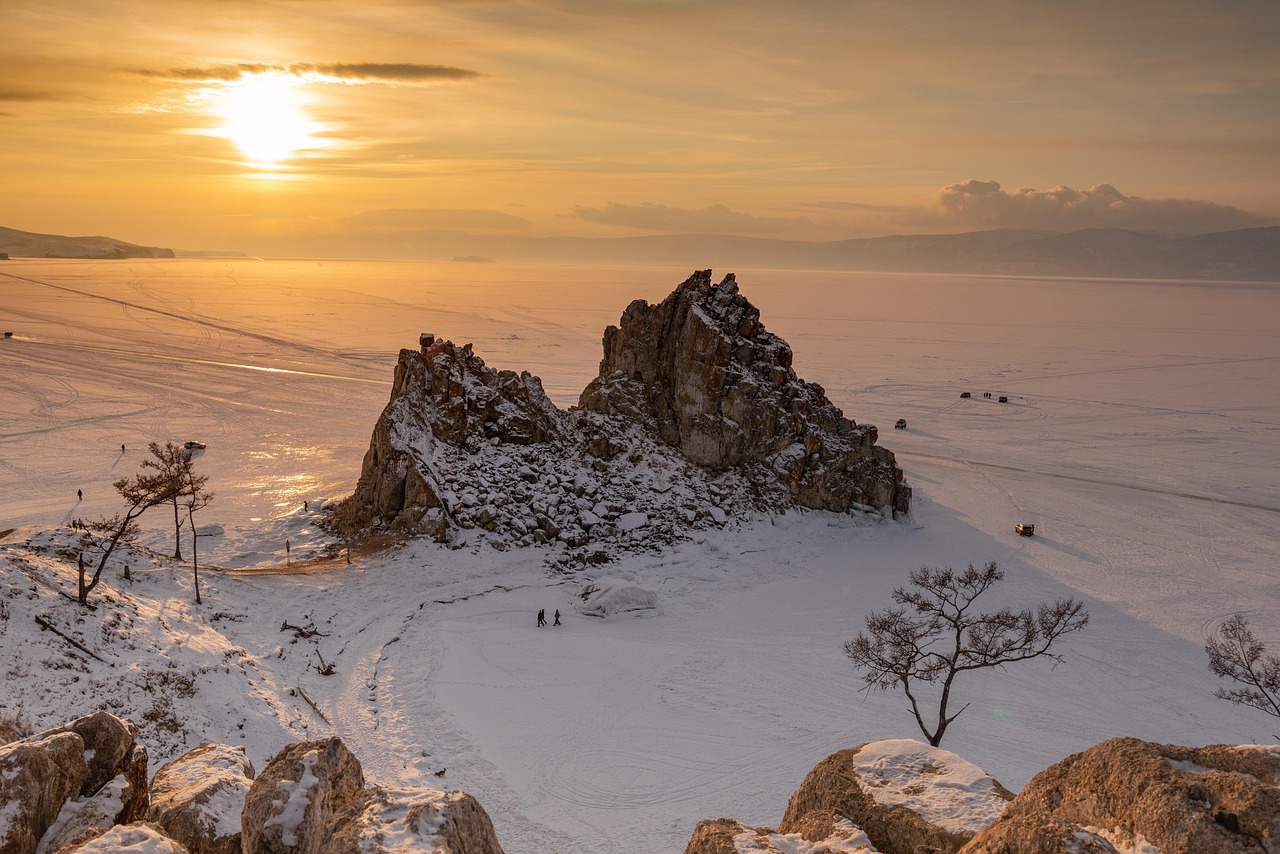
Know when to go ice fishing based off the light in the area and pay attention to how the fish will change the way that they bite the bait based on the light. When the sun is up early in the morning or later in the afternoon produce the best results when ice fishing. When the sun is bright and sunny the fish will go to deeper parts of the lake and become wary of any shadows that may appear on the ice due to the bright sun.
Drill a few extra holes at your spot at the start of the ice fishing spot so that you can move locations without making loud noises onto the spot where the fish live. Place a portable shelter or a windbreak so that the glare from the sun will not damage your eyes. Light will impact your fishing spot so use this to your advantage.
9. Maintaining Stealth on the Ice
Keep the noise to a minimum when you are ice fishing as sound travels quickly through both ice and water. Do not stomp on the ice, do not play loud music, and do not use your auger to drill the ice spots if you have already drilled your first round of holes. Move from spot to spot as if you are sneaking up on a deer.
Many who go ice fishing for long periods of time will wear snowshoes to help them move across the ice without making much of a sound with their boots and many will even fish in socks while wearing good ice skates on the frozen lake. The fish cannot see you but they can hear you. Stay on the ice as stealthily as possible.
10. Essential Ice Safety Gear
Do not treat safety as an afterthought when you go ice fishing on the frozen lake. Always carry at least two ice picks so that in the case that you do break through the ice you can always pull yourself out of the water. Bring along a throw rope, a life jacket that you can wear under your coat and use for thin ice areas, and a first aid kit to prevent an injury that could occur on the frozen lake.
Tell another person where you will be ice fishing and when you expect to return. Use a spud bar to check the thickness of the ice on the frozen lake. Four inches of ice can hold a person but six inches of ice is much safer if you are on the ice with a sled and gear.
The lake will still be there in a few weeks time so do not stress over anything today. Finally, respect the resources of the lake and follow the regulations of the fishing area. Only take the fish that you plan to eat and return any extra fish gently to the lake.
Follow the slot limits and daily limits for the fish in the area. Always leave the ice spot as clean as you found it so that others who go ice fishing can find a clean sheet of ice. The fish that you return to the lake today will be the trophy fish that others admire tomorrow.
When the last fishing spot has frozen over and you have returned to your truck with a sled full of fish that you have caught on the frozen lake, you will have a feeling of satisfaction in your gut. Anglers who fish during the warm months of the year dont have these types of feelings. Ice fishing teaches people skills, rewards those who are prepared, and provides the “moment of magic” when a large fish jumps through the dark circle of the ice spot into the light.
Therefore, whenever you go onto the frozen lake and regardless of the fish that live in the area, go onto the ice while you are cold, alert, and humble so that the lake will meet you halfway.