
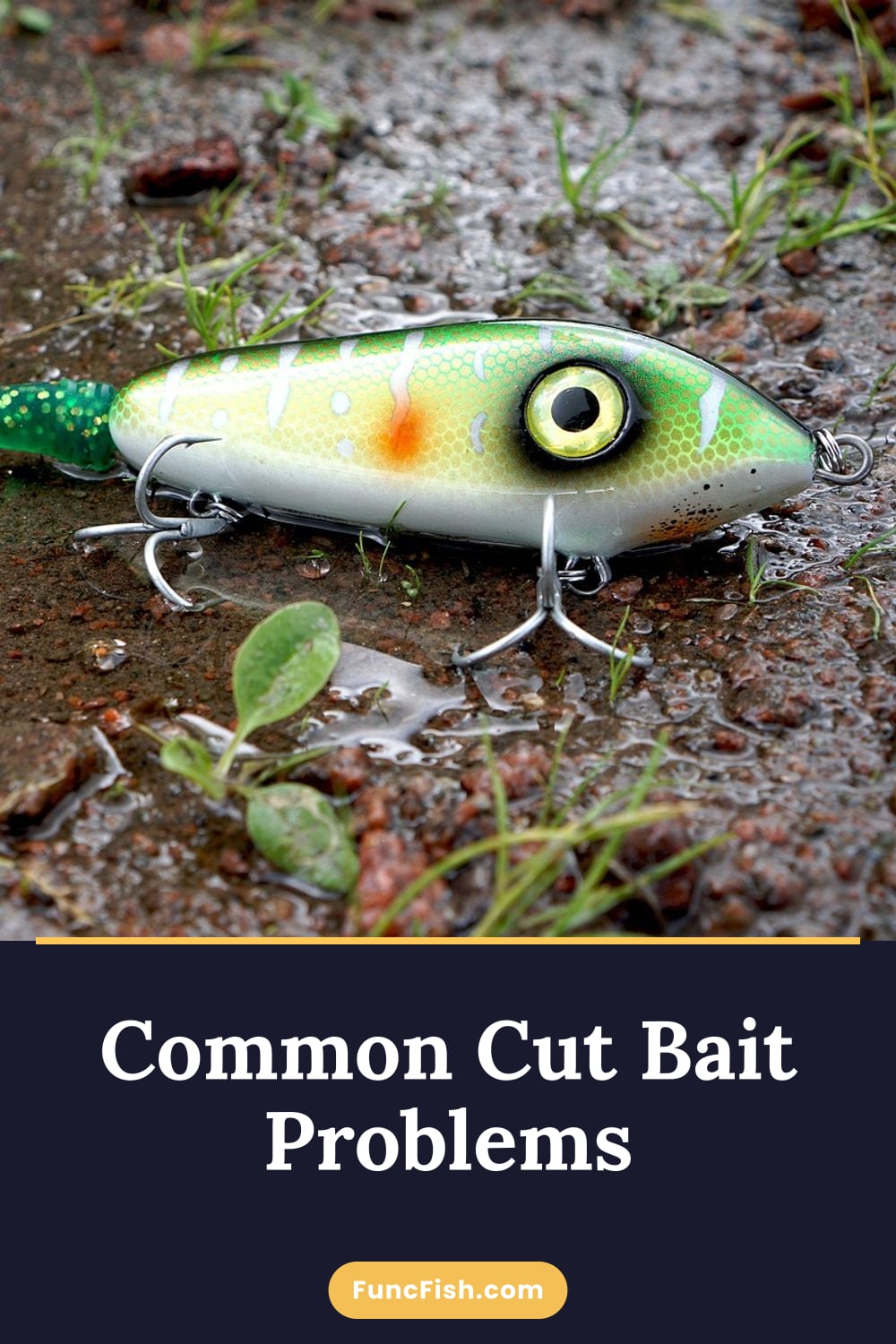
Bait fishing is a simple task, but it can become difficult when a fisherman encounter issues with there fishing rig. The best bait fisheries is cut bait. However, even the best fisherman may have trouble fishing with cut bait, as this bait can fall apart while fishing.
Using cut bait mean slicing a fresh shad, threading the shad onto a fishing hook, and casting the hook into the water. However, a fisherman may only reel in a bare fishing hook after twenty minutes of bait fishing. There are various issue with using cut bait, such as the bait may spin within the water current, it may become entangled in the fishing line, and the spinning of the bait can scare the fish away from the fishing spot.
These common issues with using cut bait can be avoided with a few alteration to the bait fishing routine. Seasoned angler who have spent decades perfecting the art of bait fishing can avoid most of the common pitfalls of bait fishing. By learning how to avoid the common failures of cut bait, fishers can avoid the frustration of bait fishing and can dedicate their days to actualy battling the fish they have caught.
Common Problems When Using Cut Bait
1. Proper Bait Placement on the Hook
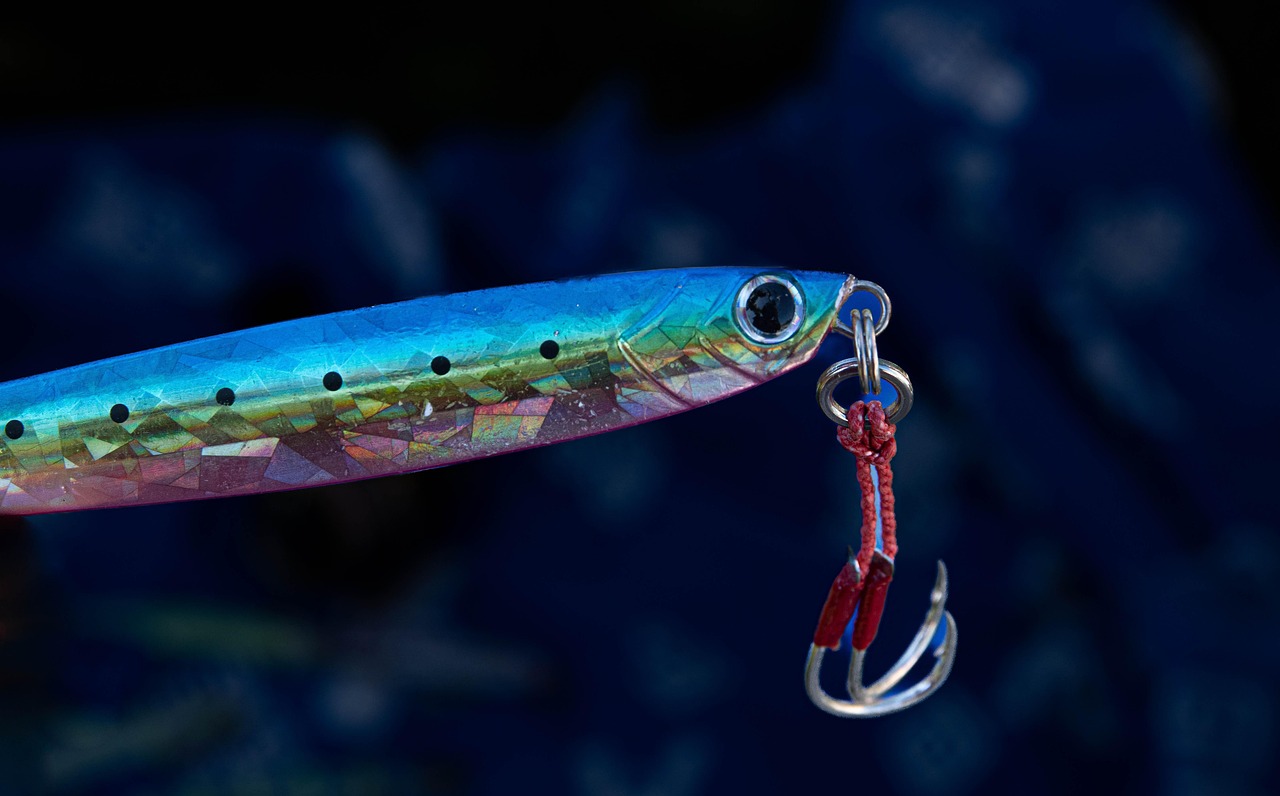
Bait can fall off the hook due to the way the fisherman places the bait on the hook. The most tender part of a shad will tear when the fisherman thread the bait through the hook. Due to the current in the water or the presence of a catfish, the bait can fall out of the hook in mere second.
2. Securing Bait to Prevent Spinning
To avoid this problem, the fisherman should place the bait through the thicker part of the shad, near the backbone of the fish. The fisherman should thread the point of the hook out of the bait, then a rubber band or dental floss should secure the bait and the hook together. Bait can also spin in the water, causing the fishing line to become entangled and the fish to avoid the fishing spot altogether.
3. Optimal Bait Cutting Techniques
Bait should be cut in such a way that the two end of the bait are squared off and the fisherman should hook the bait in the center. If the bait is longer than four inch, a second hook should be added to the bait. Additionally, some guides will trim a sliver of the bait to avoid any natural curve in the bait.
4. Maintaining Bait Temperature
Additionally, another problem with bait fishing is that the cut bait may become too warm for the fish. If the fisherman stores the cut bait in a bucket in the sun, the bait can reach temperatures that make it mushy and smell worse than when it was fresh. To avoid this problem, the fisherman should store the bait in a cooler with ice.
Additionally, the fisherman should store the cut bait in sealed plastic bag so that the bait is stored at a temperature of thirty-five degrees F until the time to bait the hook.
5. Selecting the Correct Hook Size
A third problem with bait fishing is using the wrong size of hook for the bait. Using a hook that is too large will cause the hook to tear through the bait when the fish pulls on the line.
Additionally, using a hook that is too small will cause it to not find enough purchase on the bait so that the fish will not be able to be hooked. To combat this problem, the gap between the bait and the hook should be the same as the width of the bait chunks. For instance, two-inch shad will have a 4/0 circle hook.
The fisherman should test the hook in the fishermens hand prior to fishing. If the bait covers the bend of the hook, the size of the hook is appropriate for the bait.
6. Preventing Bait Spoilage and Bacteria
Another issue with cut bait fishing is storing the bait in a single bag. When one piece of bait begins to break down, the rest of the bait may be spoiled due to the bacteria that cause the spoilage. Additionally, if the fisherman is on a boat, the spoilage of bait will result in the development of an unpleasant smell in the fishermen’s boat. Fish will smell the spoiled bait and will avoid the fishing spot altogether.
To avoid this problem, the fisherman should portion the cut bait into the amount that the fisherman will use each day. Each portion of bait should be stored in its own sealed bag with a paper towel to absorb the moisture from the bait. Each bag of bait should be stored in the cooler until needed.
7. Adjusting Bait Thickness for Currents
Another problem with bait fishing is using bait that is too thick for the water current. Bait that is too thick will not move correctly through the water, and the fish will ignore it. Additionally, bait will become entangled when too thick.
Using bait that is too thick will result in the angler spending their days with no fish. To avoid this problem, the fisherman must learn to read the water prior to baiting the hook. If the water is fast-moving, the fisherman should cut the bait perpendicular to the backbone of the shad. If the water is slow-moving, the fisherman should cut the bait at a shallow angle to the fish.
8. Sharpening Hooks for Better Penetration
A fourth issue is the hook used to bait the cut bait. Using baitfish hooks that are not sharpened will result in the fisherman losing the fish to the bait. When the bait is placed into the water, the soft flesh of the baitfish will dull the hook so quickly that the fish will not be hooked. To avoid this problem, fisherman should carry a small diamond hone with them when they go fish. Prior to each use of the cut bait hook, the fisherman should hone the hook three times with the hone. The point of the hook will be ready to set into the fish.
9. Using Fresh vs Reused Bait
A fifth problem is reusing bait that has been nibbled on by the fish. Due to the fact that the fish nibbles the outer layer of the baitfish, the scent of the bait will change. Additionally, the fish will be wary of the bait and will avoid it. Fresh bait will always outperform reused baitfish bait. If a fish has nibbled on the bait, the fisherman should simply start over with a new piece of bait.
The bait may be more expensive, but the fisherman will save themselves the time spent baiting with compromised baitfish bait. All of the problems that fisherman encounter while using cut bait have the same root cause. The root cause of all of the problems with bait fishing is the assumption that using a knife to slice open a baitfish and inserting a hook into the fish is all that is necessary for effective bait fishing.
However, fish and the environment demand more from a fisherman who wishes to have success fishing with cut bait. By treating bait fishing as a technological engineering process rather than a process involving raw baitfish, fisherman will find themselves with more success fishing and battling the fish that they have caught. The next time that a fisherman heads out to the water to fish, they should bring with them the cooler, the extra bags, the hone, and be prepared with patience when using their knife.
In doing so, they will avoid the frustration of bait fishing and have more time to enjoy the fish that they have caught. While there will be a few lost pieces of bait to the fish, losing the bait is part of the game. What will change is how often the fisherman will end up connected to their fish instead of wondering where their cut bait has gone.
Though this adjustment may seem small, it is a small adjustment that will transform fishing into a pastime that is worth remembering.