
The Outer Banks consist of a thin ribbon of sand that sit between the Atlantic Ocean and the sounds that border the mainland. For those who knows the lay of the land in the Outer Banks, this ribbon of sand takes the place of a very long fishing pier, except that there are no pilings for the anglers to place they feet. To engage in surf fishing in the Outer Banks, an angler must show up at the beach with only a fishing rod, a bucket, and the hope that the fish will decide to dine on the angler on that particular day.
On some days, the ocean seem to provide the angler dinner. On other days when the fish are not biting, the angler must exhibit patience for four-hour periods while the ocean’s waves play upon the angler’s knee. The difference between an individual who leaves the beach with an empty cooler as opposed to an individual whose cooler is plumped with fish is not the result of luck.
The difference are the results of a set of habits that those with experience in the art of surf fishing employ. These particular habits are among the most important in the sport of surf fishing and help to separate those anglers who catch fish from those who find themself with an empty cooler by the time they return home from the beach. The first thing that an angler must do is to ensure that there is fish present in the area that they fish.
Essential Tips for Successful Outer Banks Surf Fishing
1. Monitor Tide Charts and Rip Currents
This can be accomplished by keeping an awareness of the tide charts that those who live on the Outer Banks coast display on the refrigerator. The areas where the deepest troughs of the ocean meet sandbars tend to contain fish because the bait becomes trapped in these darker patches of water caused by the tidal changes. Rip currents that pass through the sandbar are also a good area to fish for fish.
These currents will carry the baitfish toward the predators that live in the area. Before placing a fishing rod into the sand at the beach, anglers should spend ten minutes walking along the beach. Areas where the ocean waters break are often different than those areas where the ocean waters does not break.
Drum and redfish appear in these different area of the ocean. Fishers should fish these areas instead of wetting their fishing line in an area that is devoid of fish.
2. Select the Right Fishing Rod
Once an angler has chosen a spot to fish, using the appropriate fishing rod will make it easier for the angler to successfully catch fish.
Anglers should utilize a nine-foot or ten-foot fast-action fishing rod that is weighted for fish that weigh between two and five ounce. Fast-action rods allow the angler to feel the tap that the redfish place upon the rod. Shorter fishing rods are better for fighting the fish that the angler caught.
However, shorter fishing rods will not allow the angler to successfully launch the bait into area beyond the whitewater breakers. Experienced surf anglers will have two rod of different lengths. Each individual will have a long fishing rod to fish the areas beyond the breakers and a shorter rod to fish the sloughs that are adjacent to the angler.
3. Use Fresh Bait for Better Results
The type of bait that is used in surf fishing in the Outer Banks has a variety of different opinions regarding the best type of bait. However, the opinions of others will not matter if the results of using a particular bait are not successful. Using fresh bait will result in better catches than using frozen bait.
4. Catch Your Own Live Bait
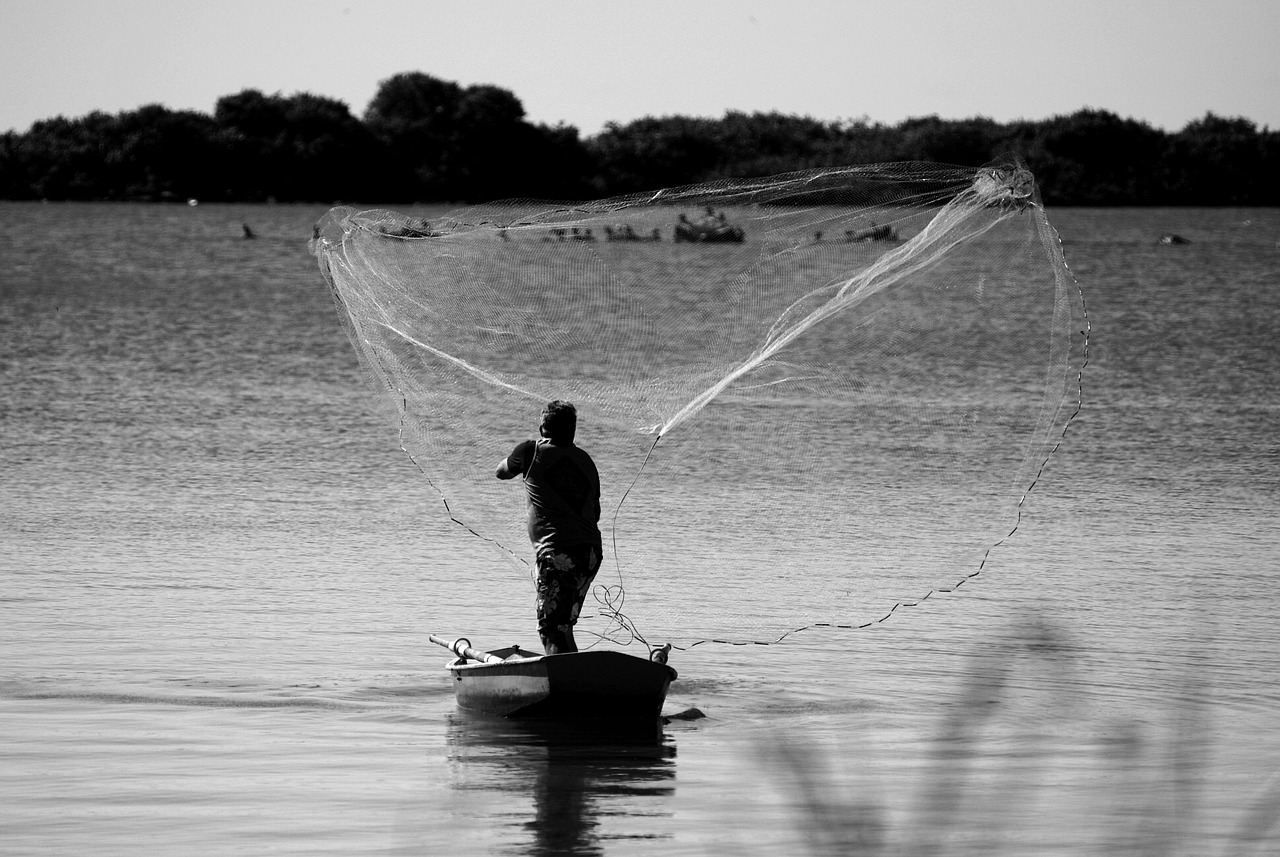
Anglers can often catch finger mullet or mud minnows with a cast net during the early morning hour. Using these fish as bait will result in better catches than other types of bait. In the case that the angler is unable to catch there own fish, using peeled shrimp will result in the best catches.
The shrimp should be cut into pieces that are the size of a quarter. Bloodworms are the best bait for those who are willing to spend the extra money for the bait. Drum cannot resist the smell of bloodworms.
5. Thread Bait with Circle Hooks
Whatever type of bait that is used should be thread onto a circle hook. The circle hook will ensure that the angler can successfully hook the fish and release them back into the ocean if desired. Timing plays the most important role in surf fishing in the Outer Banks that many angler will admit.
6. Time Your Trip with the Tides

The two hours prior to low tide and the two hours after low tide will result in the best catches. Early in the morning and late in the evening is also good times of the day to fish. However, during the fall mullet run, the best time to fish is at high noon.
During these hours, the baitfish will be closest to the surface of the ocean and the birds will dive into the ocean to eat them. The best time to fish is based off the tide chart and the moon phase. Anglers should not have to watch their fishing line while they are attempting to fish for surffish.
7. Watch the Wind Direction

The direction of the wind can have an impact upon a variety of different aspect of surf fishing in the Outer Banks. If the wind is from the northeast, the water will move against the beach, and fish will begin to bite from these conditions for many days in a row. Southwest wind will flatten the surf at the beach and move the fish out into the ocean.
If the wind is from the northeast at fifteen knots or more, heavier sinker should be used for fishing and anglers should be prepared for the sandbars that are encountered. These areas become the home of big red drum as they search for the meal that the surf fish will provide. The best fishing occurs during periods of very rough weather along the Outer Banks.
The fish do not mind rough weather since the fish use the rough weather to their advantage. The technique for casting a fishing line is based upon timing rather than the strength of the angler. Anglers should allow a wave to wash back into the ocean and load the fishing rod when the next incoming wave approach the shore.
8. Master the Wave Casting Technique
When a wave lifts the angler’s bait, the angler should release the fishing rod. The force of the water will push the fishing line an additional twenty yards into the ocean. Anglers should practice this motion on the beach before fishing.
A bad cast into the whitewater areas will require the angler to begin fishing again. However, with practice, an angler will master this skill and be able to successfully cast their line into the area where the water change color and where the currents move the fish. Distance is good, but accuracy in an appropriate fishing zone is what ensure a full cooler of surffish.
9. Use Proper Tools for Fish Handling
Once the fish are caught, there are a few things that should be done. A pair of long-nose fishing pliers should be used to remove the hook from the fish’s mouth. A measuring tape should also be in an angler’s pocket because the size of the fish will determine how and when the fish should be released back into the ocean.
If the angler decide to keep the fish that have been caught, the angler should bleed the fish immediately by cutting the gill arch of the fish. In addition, the fish should be placed on ice so that the fish is kept fresh for dinner. The freshness of the fish should not be ruined by leaving the fish in their blood and salt water.
Furthermore, an angler should have a cooler packed with ice for their fishing trip. A cooler with ice is the difference between having a meal of the fish that were caught and feeling regret at having to leave the beach without any fish at all. Surf fishing in the Outer Banks will reward those who pay attention to the details of the sport and punish those who do not pay close attention to the sport.
The fish owe anglers nothing. The fish move about in their element in response to the bait and other environmental feature. The anglers have to prepare themselves to be in the path of the fish.
When all of the proper gear, time, and location feature are in place, the angler will feel the presence of the fish and the line will make noise as it is being pulled from the fishing reel. At this point, anglers will remember the reason for there presence on the sandy shores of the Outer Banks. The beach does not care for those who are beginner in the sport of surf fishing or those who have spent a lifetime catching fish from the Outer Banks shores.
The beach only cares for those who prepared themselves correctly before entering the ocean’s waters. Those who pay attention to the details and who remain curious about the ocean and its inhabitants will eventually find themselves with a fish to brag about. However, anglers should also ensure that they leave some of the fish in the ocean for the next time that they will return to the Outer Banks to enjoy the beach and fish for surf fish.
The rhythm of the Outer Banks has been occurring for longer than any person and works better when people do not take more of the fish than their fair share.