
A fish that should of been a simple fish for catch has become an enemy of your fishing trip. Your fishing line was taut with tension while you patiently waited for the fish to take your bait. But suddenly, your fishing line became slack and your fish was gone.
This sick feeling is usualy the result of one of a handful of line cutter problem that plague almost every angler at one time or another. These failures dont come with warning label. They simply show up at the worst possible moment and turn a good day into a frustrating day on water.
However, most line cutter problems follows a pattern that allows anglers to diagnose the problems and eliminate them from ruining fishing trips in the future. Understanding the problems with line cutters allow anglers to choose better line cutter tools and to maintain there current line cutter tools. The key to having a successful fishing trip with minimal line failures is recognizing these problems before they become an issue.
Common Problems With Your Fishing Line Cutters
1. Dull or Damaged Cutting Edges
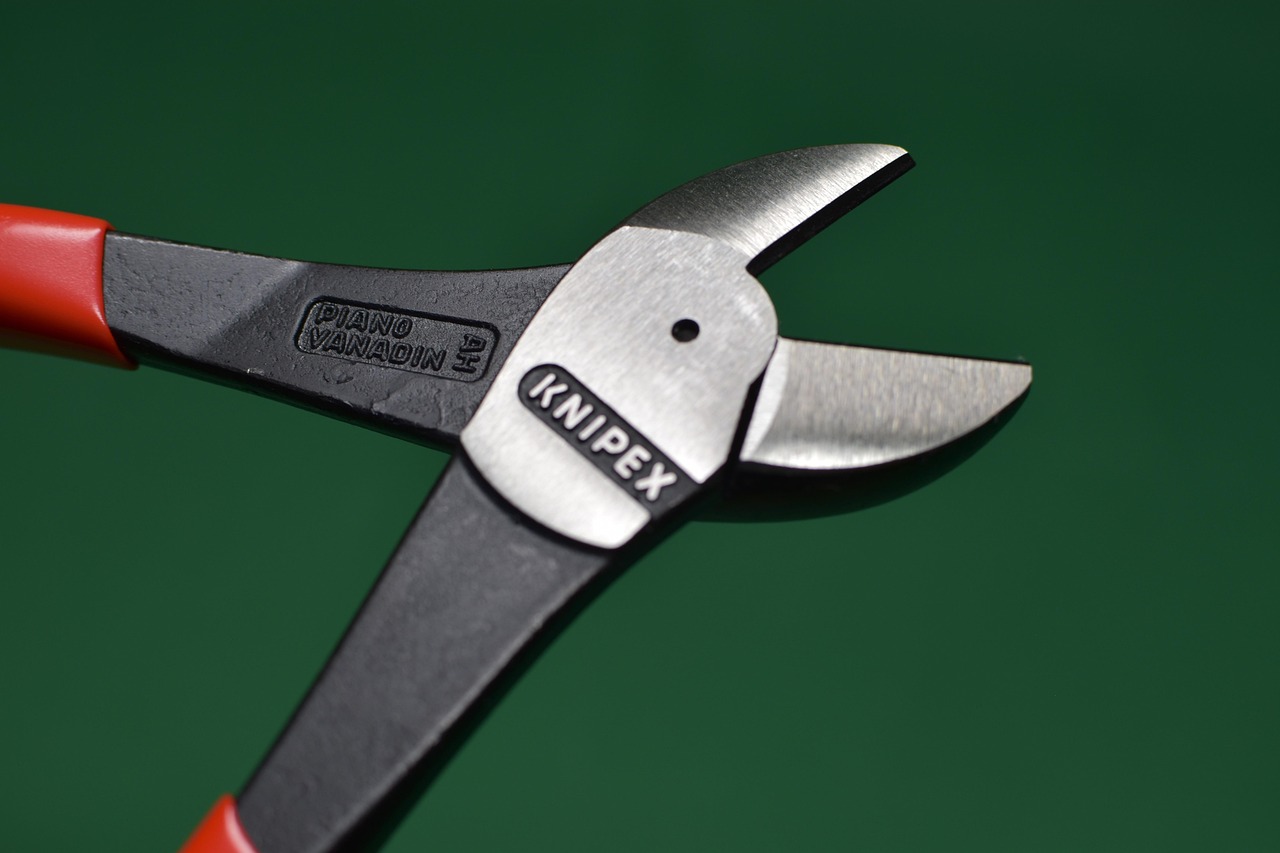
The first problem with line cutters is dull or damaged cutting edges. Line cutters on pliers, line cutters on nippers, and line cutters on some fishing reels all requires cutting edges that are sharp enough to cleanly slice the fishing line. However, when the cutting edges become damaged or dull from hundreds of line cut, the line will fray and eventually become severed from the fishing line at the worst possible time.
This problem is first recognized when fishing with braid. Braided fishing lines are difficult to cut. Dull line cutters will leave fibers on the line that become caught on the fishing guides.
These caught fibers will create a knot in the fishing line that will make it difficult to reel in the fish. However, anglers will recognize this issue and purchase new tools when they find that their cutting tool are ineffective. Testing the cutting tool on a 10-pound fishing line will reveal whether the tool requires sharpening or replacement.
2. Misalignment Between Cutting Surfaces
The second problem with line cutters is misalignment between the two cutting surfaces. The misalignment problem is common in side cutters and crimping pliers. Pliers that have been dropped on rocks or that has experienced heavy use will feature misaligned cutting surfaces.
Anglers will feel a give in the cutter when attempting to perform a line cut. This misalignment will result in either the line slipping out of the cutter or the line requiring several sawing motion to be severed from the line. Additionally, the misalignment will leave microscopic nicks on the fishing line that weaken the line by as much as 30%.
The line will fail three casts later when a decent fish is first caught. A careful inspection of the line will reveal the misalignment in the cutter. Placing the cutter’s jaws to the sky will reveal whether the cutting surfaces is aligned properly.
3. Corrosion and Salt Buildup
The third problem is corrosion and salt buildup. This problem is common among saltwater anglers who utilize stainless steel line cutters. These cutters will eventually develop a crystalline substance along the cutting surfaces that acts like sandpaper.
This sandpaper will wear at both the cutter and the line. Anglers can prevent this issue by rinsing their line cutters in fresh water after each fishing trip. However, many angler ignore this process due to there focus on fishing.
4. Improper Cutting Technique
The fourth problem is improper technique with perfectly good line cutters. Many anglers utilize nail clippers to sever heavy braid lines. Additionally, anglers often place the line too far back into the jaws of the pliers.
If anglers place the line too far back into the jaws with the nippers, the line will be crushed and flattened. Additionally, this improper technique makes it difficult for the line to pass through the eyes of the hooks or lures. The best technique with perfectly good line cutters is to place the line near the base of the jaws of the nippers.
When the line is placed at the base of the jaws, anglers will experience a clean severing of the fishing line without any crushing of the line.
5. Wrong Cutter Type for Braided Line
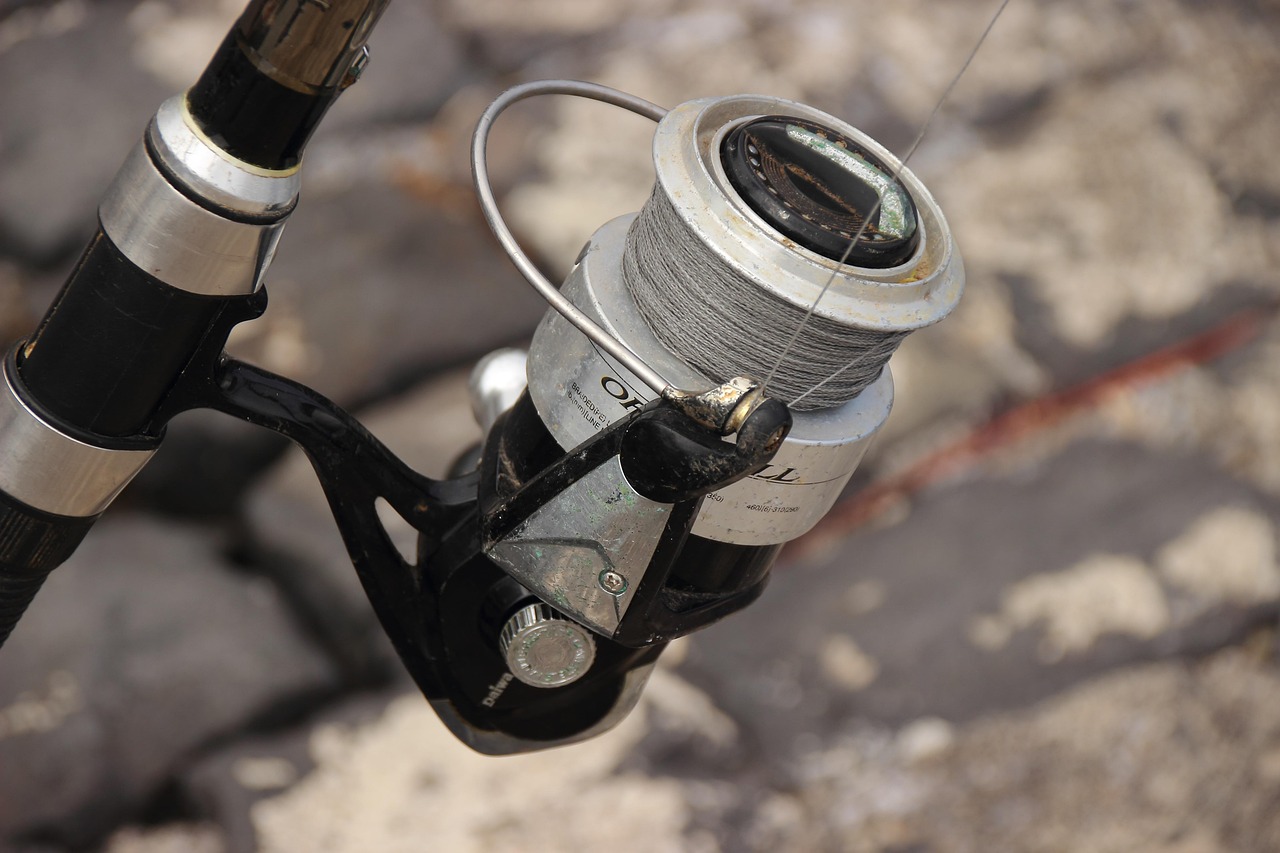
The fifth problem with line cutters is the wrong cutter type for braided line. Braided fishing lines are resistant to severing with standard diagonal cutters.
These cutters will leave the braid line’s end mushroomed out which will cause the line to become unable to pass through the smallest fishing line guides. Using specialized braid cutters prevents the line from becoming mushroomed out when severed with these cutters. However, many fisherman stick to the same tool they were given when purchasing there fishing gear.
The tradeoff with certain line cutters is there durability. For instance, braid cutters with ceramic blades easily sever braided lines. However, the ceramic blades will shatter if the tool is used to sever wire or split shot.
Anglers need to recognize the capability and limitations of there line cutters to prevent failure of the tool and cursing of the fisherman. Experienced anglers understand that there are two different line cutters that can save them time. One line cutter is for braided lines and the other is for all other fishing tools.
This might seem cumbersome to some anglers but will save them time and effort in the long run.
6. Unexpected Jaw Contamination
One of the last problems with line cutters is unexpected jaw contamination. Fishing line cutters will become contaminated with other substances such as dried bait, sunscreen, or dried glue from soft plastic lures.
These substances will weaken the fishing line during the cutting process. A quick wipe of the cutter’s jaw surfaces will eliminate this problem. Additionally, the small line cutters within spinning fishing reels also become quickly contaminated with sand and other substances in the water.
These small line cutters will need to be periodically cleaned with a soft brush and isopropyl alcohol. If the small line cutters are not cleaned, they will stop cutting the fishing line entirely. In this case, the angler will be forced to purchase separate tool.
7. Over-reliance on a Single Tool
Finally, the over-reliance of a single tool will cause line cutter problems. The same pair of pliers can be used to sever fishing line, crimp the sleeves on the line, and even tighten the hooks on the fishing line. However, this over-reliance will cause the cutting surfaces to wear down.
For instance, crimping the sleeves on the fishing line will leave indentations in the plier’s jaws that will ruin its ability to neatly sever the fishing line. Using dedicated nippers for the fishing line, using crimpers for the fishing line sleeves, and using pliers for the hooks will last the cutters significantly longer. Although this might seem like an inconvenience to some fishermen, it will save them time and effort in the long run.
These problems with line cutters rarely present themselves without warning. However, the fisherman finally recognizes the problems as they build up. Recognizing the line cutter problems gives the fisherman power over them.
Anglers who have sharp line cutters will experience fewer frustration and more success with there fishing line. Unlike the fish, anglers should never make excuses for a failed fishing trip. They should always keep there line cutters honest and they will be rewarded for it when they are reeling in fish.