
The Texas coast ranges from over 350 miles of bays, jetties, and open water in the Gulf of Mexico. This region of the Texas coast presents angler with a variety of saltwater environment. The coast ranges from shallow flats such as the Laguna Madre to the deep blue water of the continental shelf.
Because of the variety of environments that exist along the Texas coast, the fish that inhabit these areas can range in size, the way they fight the angler, and the quality of the meat from the fish. By knowing the different species of fish that lives along the Texas coast, anglers can prepare for their trips by equipping the proper fishing gear and determining where to cast their line for the best chances of success. Anglers who travel to the Texas coast will encounter a variety of different fish species on a single fishing trip.
Depending on where they fish, the anglers will have the opportunity to catch species that weigh as little as a few ounce to those that weigh as much as one hundred pounds. These different species of fish are the reason that many angler travel to Texas from other part of the state. The following paragraphs provide information on each of the important species of fish found in Texas coastal waters, from the species that beginner should learn about to the trophy fish that anglers must prepare to catch.
Common Species of Texas Saltwater Fish
1. Redfish
Redfish are the backbone of Texas saltwater fishing for a specific reason. Redfish are copper-colored fish that are also referred to as reds or channel bass. These fish live in the grassy flats and in the oyster reef from Sabine Lake to the Rio Grande.
They typically weigh between five and fifteen pounds, but bull redfish can weigh more than forty pound. The easiest way to identify a redfish is by the spot that is near the tail of the fish or the powerful tail beat that redfish make when they are caught from the water. The special attribute of redfish is that they are very willing to eat.
Redfish will eat live shrimp, cut bait, topwater plug, and gold spoons. Both novice angler and experts can find challenges in catching redfish. The fillets of redfish are firm and white in color and taste excellently when blackened or grilled.
Most coastal town feature redfish on their menu. However, anglers should remember that the slot limit for redfish are strict.
2. Speckled Trout
Speckled trout, also known as spotted seatrout, are the glamour fish of the Texas bays.
These fish are sleek and have spot on their sides and dorsal fins. Most speckled trout weigh between one and four pound, but there are speckled trout that can weigh more than twenty pounds. Speckled trout prefer the water that are slightly deeper than redfish and only when the temperature are cooler in the summer.
Many angler enjoy the use of lures when fishing for speckled trout because these fish prefer to eat soft plastic and topwater plugs. The use of a MirrOlure or a Gulp shrimp on a popping cork will produce strike from speckled trout. However, speckled trout have a delicate mouth and will not take the same amount of force as a redfish.
Anglers must use light tackle when fishing for speckled trout. Additionally, the slot limit for speckled trout are also strict and change with the region in which the angler fish. By respecting the limit of speckled trout, the fishery can remain strong in Texas for the future.
3. Black Drum
Black drum are some of the heavier fish species in Texas waters. These fish have deep body and may appear as if a redfish has swallowed a bowling ball. The young black drum species are referred to as “rat reds.” When they are young, black drum live in school and fight with great speed.
However, when they reach reproductive age, black drum change to a darker color, grow whisker under their chins, and can weigh more than eighty pounds. When large black drum are fighting, they search the bottom of the bay with the same persistence as a vacuum cleaner using their strong lip to eat crabs and clams. Many Texans may tend to overlook black drum species because the larger fish can be coarse in their eating.
However, the young black drum species have a sweet and mild flavor when prepared as a fresh meal. The fight that black drum will put up when hooked on heavy fishing tackle will feel as if an angler has hooked a freight train. Additionally, black drum species are one of the few that will be biting while fishing during the winter month.
If an angler is looking for a fish that will provide the meat for a fish fry and is willing to do the extra work to clean the fish, black drum species are a worthy addition to an angler’s fishing list.
4. Flounder
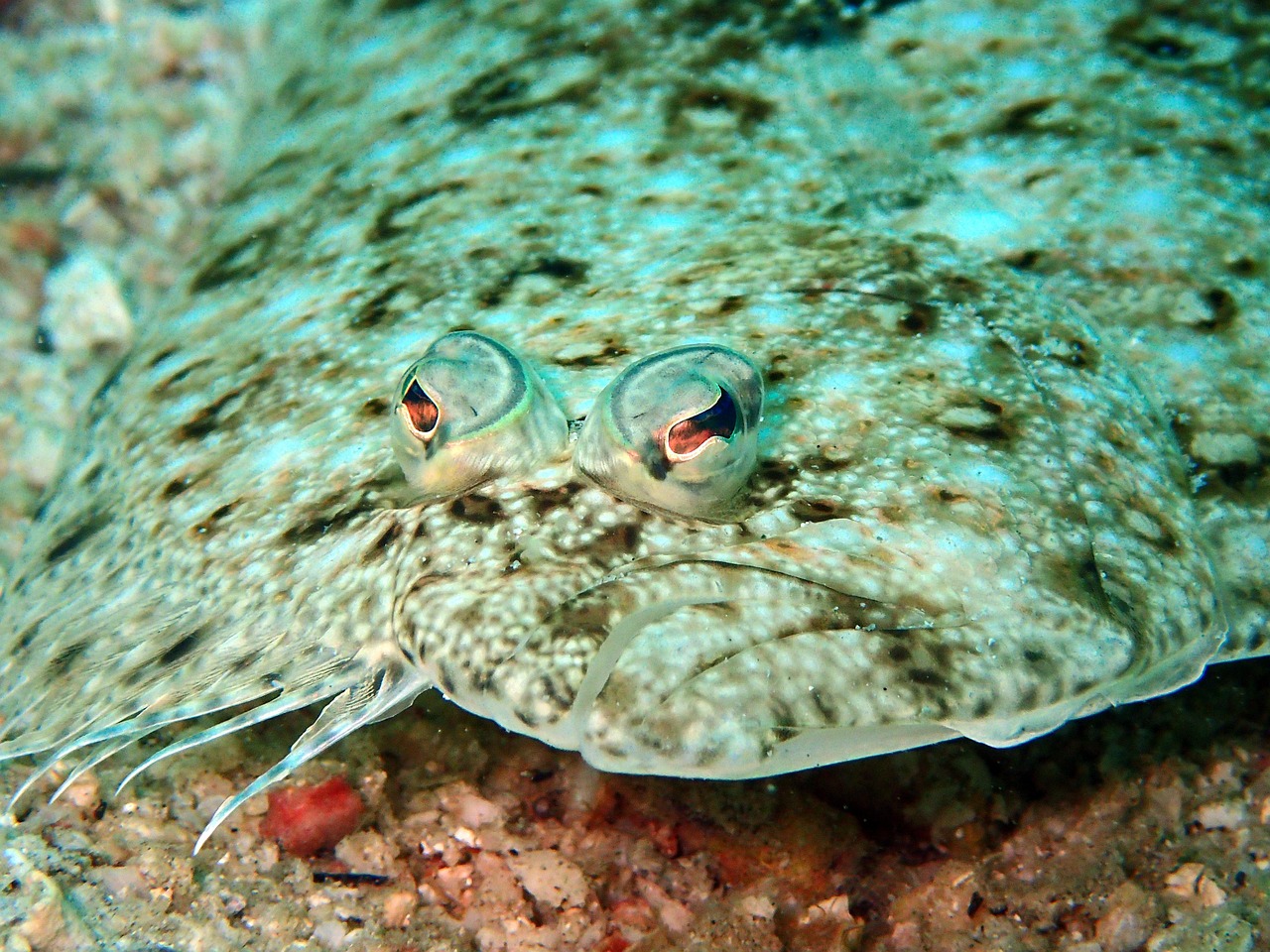
Flounder live in every bay in Texas and live in ambush position on the sandy bottoms. Flounder fish are master of camouflage and are able to change the color of their bodies to match the sand on the bottom of the bay.
Flounder have both of their eye on one side of their head giving them the look of mild surprise. Two type of flounder live in these waters, summer flounder and southern flounder. However, experienced fishermen say it can be difficult to tell the difference between these two species.
Flounder is a fish species that is known for the excellent quality of the fish when prepared for eating. The fillet of flounder are thin and sweet in flavor and are perfect for stuffing or stir fry. Flounder can be caught while drifting live bait or while using a jig to bounce along the bottom of the bay.
Many experienced flounder fisherman say the best time to catch them is during the incoming tide around the moon phase. The limit for flounder species is strict and set to ensure that the flounder population does not decline as it did several year ago due to overharvesting of these fish.
5. King Mackerel
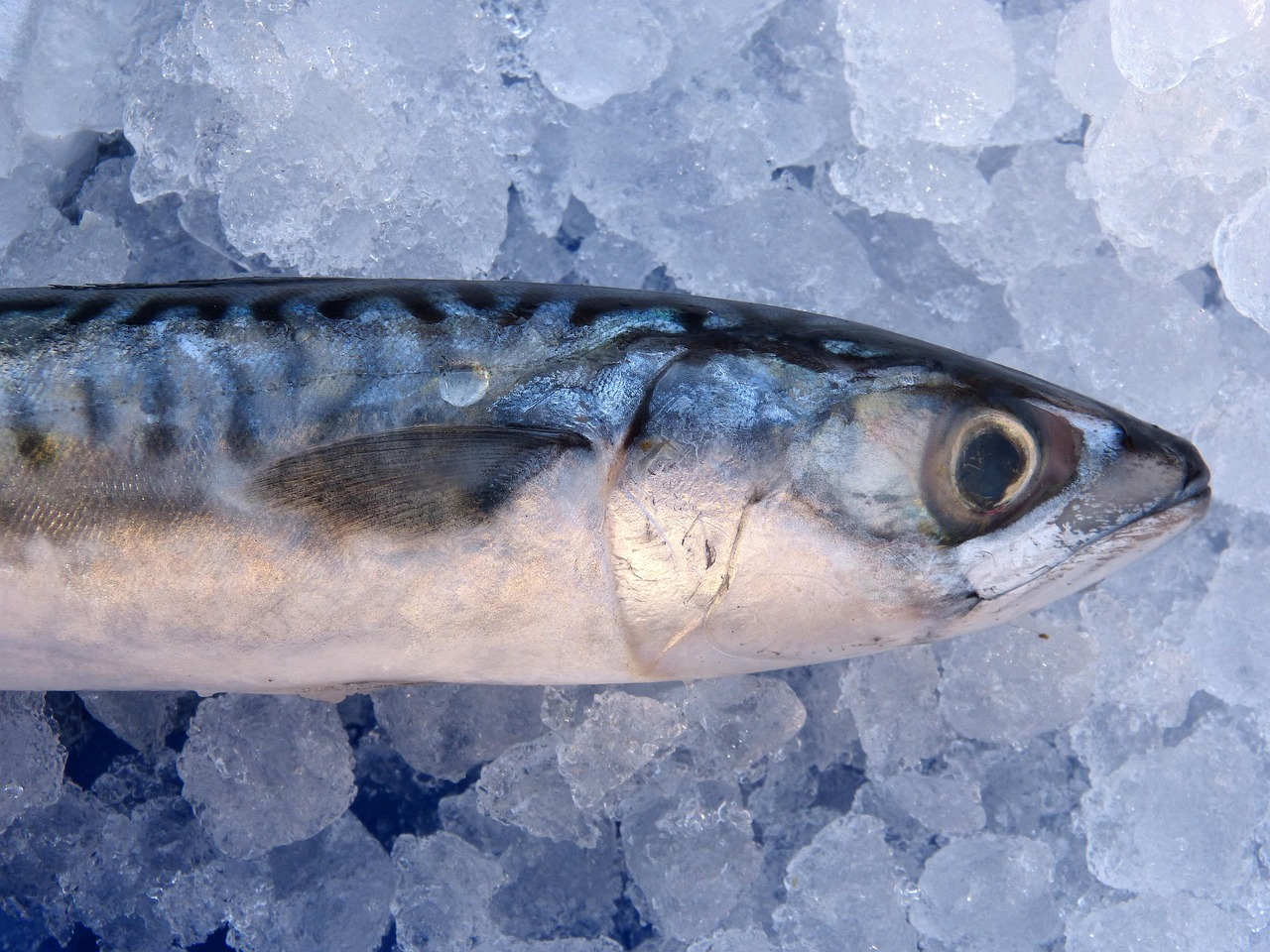
King mackerel, also known as kings, are a high speed species of fish that can provide the angler with an adrenaline rush while fishing for these species in the Gulf of Mexico.
These fish have a torpedo shape, have sharp teeth like needles, and are bright silver in color with a greenish back. King mackerel live in these area from spring to fall and will come near the beaches during the summer and fall to allow pier fishermen to catch the kings with spoons. A twenty-pound king mackerel will cause the line to pull off of the fishing reel at a rapid rate.
Additionally, the fight between the angler and the king mackerel will result in the fish jumping out of the water multiple time. Many competition angler pursue catching these fish because of the excitement of their jump. The teeth of a king mackerel will cut the fishing line if monofilament is used for the line.
When the angler brings the king mackerel to the side of the boat, it must be bled of blood and placed on ice if the angler plan to eat the fish. If done properly the meat will be firm and excellent for grilling or smoking.
6. Snook
Snook are a more important species to the Texas coast, specifically along the lower portion of the Texas coast.
Snook species are the tropical cousin of the largemouth bass species. Snook have a black lateral line on their body from snout to tail. Additionally, snook have a jaw that hangs down from their upper jaw giving them the look of a bulldog which reflects the fighting nature of snook species.
Snook live near structure in the water such as docks, mangroves, jetties, and rock piles. Texas is the northern edge of the range of snook species. However, when it is warm in Texas in the summer month, snook will be found near the water’s edge providing anglers with the opportunity to sight fish for snook.
Snook make a sound when they suck on live bait that is near the water’s surface that sounds like a toilet that is being flushed. Additionally, the jump and run that snook make when they are caught can take the breath from an angler. Because snook are not as common as redfish or speckled trout, anglers will feel a sense of accomplishment when they catch a snook species for the first time.
7. Tarpon
Tarpon species, also known as silver kings, are some of the larger fish species in Texas waters. Tarpon are giant species that eat herring and can weigh more than two hundred pound. However, the average weight of a tarpon is between eighty and one hundred and twenty pounds.
The scale of a tarpon are enormous and reflect in the sun like polished chrome. Additionally, these fish will leap out of the water when they are being fought over by anglers. The fight between an angler and the tarpon can last for many hour and experienced anglers and guides will have plenty of water and patience on board.
The best spot to find tarpon is at the jetties from spring to early summer. Tarpon tend to gather at these areas before they head offshore. Anglers can sight fish for them using flies or large topwater plug when the water is clear.
However, many angler will find tarpon while they are on a live bait fishing trip for sharks or king mackerel. Even if an angler does not plan on keeping any tarpon, the experience of finding a tarpon will transform the angling experience for that day.
8. Sheepshead
Sheepshead fish live near the jetties and the piers.
These fish have black and white stripe down their bodies like a zebra and have teeth that are the same as a human’s teeth. Sheepshead have powerful jaw that are strong enough to crush barnacles and oysters. The meat of a sheepshead fish has a flavor that some angler love and some that do not.
Sheepshead is not known for the fighting ability of the fish, but there is a puzzle for anglers to solve when they fish for these fish. Sheepshead will eat baited hook, but the fish may steal the bait before the angler can get their hook in. Sheepshead anglers must use small hook, light fluorocarbon fishing line, and the amount of weight to the bait necessary to allow it to land on the bottom.
Sheepshead species will be found in abundance in certain area of Texas when the tide is the proper height for the sheepshead and the fish are actively looking for food. The fillet of sheepshead are white and excellent when fried. However, some angler take the time to remove the skin and scale from the fish before cooking the fillet.
9. Cobia
Cobia species are the brown fish in Texas waters and are uninvited but welcome guest. These fish have a flat head and an unusual body shape. These fish like to follow the ray or other floating debris in the water because they are hunting for food.
When they strike at bait, the strike is sudden and violent. Cobia can grow to six feet in length and weigh more than one hundred pound. However, sixty-pound cobia are the more common size of cobia in Texas waters.
The fillet of these fish are among the best of any species of fish in the Gulf of Mexico. The texture and flavor of the meat of a cobia is mild and can be prepared in a variety of recipe. Because these fish are migratory, knowing when and where they will be can provide a fishing advantage to those who seek to add them to their dinner table.
Experienced fishermen know the water temperature and the direction of the wind to determine when the cobia will show up in specific area of the Gulf.
10. Spanish Mackerel
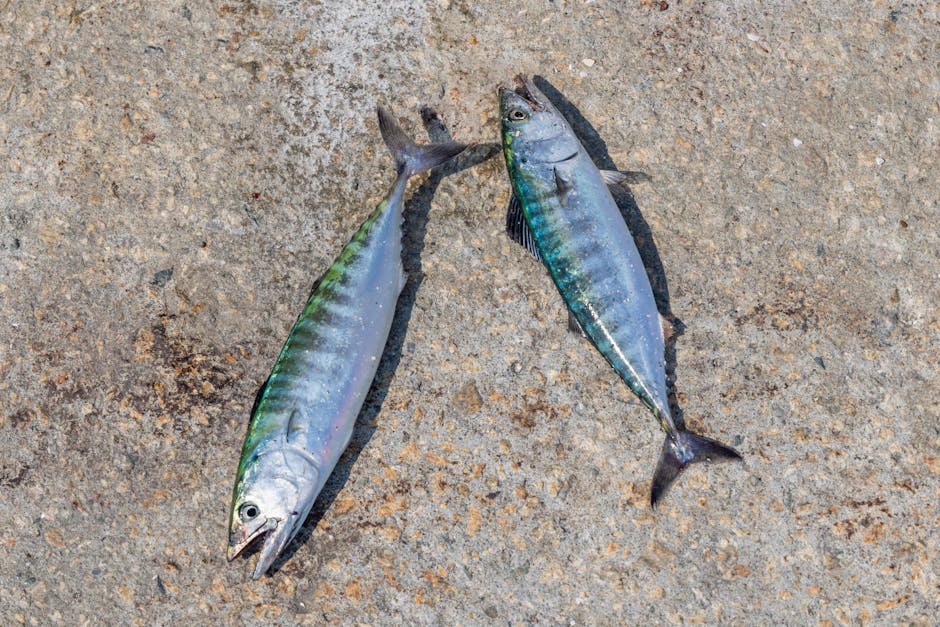
Spanish mackerel offer angler fast action when other fish in the area are not biting. As the smaller cousin to the king mackerel, Spanish mackerel often swim through school of baitfish in the water.
The sharp teeth and the running ability of Spanish mackerel make for an exciting fishing experience with light spinning gear. The mackerel’s tendency to push baitfish toward the surface of the water also attracts bird and fishermen from many mile away. If you find a Spanish mackerel, it is hard to beat if you cook the fish over an open fire.
The oily flesh of the Spanish mackerel is loaded with omega-3 fat that are beneficial for the human body. Additionally, the flesh of the fish take smoke very well on the fire. However, be sure to bleed the Spanish mackerel as soon as you catch it and keep it on ice.
Due to the sharp teeth of the Spanish mackerel, the fish can be messy when preparing it for consumption. Fishing with a Spanish mackerel may be an activity for families with young children as the fish may provide many instance of bending fishing rods per hour. Every one of these fish species play a role in the complex web of life along the Texas coast.
Each of these fish species offer Texas fisherman something special. Some species of fish are known to provide anglers with delicious protein while others are killed in the catch for sport. Some of the fish that live in the coast of Texas are seasonal visitor.
Regardless of the time of year that fishermen are on the coast, the fish will continue to show up in the anglers’ net if they treat the fish with respect. Next time you trailer your boat or step foot on a jetty with a bucket of shrimp, remember that the Texas coast is home to many remarkable creature. Pay attention to the fish you catch and the condition of the water where they live.
Always release the fish you are required to release. The coast will continue to exist in its beauty and the area will be waiting for the next tide and the next angler to discover its many secret.