
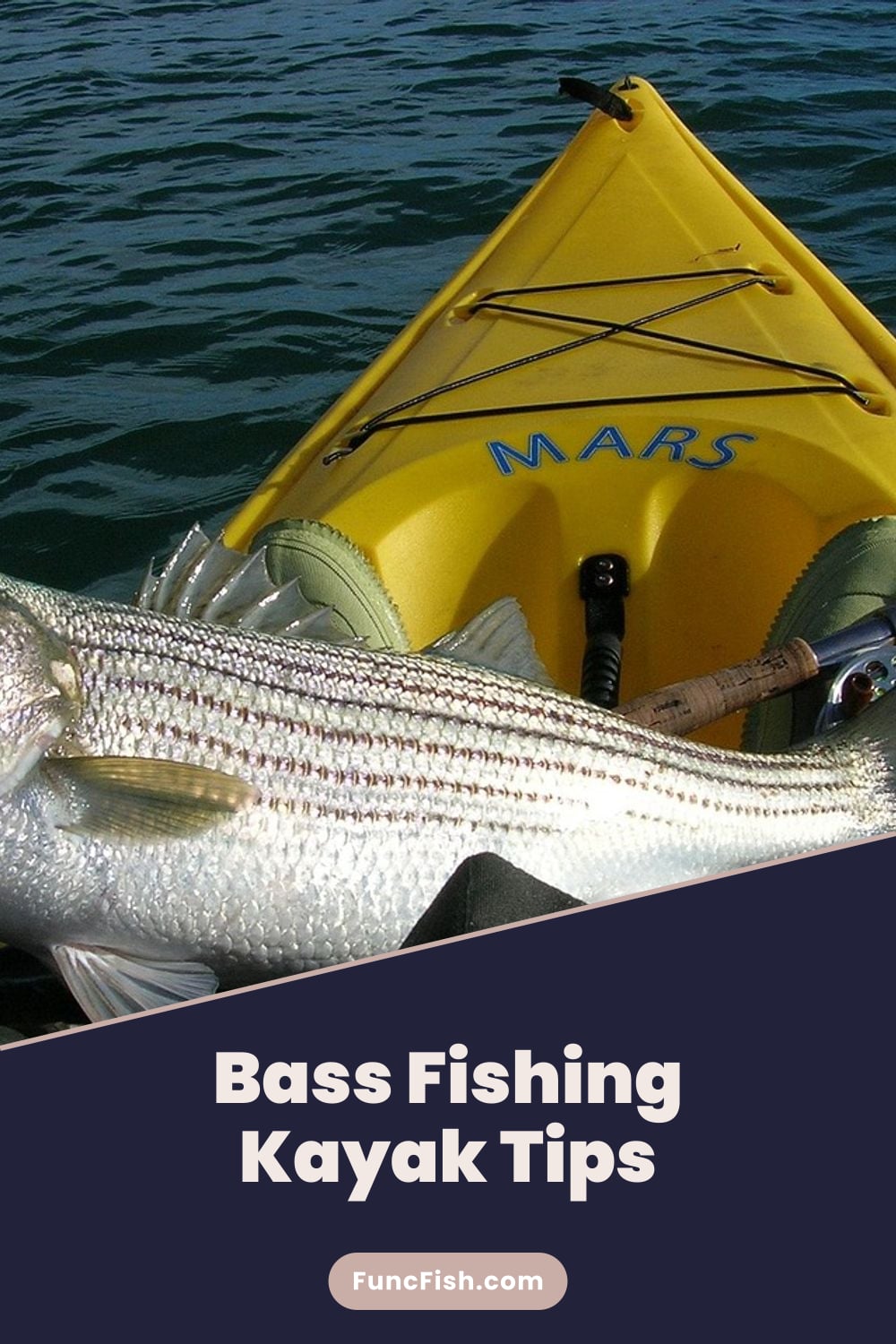
When you enter a kayak at dawn with a fishing rod in your hand, the experience of bass fishing change completely. The world becomes small to you because the world is limited to your kayak and the fish in the water. There is no lines at the boat ramp that you have to deal with.
There is no engine noise that will scare the fish you are trying to catch. You are alone in the water and you have to remember to not make any incorrect movement with your kayak or you will fall into the water with your fishing gear. While kayak anglers have the ability to catch many bass, kayak anglors are also able to catch bass in areas that other, larger boat cannot go.
Therefore, there are certain habits that separate kayak anglers who come home empty handed from those who have five-pound bass in there kayak. These instructions has been developed after years of trial and error while fishing from kayaks on lakes, rivers, and the backwaters. Each of these instructions addresses a particular problem that kayak anglers face each season when they are on the water.
If followed in the order in which they are provided, kayak anglors will spend less time fixing mistakes and more time fighting fish. Since these adjustments require only six inches of your height to be above the water line, the adjustments will add up quickly.
Essential Tips for Successful Bass Fishing Kayaking
1. Purchase a Bass Fishing Kayak
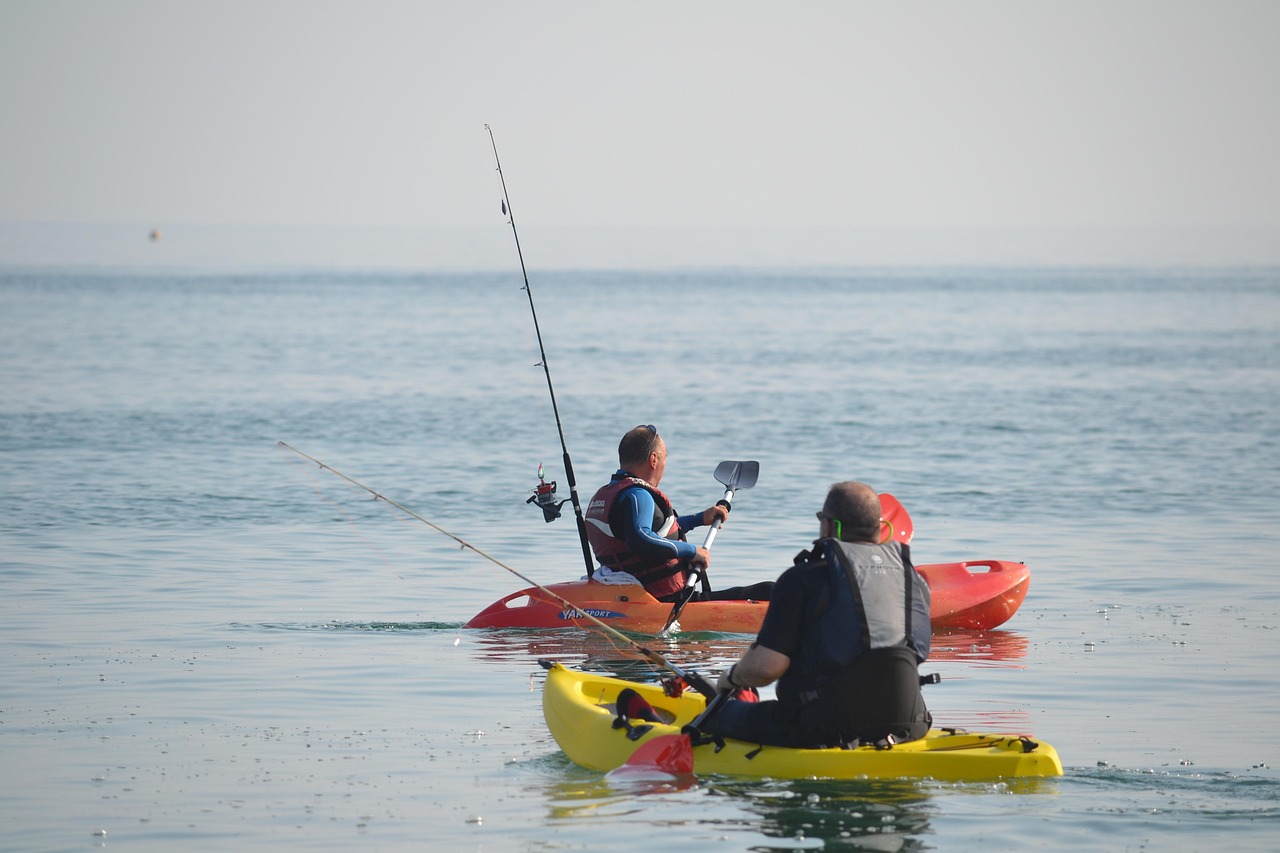
The first thing that you should do is purchase a kayak that is designed for bass fishing.
Kayaks with sit-on-top designs allow for your casting of your fishing lure from various angle. Kayaks should be at least twelve feet in length to allow for the kayak to track in a straight line at high speeds. Kayaks with wider hulls, such as those that are thirty-four inches in width, offer stability when you are using the net to catch a fish or when you are standing up on the kayak to view the area where fish may be located.
Kayaks should have weights that can hold the additional weight of your rods, tackle box, cooler, and safety gear. Kayaks that are narrow and designed for recreational use may feel good when there is no wind, however, when there is wind or when a three-pound bass begin to pull on your kayak, it will be difficult to use the kayak effective. Maintaining the correct body position while on your kayak will prevent you from getting fatigued during your fishing trip.
2. Maintain Correct Body Position
Furthermore, maintaining the correct body position while on your kayak will also increase the accuracy of your casts with your fishing rod. Your knees should be slightly bent and your feet should be against the footrests or the hull of the kayak. This position will maintain your back in a straight position and allow your kayak’s core to rotate when you cast your line.
Many anglors who are new to kayaking will begin to hunch over after one hour of fishing and may become confused as to why their fishing line is not traveling as far as they would like. When individuals hunch over when on a kayak, they lower their center of gravity which makes their kayak more unstable. Additionally, individuals should keep their heads up and their eyes scanning the shoreline for movement by the fish before they begin to chase the lures that they cast into the water.
3. Use an Anchor System
Using an anchor system will save you many hours when on the water while the wind is blowing. If the water that you would like to fish is shallow, then using a stake-out pole will hold you in place without making any noise that might spook the fish. For areas that are deeper than those that you find along the shoreline you can use a drift sock to keep you in place while you cast your line into the water.
Using these two tools will allow you to learn how to anchor in certain situations and to drift in others. While it may seem tempting to use your kayak to anchor itself and to not move from the spot that you selected, you will waste time when you do this. Additionally, if you drift too often, you may scare the fish that are within twenty yard of your kayak.
By practicing these techniques prior to your fishing trip, you can learn how to use the wind to your advantage and to set up drifts that will allow you to fish in these productive areas without having to travel long distances on the kayak.
4. Organize Your Fishing Tackle
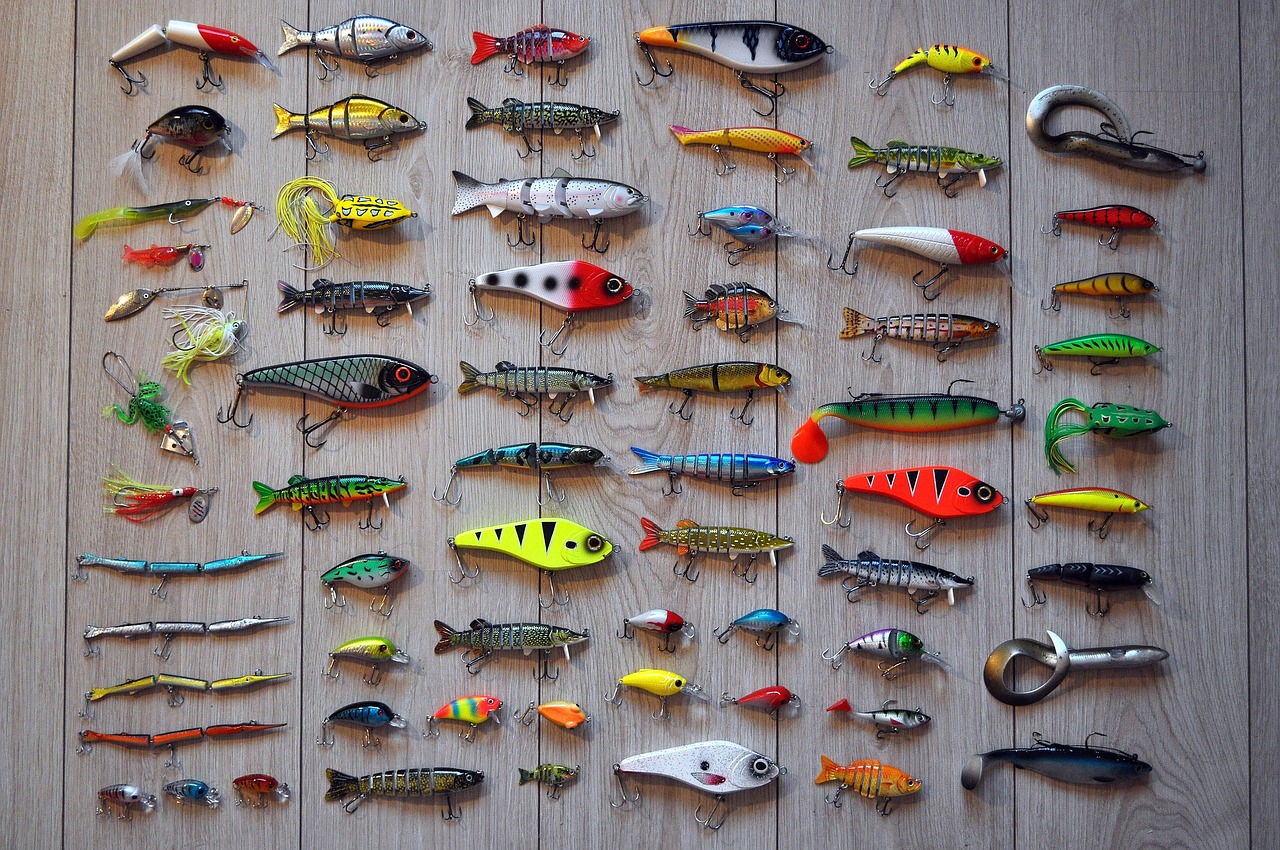
Organizing your fishing tackle is important in order to access your items without making your kayak unstable. Items such as milk crates or rod holders that are located behind your kayak will keep your fishing rods within reach while not getting in the way of your fishing trip.
A small bag that is clipped near your dominant hand will hold the lures that you use when fishing, pliers, and line clippers. Avoid using your tackle box when you are fishing because you may lose the stability of your kayak. Keeping two or three rods of different rig will allow you to quickly switch fishing tactics.
For example, you can have a rod for topwater lures, a rod for Texas rigs, and a lighter rod that you use for shaky heads. By having these rods pre-rigged you can change tactics in mere seconds instead of minutes.
5. Master Paddle Control
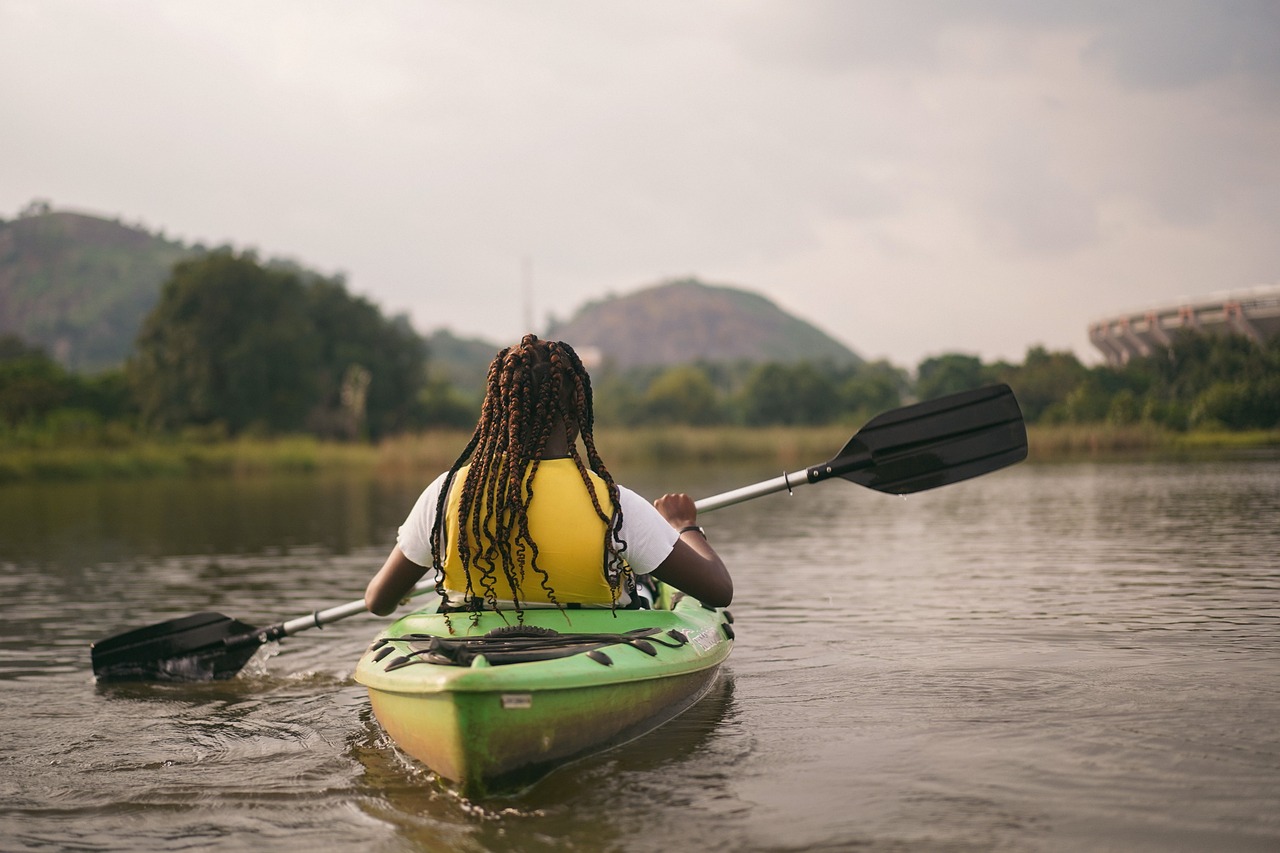
Mastering your control of your paddle will transform your kayak into an instrument that moves silently through the water.
Learn how to perform the forward stroke with your paddle that ends in a subtle J-motion as this will allow for your kayak to travel in a straight line. Paddle strokes that are sloppy will make a noise in the water that bass can hear from a long distance away. Practice moving from one side of the kayak to the other without lifting the blade of the paddle very high above the water’s surface.
By lifting the blade high you will splash the water and make unnecessary noise. Once you can paddle twenty yards without making any noise of a drip with your paddle, you will be ready to fish areas that are likely to contain fish that are easily spooked by noise.
6. Read the Water
To properly read the water when on a kayak requires practice.
Because your eyes are lower than they would typically be when on a boat, you have to look for changes in the texture of the water’s surface, changes in the color of the water, and anything that breaks the reflection of the sky on the water. Features like submerged logs will likely show as a dark shadow or a ripple in the water. Areas where baitfish are traveling will make dimples on the water’s surface and areas where bluegill fish are moving will scatter.
These indicator will help you to understand where the bass are in the water. With a few trips into the water on your kayak, you will begin to recognize these visual clues and learn the secrets of the water on your kayak.
7. Prioritize Safety Gear
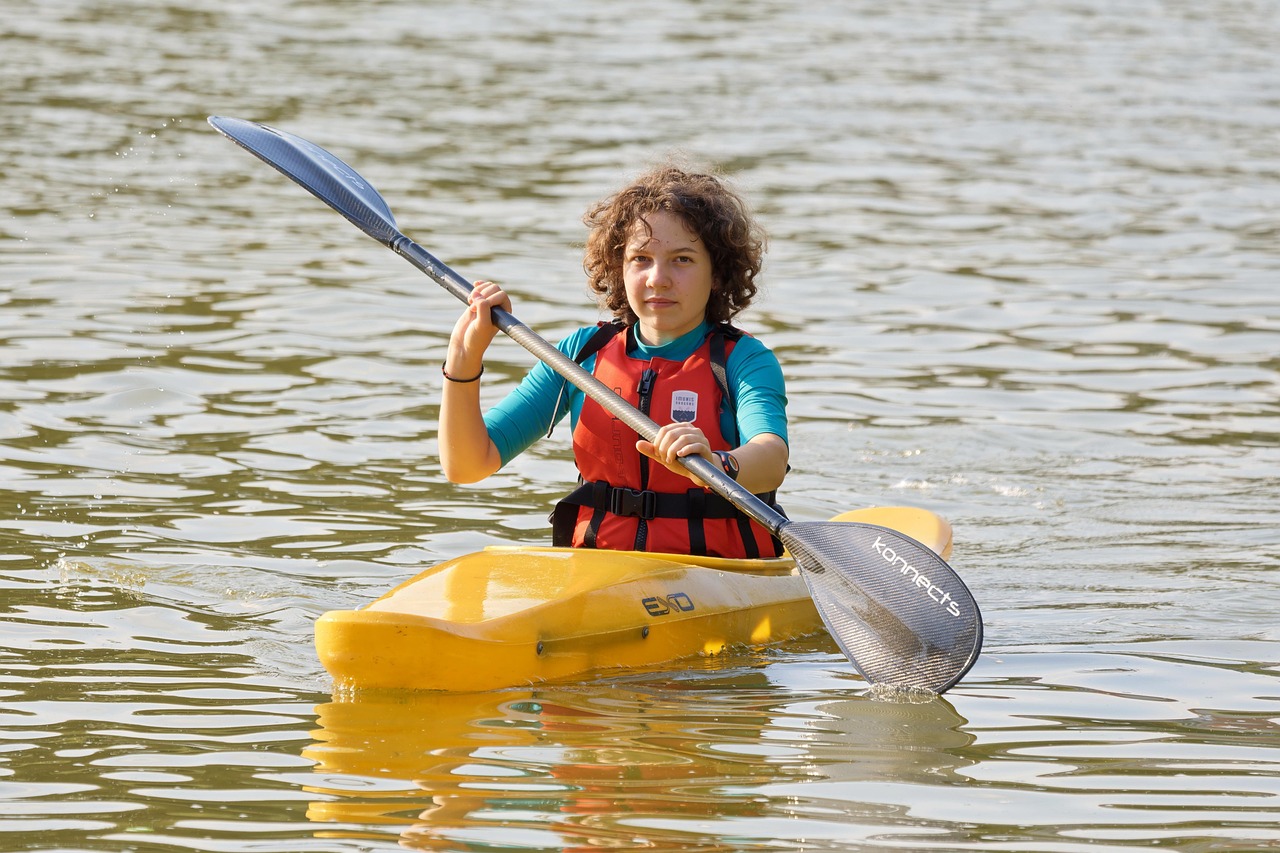
Safety gear is an item that you should never leave out of your kayak while you are on the water.
A personal flotation device that can be comfortably worn under your fishing shirt will ensure that you are legal and that you are alive in the event that your kayak begins to roll over. Safety items that should be placed in a dry bag that is within reach in the event of an emergency include a whistle, a light that will work while wet, and a bilge pump. You should always check the weather prior to your fishing trip as the weather may change quickly and create dangerous conditions for you on the water.
Additionally, you should always tell another person where you are fishing and when you expect to return from the location. While it may seem as though these steps are tedious, they are important in the event that the weather changes and you find yourself miles away from assistance.
8. Select the Right Paddle
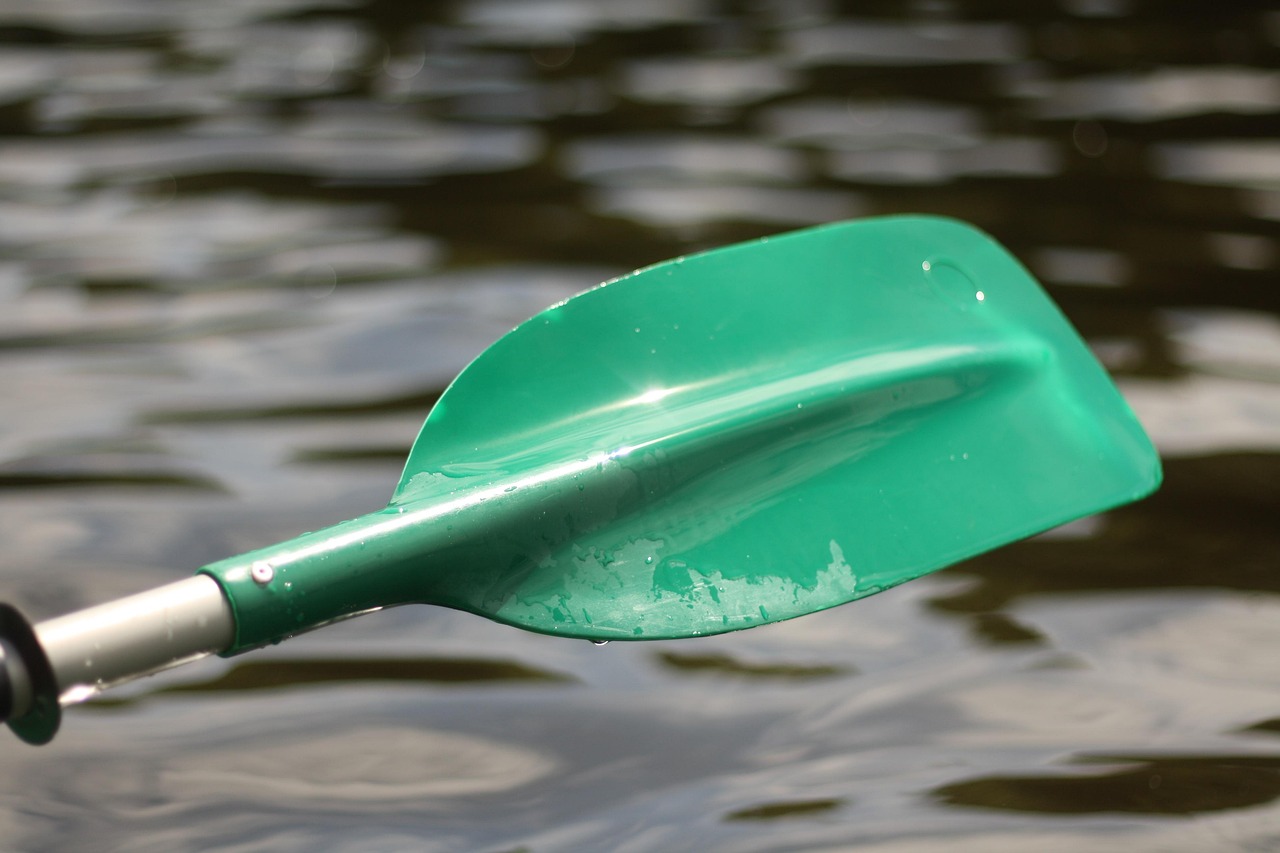
Use a paddle that is of the correct length and blades to ensure that you remain comfortable while on the kayak for long periods of time.
Kayak anglors generally find the most comfort using a paddle that is between 230 and 250 centimeters in length. If you use a shorter paddle, it may feel as though you can paddle quickly, but you will require more strokes to travel a distance. Longer paddles allow you to move more water with each stroke, but you may strain your shoulders if you use a paddle of the incorrect angle.
Blades that are shaped asymmetrically will require less effort to use when paddling for long distances back to where you launched your kayak. After fishing for four hours with the same paddle that you use for bass fishing, you will begin to notice the difference in your arms comfort.
9. Learn to Stand on Your Kayak
Learn how to stand on your kayak when the conditions are correct.
By standing you are able to see the fish and structures in the water that are invisible while you are sitting in your kayak. Practice standing on calm days in areas of shallow water. When standing, ensure that your knees are slightly bent, your feet are apart and your eyes is focused on the horizon over the water.
Once you have mastered standing on your kayak you will be able to spot areas where fish live and move. The downside of standing on a kayak is that you are more likely to fall into the water. Standing on a kayak should only be used in calm mornings and evenings when the risk of falling into the water is at a minimum.
10. Land Fish Without a Net
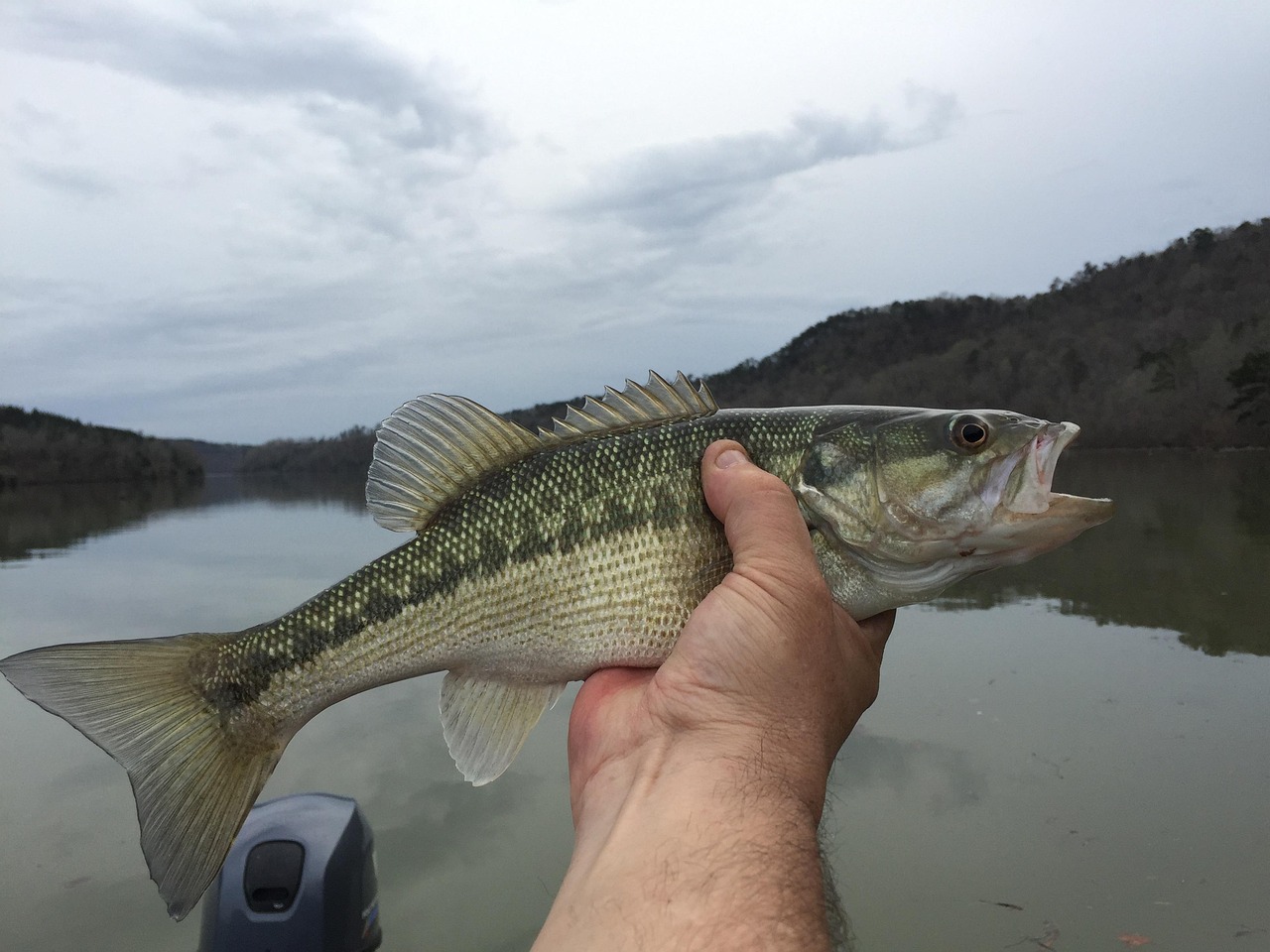
Finally, learn to land the fish without the use of a net. To land a fish bring the bass to one side of your kayak. Use your non-dominant hand to grasp the lower jaw of the bass while using your other hand to maintain pressure on your fishing rod.
This will hold the bass long enough to take a photograph or remove the hook. Do not attempt to swing the large fish into the kayak as you would a fish that you would land from a boat. The sudden change of the weight of the bass on your kayak may cause your kayak to roll over.
To avoid this difficulty slide the fish into the kayak and lean in the opposite direction of the fish. While this may take some practice to learn how to perform this process efficienty, it will become a habit and will ensure the safety of both you and your fish after some practice. While the learning curve for kayaking and fishing for bass might seem steep at first, following these guidelines will allow you to eventually master the sport.
There will come a day when you are able to perform each of these techniques without having to think about it. While the fish you catch will continue to surprise you, your kayak will no longer surprise you. This is the mark of skill on a kayak and this is when the real fun begin on the water.