
The rivers and lakes in Oregon contain a specific type of environment that is beneficial for the peoples who enjoy fishing with a line. This state contains coastal rainforests, high desert canyons, and mountains that contains many snowfalls throughout the year. The lands produce different types of water that contain many types of trout species.
Some people enjoy finding baitfish in deep reservoirs, while other people searches for the tiny insects that live on the surface of some creeks in Oregon. Knowing the type of trout that you are pursuing impacts the location that you fish, the type of flies or lures that you use, and how you approaches the water in which you are fishing. Having this information makes a good day of fishing into an unforgettable day of fishing.
The sensation of reeling in a five-pound rainbow trout that came from the ocean as a steelhead is not the same as reeling in a rainbow trout that lived its entire life in a stream. The following list can describe the trout species that live in Oregon. Each trout species has its own personality, its own preferred habitat, and certain traits about the fish that make it a target for anglers in Oregon.
Common Types of Trout Found in Oregon
1. Rainbow Trout
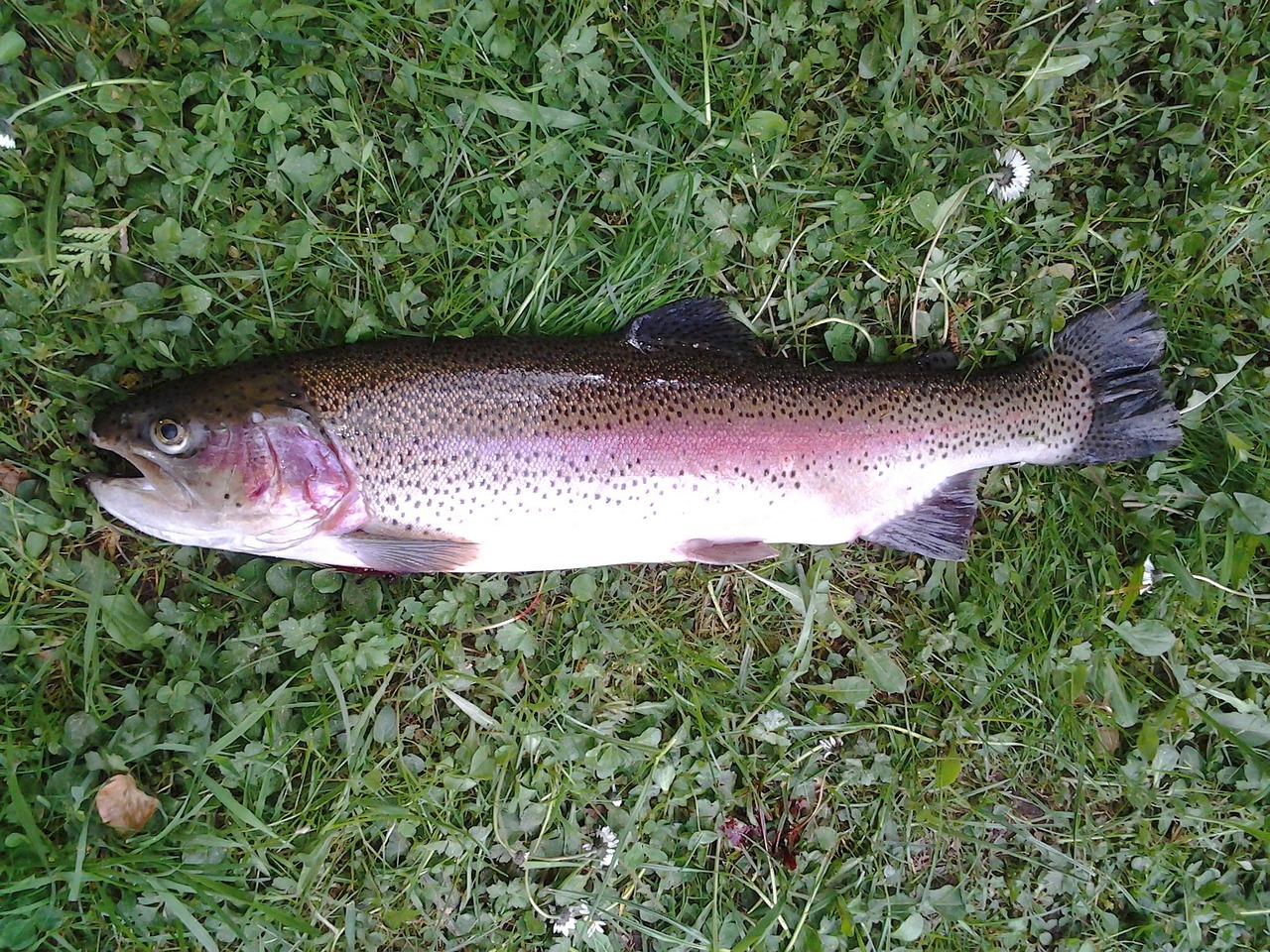
Rainbow trout are the most common fish that people think of when they think of the fishing life in Oregon. Rainbow trout live in lakes and rivers from locations as far north as the Willamette Valley in Oregon to the high lakes of the Cascades Mountains. Most people dont know that there are different types of rainbow trout that live in Oregon.
The rainbow trout that go to the ocean and grow into steelhead trout can grow to eight to twelve pounds and will strike at the bait with more force than rainbow trout that live in streams. Resident rainbow trout usually do not weigh more than two pounds. People need light fishing gear to catch rainbow trout that live in river pools and lakes.
However, people will be defeated when trying to catch fresh steelhead with anything less than eight-weight fly fishing gear. Rainbow trout have an eating preference for many types of food. Rainbow trout will eat salmonfly nymphs in the spring, chase baitfish during the fall, and will eat dry flies during the evening when the trout hatch.
Rainbow trout are a favorite fish for new anglers in Oregon due to its eating habits.
2. Cutthroat Trout
Cutthroat trout have a different personality than rainbow trout. They have a red slash under their jaw that gives them their name, and they are pickier about the quality of the water.
Coastal cutthroat trout live in the streams of the Coast Range and live in areas with many brushy areas. The inland varieties of cutthroat trout live in places like the Deschutes headwaters. Coastal cutthroat trout live their entire lives in a few miles of the Pacific Ocean without ever traveling to the sea.
Cutthroat trout are special because they require specific types of water that anglers often overlook. Anglers will find cutthroat trout in quiet areas behind boulders or under alder trees that have insects that live on land. Cutthroat trout grow to a maximum of sixteen inches and fight with impressive amounts of energy for their size.
When fishing for cutthroat trout, people must be stealthier with their approach to the trout. Spooking a cutthroat trout will leave the entire pool quiet. Thus, cutthroat trout appeal to people who like to solve mysteries in streams rather than battle large fish in open waters.
3. Bull Trout
Bull trout may be the most misunderstood type of trout. People from outside of Oregon may think bull trout are very aggressive towards other fish in their habitats. However, this isnt true of bull trout.
Bull trout are native to the state of Oregon and have evolved alongside the Pacific salmon species. Bull trout have olive colored backs and cream spots that help them blend into rocky river bottoms like the McKenzie, Clackamas, and Metolius Rivers. Bull trout can grow to over twenty pounds in weight.
A half-sized bull trout will still weigh alot on a fishing line. Bull trout are respected not just for their weight. Bull trout are predators and will eat other fish like juvenile salmon and other trout species.
Thus, bull trout require a lot of clean and cold water in their habitats. Warm streams cannot provide the trout with the necessary amount of dissolved oxygen or food sources. If you are targeting bull trout, you must fish in deep pools with heavy sink-tip lines or stout streamers.
Bull trout fishing isnt a finesse sport. Bull trout will only eat your presented fly when their dark shape moves through the deep green water eating your fly with the same commitment that they exhibit when eating natural food.
4. Brook Trout
Brook trout are considered to be some of the most beautiful of the invasive trout species.
Brook trout are a species that originated from the eastern regions of North America. Decades ago, people stocked brook trout into the high mountain lakes and streams of the Cascades and Blue Mountains ranges of Oregon. Brook trout have vivid orange fins and have worm-like markings along their backs which make them one of the prettiest of the trout species.
Brook trout rarely grow to a large size in Oregon as they mostly live in the high-elevation water that contains fewer nutrients to the brook trout populations. A ten-inch brook trout is considered to be a solid catch in these areas. The smaller size of the brook trout is one of the reasons that they are considered to be a charmer.
Brook trout are generally easier to catch than species like rainbow and cutthroat trout. Brook trout will strike at almost any type of fly that is cast into the water which makes them one of the best species for introducing children to the sport of fishing. However, the brook trout do compete with the native fish species of these fragile ecosystems.
For this reason, many wilderness lakes in Oregon have rules that ask anglers to simply release any brook trout that they catch, or there are rules that ask anglers to harvest these brook trout to ensure the survival of native cutthroat trout populations.
5. Brown Trout
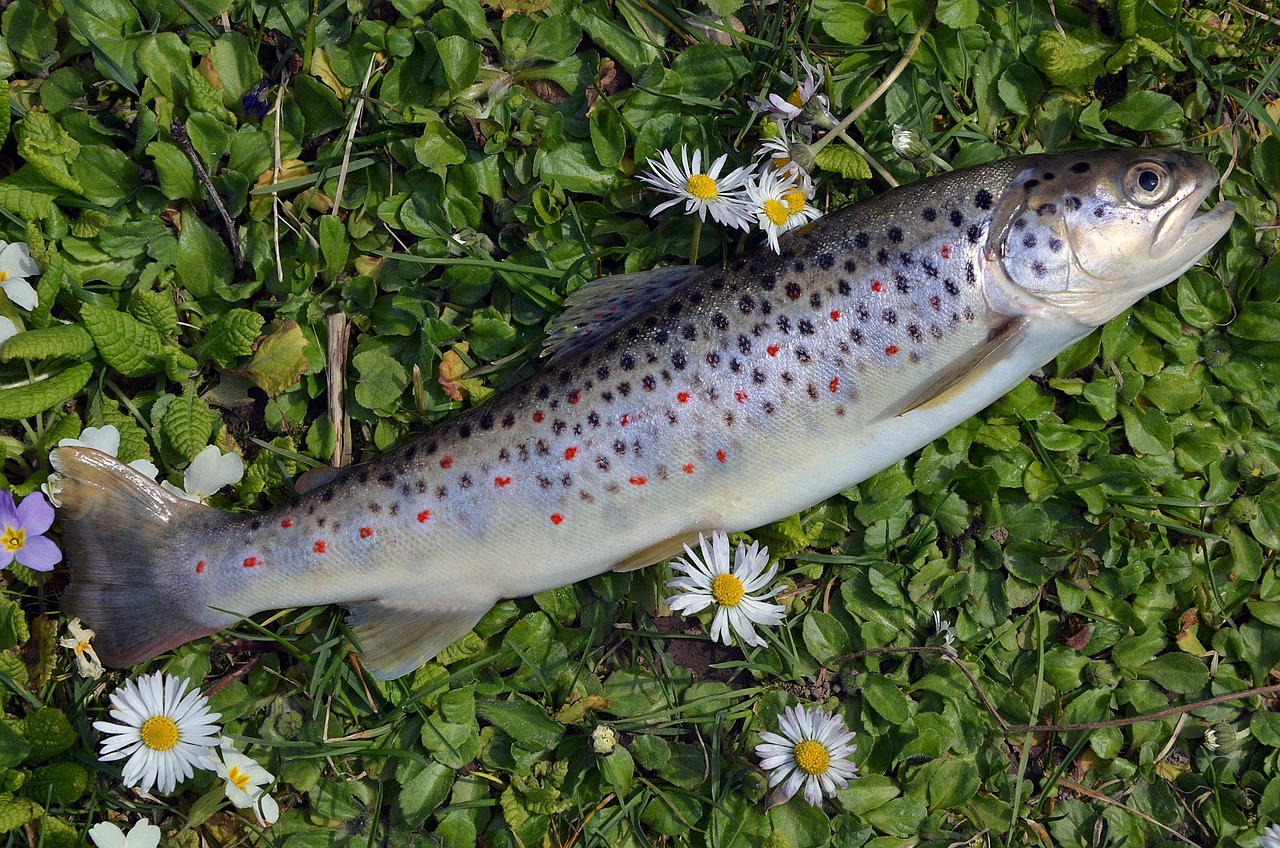
Brown trout are a species that is considered to occupy a small niche within Oregon’s trout species. Brown trout are a species that are native to Europe.
However, brown trout are able to thrive in a few streams in the state and along the Deschutes River. Brown trout have yellow bellies and crimson spots on their bodies which lend to the reputation that they are the “smart” trout species. Brown trout tend to be active during the night and low light periods which is the reason for using mouse patterns to target these trout when it is dark.
Brown trout in the Deschutes River can grow to be over twenty inches in length and are considered to be trophy fish due to the amount of bait that they have consume over their lives. Brown trout are generally more wary of human anglers than other trout species thus catching them requires more patience. While anglers will catch fewer brown trout than species like rainbow trout in the state’s rivers, the brown trout that are caught will live longer in the memories of the anglers.
Brown trout have specific areas of the river that they prefer to keep which is why an understanding of the river’s features when fishing for them is essential for anglers.
6. Lake Trout
Lake trout, also known as mackinaw, is the largest of the trout species listed. These giants of the deep lake reside in some of the deepest lakes of Oregon, such as Odell and Crescent Lake.
Unlike other trout species, lake trout spend the majority of their lives in depths of forty to eighty feet of water where they pursue salmon and other bait species. While the size of lake trout can surpass thirty pounds, fifteen pounds is a more common weight. The standard method for catching lake trout is trolling with downriggers or with lead-core fishing lines as the water depths are generally beyond the reach of most anglers using a fishing rod.
While not the same feeling as sight fishing for cutthroat trout, there is still a battle to be had when fighting a lake trout. The lake trout tend to exhibit strong pulling strengths when hooked and exhibit a tendency to fish in a dirty manner and dive towards the lake floor when they are hooked. The presence of lake trout within Oregon’s waters is a reminder that not every trout species is found in the streams and rivers of Oregon.
Some of the best fishing experiences can happen in the deep, opaque waters of the lake environments of the state. Each of these trout species tells a different story of the coldwater fish species of Oregon. Some trout species are the natives of the state, while others were introduced into Oregon by humans.
Rainbow trout are the species that put on the acrobatic performances, cutthroat trout require the quiet observer, bull trout test the equipment of the angler, even the novice angler can catch brook trout, brown trout require respect from those who fish for them, and lake trout exhibit raw, strong fishing power. When you prepare to fish for trout in Oregon, take a moment to think about which species of trout you would like to target. The answer to this question will tell you the type of water in which to fish for trout, what type of flies to use to catch them, and the mindset that you need to have while you are fishing for these species.
This will transform your fishing trip from a mere practice into one that helps you to form a connection with the land of Oregon.