
The waters located off the coast of New Jersey contain a large and impressive variety of sharks. These sharks can be found in the summer feeding frenzies located just beyond the breakers, but they can also be found in the deep channels that run along the continental shelf. These waters off the coast of New Jersey serve as a highway for these sharks.
Furthermore, these waters also serve as a hunting ground for these predators. Despite the fact that most beachgoers never notice the presence of these sharks, it is important for those who live in and visit New Jersey to learn the identities of these predators. Sharks live in the warm waters that are located off the coast of New Jersey.
These waters are the location of the intersection of the warm southern currents and the cooler water masses that move northward along the continental shelf. These sharks arrive at this mixing zone for two main reasons: they are following the baitfish to feed on them or because they are following the water temperature and the migrations of the seasonal species that live in these waters. Some of the shark species that live in the ocean off the coast of New Jersey for only a few weeks each summer, but other shark species live in these waters for several months each year.
Recognizing the species of sharks that live in these waters will give people context the next time they notice what might be brushing against their leg while they are swimming in these waters. Furthermore, recognizing these species will allow people to have context the next time a triangular fin is seen slicing through the water surface a hundred yards offshore. The paragraphs that follow present the list of the most common species of sharks that live in the waters off the coast of New Jersey, from the most common species to the largest of those that live in the offshore areas of the coast.
Common Shark Species Found In New Jersey
1. Sand Tiger Shark
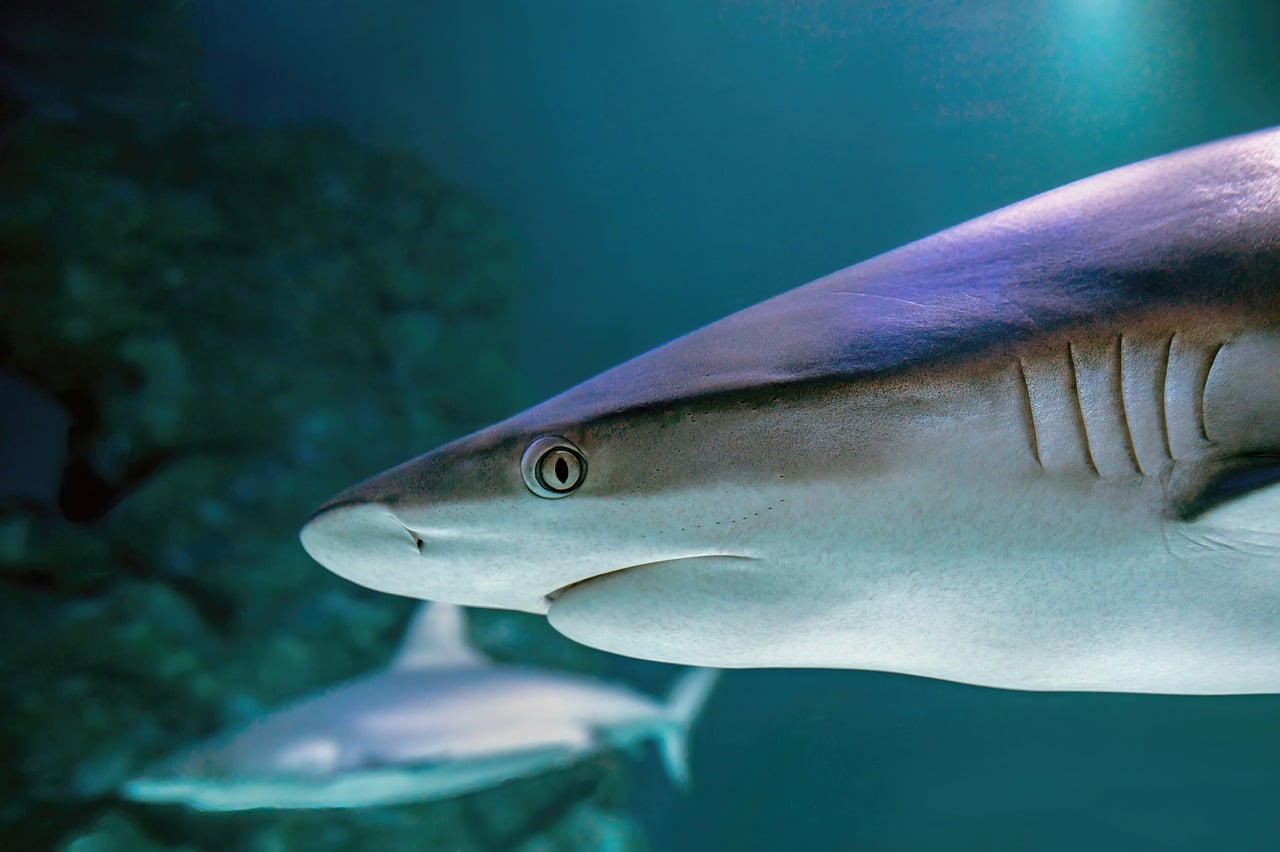
The sand tiger shark is a species that can often be spotted cruising the inlets and wrecks along the New Jersey coast. You can spot this species of shark using its unmistakable toothy grin. Its long and narrow snout contains protruding needle-like teeth that provide the sand tiger shark with a prehistoric look that can often instill panic in swimmers who spot this shark species.
Despite the look of this species, the sand tiger shark is generally docile and doesnt usually show interest in humans. Instead of hunting for blood, sand tigers tend to remain almost motionless in the area that they intend to hunt for their prey, and then they will swiftly lunge forward at schools of fish. These sharks tend to prefer the artificial reefs and shipwrecks that are located along the coast from Atlantic City to Barnegat Light.
Due to their preference for these locations, sand tigers can sometimes be spotted on the piers in these areas or spotted on baited shark dives.
2. Atlantic Sharpnose Shark
The Atlantic sharpnose shark can be spotted each June once the water temperatures rise to sixty-eight degrees along the coast. These small sharks can reach lengths of four feet at most.
These sharks tend to be the common catch of the “party boats” that cruise the coast for shark trips out of Point Pleasant and Cape May. The bronze color of the backs and the white color of the underbellies of these species allows them to blend with the sandy sea floor. These sharks tend to hunt for prey like squid, small fish, and crabs.
When anglers lower bait into the water, the Atlantic sharpnose sharks will rush to consume the added food. These sharks are the ideal species for beginners to learn how to fish for them due to the fighting strength of the sharks when they are hooked. The abundance of Atlantic sharpnose sharks in these areas indicates that the food web of the area is thriving.
3. Dusky Shark
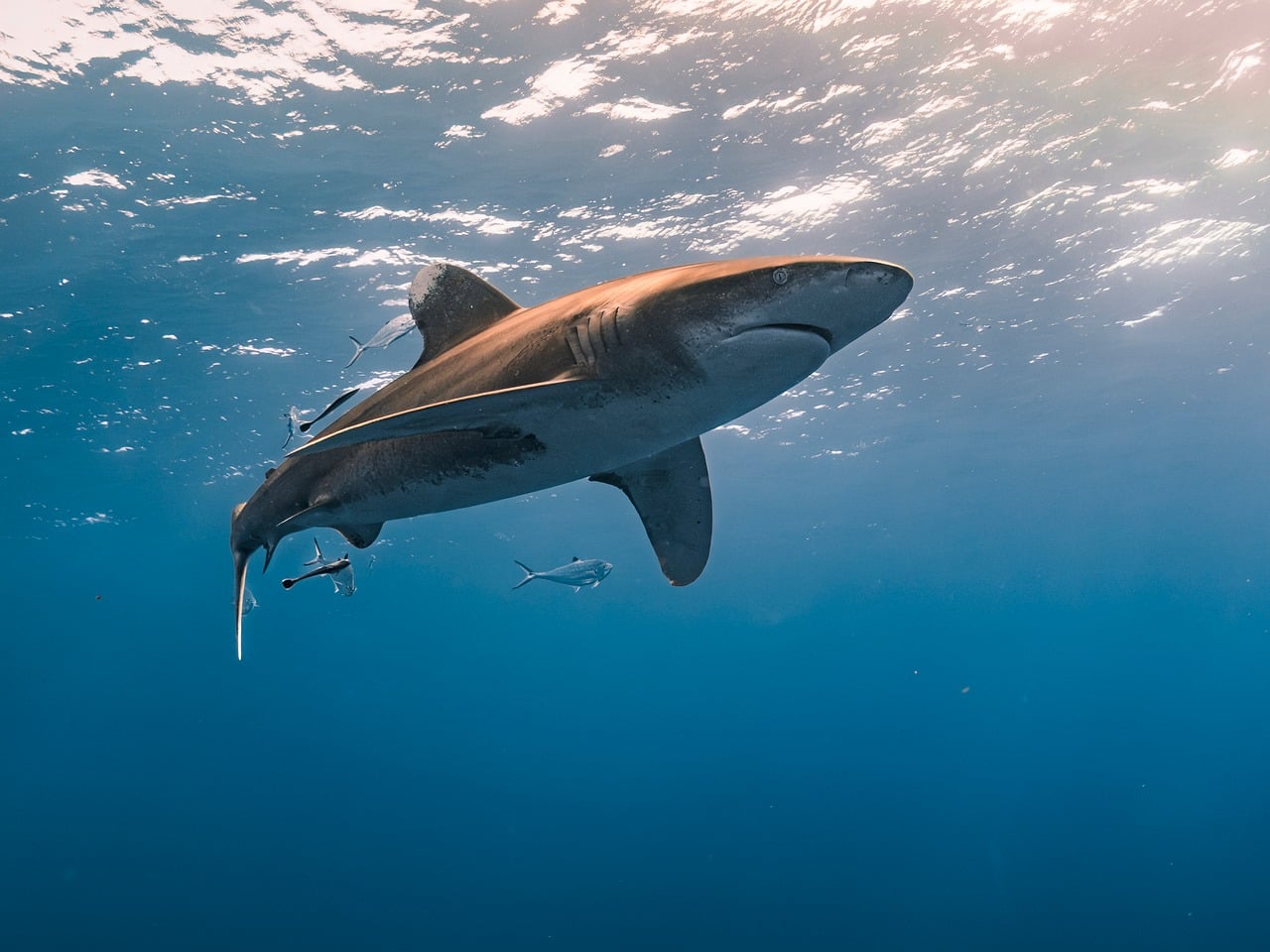
Dusky sharks tend to patrol the waters that are slightly deeper than the inlets where the sharpnose sharks live. These species of shark is typically spotted between ten and thirty miles offshore. These sharks are stout and dark gray in color and can grow to lengths of nine feet and weigh several hundred pounds.
Their broad snouts and large dorsal fins allow people to spot these sharks from a distance. Dusky sharks are a slow species that takes several years to reach maturity, so fishermen along the coast protect these sharks. When spotted cruising back to the edge of the canyon break on a summer evening, dusky sharks leave an impression of the impressive size of these predators.
4. Sandbar Shark
The sandbar shark, sometimes referred to as the brown shark, gathers in large numbers along the coast, especially in Delaware Bay and along the southern coast of New Jersey during spring. The young sandbar sharks is born in these areas each summer. When the dams of the sandbar sharks are spotted entering these areas, the beachgoers are often made aware of the temporary swimming advisories that will be present during the period in which these births take place.
The sandbar shark displays two tall dorsal fins on its body that slice through the water as the adult sandbar sharks cruise along the shallows of the coast. These sharks prefer the murky waters that are rich in nutrients along inlets. Due to their preference for these waters, surf fishing boats that are along the coast often find sandbar sharks as bycatch.
5. Blue Shark
One of the species of shark that is often spotted in the offshore waters is the blue shark. These sharks are known to glide through the water with ease. The cobalt color of their bodies lightens when sharks are placed into a boat, but in the ocean, their electric blue backs and snowy white bellies create a beautiful sight for those who cruise the continental shelf.
Large groups of blue sharks are often spotted near long-liners and sport boats that use fresh bait to attract these species. When people are chunking the bait into the water, blue sharks tend to be sighted cruising the waters for these meals. These sharks can grow to twelve feet in length and are relatively slender sharks.
These species of shark can cruise thousands of miles each year. Moreover, people have spotted the tagged sharks that have been released into the ocean off the coast of New Jersey returning each year to the same waters.
6. Shortfin Mako Shark
The shortfin mako shark is one of the fastest fish in the sea.
Makos tend to cruise the deep waters that lie off the continental shelf. These predators can reach speeds of over forty miles per hour. These predators are also capable of leaping clear of the ocean waves when a fishing line hooks them.
Their metallic blue backs, pointed snouts, and coal black eyes give the mako shark a futuristic look when cruising the ocean waters. Shortfin makos are spotted along the coast of New Jersey when the ocean temperatures rise to the low seventies. These predators enjoy chasing prey such as bluefish and tuna.
The ability of these predators to maintain body temperatures that are several degrees warmer than the ocean waters allow these species to remain active while other ocean predators lie dormant. Anglers who attempt to catch these species of shark prize the power and the speed of the shortfin mako. However, the dwindling numbers of shortfin makos indicates that this species is in danger of becoming extinct.
7. Great White Shark
Finally, the great white shark has recently returned to the coast of New Jersey in increasing numbers over the past decade. The recovering seal populations that live in the area draw these predators to the area. Despite the widespread fears that exist of these predators, bites from great white sharks that occur without provocation are extremely rare.
Most sightings of great white sharks occur with research drones, commercial fishing boats, and whale watch boat tours. Great white sharks that live along the coast of New Jersey average between eight and twelve feet in length. However, there are also larger individuals of these species that cruise the coast of New Jersey.
These predators patrol the continental shelf break, but they do enter the surf zone where the seals live. The return of great white sharks to the continental shelf indicates that the coastal ecosystem is recovering. However, the return of these species does not mean that there is a sudden invasion of these predators.
Knowing the seasonal patterns of great white sharks allows people to share the ocean with these sharks in a more intelligent manner.
8. Thresher Shark
One of the most distinctive features of thresher sharks is the scythe-like upper lobe of their tail, which can reach lengths as long as the remainder of the sharks body. Thresher sharks use this tail to stun schools of their prey by whipping the tail at high speeds.
These predators tend to prefer the cooler water that is located off the coast of New Jersey further offshore. These thresher sharks favor the same waters that their prey use during spring and fall migrations. The streamlined body design of thresher sharks allow them to travel long distances without tiring.
These predators can be spotted by their long tail flicks above the oceans surface during the sunset hours. Each of the shark species that have been discussed possesses a niche in the waters off the coast of New Jersey. For example, sand tiger sharks live in the wrecks, Atlantic sharpnose sharks live in the inlets, shortfin makos live in the deep blue waters, and great white sharks live anywhere in the ocean off the coast of New Jersey.
When all of these shark species are considered together, they form a living index of the health of the ocean off the coast of New Jersey. Thus, the next time individuals are on the water or on the beach, they should remember the existence of these predators. The ocean off the coast of New Jersey is not empty, and despite the unknown aspects of the sea, those who learn of the existence of these species of shark can gain the appreciation of the life that exists in the ocean along the coast.