
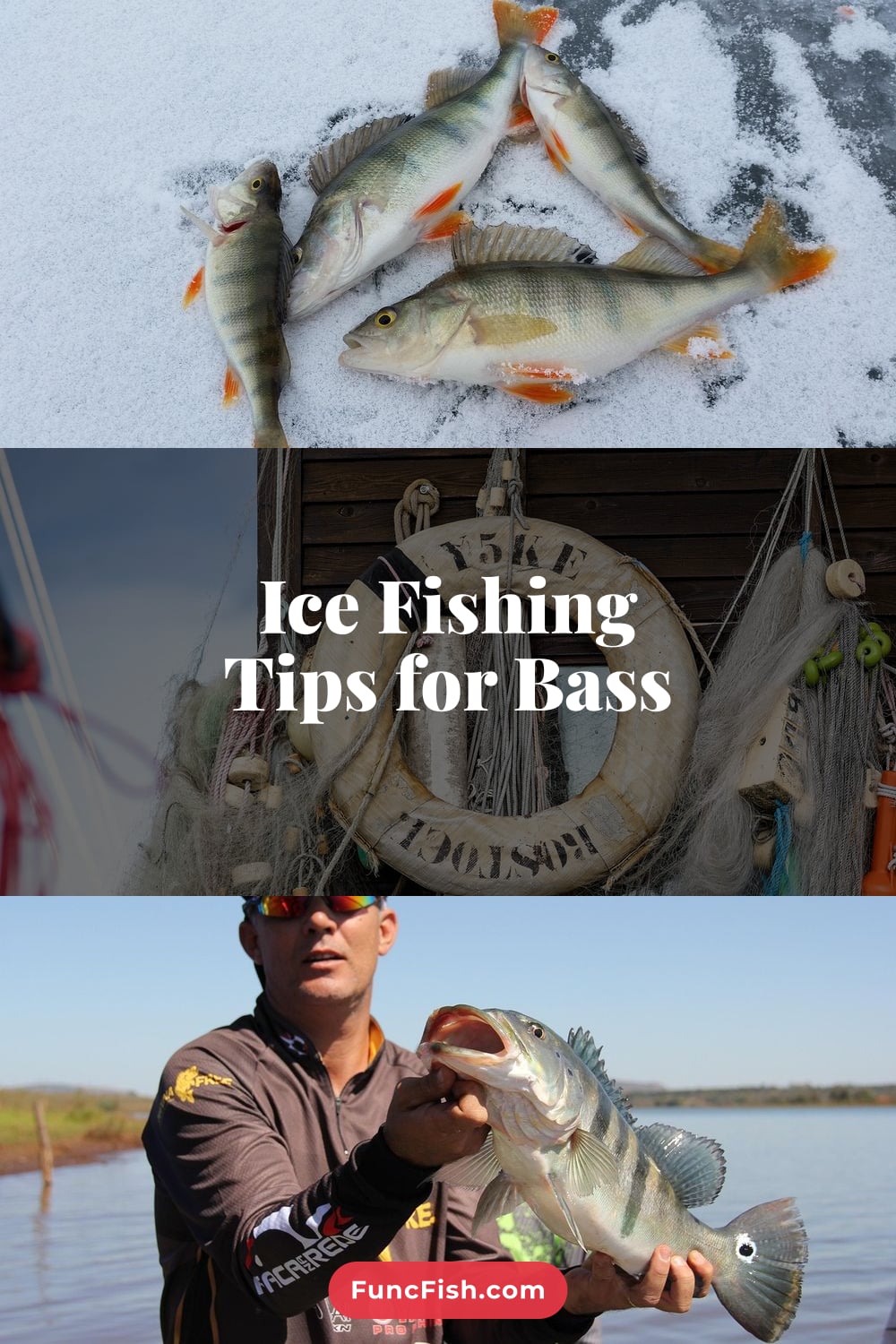
The ice is not silent. The ice makes popping and groaning sounds under your boots. The wind howl across the lake like a blade of grass cut too close to the ground.
Under that frozen lake, however, the bass is still feeding. The bass have there own set of predictable patterns in the depths if you know how to find them. Ice fishing for bass is not a gimmick.
Ice fishing for bass is not a last resort. Once the calendar change to winter, ice fishing for bass become one of the most efficient ways to target these fish. Because the bass do not dissapear, they simply change the depth at which they swim.
If you learn the right moves when you go ice fishing for bass, you will find large largemouth bass and smallmouth bass passing through the holes in the ice that you drilled yourself. Success in ice fishing for bass come from preparation. Success comes from having the proper timing in setting up your ice fishing spot.
Success comes from utilizing specific tricks that separate those who successfully land bass from the anglers who sit in the ice with their hands frozen to the ice. The following tactics have been proven to work on real lakes throughout the winter months when the weather is cold enough. One of the first things that you should learn about ice fishing for bass is the positioning of the fish once the lake has frozen.
Top Tactics for Successful Bass Ice Fishing
1. Understand Fish Positioning
During the early portions of the ice fishing season, largemouth bass like to stay near the same edges with the growth of vegetation that existed during the fall season. Smallmouth bass, on the other hand, like to move into deeper waters to find the gravel bar or rock piles where they can find their favorite food… Crayfish.
2. Utilize Mobility and Scouting
Always use mobility in your advantage when ice fishing for bass. Instead of drilling one spot in the ice, drill a grid of holes so that you can determine the position of bass relative to depth. A scouting trip into the ice will tell you more about the habits of the bass than any map could ever do.
3. Use Electronic Flasher Units
Electronic devices are among the best tools that you can use while ice fishing for bass. Flasher units provide anglers with information of the fish that are seen on the ice that a traditional sonar device could never provide. Using a flasher will allow you to see the depth at which the bait stops, and you can watch as the bass begin to rise to the bait.
If the mark on the screen begins to move vertically at a rapid rate, this is an indication that the bass are interested in the bait. For those who do not use flashers to ice fish for bass is essencially dropping their bait into the dark and hoping that the fish will find it. Another of the most important decisions that you must make while ice fishing for bass is the selection of bait.
4. Select the Right Bait
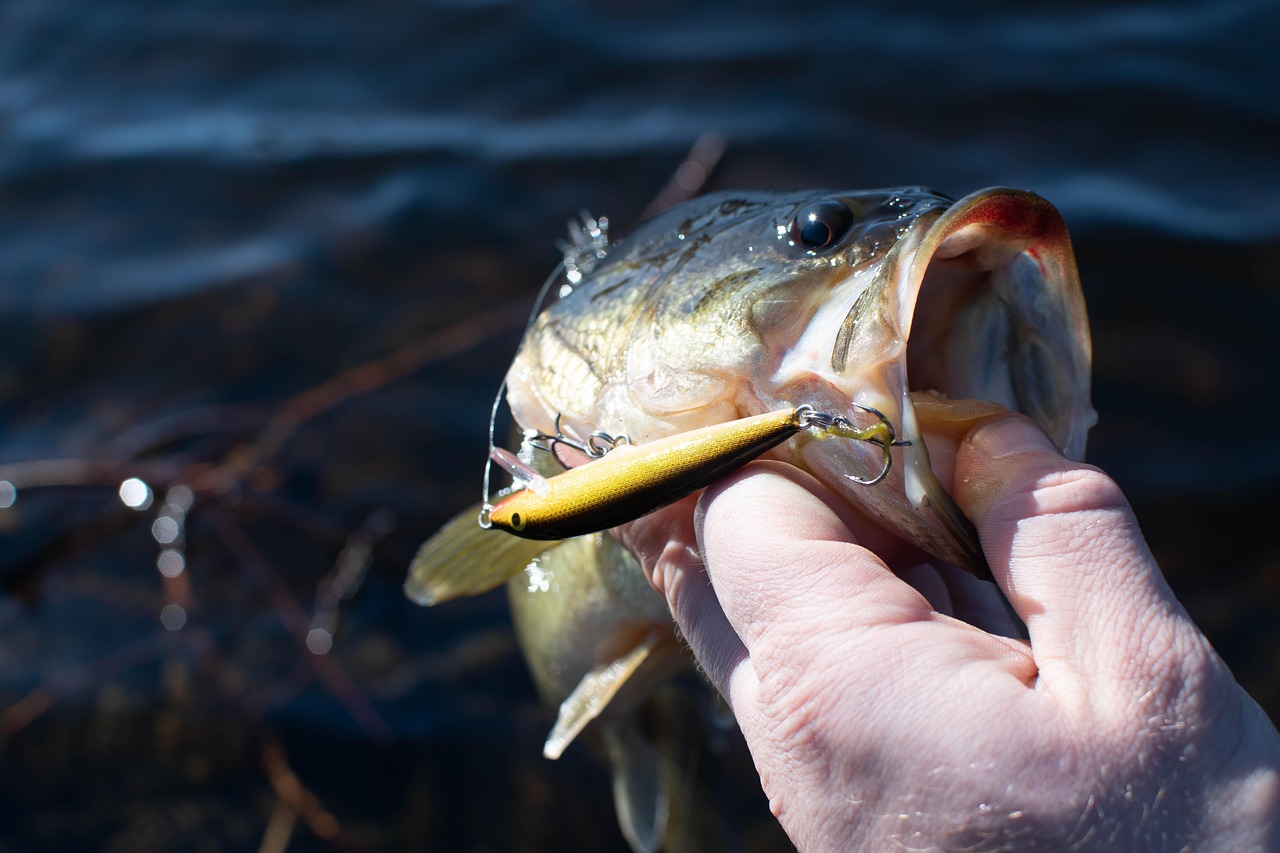
The key here is to consider the metabolism of the bass while it is in winter. Because the metabolism of bass slows in the winter, the fish are more likely to interest in bait that is also slow moving. Using a lively fathead minnow on a spoon jig will attract the most interest from the bass.
If the bite is more difficult to find, try using a smaller soft plastic bait on a drop-shot rig to entice the winter bass that are used to seeing countless spoon. Have each of these types of bait ready for use and prepare to change the type of bait after every twenty minutes of ice fishing. Cadence plays a critical role in enticing winter bass to bite at your bait.
5. Master Jigging Cadence
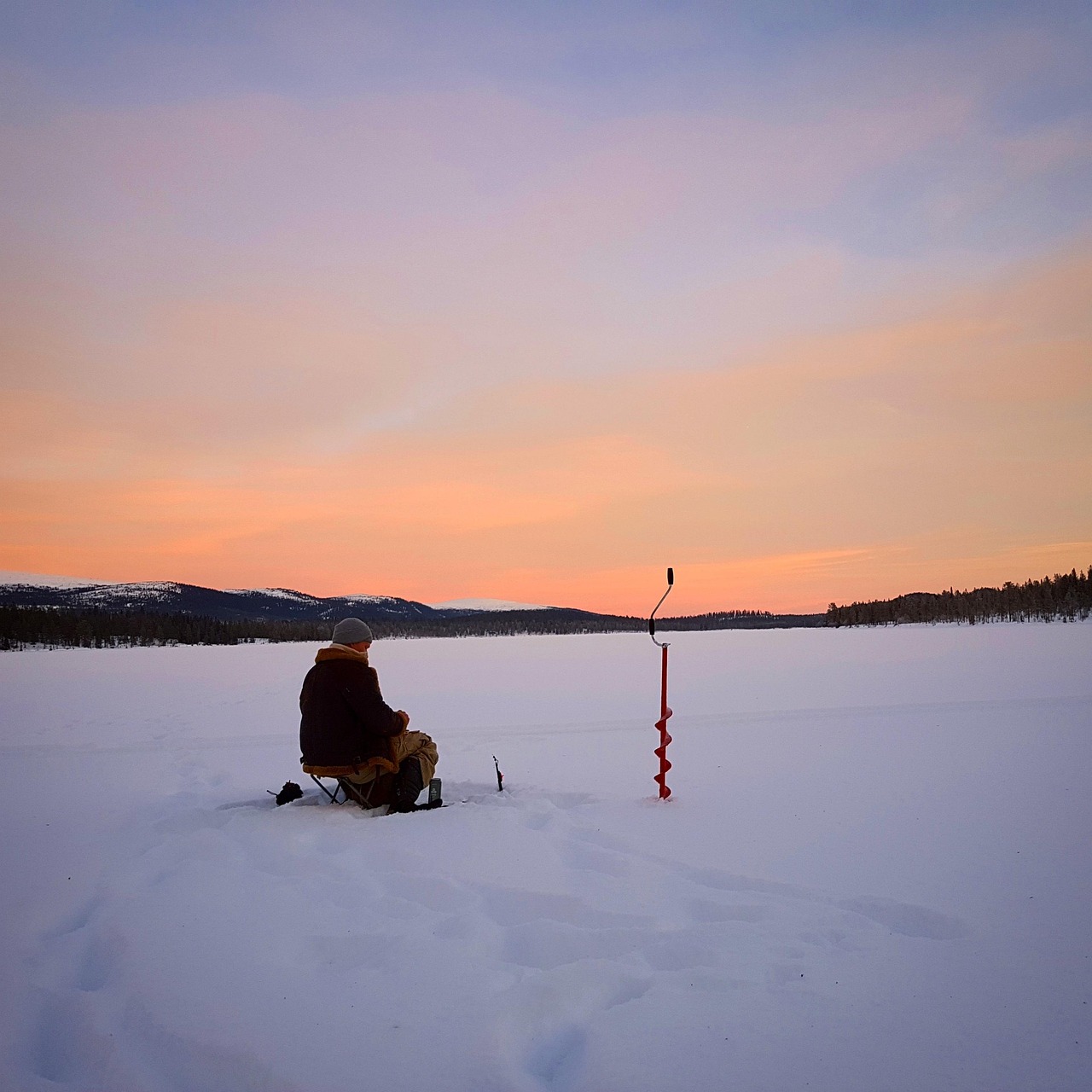
Jigging the bait in large, wide arcs will work during the early portions of the ice fishing season. However, between the depths of December and February, the bass will largely ignore such large, strong movements in the ice. Instead, use gentle quivers to the bait that will mimic the movement of a bait fish that the bass are used to encountering.
Pay close attention to your flasher to determine your type of cadence. If the bass are interested in your bait but are not committed to the act of biting, reduce the cadence in which you jig the bait. The location of the bass change throughout the winter.
6. Monitor Seasonal Depth Changes
During the early portions of the season, the bass may be located between depths of five and twelve feet. By the middle of winter, however, the bass have moved to deeper portions of the lake to the depths of twenty-five to thirty-five feet, especially if the lake is a natural lake with limited human intervention. Light levels have a significant influence upon the behavior of the bass while ice fishing.
7. Account for Light Levels
During bright and sunny portions of the day, the bass may become more cautious about venturing out from their hiding spots at the depth to which they are accustomed. On these types of sunny days, you can either move to shallower depths or use darker bait colors. Overcast days or days with light snow cover will produce the best results in finding bass and enticing them to bite.
Pay close attention to the sky while you are still in your vehicle and determine whether you should begin ice fishing in the shallower portions of the lake or the deeper portions. Safety is essential for those who ice fish for bass. The thickness of the ice is likely to change throughout the lake.
8. Prioritize Ice Safety
Four inches of ice may be safe to stand on near the shore of the lake, but the ice may be only two inches of thickness where a spring enters the lake. Bring a tool that allows you to test the thickness of the ice (a spud bar). Test the ice every ten steps in which you move on the ice.
Prepare to wear a flotation suit or ice picks around your neck in case you do fall through the ice. Tell someone where you are going to go ice fishing and when you plan to return from fishing. The fish isnt worth risking your life to catch them.
9. Wear Proper Winter Clothing
Ice fishing for bass requires that you wear layers of clothing to deal with the extreme cold while you drill your holes into the ice. Your body may become wet or frozen if you are not wearing appropriate clothing, and you dont want to waste the time that you spent drilling the holes to find the bass. Wear merino wool base layers under clothing that will keep you dry and warm.
Wear gloves in case you find yourself dropping one of them into your hole. Small comforts will extend the amount of time that you are on the ice while ice fishing for bass. Pay close attention to the line that you use to ice fish.
10. Use Sensitive Fishing Lines
Monofilament lines often stiffen in the cold weather and can cause anglers to miss the subtle bites of bass due to the memory of the line when it is in cold weather. Use fluorocarbon or thin braided lines with a fluorocarbon leader to increase the sensitivity of your ice fishing line. A subtle tick in your line with a sensitive line will help you to detect a bass at thirty-four degrees of water temperature.
11. Handle the Catch Correctly
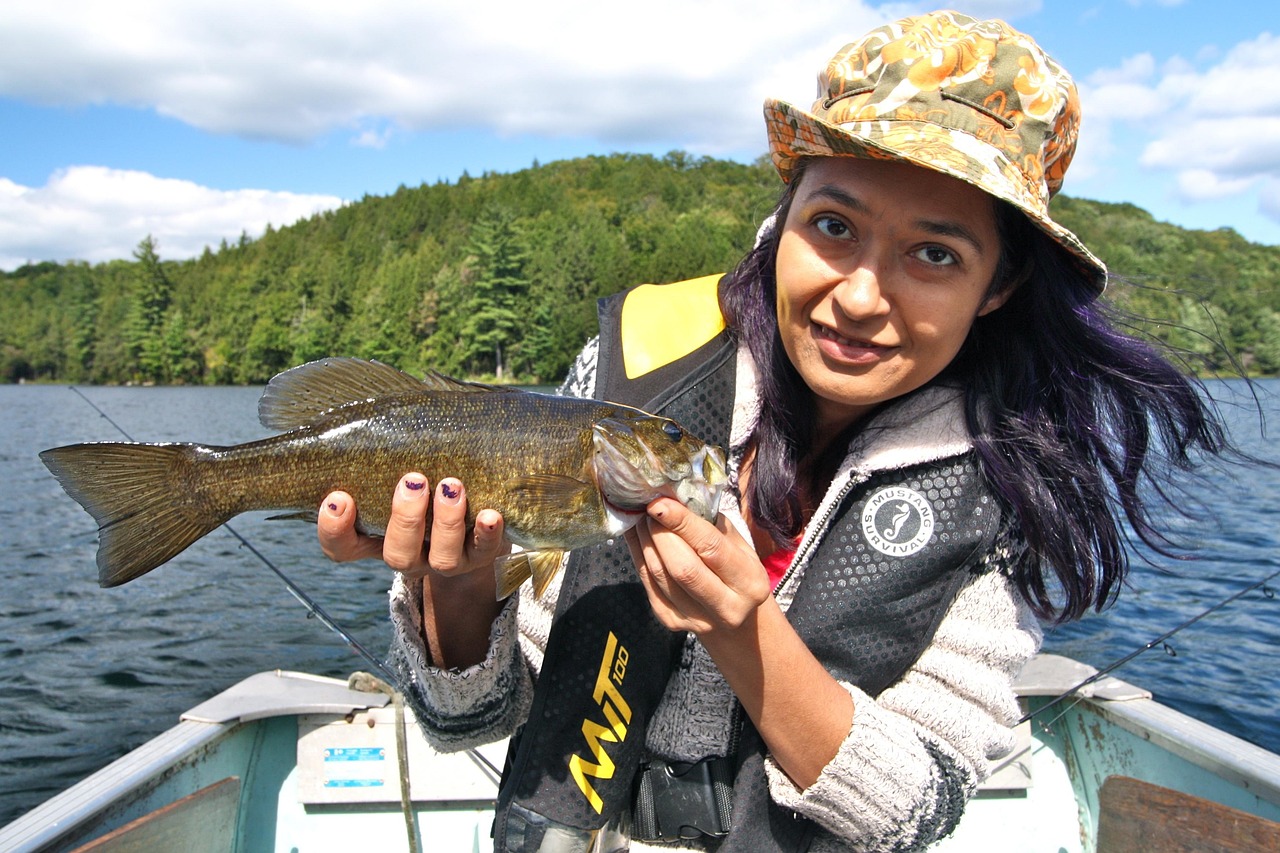
When you finally do hook a bass, the fight between you and the bass begins. The bass cannot swim as fast as they do in the warmer months of the year. The bass will use every trick that they have learned to escape from your hook.
Keep your pressure on the bass but allow the rod to absorb the head shakes of the bass when they fight you. Do not attempt to quickly pull the bass out of the water while it is on the ice. Rapidly pulling the bass will result in the bass dropping its hook due to the soft mouths of the fish during winter.
Use a net that has a fine mesh to capture the bass without allowing it to fall back into the ice. The best days to go ice fishing for bass are after a weather front passes over your favorite lakes. Stable weather with high atmospheric pressure after a snowstorm appears to trigger the feeding of the bass for several hours.
While you cannot control the weather, you can select the days on which you will encounter the weather front. It is a good idea to take notes on the locations that you ice fish to find bass. The depths at which the bass are located, the colors of the bait that works best, and the times of the day when the bass are interested in your bait will cycle each winter season.
What used to appear to be luck the first time you went ice fishing can be repeated the following year. Eventually, after several seasons of fishing for bass, you will have a mental map of the locations of the bass and your favorite lakes. Ice fishing for bass is just the two of you and the fish that do not understand that it is winter.
The cold weather will keep the crowds away. The simplicity of the task strips away all the other complexities of life and fishing. When the first bass jumps through the slush of the ice, you will know that the life of winter was worth it.
Grab your auger and prepare your gear. Trust your flasher to help you find the bass that you are after and go find them on their terms. The bass are down there waiting for you, they are slow and they are hungry and they are ready to make a believer out of you if you are willing to listen to what the ice have to say.