
The wind blow across an frozen lake, and the ice make a groaning sound when you walk on the ice with your boots. Under the ice, pickerel fish swims near the edges of weed looking for food to eat with its needle-shape teeth. Winter ice fishing for these fish are an exciting activity.
When people go ice fishing for pickerel, they experience the solitude of the frozen lake with the excitement of the speed of the pickerel fish when they take the bait. There is a big difference between a day when an ice fisherman do not catch any fish and a day when they do catch a limit of fat pickerel fish. Specific details that an ice fisherman learn over time with experience cause this difference.
Paying closer attention to these details will cause the pickerel fish to begin to bite at the ice fisherman’s bait. However, ignoring these details will cause the ice fisherman to spend there winter drilling hole in the ice that does not contain any pickerel fish. The following methods will increase the success rate of an ice fisherman once they are on the ice with their bucket and fishing gears.
Effective Tips for Successful Pickerel Fishing
1. Use the Right Lure
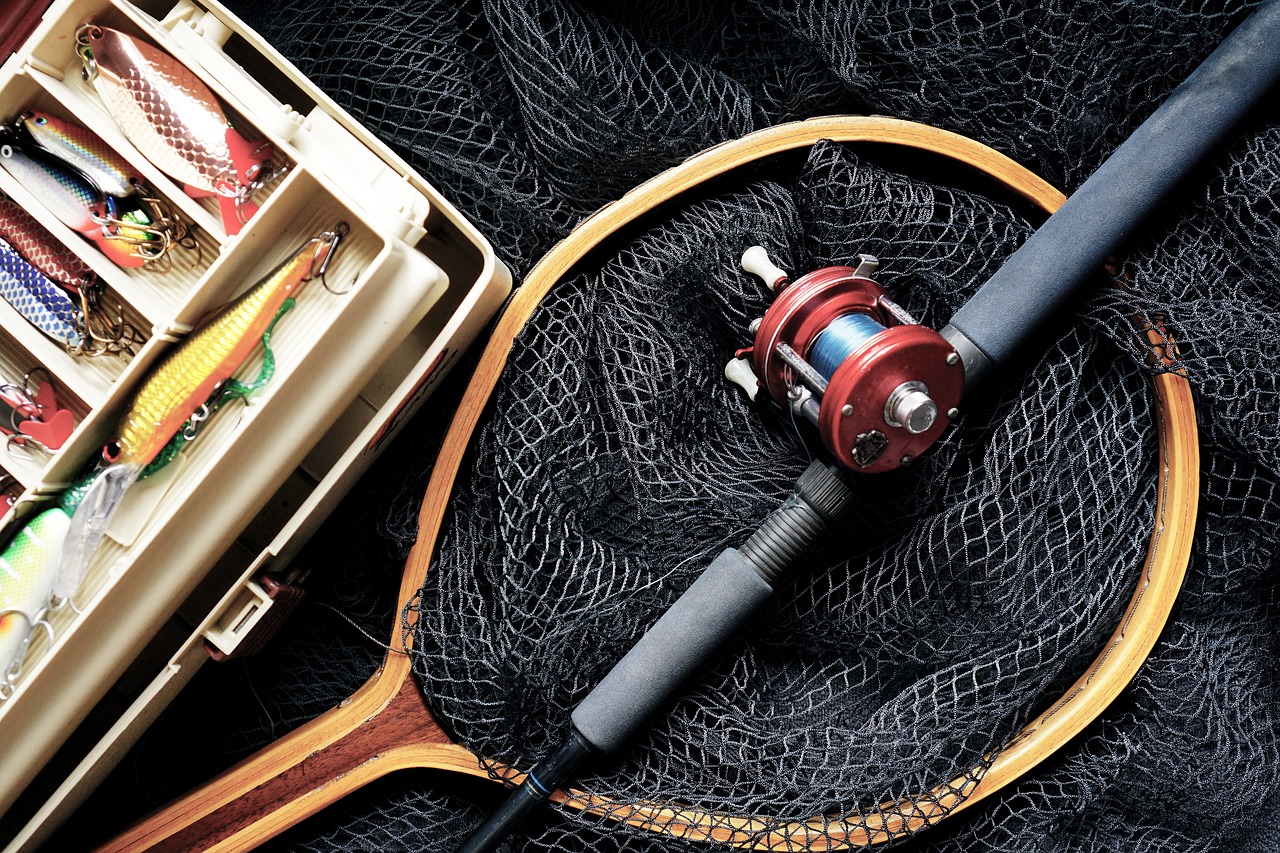
The first detail to pay attention to is the lure. Pickerel fish are visual hunters and will become easily bored with the same bait. Therefore, using a spoon that has a minnow head on the end or a soft plastic bait in colors such as fire-tiger or chartreuse will get the best reaction from the pickerel fish.
The flash and wobble created by these baits will imitate an injured baitfish that is trying to hide from predator in the weeds in the lake.
2. Select Appropriate Fishing Gear
Another detail that an ice fisherman should pay attention to is the fishing gear. Because pickerel fish are small fish, using heavy fishing gear will make it impossible for the pickerel to take the bait.
Using a light fishing rod and four-pound test fishing line will allow the bait to move in the desired fashion without the fish feeling the resistance of too much gear. This is a detail that many people miss when they bring fishing gear from the lake for lake trout. This is the same reason that pickerel fish will not be interested in the bait.
3. Target Specific Depths and Locations
The next detail is where to fish. For pickerel fish in the spring, you will find the fish between four and eight feet of depth near the first breakline in the lake where weeds end and open sand begin. During the later months of the season, the pickerel fish will move to depths of twelve to fifteen foot.
This is because the pickerel move to these areas in search of the schools of other fish like perch and shiners. An ice fisherman can use the electronics on their ice fishing scopes to map out these areas on the lake. Dropping the fishing lure into the middle of a flat area of the lake will not bring in any fish.
The fish will be near the edges of these underwater highway structures. By finding the on-ramp to the highway, the fish will be found.
4. Utilize Live Bait Correctly
Using live bait will also bring in pickerel fish.
However, the key to success in using live bait is the placement of the hook on the live bait fish. The live bait should be hooked through the back of the fish just in front of the dorsal fin. This will allow the live bait to move downward in its natural movement in the lake.
Suspending the live bait two or three feet above the lake bottom with a spring bobber will allow the pickerel to inhale the live bait. When pickerel inhale the live bait, they will turn the live bait in their mouth. If the bobber twitches and then becomes still, this means that a pickerel fish is holding the live bait.
5. Try Different Presentation Techniques
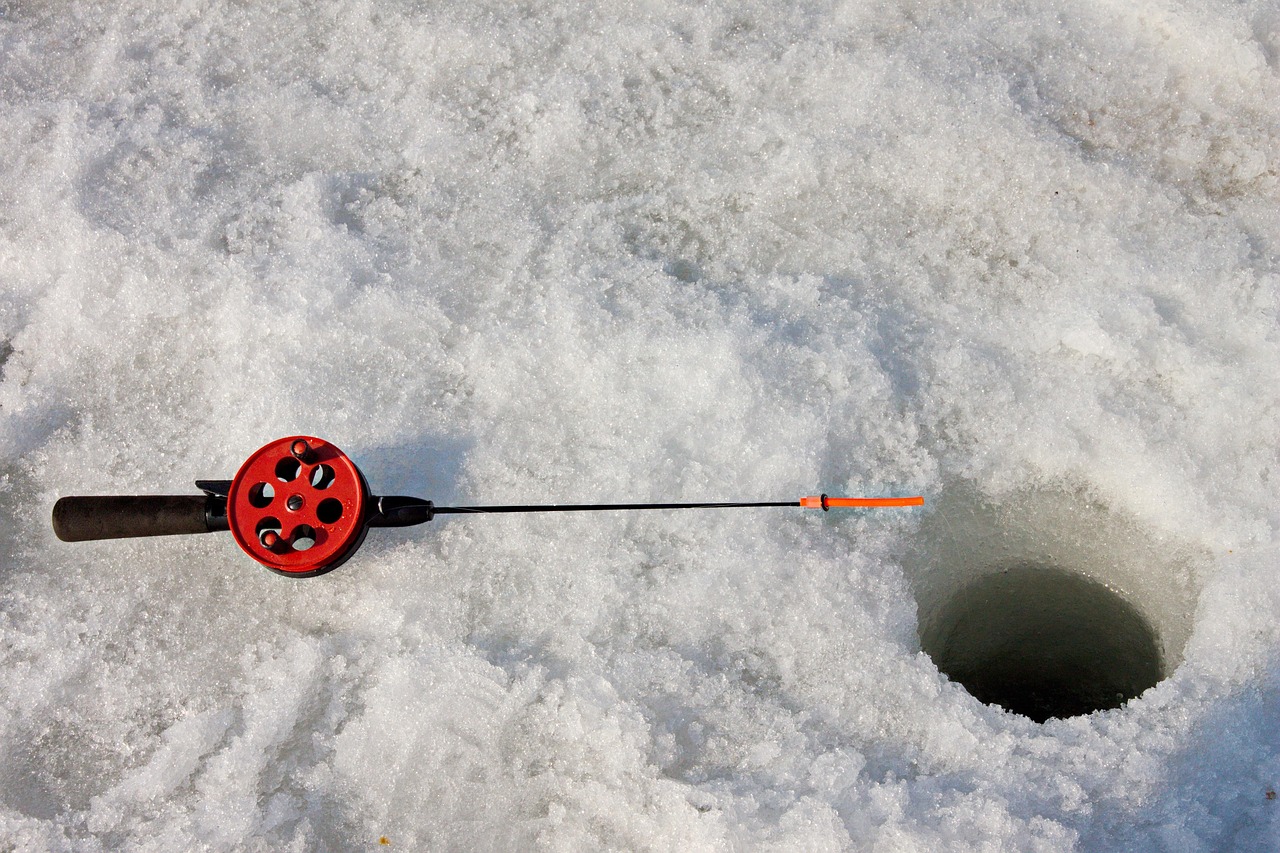
In this case, the ice fisherman should set the fishing hook. On some days, pickerel fish want the live bait to remain motionless. On other days, the pickerel fish want the live bait to be jigged in short, sharp movements.
Bringing both a rod for each presentation will allow the ice fisherman to try both techniques at the same time. This trick will bring in more fish than any other fishing gadget that the ice fisherman might use. Another detail to pay attention to is the location on the lake.
6. Find Ideal Habitat Areas
Pickerel fish will be found near the mouths of the river that empty into the lake. Other areas of interest are shallow bay where the spring water rushes into the lake, or long points in the lake that taper into the rest of the lake. Pickerel love to ambush their prey when the bottom of the lake changes from one substrate to another such as mud to rock or sand to gravel.
If an ice fisherman is new to a specific lake, they should spend their first thirty minutes drilling a grid of ten holes over a hundred-yard stretch of the lake. This will immediately tell the ice fisherman where the pickerel fish are holding. This takes time at first but will become a helpful technique once the new ice fisherman catches the first fish on the frozen lake.
7. Monitor Weather and Barometric Pressure

You should watch the weather patterns close. The slow moving low-pressure systems that precede storms make the pickerel feed aggressively. The pickerel can sense the drop in barometric pressure, prompting them to eat more during these times.
However, bright days following a frontal system will make the pickerel stop biting. Therefore, if you plan your fishing trips for periods of gray skies with breezy conditions and falling barometers, you will catch more fish and experience less frustration on the ice. Of course, this does not mean that pickerel cannot be caught on sunny days.
Sunny days will require anglers to fish more slowly for the pickerel, use smaller baits, and be prepared to move fishing locations if the fish begin to take longer to catch.
8. Maintain Sharp Fishing Hooks
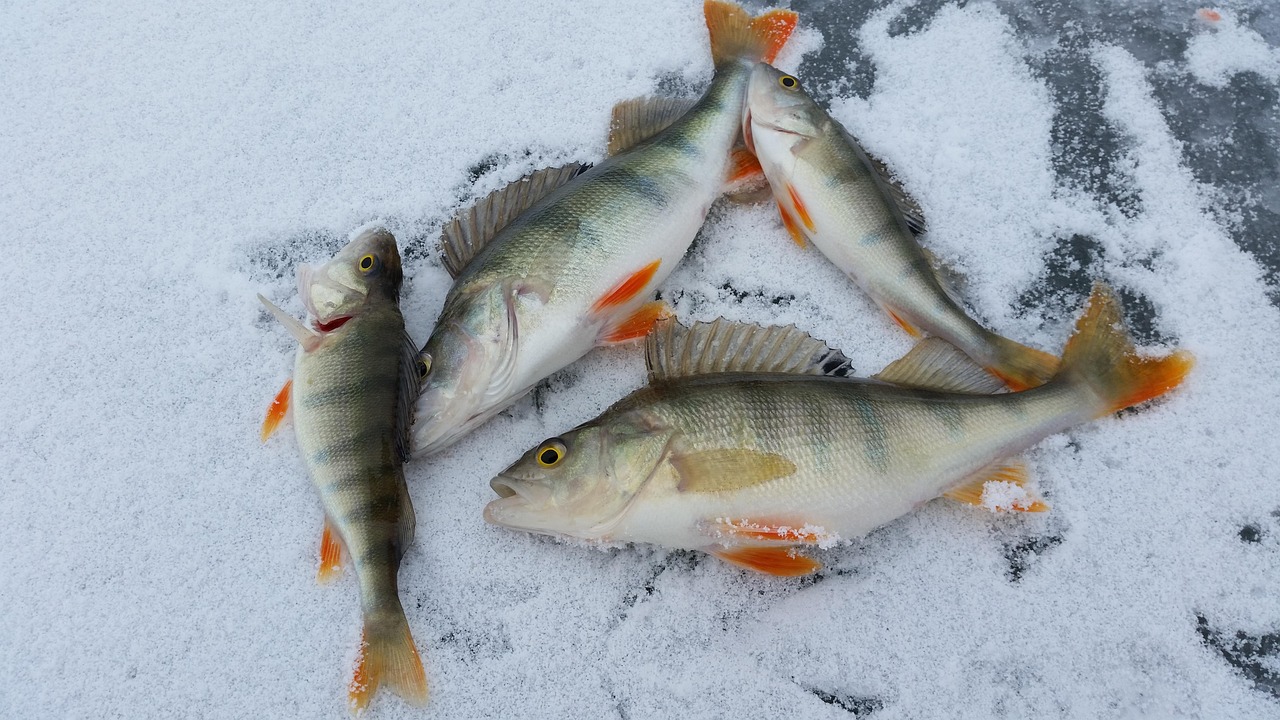
Another thing that should be done is to sharpen the fishing hooks. Pickerel have bony mouths with many teeth that dull the fishing hooks after each fight with a caught fish.
It is necessary to have a small file or stone to sharpen each hook before putting the fishing line into the hole in the ice. If a hook can barely catch on a fingernail, the hook isnt sharp enough. A few quick strokes with the file may secure the catch that an angler has waited to land.
This small habit will bring benefits to anglers throughout the winter.
9. Fish During Peak Activity Times
In terms of the best times of the day to fish for pickerel, there are certain times that the pickerel will be more active than others. The first light of day and the two hours before dusk tend to yield the best results with pickerel fishing.
However, it is also important to remember to fish during the middle of the day as well. If the ice is clear, pickerel will be seen moving toward the surface during the middle of the day when they are chasing the sun for warmth. The biggest pickerel has often been caught between ten in the morning and two in the afternoon when others have headed home for lunch.
Pickerel will fight differently than some of the other fish species that live in the same lakes. A pickerel will make one long run for the shoreline with the angler’s line taut. The pickerel will then turn and shake its head like a dog with a towel.
During the head shakes, the angler should maintain pressure on the fish and should not allow the line to slip back; if it does, the pickerel will work the hook loose from its mouth. Short pumps of the line will move the fish out of the hole more effectively than attempting to pull the fish out with force.
10. Prioritize Ice Safety
Safety should always be of the utmost priority for ice fishing trips. Even with the ice appearing to be many inches thick, it is important to measure the thickness of the ice using a spud bar every fifty feet. Four inches of clear ice can support the weight of an adult, but snow-covered ice may not be as strong. Ice picks should be worn around the anglers neck, a throw rope should be brought, and those that venture out onto the ice with less than six inches of thickness should also bring a life jacket.
The fish are not worth the risk of falling into the thirty-two-degree water below.
If you plan on keeping any pickerel that you catch, pay attention to the contents of the fishs stomach. If you make a slit behind the gill plate, you can see what the pickerel have been eating.
If the fish have a full belly of perch, switch to using lures that mimic the color of a perch. However, if the pickerel have eaten mostly shiners, use a lure that is more bright in color. This information will help anglers to succeed in catching pickerel. However, most anglers dont care to investigate the contents of the pickerels stomach.
11. Practice Catch and Release
Finally, it is important to show respect for this natural resource. Pickerel species grows slowly in the lakes of the north. To ensure that there is an abundance of these fish in the future, any pickerel that measures twenty-four inches or more should be released. A quick picture can be taken of the fish and it can be carefully released back into its home in the lake. This will ensure that the fish lives another day.
Pay attention to the details of the lake and the information provided. By understanding how pickerel behave, where they like to fish, when they are most active, and how to care for both the anglers and the fish, the ice will no longer seem like a barren desert. Instead, it will be a cover for a secret highway of these finny predators, ready to provide the angler with the fish of desired size and weight.
It is time for you to grab your auger, load your sled, and head out onto the ice. The next fast run from a pickerel is waiting under the next hole that you drill into the ice.