

Transducers is responsible for transforming the physical phenomena in a process into electrical signals that the instrument can read. If the transducer should fail, the process and the instruments will likely fail with it. For example, there will be incorrect pressure reading, the temperature may not reflect the true temperature of the process, or the flow may be calculated incorrect.
These type of failures do dont typically have a dramatic onset. Instead, they are slow and develop into a failure of the process, data integrity, or even safety. Most transducer problem are easily recognized by someone who understands what to look for.
Transducer problems typically occur in a consistent manner based off the environment in which the transducers exist, the installation of the transducers, and the wear and tear that the transducers endure in their work. If someone can recognize the problems with transducers early, it will save a process hour of maintenance down time and thousands of dollar in lost production. Each of the problems with transducers is presented below, with an explanation of each cause and the symptoms of the problems.
Common Problems That Affect Transducer Reliability
1. Calibration Drift
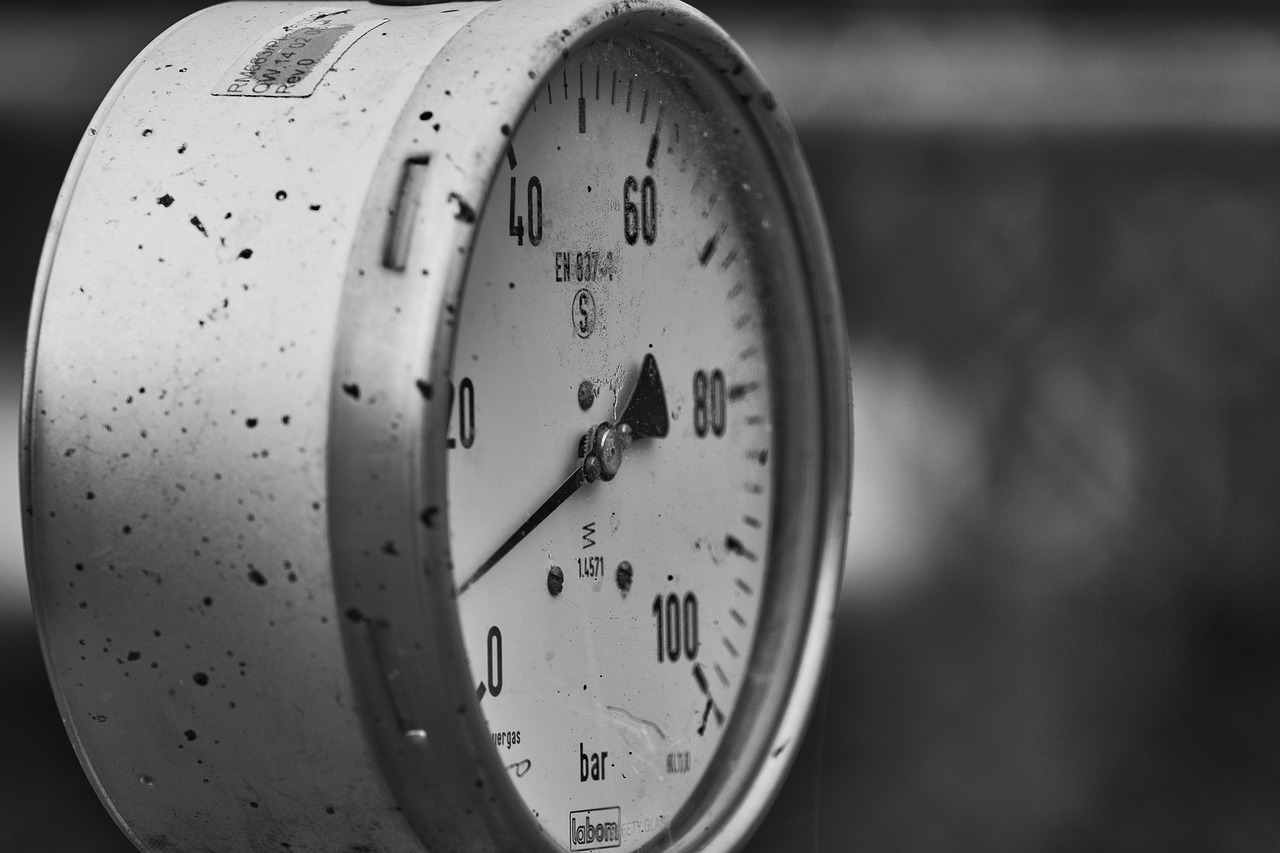
One of the most common problem with transducers is calibration drift. The calibration of a transducer slowly drifts over time. If the drift is even to a two percent reading, it is possible for that to move to a ten percent reading over the course of the process without recognition of the problem.
Such a drift will cause, for instance, the reading on the transducer to register 45 psi when the actual psi of the tank contain 52 psi. Calibration of the transducers will help to avoid this problem.
2. Environmental Contamination
Environmental contamination of transducers is another common problem. Environmental issues like moisture, dust, or chemicals can enter the transducers through the seals that are placed on the transducers. These environmental elements can damage the transducers over time. For instance, a transducer that is placed near a location where the process fluids are continually wash down can enter those fluids into the transducer.
After a few month of exposure to those fluids, the transducer may begin to fail. An ingress protection rating of the transducers should be chosen according to the environmental conditions of the installation site.
3. Temperature Compensation Issues
Another problem with transducers is that they are often overlooked in terms of temperature. Transducers include a temperature compensation range in which they are suppose to operate. However, the installations often ignore the specifications of the temperature compensation range of the process variables. If the temperature of the environment shifts, say, thirty degrees within a short period, the transducers may provide incorrect process variables.
To avoid this problem, the transducers should be installed away from heat source or with a wider temperature compensation range.
4. Electrical Noise

Electrical noise is another problem that can affect the reliability of transducers. Electrical noise created from the environment of the installation site can lead transducers to output incorrect electrical signals. For instance, if an electrical noise is created from a nearby power source, the transducers may indicate that there is changes in the process variables when there are none. To avoid this problem, the signal wires should be separated from the power lines, the transducers should be shielded, or the installation site should be properly ground.
5. Mounting Stress
Mounting stress can also lead to transducers failure. For instance, if a technician over-tightens a transducer or installs it in a vibrating piece of process equipment, the diaphragm within the transducer can be deformed. This deformation can lead to incorrect process variables being output by the transducers. To avoid this problem, the transducers should be installed according to the manufacturer specifications with the correct amount of torque, with the use of the proper sealant, and with the installation of flexible coupling where the vibrations are strong.
6. Wiring Faults

Wiring faults are also common. For instance, the wiring for some brand new installations are subject to reversed polarity or loose connection. A technician might have to replace three different transducers before finding that the ground wire for the process has become loose. To avoid this problem, a technician should inspect and verify the entire wiring loop before assuming that any of the components are the cause of incorrect process measurements.
7. Sensor Aging
Sensor aging is a problem that people do not typically want to discuss. Diaphragms, bonding agents, and semiconductors wear with time. After ten year of use, a transducer may begin to experience problems that are outside of the calibration of the transducer. At this point, the only solution is the replacement of the transducers. To avoid this problem, the hours of operation or the number of cycles of the process that the transducers undergo can be tracked so that the transducers can be replaced in advance of reaching such a point.
8. Over-ranging Process Variables
Over-ranging of the process variables can also damage the transducers. While they can take short over-ranging variables, continued ranges over the limits of the transducers will stretch the sensing element of the transducers beyond its limits. As a result, the zero point of the transducers will shift, and the non-linearity that develops will cause incorrect process variable reading. Process engineers often ignore these transducers because the error in zero point are negligible. However, this is dangerous if the transducers are used for safety or for custody transfer application.
9. Chemical Incompatibility
Chemical incompatibility between the fluids within the process and the materials that create the transducers is yet another problem. For instance, a transducer with a 316 stainless steel diaphragm may be able to last for a few month with a water-based process. However, if the chemicals in the water change, the diaphragm can dissolve in a few week. To avoid this problem, the chemicals that will be within the process should be considered when purchasing the transducers or using a different fill fluid within the diaphragm seal.
As with most things in the process, there are multiple problem with transducers. A drifting sensor might also have electrical noise entering its wiring, for instance. However, if a technician learns the causes and solutions for each of these problems, it will become easier to diagnose the cause of a process failure that includes one or more of these problems.
Thus, each of these problems should be checked in order of complexity, from the simplest to the most involved. The next time that incorrect process variable readings are displayed on the instruments, it is best to not immediately assume that the transmitters are the problem. Instead, the process should be walked, the environment should be considered, and the technician should remember that while the transducers are made of the strongest materials, they are also not immortal.
By using an eye to identify each of these common problem, the headaches of incorrect process measurements can be avoided. Thus, by performing each of these steps, the process readings will become trustworthy again, and the effort that is required to perform these steps is worthy of each instance of its performance.