
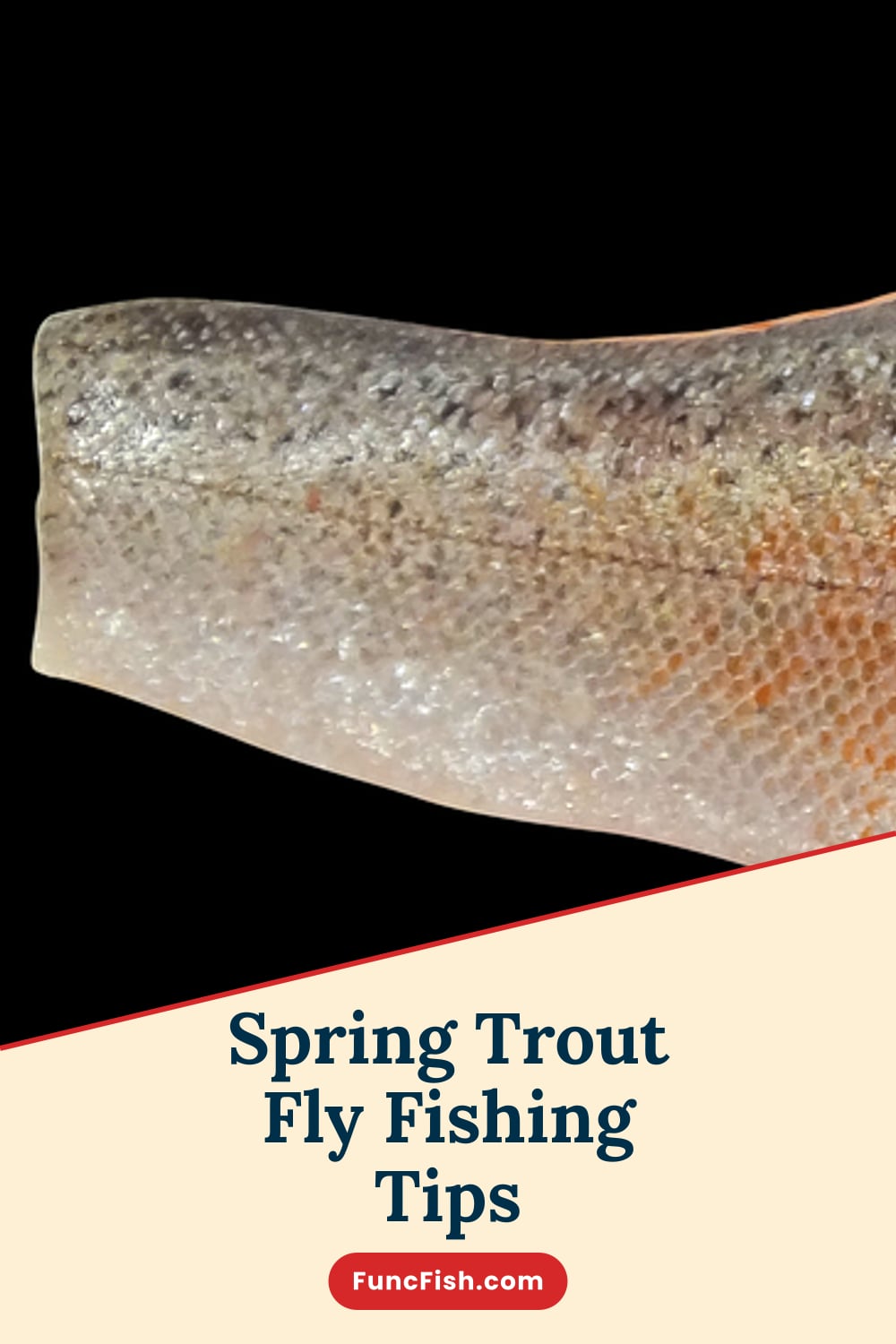
Fly fishing for trout in spring stream can be both difficult and rewarding. The water is still cold enough to numb your finger but the trout have awakened from winter’s slumber. There is no better feeling than watching a trout rise to your fly on the first warm afternoon of March.
Yet the weather in spring can change from day to day. One day the river may be like the color of clear spring water and the next it may be like chocolate milk due to spring snow melt. Your success in spring can depend on your ability to adapt to the river faster then the trout can.
There are a few tactics that can help you to transform those difficult spring day into productive spring days. These tactics will help you with the unique challenge of spring fishing. The challenges of spring can include finding finicky trout, finding fishing spot with the proper water levels, and locating the insects that trout love during these month.
By following these tactics, you will find that you have spent less time fishing in vain and more time actualy netting some fish.
Effective Tactics For Spring Trout Fishing
1. Monitor Water Temperature
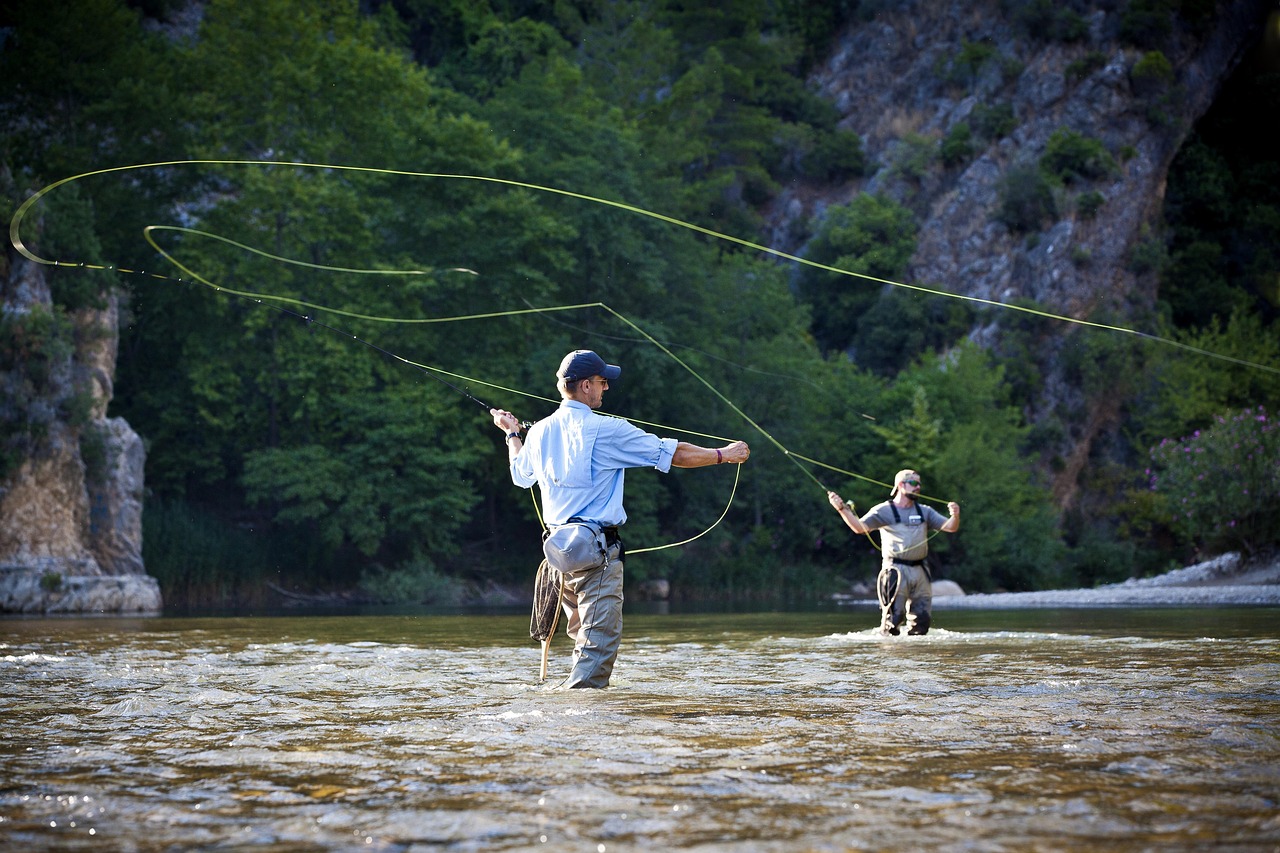
Start with the water temperature in your spring trout stream. The ideal water temperature for trout is between 45 and 55 degree.
If the temperature of the water is below 45 degrees, the trout will be in the bottom of the stream where it is warmest and they will ignore any dry fly that you may have cast onto the water. If the water temperature is between 45 and 55 degrees the trout will be more willing to chase your flies. Always bring a small thermometer with you to test the spring water before you begin your fishing trip.
2. Target Soft Waterspots
Target the soft waterspots in your stream. During the spring the trout will conserve their energy and lie in the seams of the river and in the eddies of the pool. The same spots that may have attracted the trout during the summer can be totally empty during spring.
Target the spots in which the water is moving the pace of a human walk. If you can locate these spots the trout will likely bite at your flies. Pay close attention to the insect in spring and be ready to switch your flies.
3. Focus on Specific Insect Patterns
During spring the insects that the trout love are the midges and blue winged olive between sizes 16 and 22. Carry a variety of these insect in dark color and try to use a size 20 midge pupa trailed by a slightly larger olive nymph. If the trout do not take the flies try switching to a single dry fly such as the film.
4. Adjust Leader and Tippet
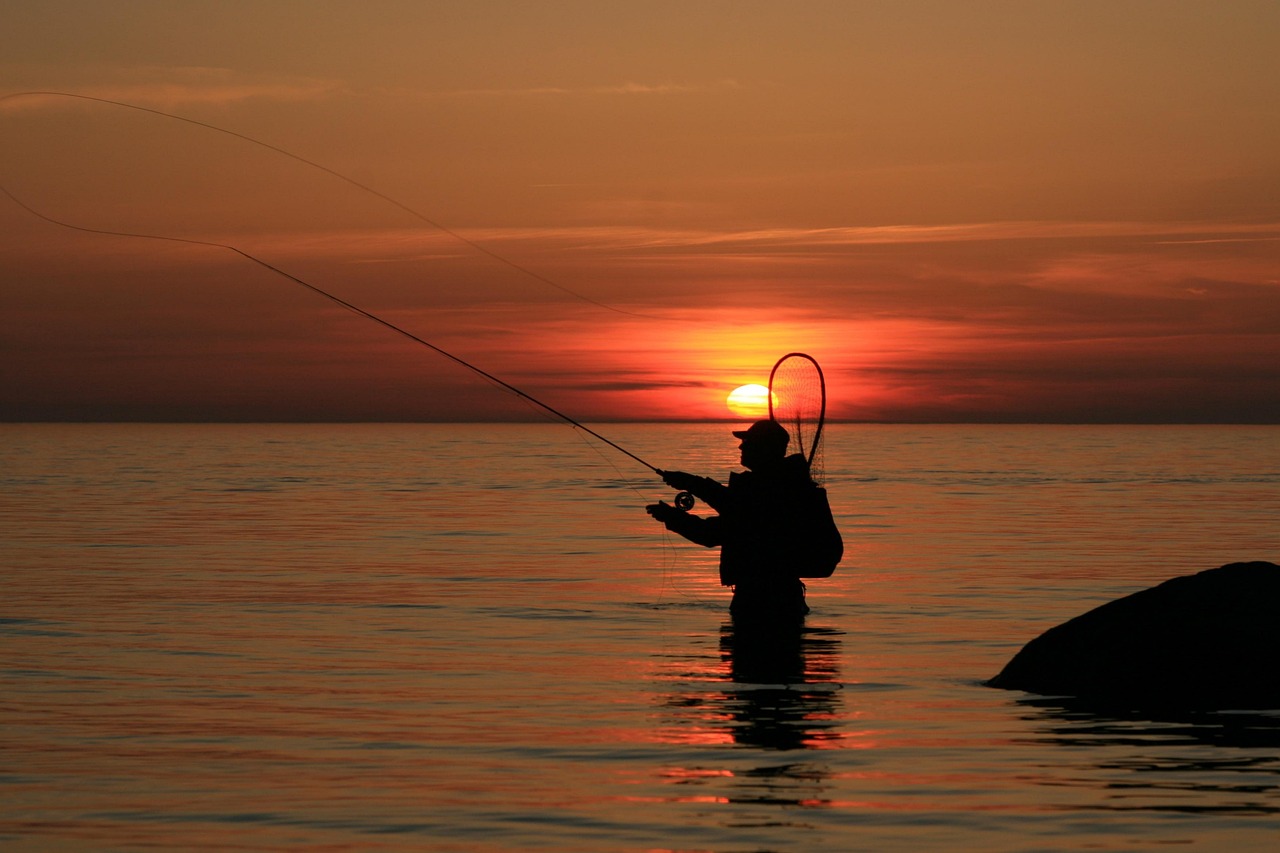
The spring fishing for trout can be short lived and some area that contain these insects may not display them for long period. Adjust your leader and your tippet according to the spring conditions. If the water levels in the stream are high you will want to use a heavier tippet between 4 and 5X to avoid snagging your flies on the riverbed.
As the water levels drop, you can use a 6 or 7X tippet to fool the wary trout in the flat. Many fly fishermen dont adjust their leader according to the changing condition in the river. This can lead to frustration when the trout refuse them when the water is clear.
5. Time Your Fishing Trips
Fish during the early hour of the day and late hour of the day when the sun is not bearing down upon the trout in the shallows of the stream. The middle of the day can be difficult to fish because of the bright sunlight. Instead, target the first two hour after sunrise or the last hour before sunset.
During the height of the day the trout will be in deeper pool in the stream where the surface texture has broken the water’s surface. These fish will still be feeding but are less likely to chase your flies. Pay close attention to the color of the water.
6. Observe Water Color
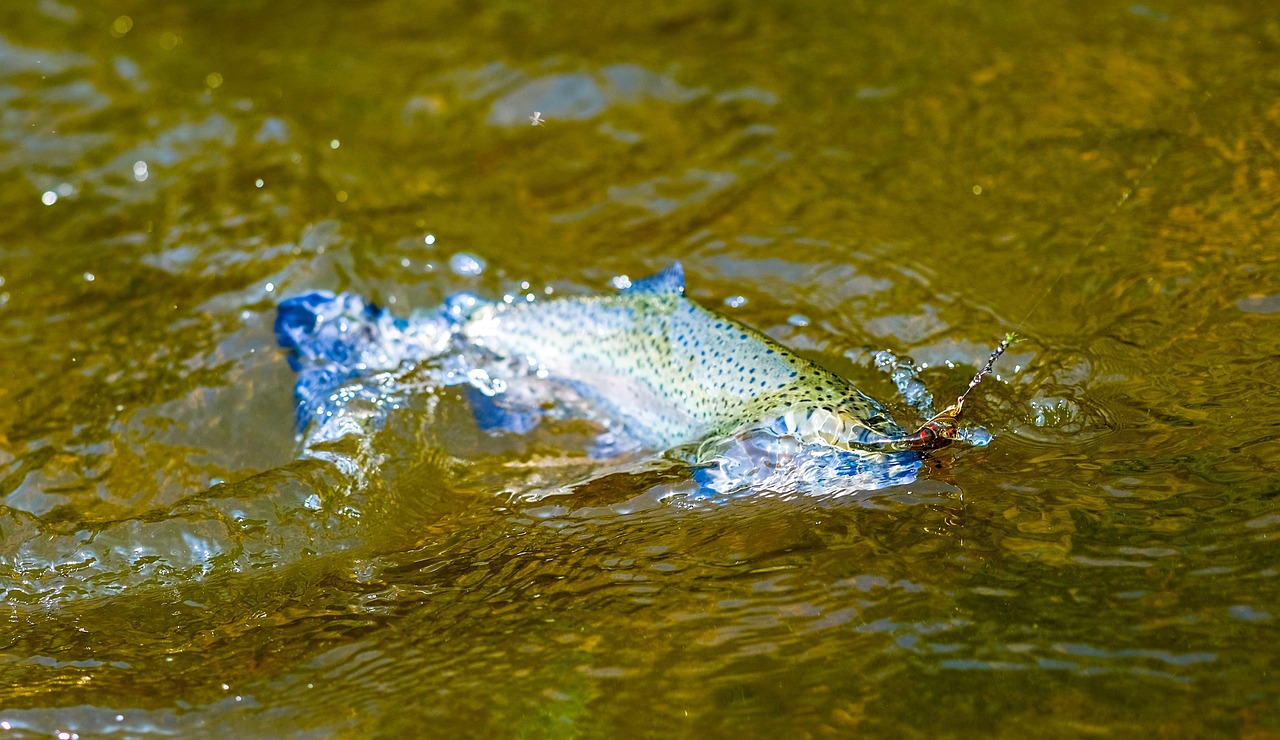
If the water is off-color due to spring rain storm the trout will feel safer moving into shallow area. Off-color water permits you to fish with brighter fly and a heavier tippet due to the safety of the trout. Once the water becomes clear and transparent you must change your technique and fish farther from the trout.
Observing the color of the water will help you avoid wasting your fishing trip on spot that do not contain any trout. Bring the appropriate kind of flies and do not bring too many. For nymph try pheasant tail nymph between sizes 14 and 18.
7. Pack the Right Fly Selection
Also include some hare’s ears, copper johns and a few san juan worm for dirty water. For dry flies use Adams parachutes, elk hair caddis and griffith’s gnats. Also bring a few weighted streamer like black woolly bugs and clousers in olive and brown.
That amount of flies is plenty for most days. A lot of trout fishermen bring two hundred or more fly into the stream. This can become overwhelming and slow down their ability to observe the water.
8. Practice Careful Catch and Release
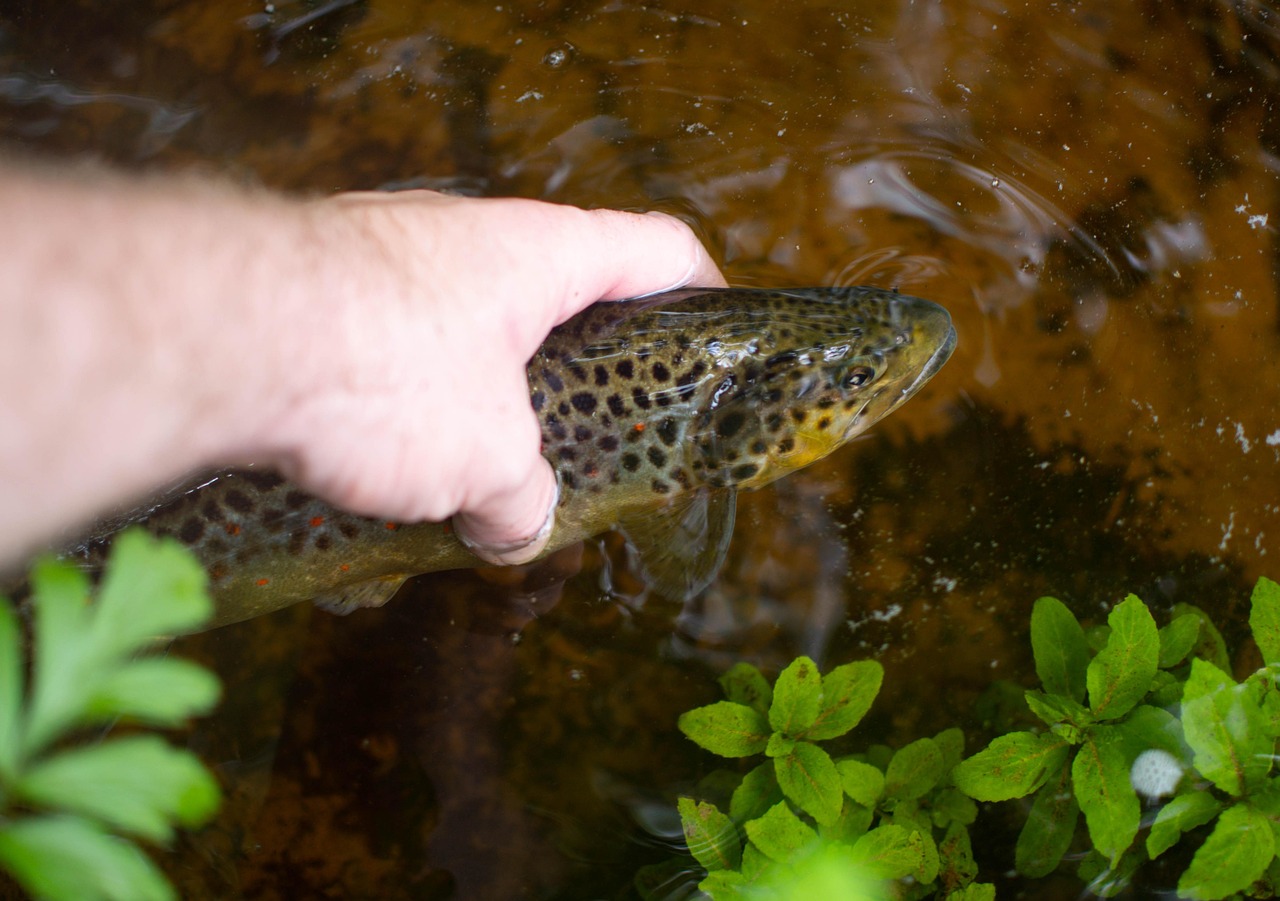
Finally practice catch and release with care. Because the water is cold the trout contain plenty of dissolved oxygen. However, trout tire quick and take time to recover from being caught.
Keep the fish only long enough to take a photograph. Once netted, face the trout towards the nearest point of the stream. This will help to revive the trout.
During the spring each trout that you release now will be a larger and smarter fish come fall. Respect the river when you fish it. These tactics will work for you as a puzzle.
When you use slow drift of your flies, target the right water type, use the right early spring insect, adjust your leader and tippet, target the proper time of the day, observe the color of the spring waters, use the proper number of fly and practice catch and release, you will find the trout will seem to respond generously to your effort. The trout will be in the spring stream and likely in greater number than during the summer month. The only thing that you must do is meet the trout on there term instead of yours.
When you get the details just right the river will begin to reward you. At this time fly fishing during spring can become almost magical.