
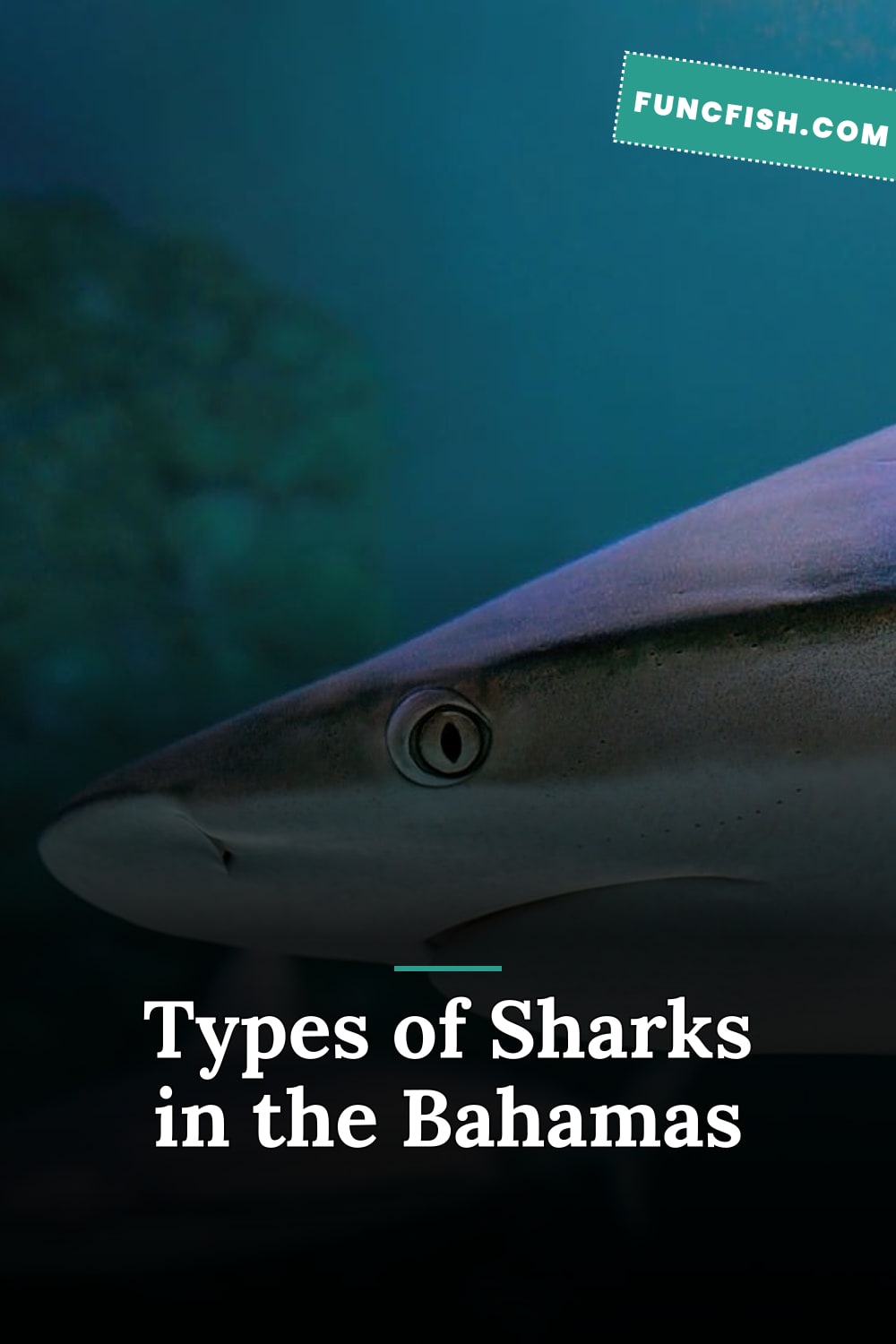
The clear waters around the Bahamas contain an incredible variety of shark. Some shark species lives in the shallow flats where a person can stand in waist-deep water and observe these predators hunt there prey. Other shark species live in deep reefs or the open ocean, where a single bite from a shark can change everything in an instant for those in the water.
If a person understands which shark species live in these waters, then the sense of wonder begin to evolve. Understanding the shark species that live in the Bahamas allows a person to appreciate the balance of the ecosystem and to enjoy the safety of the water. A person will understand whether the shadow that passes over them in the water is from a benign nurse shark or a more respectably shark species.
These shark species have roamed and shaped the waters of the Bahamas for million of years. The sharks ensures that the fish populations remain healthy and that the sharks remove the dead organisms from the reefs. These magnificent creature remind every diving tourist that the deep ocean is not to be toured as a theme park.
Most shark species in the Bahamas pose no threat to humans. Furthermore, once a person learns the different shark species that call these waters home, every trip into the Bahamas’ coral reefs or white sand beaches becomes an even more memorable experience. The following text will provide a look into the different shark species that a person is most likely to encounter in the Bahamas.
These shark species will be ordered from the shark species that a person will see on casual dives to the shark species that a person will only encounter under more serious condition.
Common Shark Species Found in the Bahamas
1. Caribbean Reef Sharks
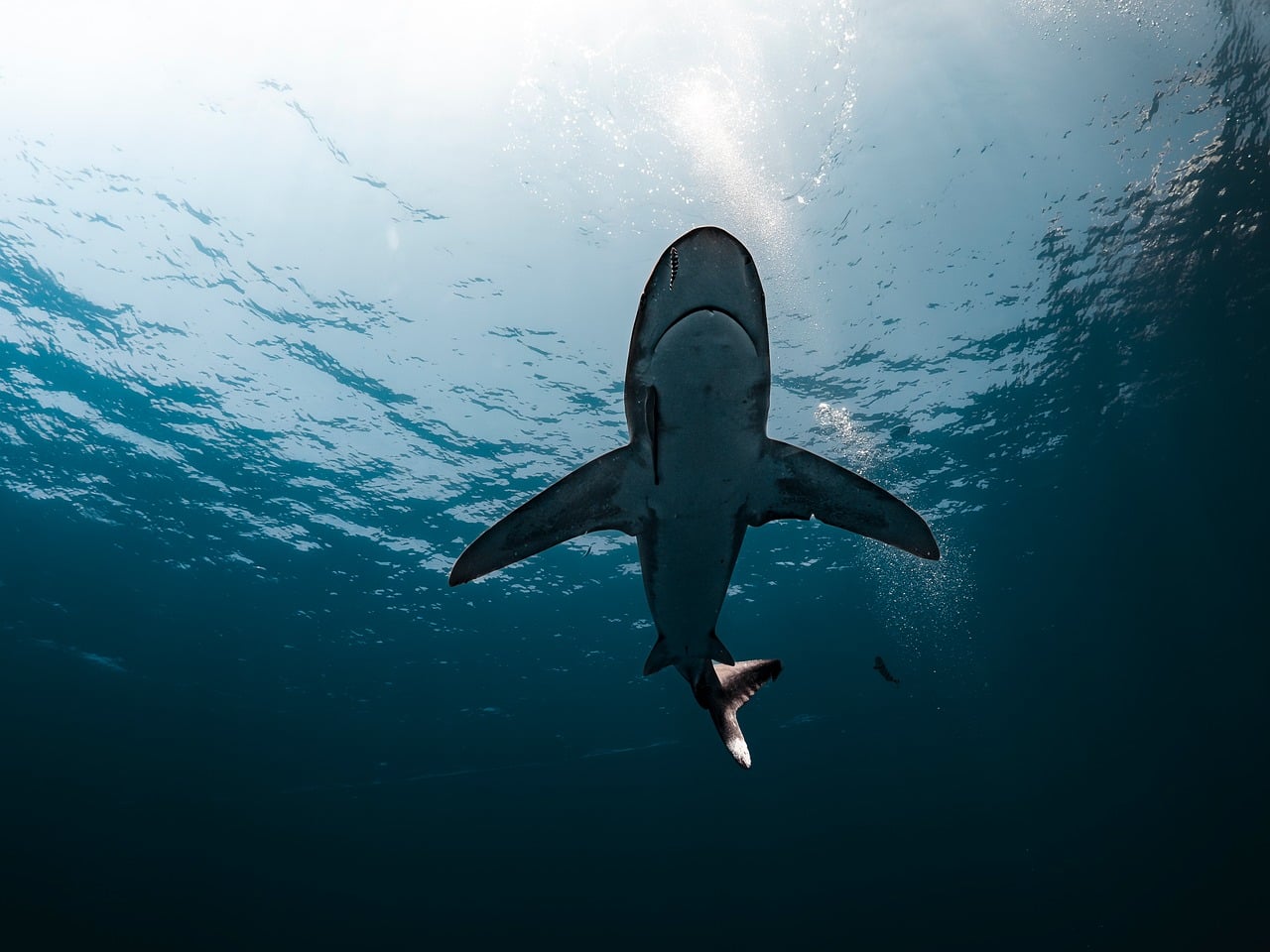
The first shark species that a person is likely to encounter in the Bahamas are the Caribbean reef sharks. These shark species has a reputation for being friendly toward humans while cruising the coral reefs of the Bahamas.
These medium-sized sharks can reach six to eight feet in length, possess a blunt snout, and have a thick, powerful body. These species are quite curious about human life but show no interest in aggression towards humans. Dive tour operators in spots like New Providence enjoy the presence of these shark species due to their curiosity toward humans.
If a person feeds the sharks a few fish, these sharks will surround the divers. However, as with all wild animal species, a person should refrain from interacting with them or with using their hands around the shark species. Another of the shark species that visit the Bahamas is the nurse shark.
2. Nurse Sharks
Nurse sharks tend to display characteristics of couch potato in the Bahamas’ waters. They will often be spotted lounging on the ocean floor resting in groups on ledges or wrecks. Nurse sharks have a broad head and barbels on their face that allow them to eat crabs and small fish from the ocean floor.
While resting on the ocean floor, divers sometimes accidentally step on these sharks. Nurse sharks are not venomous but have the potential to leave a bruise on a diver who steps on them. However, once spotted, these sharks is a sign of the health of the coral reef.
3. Lemon Sharks
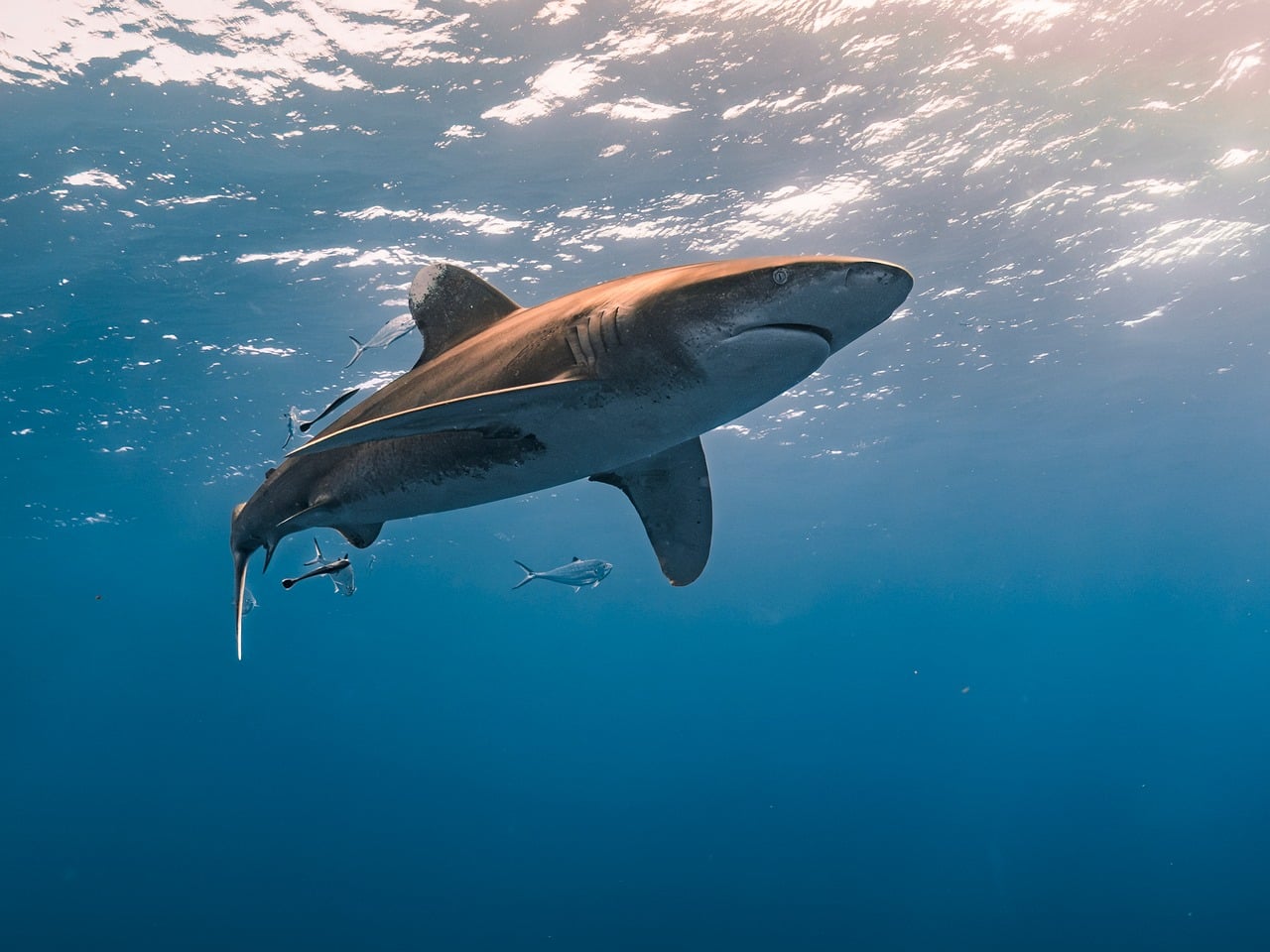
The third shark species to be encountered in the Bahamas are the lemon sharks. The yellowish coloration of lemon sharks allow them to camouflage themselves against the color of the Bahamian sand. These sharks love warm, shallow waters where bonefish and tarpon live so they may also be spotted while wading or kayaking.
The mangrove forests in which juvenile lemon sharks live is essential to the survival of the lemon shark species. The adult lemon shark species grow to ten feet in length and have a pointed snout. Lemon sharks will not attack humans, but their impressive strength when navigating narrow channels in the Bahamas is something to admire.
4. Blacktip Sharks
The fourth shark species to be spotted in the Bahamas are the blacktip sharks. The blacktips get their names from the black-colored tips on their fins. These shark species tend to live near the edges of the reefs and in groups.
One of the characteristics of blacktip sharks is their tendency to jump out of the ocean while hunting for food which is a behavior that dolphins perform. These shark species rarely will reach six feet in length. However, their agility in the water are impressive.
While some swimmers or surfers might be concerned about blacktip sharks, statistics shows that they do not exhibit interest in attacking humans. Instead, they exhibit interest in mullet species. The fifth and final shark species to be spotted in the Bahamas are the hammerhead sharks.
5. Hammerhead Sharks
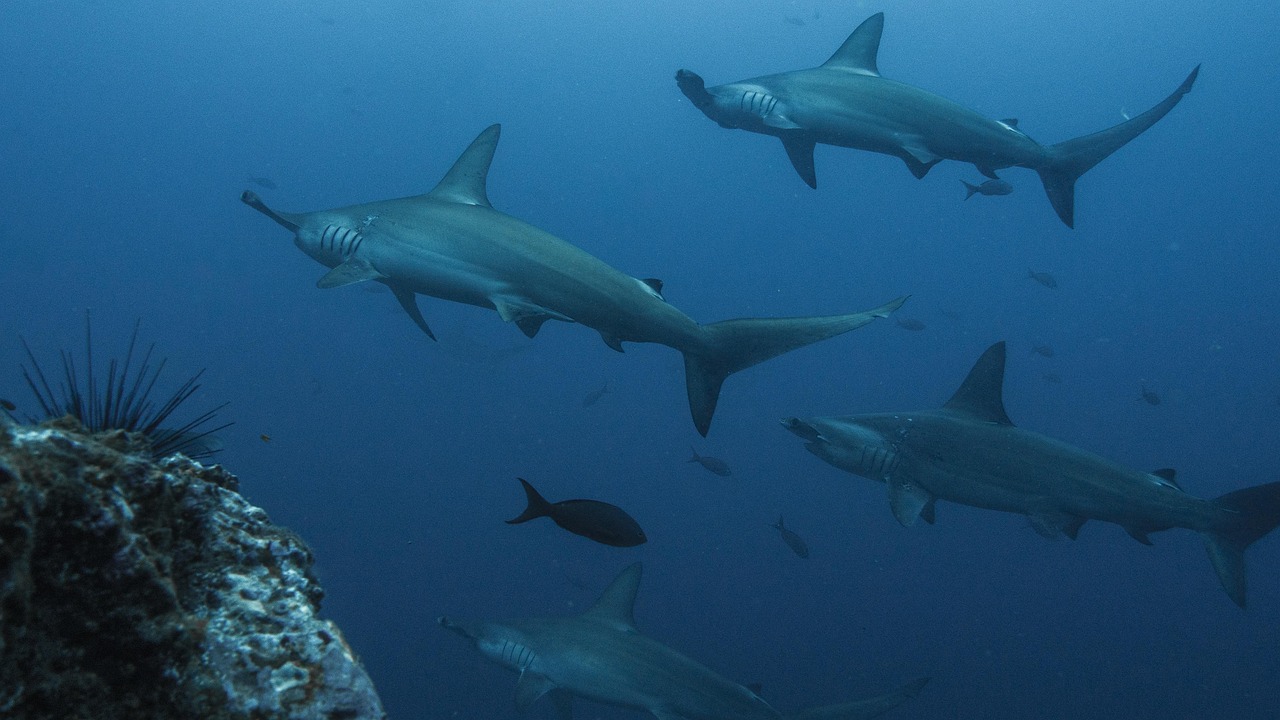
The great hammerhead shark is the star of the species when encountered in the Bahamas. The great hammerhead sharks have a unique T-shaped head and large eyes that provide them with a 360-degree view of their surroundings. These species use their vision to pin stingrays against the ocean floor so they can hunt for the stingrays.
Hammerhead sharks can be spotted in the deeper part of the Bahamas near Andros and Bimini. Hammerhead sharks tend to be seen alone in the Bahamas. Smaller species of bonnethead sharks, which are the cousins of the hammerhead shark, have rounded heads and are often spotted in the grassy shallows where they hunt for crustaceans.
The oddity of the sharks’ heads has a distinct purpose which is observed through their evolution. As a rare species, spotting a hammerhead shark is a memory that a person will share with others throughout their lives. Furthermore, the encounter will leave a lasting impression on the person who spotted the shark.
6. Bull Sharks
The sixth and final species of shark to be spotted in the Bahamas are bull sharks. Bull sharks is known to be a tough species and can live in both salt water and freshwater. Bull sharks follow rivers inland from the Bahamas and seek out areas that are less desirable to other shark species.
Bull sharks are commonly spotted in channels and harbors in the Bahamas, especially after rain when the salt water gets diluted. Bull sharks have a stocky body with blunt snouts and strong teeth for cutting up their victims rather than the slashing teeth of other shark species. Most bull shark encounters happen from a distance.
However, any person who has encountered a ten-foot bull shark will never forget the encounter. These sharks are a reminder to all marine and land dweller of the food chain in the Bahamas. If the tourists respect the ocean and its creatures the odds are on the person’s side when encountering a bull shark.
7. Tiger Sharks
The last species of shark to be spotted in the Bahamas are the tiger sharks. These giant predators has a striped pattern that fades with time as they age to reach their giant sizes. Tiger sharks have a blunt head and wide mouth perfect for scavenging the ocean floor and water for food.
These species have the ability to consume food such as sea turtles, octopuses, and even license plates. Tiger sharks are typically spotted in the offshore area of the Bahamas, unless they are attracted to the chumming and spear fishing activity in the Bahamas. When snorkelers spot them, they are usually between twelve and fifteen feet in length.
When spotted, every person in the water will feel as if they are of small stature in the ocean. However, despite their reputation, these tiger sharks are necessary to the Bahamas’ ecosystem as they perform the job of clearing the coral reefs of the dead and dying animals. The reputation of the tiger shark is fierce.
However, the necessity of the tiger shark to the reefs gives them a necessary role in the water. Therefore, the best response to sighting a tiger shark is to admire the creature from a respectful distance. Every one of the shark species mentioned above is a part of the delicate web that keeps the waters of the Bahamas so vibrant and full of life.
The next time that a person visits the Bahamas and slips into the sea, they should take a moment out of their trip to look for these shark species. A dark shape in the sea with a rounded fin might be a nurse shark resting on the ocean floor. A flash of yellow against the white sand might be a lemon shark cruising the shallows.
Whatever species of shark that might be spotted is a product of the millions of years of evolution that has allowed these creatures to flourish in the Bahamas. While diving into the Bahamas and spotting these sharks does take away from the thrills of the dive, it does so in a way that provides a feeling of awe for the person spotting the great apex predator species of the sea.