
When you find yourself at the range with a fresh box of ammunition, the first thing that you will do is to load the rifle and fire the first round. It is possible that the recoil from the gun will be more than you expected. However, it is also possible that the recoil will feel softer then you have experienced with other rounds.
Furthermore, it is possible that the bullet will not land on the target as you wished; it could be two inches low at 25 yard. In both of these situations it is natural to wonder if the weight of the bullet is the reason for this outcome. In the field of shooting sports or hunting it is possible that the weight of the bullet is the most misunderstood variable between the muzzle of the firearm and the target.
If you select the wrong weight of bullet for your firearm your groups will spread out or you will find yourself dropping energy from your projectile too soon. Additionally, your firearm will kick with more force than you want and for no good reason. The good news is that a few different mistake when choosing bullet weight cause some recognizable problems.
By knowing these mistakes you can save yourself money on wasted ammunition and youll not feel frustrated at the range when you are trying to learn how to properly load your firearm. The following list will show you the different problems with bullet weight, the reasons for these problems, and the ways to avoid these problems. The first problem with bullet weight is when a person uses bullets that are too light for the big game that they are trying to kill with those bullets.
Common Problems Caused by Bullet Weight
1. Bullets that are too light for big game
For example, a hunter who owns a.30-06 rifle may load the rifle with 125-grain bullets. These bullets are known for their flat shots and low recoil. However, at 200 yards, these bullets will have lost most of their velocity and will not expand reliably on a target of heavy bone from the shoulder of the moose.
Furthermore, these bullets will either fragment before they find the game or they will miss the moose completely. This is a reason that the guides from Alaska is often frustrated with the hunters who load their rifles with these super-light bullets. The opposite of this problem is when a person picks bullets that are too heavy for the cartridge and the barrel twist.
2. Bullets that are too heavy for the cartridge and barrel twist
For example, if a person attempted to load a.308 with 180-grain bullets in a barrel that has a 1-in-12 inch twist the rifling inside the barrel will not stabilize the bullets. This will result in keyhole-shaped holes in the target paper as well as poor shot groupings for distances over 100 yards. The rationale for choosing these heavy bullets will be lost since the added weight of the bullets means that they will have more energy at the target.
However, the rifling will not stabilize the bullets so the potential energy of the bullets will not matter. Another common problem is when people use bullets that are the wrong weight for the barrel length of the gun. For example, a 16-inch carbine that fires.223 ammunition with 55-grain bullets will have a velocity drop of almost 400 feet per second compared to a 20-inch barrel.
3. Bullets that are the wrong weight for the barrel length
Due to the lighter weight of the bullets the bullets will drop below the sound barrier, the groups of bullets will spread out as they head toward the target, and the flat trajectory needed for precision on game species like coyotes will not be present at long distances. In contrast, the same gun will do well with 77-grain match bullets, but will not be able to generate the velocity needed in the bullets to expand on game at longer distances. Many reloaders who want to increase the velocity with which the bullet exits the muzzle will dramatically reduce the weight of the bullets that are placed into the gun.
4. Reducing bullet weight to increase muzzle velocity
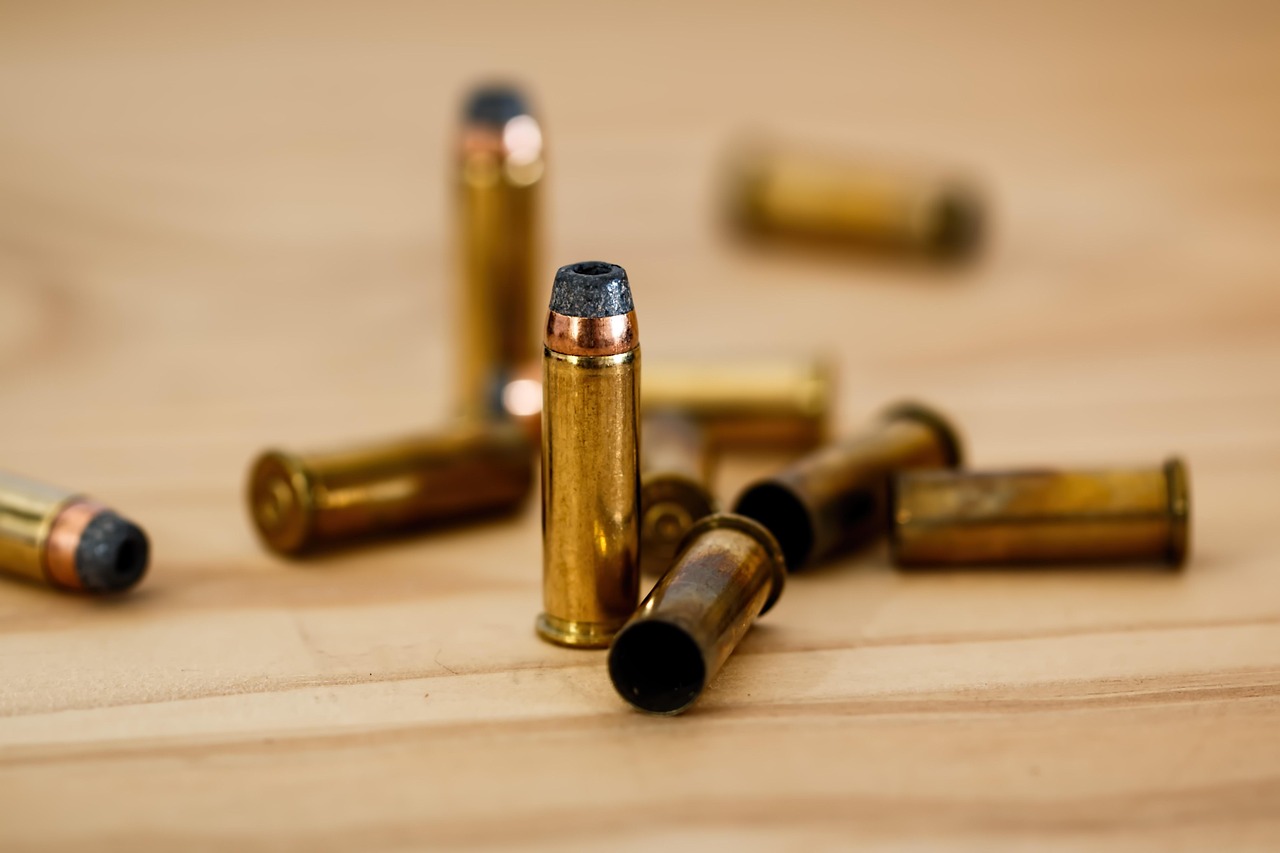
In this case the reloader might go from 150-grain.270 bullets to 85-grain bullets for varmint targets. In this instance the extra powder needed to accelerate the lighter bullets will create more recoil. Although the energy of the bullets will remain the same the shooter will notice the extra recoil in their shoulder.
Additionally, after a few boxes of ammunition the groups will spread out due to flinching caused by the extra recoil. Hunters who use the same load of ammunition for different animals often experience a problem. For example, a.30 caliber rifle load might work beautifully for whitetail deer.
5. Using the same ammunition load for different animals
However, the same load will not have the momentum to reach the vital organs of an elk that is quartering away at forty yards. Instead of switching to an 180-grain bullet that will have a better chance of stopping an elk the hunter will continue to use the 165-grain bullet for deer and will ignore the problem created by the size of the game they are hunting. Range officers see another mistake every weekend at the pistol ranges.
6. Using heavy subsonic bullets in compact carry guns
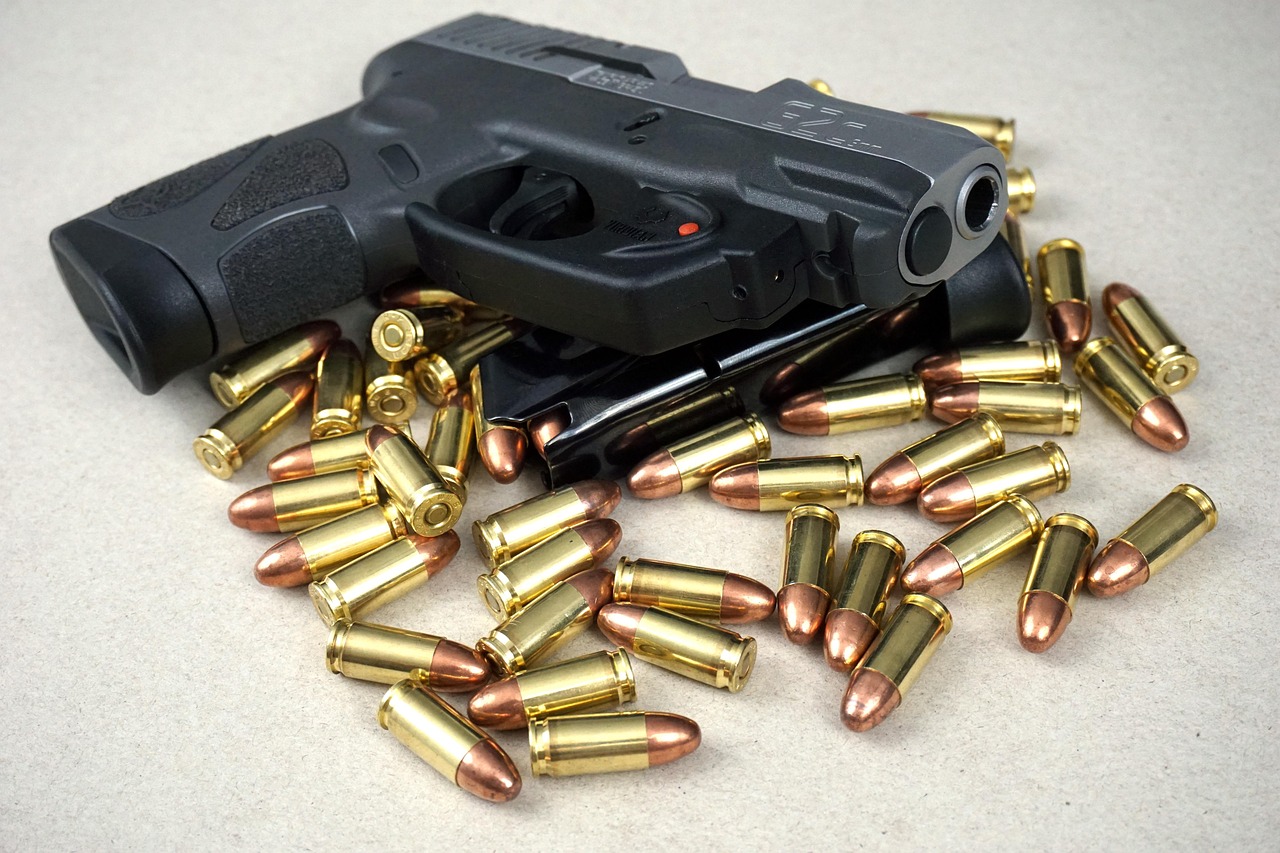
New shooters want to use 147-grain subsonic 9mm bullets for their compact carry guns because they have read that the heavier bullets will create less recoil. However, these bullets will work with full-size handguns but will create failures to eject the spent casing when the shooter attempts to use them in smaller guns. Using a 115-grain or 124-grain bullet will fix the problem with the guns reliability.
The weight that feels good for a defensive gun will become a liability when using a smaller gun. Another problem for those who compete in shooting events is a choice of bullet weight that is too heavy for the cartridge. Many competitive shooters want to use the heaviest bullet possible to improve the grouping of the bullets.
7. Bullet weight that is too heavy for competitive shooting
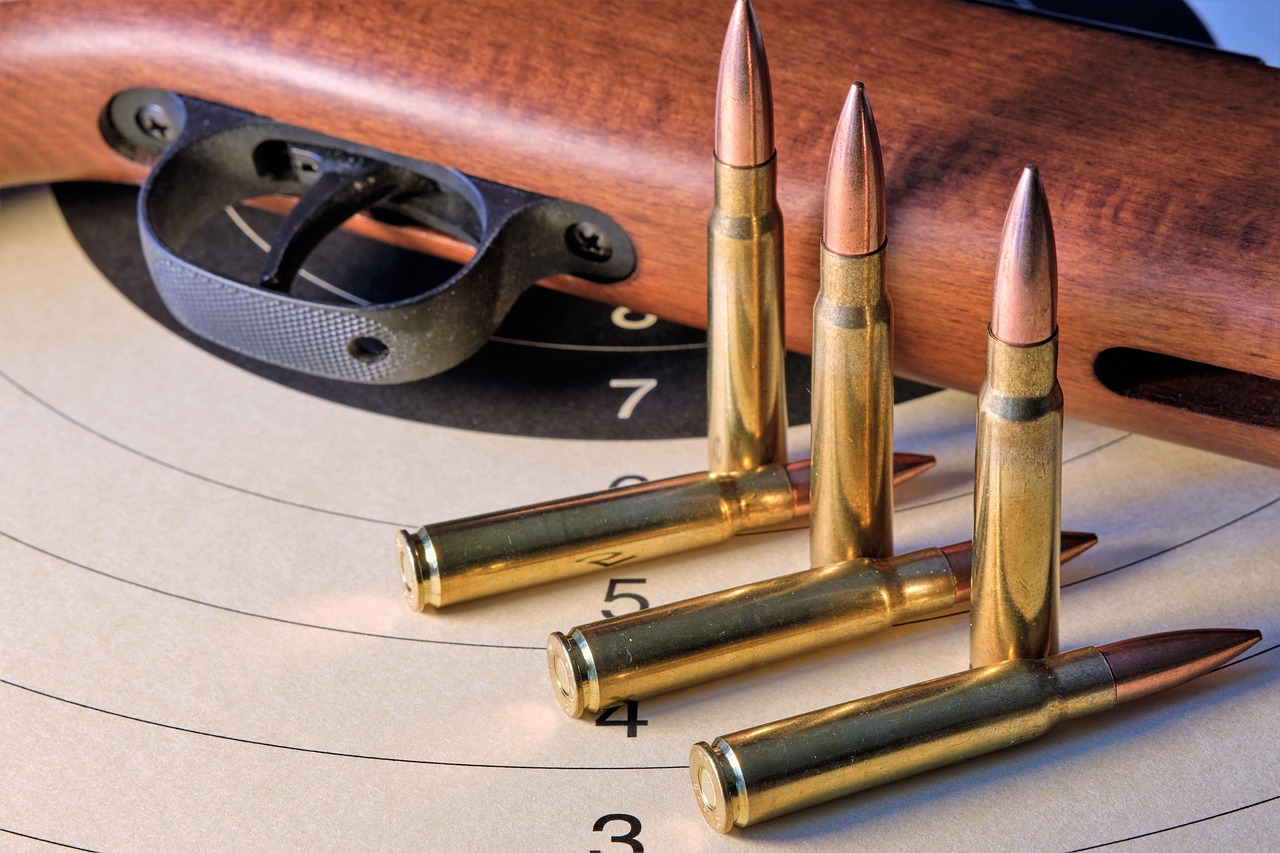
For example, in benchrest shooting a 77-grain.223 bullet will improve the grouping of the bullets. However, these same 77-grain bullets can slow a shooter down when required to shoot at multiple targets at once. Instead, a shooter should use a lighter bullet that improves grouping and allows them to stay on the clock.
8. Ignoring maximum loads for heavy bullets
Handloaders often ignore the maximum loads for bullets that are too heavy for the cartridge. For example, a handloader may load a.44 Magnum with a 250-grain bullet to the same velocity as the 180 grain bullet loads made by the manufacturer. Because the 250 grain bullet takes up more space in the chamber than the 180 grain bullet there is dramatically increased pressure on the firearm before the powder burns up the case.
The result will be flattened primers and sticky casings as the bullet is fired. The extra weight of the bullet has changed the ballistics of the firearm in ways that the manual warned about. When loading a gun with heavier bullets the handloader should reduce the powder charge.
9. Choosing bullet weight based on others instead of the specific gun
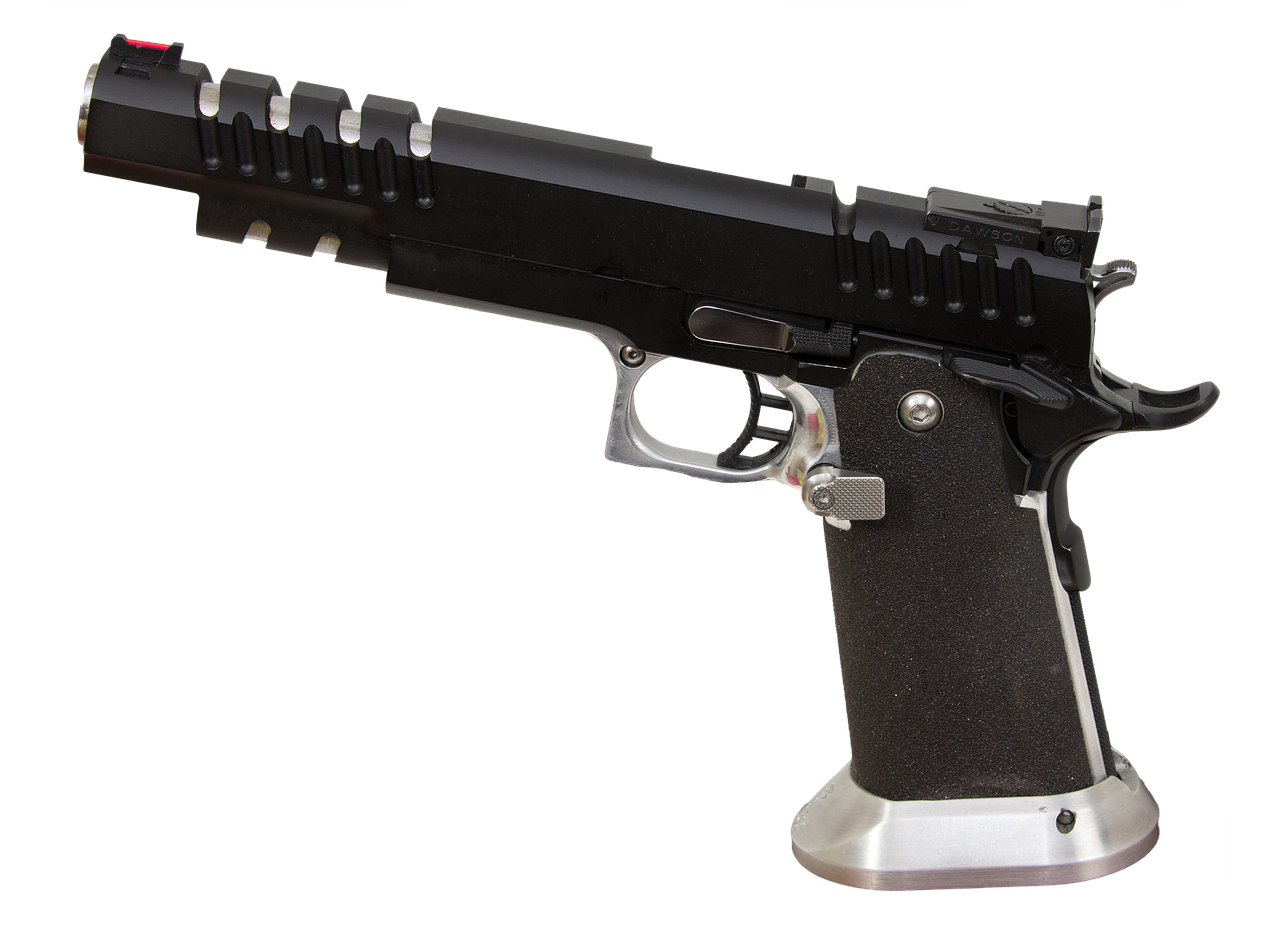
The final problem involves choosing bullet weights based off what one’s friend loads the gun with instead of loading the gun with the bullet weights that the gun likes best. One gun may like 168 grain bullets while the other identical gun may like 175 grain bullets. There may be differences in the twist of the guns barrel, the length of the barrel, and the thickness of the muzzle.
The only way to find out what bullet weight works the best with a gun is to fire a series of bullets of different weights into the guns target. When a person chooses a bullet weight that someone else likes instead of what the gun likes the shooter will be surprised at the outcomes of the guns shots. Getting the bullet weight of the projectiles in a gun right is a skill that does not require the memorization of charts.
Instead the knowledge of what bullet weight to use with what firearms and for what tasks will be a skill in and of itself. However, if all of the elements work together in harmony the outcome will be beautiful shot groupings, the game will drop from the hunters gun, and the hunter will have a smile on their face when they leave the range. When you load a gun with a new box of ammunition it is a good idea to take a moment to consider if that bullet weight for that gun will work the best for that shooter.
While it might seem like the answer is obvious a little thought will produce an answer to this question. Finding the answer to this question is one of the satisfactions that those who fire guns at the range feel.