
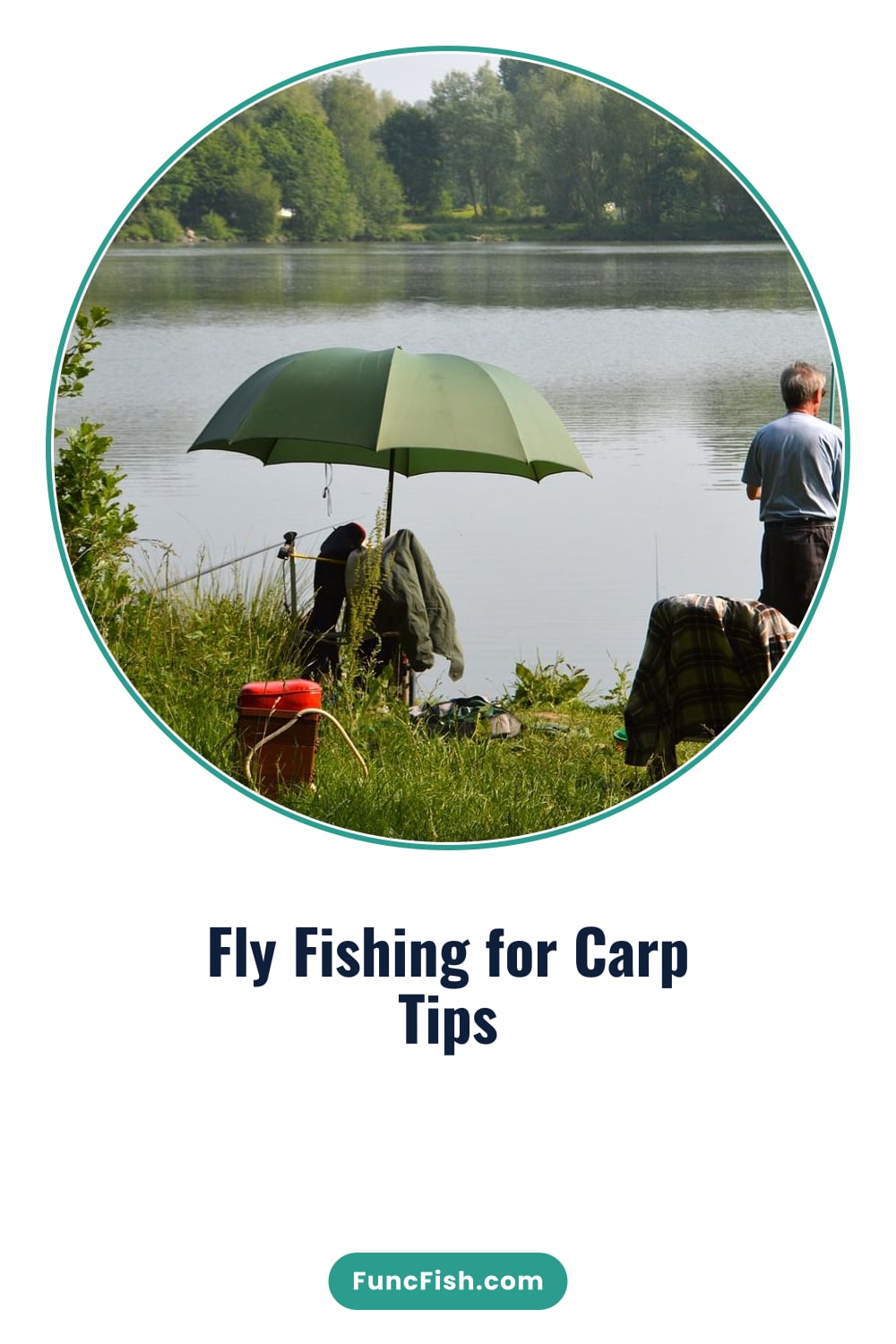
Many people believe that carp is bottom feeding trash fish that live in muddy ponds and eat anything that they can find. However, those who fish with a fly rod for carp know that carp are a different type of fish altogether. Carp will strip the line more fast than a bonefish will strip the line.
Carp will bulldog sideways at rates that even a permit would be impressed by. Carp will test every inch of you leader as they will find anything that seems too shallow for a carp of that size to inhabit. The fight with a carp can last for a long time, the fight with a carp can be very stubborn, but the fight with a carp becomes addictive after a few try.
When someone hooks a carp using a fur and feather fly, there is no going back for those who used to fish for carp in more conventional manner. Carp pose challenge for anglers due to the different behaviors that carp exhibit as compared to trout. Carp tend to cruise through the water, root on the bottoms of the ponds and lakes where they live, and become easily spooked by shadows that move through the water.
As such, carp angler must develop different skills than trout anglers. There is no such thing as simply drifting a nymph pattern to try to catch the attention of a carp. There is no such thing as success that comes from luck when fishing for carp.
Success comes from understanding the carp’s habits, perfecting one’s carp fishing gear, and learning new methods for presenting the flies into the water to the carp in manners that mimic hunting for the fish as opposed to simply fishing for the carp. Sight fishing for carp is the main sport for those who love to fish for carp and it is the first skill that every carp angler should master. In order to sight fish for carp, a person must either walk the bank where the carp live or one must wade slow into the water to spot the fish for food.
Essential Tips For Successful Carp Fly Fishing
1. Mastering Sight Fishing
In order to spot the carp successfully, a person must use polarized glasses as they are non-negotiable for sight fishing for carp. By spotting the carp with these criteria in place, the angler can attempt to land the carp with their fishing rig without spooking the carp. If a carp spots the angler or feels the angler moving through the water, the carp will flee twenty feet away from where they were spotted.
These scared carp will cause their friends to also flee from the sight of the angler or the sight of the shadow that the angler makes in the pond or lake. Carp anglers who master the skill of sight fishing will often spot carp as they tilt their heads towards the fishing rig and their mouths work open and close as the angler’s fly lands in their mouths. Beyond mastering the skill of sight fishing, anglers must also master the use of their leader setup when fishing with a fly rod for carp.
2. Optimizing Your Leader Setup
Carp anglers know that a long and fine leader will readily snap if twenty-pound mirror carp spot food and begin to chase after the food source. Most experienced carp anglers use leaders that are nine to twelve feet in length. These flies use 10 or 12 pound fluorocarbon leader but taper the flies to an eight or ten pound tippet to allow for the carp to chase after the fly and continue fleeing from areas that may pose a threat to the carp.
Fluorocarbon sinks faster than monofilament lines which allows for the fly to land on the bottom where carp live and feed but without adding excessive weight to the line that may scare the carp. Now that a person has learned how to use a leader setup that can stand up to the strong pulls of a carp and how to master the skill of sight fishing, the angler must learn how to properly select the proper flies for carp. Carp are very selective about the types of flies that it will eat.
3. Selecting Effective Flies
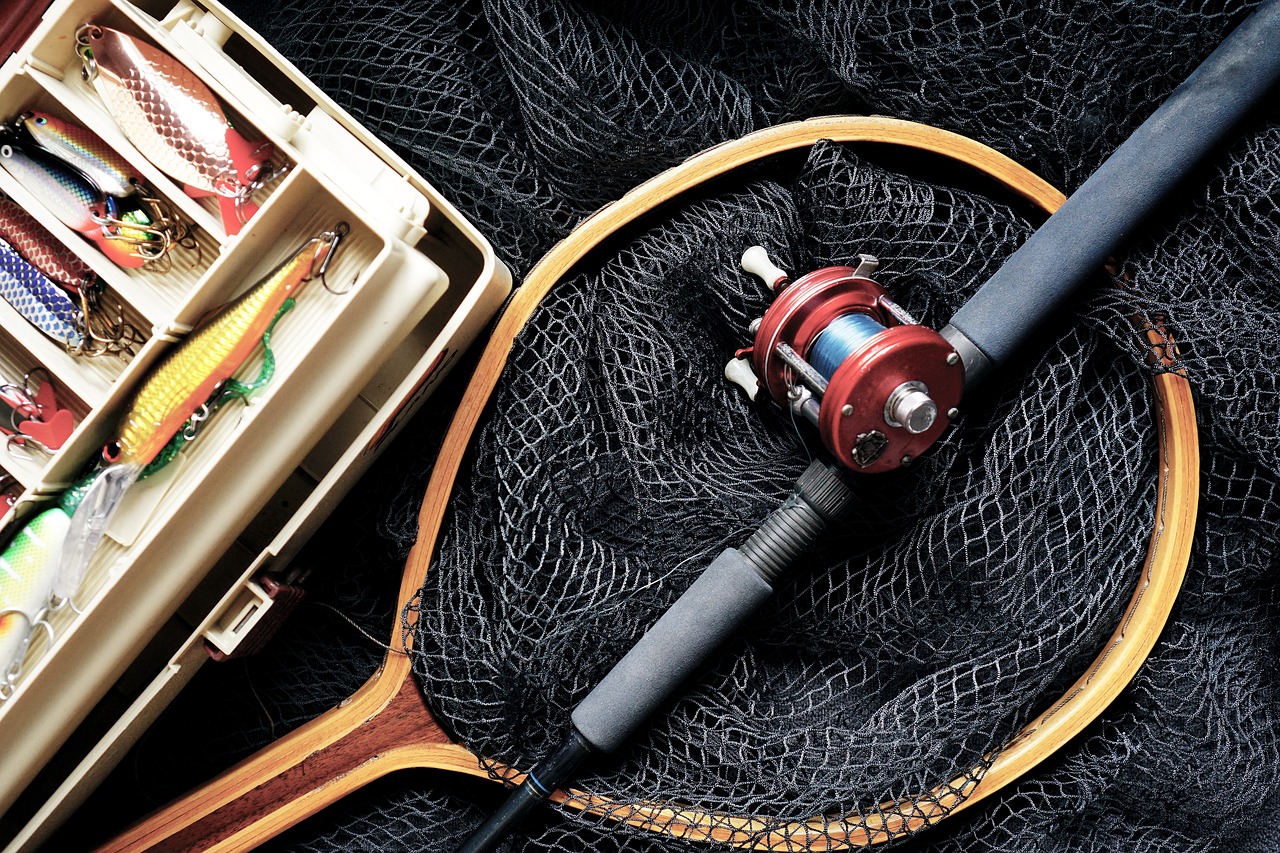
For example, one of the best flies to use in the spring when carp are spawning is a small orange or pink egg pattern fly. Bread flies, which are made with tan or white yarn, can be successful in areas where carp are very pressured for food. Other effective carp flies include a weighted Czech nymph that includes a hare’s ear body, a flashback shellback, and a small spot of orange dubbing near the head of the fly.
The flash of light from this type of pattern will mimic the way that crayfish reflect light when viewed in water, and the added weight of the fly will allow it to quickly drop to the bottom of the pond or lake where carp live. Anglers who master the techniques required to spot carp and select proper flies must also master the skill of presenting the flies in a way that does not scare the carp. For example, the weighted pattern fly cannot be simply thrown into the water six feet in front of a cruising carp.
4. Using the Side Arm Cast
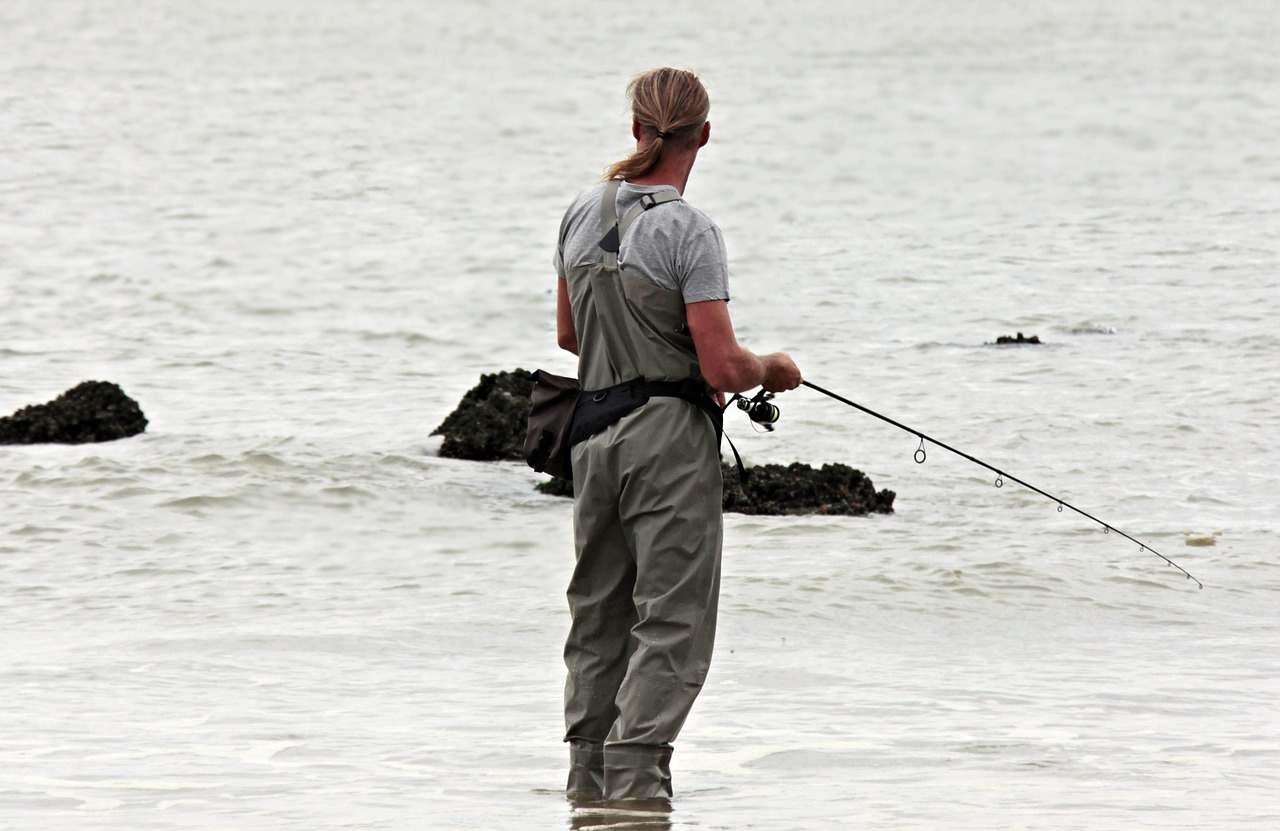
The fly must land like a leaf falling onto the water surface before it naturally drifts into the feeding carp. The only way to accomplish such a presentation is to master the side-arm cast. This type of cast can be learned by practicing the skill on a person’s lawn.
When a person learns to successfully drop a fly two feet in front of a carp that is eating, they understand why carp anglers care for the side-arm cast technique. Beyond the skill of presenting the fly in a way that will not scare the carp, an angler can increase their chances of success by reading the composition of the bottoms of the water areas where carp live. Carp prefer the soft mud bottoms since they feed upon bloodworms and shrimp that live in these muddy bottoms.
5. Reading Water Composition
Carp avoid areas with silt bottoms since the fine silt in these areas can cloud the water and ruin the gills of the carp. Anglers can spot areas where the bottom changes from sand to mud. Additionally, if an angler spots small puffs of silt rising from the pond or lake as if making smoke signals, the angler has located one or more carp.
If an angler drops a fly just up-current of these silt puffs, the carp will eat the fly before the silt can settle. Now that an angler is skillful with the proper techniques for presenting the flies into the water and spotting carp, they must have the correct type of rod to fight the carp once they are caught. Most freshwater fly rod carp anglers use rods that range in weights from six to eight weights.
6. Choosing the Right Rod Weight
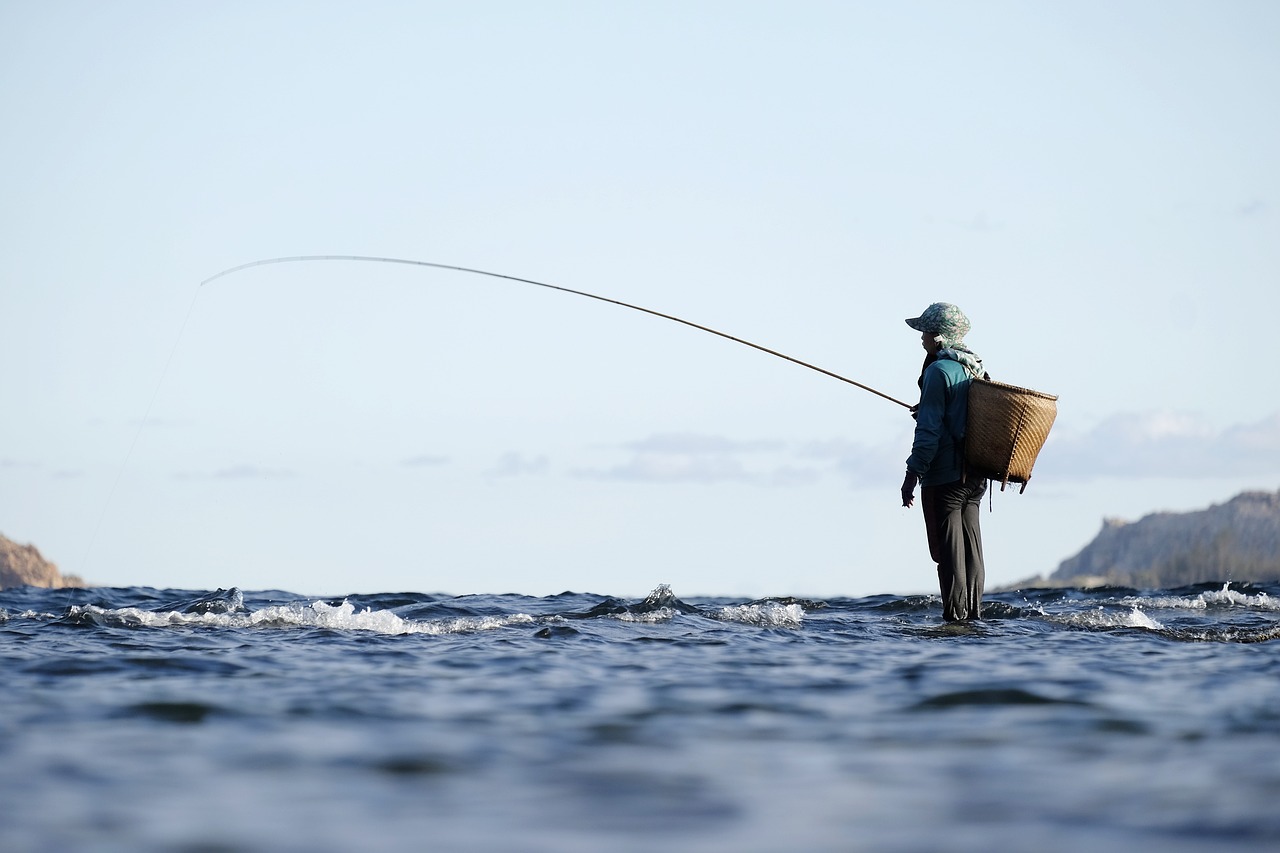
These weights are different than fast action rods that may tire the angler after a few minutes of fighting with a carp, or that may pull the carp’s hooks as the carp fights to get away from the angler. A slower acting rod will better absorb the head shakes of a carp when it is fighting the angler with their rod, as well as the long runs that a carp may make while fighting for survival. When fighting a carp, the angler must keep their rod tip high, apply side pressure to the carp as it swims in a circle to allow it to turn over, and never pull the carp with brute force with their rod.
A carp that feels it is being killed will begin to panic and wrap the angler’s leader around the nearest object in the water. It is best for an angler to simply let the carp run once it wants to escape from the angler, to reel the carp in when it takes a break from fleeing, and for the angler to remain calm throughout the fight between angler and carp. Most fights between carp and anglers last between ten and twenty minutes though some may last longer.
Such a length of fight between the carp and the angler is part of the sport of carp fishing. Now that an angler has mastered the use of a fly rod of the appropriate weights, they must also learn the best times of day to fish for carp. Early mornings and late evenings tend to provide the best light for spotting carp and the calmest water for sight fishing.
7. Best Times of Day to Fish
Carp will also eat more when there are fewer people in the area. During the height of the day when the sun is the brightest, carp will tend to nose down into the deeper parts of the pond or lake or they may be tucking themselves beneath the overhanging branches of trees. If an angler finds themselves needing to fish during the height of the day, they should focus upon the shaded areas of the pond or lake and the deeper channels in the water where the carp feel safe in their environment.
Windy days can assist in the catching of carp since the wind will help to hide an angler from the carp, though it can also make casting the flies more difficult. Finally, once the angler lands the carp, they must treat the carp with respect. Carp may be strong and tough fish, but they are not invincible.
8. Proper Landing and Release
The carp should be kept in the water as often as possible after being landed. In order to land the carp, an angler should use a rubberized net so as to not scrape the protective slime that covers the carp. Additionally, when lifting the carp out of the water, the angler should support the carp’s belly so as to not cause any discomfort to the fish.
If an angler follows these methods for landing and releasing the carp, it is possible that the same carp will become accustomed to the angler and will eat the angler’s flies again during the next fishing season. Carp can live for several decades and grow to impressive sizes. Therefore, anglers should treat their carp well so that the fishing spot continues to be abundant with carp for years to come.
When a person first begins to fish for carp with a fly rod, the first time the carp takes the fly and the angler’s reel begins to make noise, they will wonder why it took the angler so long to begin fishing for carp with a fly rod. Carp are a lot smarter than their reputation of being a bottom feeding trash fish suggests. While the sport may pose challenges for even the most skilled angler, the high level of satisfaction that an angler feels after successfully catching a carp will motivate them to begin to fish for carp again.
Therefore, a person should go and get a rod, find some clear water to fish in, and begin to search for the dark shapes of carp along the bottom of the water area that they have selected. The carp are waiting for them.