

Throwing a cast net should feel natural to the anglers. The cast net should feel like an extension of the angler’s arm such that the cast net naturally flare as the angler casts the net into the water. Unfortunately, most anglers experience frustration with there cast nets.
They often experience tangles with their lead line. They often experience the cast net collapse half-way down into the water. They often experience hauling up an empty cast net after each fishing trip.
These frustrations are not caused by bad luck. A handful of common problems with cast nets causes these frustrations. By recognizing these problems, anglers can fix most of these problem.
Common Problems Anglers Face With Cast Nets
1. Stiffness of the Mesh
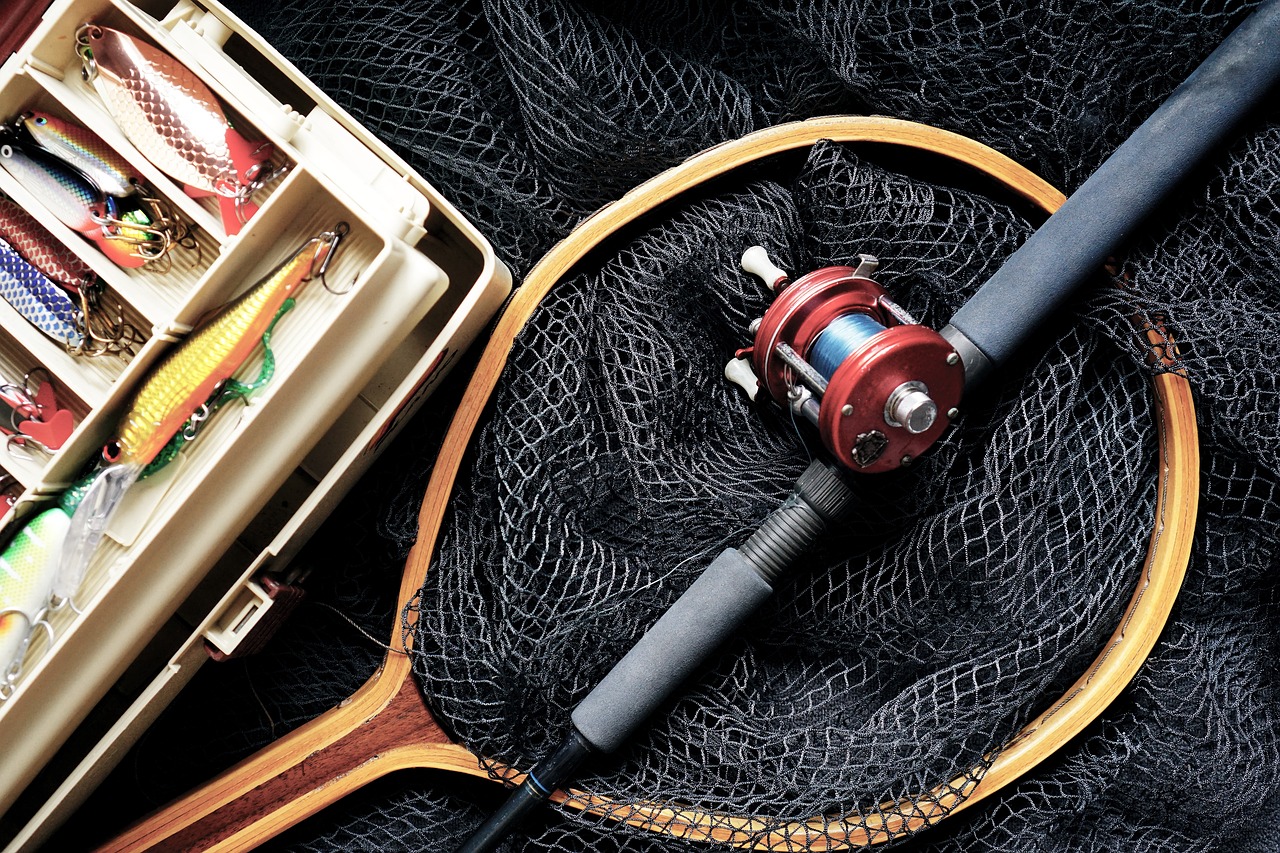
The first problem that most anglers encounter with their cast nets is the stiffness of the mesh. A coating that the manufacturer applies to the cast net causes the stiffness of the mesh. This coating is meant to protect the mesh from the elements while the cast net is in transport to the fishing spot.
However, if the angler leave this coating on the net, the mesh will refuse to open when the angler casts the net. To fix this problem, the angler can rinse the cast net in freshwater for several hour, or the angler can soak the cast net overnight in a solution of mild fabric softener. Some fishermen even use the washing machine to soak the cast net.
These solutions will resolve the problem immediately. The angler will rotate the cast net faster when they casts the net, and the cast net will open wider because the mesh no longer fight against the other mesh bars of the cast net. By ignoring this problem, the angler may feel frustrated with the performance of the cast net.
2. Lead Line Tangles
Even if the cast net perfectly broke in, it will still tangle if the angler does not take proper care of the lead line. The lead line will tangle during transport of the cast net to the fishing spot. Therefore, when the angler casts the net, the lead line will fold upon itself and create an enormous amount of friction for the cast net.
This will cause the angler to haul up a bundle of nylon and weights rather than a cast net full of bait. To avoid this problem, after the angler finishes throwing the cast net, the angler should shake the cast net out. The angler should loosely coil the lead line in one hand and drape the cast net over the angler’s arm.
The cast net should be stored in a mesh bag to allow for proper air circulation. By taking these actions, the angler will save hour of trying to untangle the lead line from the cast net.
3. Insufficient Net Weight

Another problem with cast nets is if the cast net is too light for the depth and conditions of the water. This problem is not common in areas of shallow water. However, the mesh of the cast net will drift when the angler enters deeper water or areas that may have a current moving through the area. The baitfish will feel the presence of the cast net and scatter before the cast net lands on the fishing spot.
To avoid this problem, the angler should ensure that the cast net is properly weighted according to the depth and conditions of the fishing spot. A cast net that weighs three eighths of a pound per foot is sufficient for fish in water up to one foot deep. However, the same cast net will be useless in four feet of tidal flow.
Anglers who go fishing in various locations can purchase two cast nets. Alternatively, the angler can change the weights attached to the cast net. While using heavy lead weights will cause fatigue in the angler’s arms and hands, the difference in the number of fish that get caught will balance the added cost of fishing for longer periods of time.
4. Incorrect Hand Positioning
Using a cast net that is too light for the depth of the water is like throwing a Frisbee in the water; the fish have learned to avoid it. Incorrect hand positioning when using a cast net will ruin the angler’s effort more than any other problem with cast nets. Many anglers position the cast net in such a way that it will make it difficult for the cast net to open.
Therefore, when the angler casts the net into the water, the cast net will drop like a sheet of paper on the water and collapse when it touches the water. To avoid this problem, the throwing hand should hold a small bunch of the cast net. The throwing hand must hold the horn of the cast net with the thumb and forefinger of the throwing hand.
The other hand should gather the lead line into even loops such that the weights do not come together while in motion. When the angler casts the net into the water by rotating the body forward, the built-in spin of the cast net will open it like a parachute. This technique will seem difficult to master at first, but with proper instruction from an experienced angler, the angler will acquire this skill in about ten minutes of focused practice.
5. Wrong Mesh Size
Using the wrong size of cast net for the type of bait the angler wants to catch is another problem that will result in wasted effort. For instance, using a small mesh cast net to catch large shrimp will result in the mesh quickly getting filled with tiny fish and grass that clog the cast net. Using a wide mesh cast net will result in half of the shrimp escaping the cast net while being pulled up out of the water.
Using the correct mesh for the type of bait being targeted by the angler is important. A quarter-inch bar mesh is best for most shrimp and minnows in the Gulf Coast area. For larger fish, a three-eighths inch or half-inch mesh is best.
While it is possible for an angler to purchase only one cast net, it will not be able to efficiently catch the type of bait required for a variety of fishing spots. By purchasing two cast nets of different mesh sizes, the angler will stop being frustrated with the results of the fishing trip and will begin to load the live well with the fish caught.
6. Weak Spots and Holes

Every cast net experiences weak spots over time due to the repeated friction between the lead line and the horn of the cast net. Additionally, there are also weak spots due to a lead weight becoming detached from the cast net over time. These weak spots will begin to spread. Every time the angler casts the net, the weak lead will create drag on the cast net.
This drag will tear the mesh beside the weak lead. Now, the angler is dealing with a net with a permanent hole through which the bait will escape. To avoid this problem, regularly running the angler’s hands along the lead line after fishing will allow the angler to find any weak spots.
Any lead weights that are missing can be replaced. The angler can reinforce the weak spots on the cast net where the lead lines attach by tying heavy-duty thread or zip ties. After acquiring a cast net that lasts three seasons rather than just one, the angler will have paid for itself in the number of fish that will be caught.
7. Poor Throwing Technique in Wind
Prevention of these problems is less frustrating than having to perform emergency repairs on the dock at sunrise each morning. Poor throwing technique in the presence of the wind will expose the angler’s problems immediately. Many anglers attempt to throw the cast net with the muscles of their arms despite the presence of the stiff breeze in the air.
This effort to throw the net harder will result in the cast net twisting and collapsing before it lands on the water. In the face of the wind, the angler’s poor throwing technique and gear will be exposed. To fix the problem of throwing the cast net with poor technique in the face of the wind, the angler should change their stance.
They should aim to position their body such that the wind is either at their back or at a quarter. Additionally, they should shorten the length of the cast net that they hold in their hand. They should focus on a flat release of the net into the water.
This throwing technique will allow the cast net to travel against the wind more better than the angler’s current practice of throwing the net. When the angler accepts the presence of the wind as a part of the fishing game, their success rate will increase on blustery days.
8. Lack of Dry Land Practice

Finally, many people rush into throwing the cast net into the water without first practicing the technique on dry land. Muscle memory is an important part of learning to properly throw a cast net. Many people do not admit how important this skill is. If the angler spends twenty minutes on dry land practicing the proper throwing technique, they will be able to properly master the skill.
This practice on dry land allows the angler to focus on the rotational movement of the body when throwing the net. Additionally, dry land practice allows the angler to focus on their footwork when learning to properly throw a cast net into the water. Finally, dry land practice allows the angler to focus on their hand position while throwing the net into the water.
Additionally, if the angler is fortunate enough to have a camera phone, they should record themselves while practicing the proper throwing technique. Reviewing the film of their practice will allow the angler to recognize where the cast net begins to collapse. By fixing the problem on the grass when practicing on dry land, the angler will see an improvement in their skills when they enter the water.
New cast net anglers commonly skip this part of the process. This skipped part of the process is why their problems with their cast net show up trip after trip. Mastering the use of the cast net is not about purchasing the best brand of cast net.
Instead, the mastery of using a cast net comes from removing the small barriers between the angler and the water. By rinsing the coating from the cast net, by finding the proper mesh size for the type of bait they will encounter, by ensuring that the lead line is even along the cast net, and by mastering the throwing technique of the cast net, everything will change in the angler’s fishing trip. The cast net will sail into the water, the cast net will open up in the water, and the cast net will sink in a perfectly designed circle into the water.
The water will look vastly different once the angler masters the use of the cast net. Instead of struggling with their cast net, they will be able to feed their live well at will. They will be thinking about the fish that are waiting for them in the ocean.
This satisfaction when successfully fishing with a cast net is worth the frustrations that each angler experienced while learning to properly use the cast net.