

Fishing with an chatterbait requires some attention to be paid to the mechanics of the bait. Even if the chatterbait are moving through the water, it can fail to function correctly. There are several problem with chatterbaits that anglers can encounter.
These problems include blade seizure, rolling chatterbaits, trailer selection, depth control, hook orientation, color selection, and overworking the chatterbait. Blade seizure is the most common problem with chatterbaits. The metal blade on the chatterbait can seize up and prevent the chatterbait from vibrate.
Common Problems Anglers Face With Chatterbaits
1. Blade Seizure
This problem typically results from debris such as grass, fishing line, or silt getting into the gap between the eye of the blade and the rivet. Because the blade is seized up and not vibrating, the bass may lose interest in the chatterbait. To prevent blade seizure, anglors can flick the blade with their finger before each cast to ensure it isnt seized up.
They can also inspect the blade after the chatterbait has passed through the cover, as well as add a small drop of reel oil into the blades joint to ensure the blade move without resistance.
2. Rolling Chatterbaits
Chatterbaits can roll onto their side while they is fishing. This problem typically results from either attaching the fishing line to the wrong part of the chatterbait or from positioning the hook incorrectly on the chatterbait.
If you dont attach the fishing line to the line tie on the head of the chatterbait, the chatterbait will roll onto its side. To prevent this, use the line tie on the head. Additionally, you can add a barrel swivel to the fishing line to prevent it from twisting the chatterbait as it is being cast.
The hook eye can also be bent with pliers to ensure the point of the hook is higher in the water column.
3. Trailer Selection
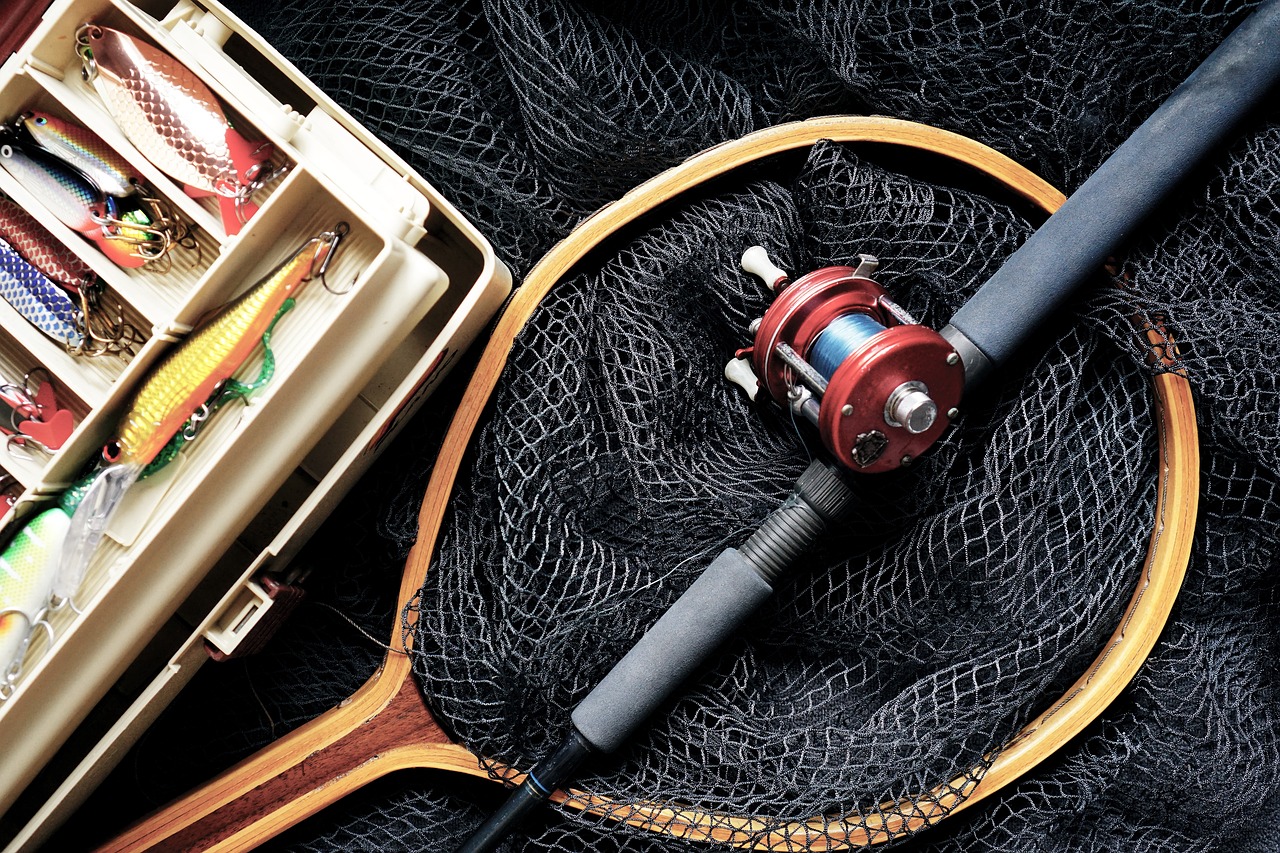
The trailer that is attached to the chatterbait can also cause several problems for anglors. If the trailer is too bulky, it will dampen the vibration of the chatterbaits blade.
Using a trailer that is too small or too soft may lead to the trailer tearing off the chatterbait if a fish strike it. The weight of the trailer impacts the sink rate of the chatterbait. To choose the proper trailer for a chatterbait, you must match the buoyancy and thickness of the trailer with the weight of the chatterbait head.
Heavy chatterbaits work best with fat twin tail trailers, while lighter chatterbaits require another type of trailer.
4. Depth Control
Depth is another problem that anglors must control when fishing with a chatterbait. Chatterbaits tend to rise quick in the water column when reeled in.
If you reel in the chatterbait too fast, the fish may be pulled out of strike zone. If the chatterbait is reeled in too slowly, the blade may stop vibrating. You can control the depth of the chatterbait by using a heavier chatterbait head or by using a countdown technique to let the chatterbait sink to the desired depth before reeling in.
5. Hook Orientation
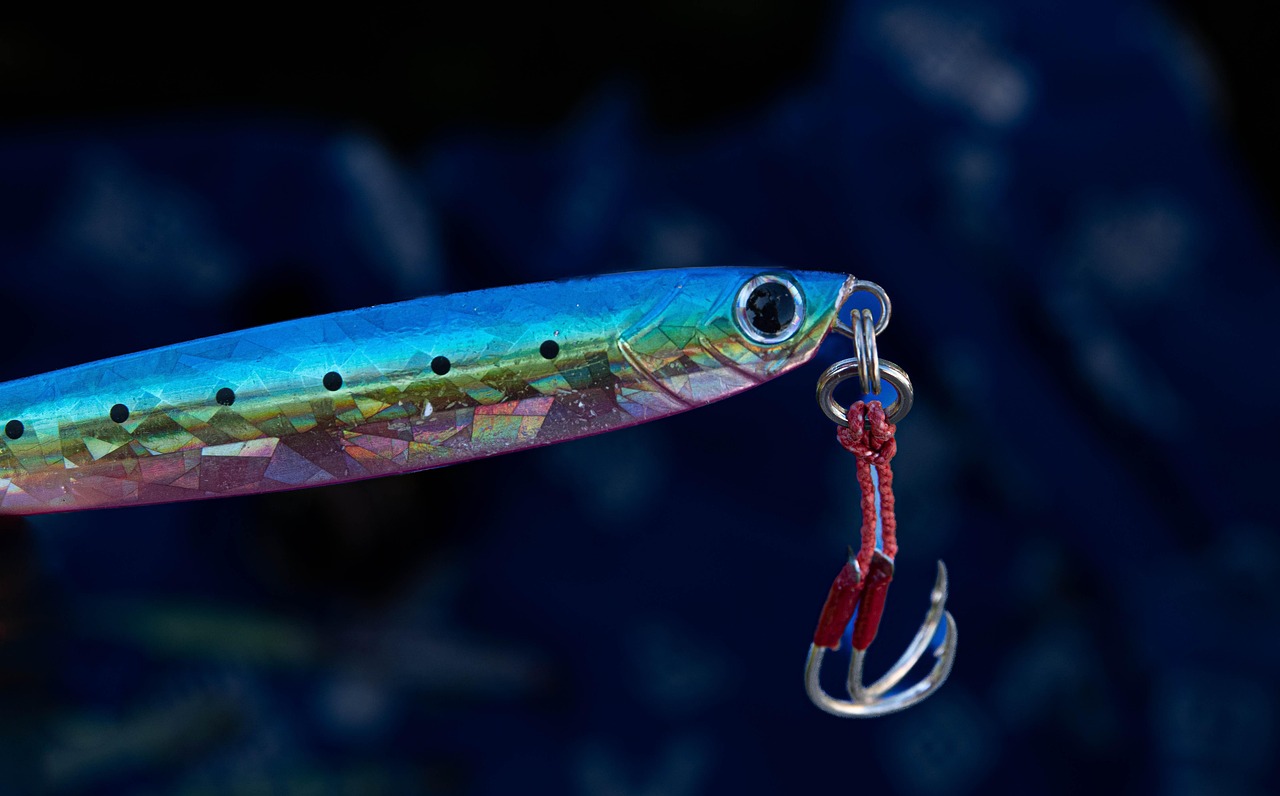
The orientation of the hook on the chatterbait can also pose a problem. When a chatterbait hits the bottom or another object, the hook tends to rotate so that the point of the hook is facing downward or inward. This can cause chatterbaits to miss strike on fish and instead hook onto vegetation.
The angle of the hook on a chatterbait should be inspected every time the line is retied or after each catch. The angler can move the hook with fingers or pliers to ensure the point of the hook is even with the body of the chatterbait.
6. Color Selection
The color of the chatterbait can be problematic if it is not selected correctly according to the water clarity.
For example, using dark colors in clear water will make it difficult for the fish to see the chatterbait. Additionally, bright colors on chatterbaits will not be visible in muddy water. In clear water, use natural colors and chatterbaits with silver blades.
In muddy water, use bright colors with gold blades to increase the reflection of the lights off the chatterbait skirts. Lastly, if the anglor is not getting any strike with the chatterbait after twenty minutes of fishing, the anglor should change the color of the chatterbait.
7. Overworking the Chatterbait
Finally, dont overwork the chatterbait. Overworking the chatterbait involves reeling the bait in too violent while fishing. Fish may ignore the chatterbait if you retrieve it too violently. Mix in various speeds of reeling and pauses in the retrieve.
Using a slower retrieve allows the chatterbait to fall on a semi-slack line, thus allowing the blade to stay vibrating as the chatterbait falls. By paying attention to and managing these various aspect of chatterbait mechanics, the chatterbait should function correctly and effective during the fishing session.