

Although landing net may seem like simple tool, there are situation when a person needs a landing net but the landing net fail. For example, a person may have fight a fish for ten minute before bringing it to the bank or to the boat. At this point, however, the person may find that the rim of the net buckle or the mesh of the net snagged on a hook.
Additionally, the handle of the net may have telescoped shut when the angler need to use it to land the fish. These type of situations occur often for angler who do not recognize the issue with landing nets or who do not treat them as precision tool that should be carefully consider before fishing trip. However, there are only a few problem with landing nets that cause these type of failure.
By recognizing these problem, however, the angler can fix or avoid these problem altogether to ensure that they do not lose there catch.
Common Problems With Your Landing Net
1. The Net Frame
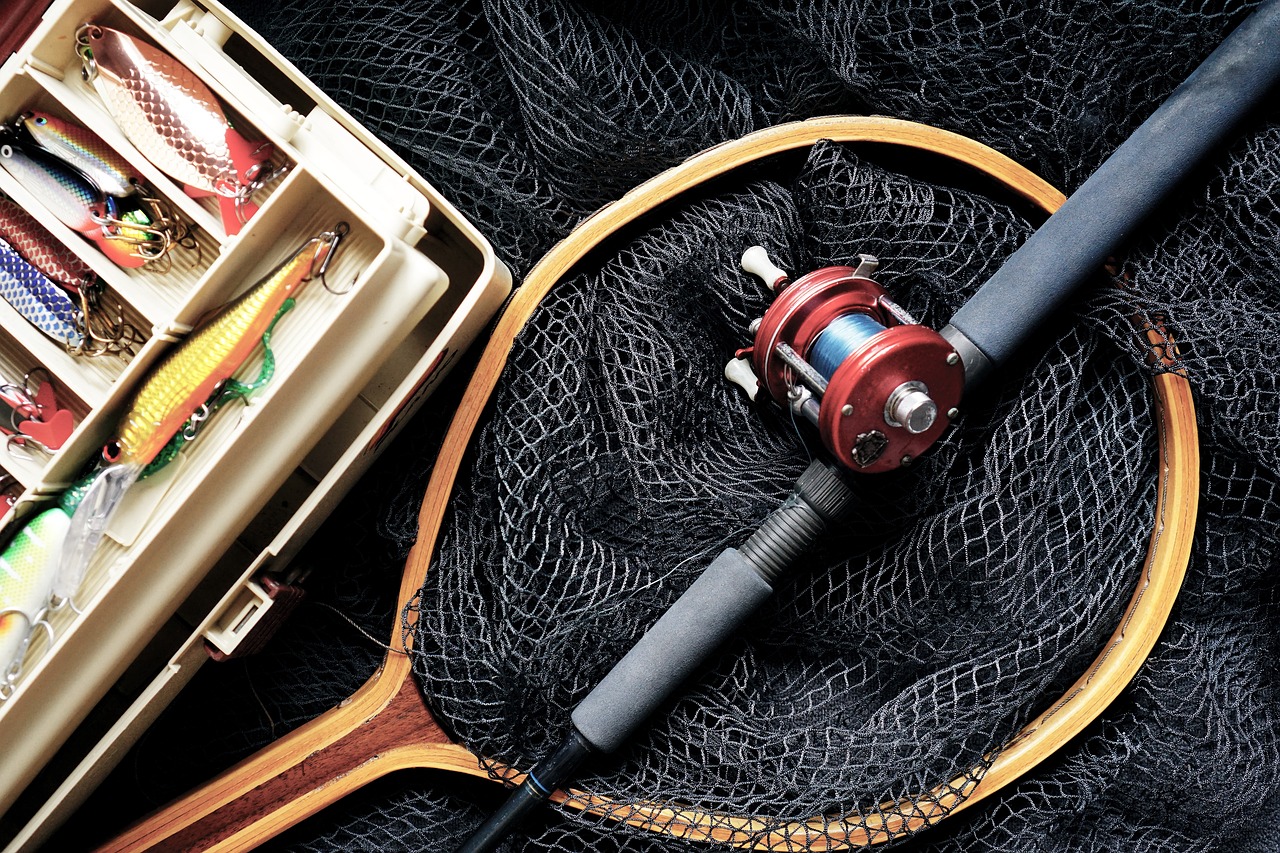
One problem with landing net is the frame of the net. Many landing net use thin composite or aluminum rim for there nets.
These type of rim are flexible when the net is dry. However, when the angler place the net into the water, these thin metal rim do not hold there shape and bend under the weight of the fish. Furthermore, if the angler attempt to lift the fish out of the water, the flexible frame of the net cause it to flex and fail.
As a result, the fish can fall out of the net, the hook can fall out of the fish, and the angler is left with an empty net. To avoid this problem, however, the angler should choose a landing net whose frame can hold at least twice the weight of the fish that they are likely to land. Before placing the net onto the water, the angler should press down on the frame of the net with both hand.
If the frame is rigid, the net will be less likely to fail when being use to land a fish.
2. Mesh Depth
The second problem with landing net is the depth of the mesh of the net. The depth of the mesh can be too shallow or too deep for the waters in which the angler fish.
If the depth of the mesh is too shallow, the fish may fall out of the net if the rim of the net tilt. If the depth of the mesh is too deep, however, the net may drag on the fish when attempting to reach them. This drag can spook the fish and cause them to escape from the net.
For most freshwater fishing trip, however, the ideal depth for the mesh bag should be between 18 and 24 inch beneath the rim of the net. Depths of 24 inch or more are best reserve for boat net that are used to land pike or salmon fish. Before heading out onto the water, the angler should test the depth of the net in a tub or swimming pool to ensure that it will be effective when fishing.
3. Handle Length and Locking Mechanisms
Another problem with fishing net is with the length of the handle and the locking mechanism of the net. Many angler do not admit that the length of the handle and the locking mechanism of the net may be causing their loss of fish to land net. Telescoping pole are convenient for angler that must transport the net in their truck.
However, the cheap telescoping pole that many net manufacturer produce tend to become loose with use. If the angler pull the net open to land a fish, the handle may collapse on the angler. This limit the reach of the net, and the angler is unable to land the fish.
More expensive net with handle made of carbon fiber or reinforced aluminum with pin or cam lock are worth the purchase price of the net. Furthermore, if the angler already own a telescoping landing net, they can wrap electrical tape around the joint of the handle. The added friction from the tape will prevent the net from collapse when in use.
Although not the most elegant solution, this solution has actualy help some angler to retain there catch when they are located thirty foot from the bank where the fish live.
4. Mesh Material
One problem with the material of the net is that traditional landing net have mesh made of knotted nylon. The abrasive nature of the knotted nylon mesh may damage the slime coat of the fish.
Additionally, the hook on the fish may sink into the knot of the nylon mesh, making them difficult to remove without scissors. Rubber mesh or silicone mesh landing net avoid these problem. With rubber mesh net, the fish can slide back into the water with their protective slime coat intact.
Additionally, the hook will easily release from the rubber mesh with a simple twist of the net. The downside of rubber mesh is that the mesh is heavier when wet, and if not properly dry before fishing trip, the rubber mesh may become solid ice during the winter. One solution for those angler that fish in all season is the purchase of a hybrid net.
These net have a layer of rubber mesh on the bottom third of the net, with the remainder of the net made of light, knotless nylon that does not damage the slime coat of the fish but allow for easy removal of the hook.
5. Net Balance

Many landing net have poor balance. Such poor balance is often realized when the angler hold the net in one hand and the fishing rod in the other.
The net may feel as if it may flip face down if the angler release their grip on the handle. If the net is too top heavy, the angler will find themselves struggle with the net instead of the fish. The cause of this poor balance is usually due to the handle of the net being too light for the remainder of the net.
Adding a small counterweight to the net or purchasing a net whose handle increase in diameter will improve the angler’s control over the net. Better balance with the net will allow the angler to hold the net beneath the fish while the fish swim over the net into the landing net. This is less stressful for the fish, and it is more effective in landing the fish with the net.
6. Attachment and Storage Solutions
Another problem with many landing net is the attachment point or storage solution for the net. The clip that are applied to many landing net are too weak or placed in location that allow the net to swing from the angler when walking to the fishing spot. If the net swing from side to side, the net may snag on branch or rock.
Additionally, the net may become loose from its handle or the rim of the net may become bent from this swinging motion. Instead, the angler can look for net that include a hard plastic sleeve or a reinforced D-ring. Additionally, some net include magnetic release system that allow the angler to use one hand to hold the net and the other to hold the fishing rod.
Although this may seem like overkill for many angler, it is helpful when the angler has caught their personal best fish and need to move the net into position to land the fish.
7. Net Size Selection

Finally, one of the last problem with landing net is what is referred to as size denial. Angler of all discipline may purchase landing net with a size that is appropriate for the large fish that they catch on rare occasion instead of purchasing net that are appropriate for the average weight and size of the fish that they do catch.
For example, a trout fisher may purchase a thirty-inch net because their dream include catching a five-pound brown trout. This large net, however, will get in the way when fishing for small trout. The angler should instead purchase a net appropriate for the average size of fish that they catch, and have a larger net in the truck for special occasion.
This smaller net will be used more often by the angler, and it can be used correct each time. By getting these detail correct about the landing net, the angler will find that the fish can be landed without harming them. Furthermore, the angler will find that the net does not fail due to any of the described problem.
With the detail correct, the net can be left beneath the water, the fish will glide into the net, the hook can easily be removed from the fish, and the fish can swim away from the angler without being harmed. In this situation, the angler will no longer be think about there equipment while fishing, but instead will be thinking about the fishing itself. The angler desire to have there mind on the fishing while they encounter a good fish to land.