
For saltwater fishermen, there’s nothing more maddening than seeing a bait dissapear into the deep and then feeling it get sucked down again before pulling it up. Nine times out of ten, it’s not a matter of being unlucky. You’re reeling up a slimy lump of kelp or nothing at all.
The problem is rarely bad luck; it’s almost always the hook. Because octopus have strong appendages and tough skin, they’ll tear through cheap hooks in short order. Knowing how traditional tackle will fail allows you to turn an annoying defeat into a possible method adjustment.
Five Common Octopus Hook Problems To Fix
1. Hook Shape and Point Alignment
There are a lot of shark- and tuna-style hooks out there, meant for predators. They won’t cut it for octopuses; they’re built to pierce through hard bone or at least very muscular flesh, but an octopus doesn’t have a body like that. It’s more a combination of elastic and gelatinous, so it just kind of slides right off whatever pointy thing you stick in its face.
They don’t take hold; you has to design something that works with their weird physiology. Changing how you set up what you’ve got make all the difference. The biggest problem comes from using hooks that have the same sort of curve as those inward-pointing trolling-style circle hooks many people employ.
That kind of hook is intended to snag fish on the side of their mouth as they swim off. An octopus isn’t swimming off your bait. It’s wrapping around it, pulling backward (or sometimes sidewise) on its own weight.
The rounded point just skates along the fleshy surface without grabbing hold. You feel the bite and set the hook. Then the metal flexes the flesh right out until the hook pops loose.
It is an alignment failure, not a muscle failure. To puncture through the muscle of the tentacles immediately rather than glancing off, you want hooks that have a straight point or at least ever-so-slightly curve out. When the octopus latches onto something, it pulls the hook against one of its arms or even the mantle.
Then when the hook hits the tissue, a straight-pointed hook work like a needle piercing the muscle. Octopus are sedentary predators who pull their food back towards themselves. That’s reversed from what happens with a circle hook where the fish must pull away from the angler in order to set.
In other words, the action is all wrong for octopus to begin with, much less with a circle hook.
2. Hook Material Strength
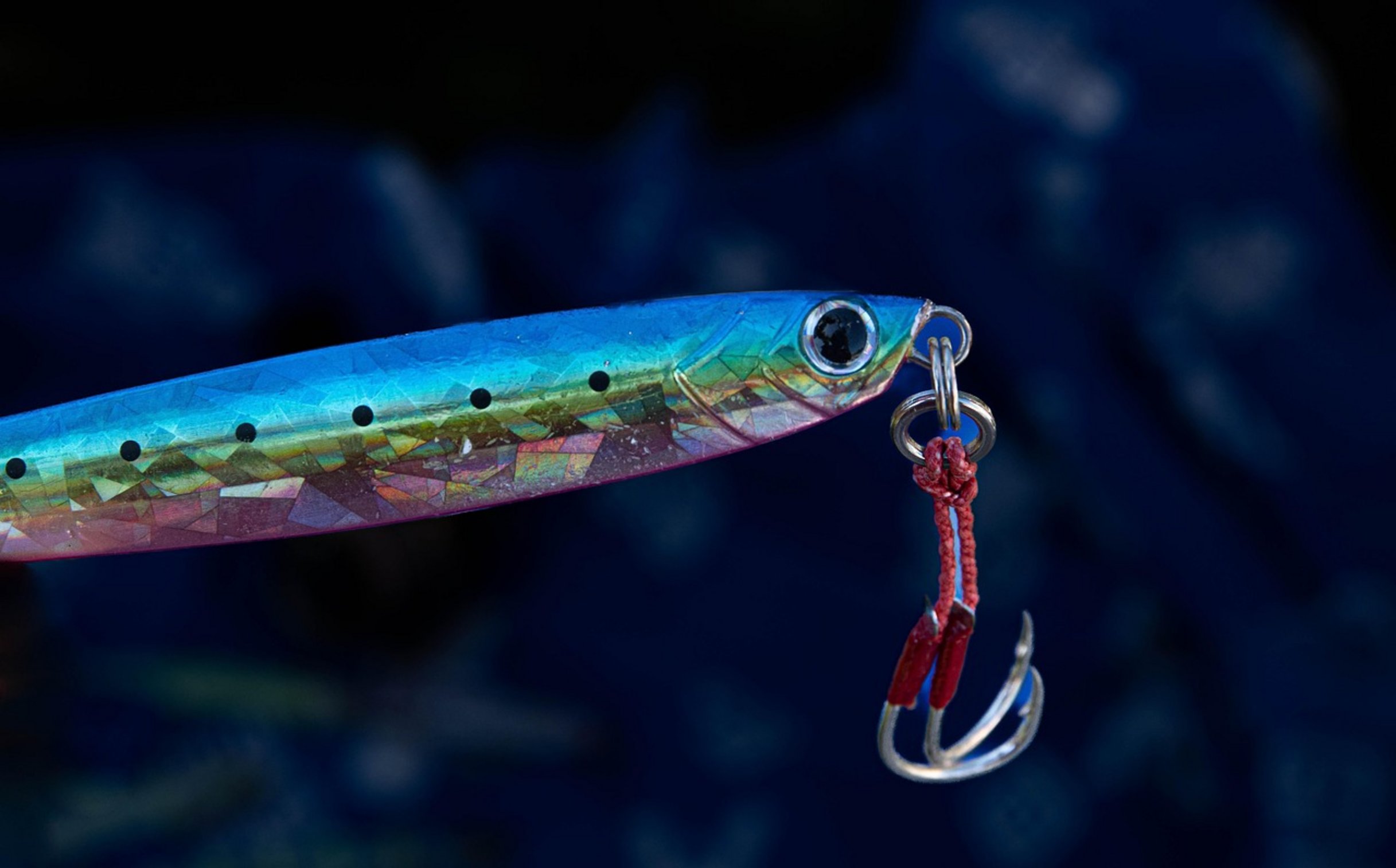
The other common issue arises from the nature of the material used for the wire. An octopus has slimy skin covered with tiny bumps that feel like sandpaper.
That means that normal carbon steel hooks will become soft under pressure and corrode rapidy in salt water. An octopus wraps its arms around the hook to make sure it gets its meal and this can cause the hook to bend. Once bent, the point will retract back up the shank or lose its angle and a bent hook never penetrate well, even if it’s formed correctly.
You need a wire to remain stiff but be flexible enough to absorb the shock when it hits something. It must be able to absorb the shock of hitting the bottom without snapping. In this situation, the diameter of the hook is secondary to how thick the wire is.
The strength of the wire are determined by looking at the label on the packaging. Look for high-carbon steel or stainless steel alloys marketed as heavy-duty or offshore grade. You’ll want to look for thicker hooks in order to resist the crush from an Octopus sucker.
Sensitivity goes down with a beefier hook (a heavier hook is harder to feel on your line), but then again, it’s not a huge deal if you can trust your hook. If you bend out a hook on the first suckle, you’re done before you even got going. Having something strong enough to keep the point positioned correctly when it encounters flesh is what really counts here.
3. Hook Size Selection
Anglers who think big is always best get tripped up here with hook size. While some species of octopus will accept very large hooks designed for use on monster stone fish and crab, most octopus species find these large hooks unwieldy. An octopus can easily see a big hook against its eyeballs and reject it.
If the hook is too large compared to the width of the tentacles, it might not go deep enough into the arm to get a grip and may only catch the outer edge. Then when the creature twists its body back and forth the hook pops right out. You want something big enough to support the creatures’ weight but small enough to pierce all the way through.
When it comes to octopuses, match your hook size to the size available in the area. They have specific octopus hooks now made specifically for them that come with a shorter shank. For smaller octopi found on reefs, a medium sized J-hook or a short shanked octopus hook is the way to go.
You want the whole point to penetrate into the body so that all the barbs can catch hold and not pull through under a lot of drag. If the hook is too large, it will just sit on top of the muscles. Too small and it may well pull back out under load.
Try the waters you find yourself in and begin with an octopus hook size four or two. See what you’re catching compared to other folks near you. That’s how you’ll find the happy medium.
4. Bait Placement Strategy
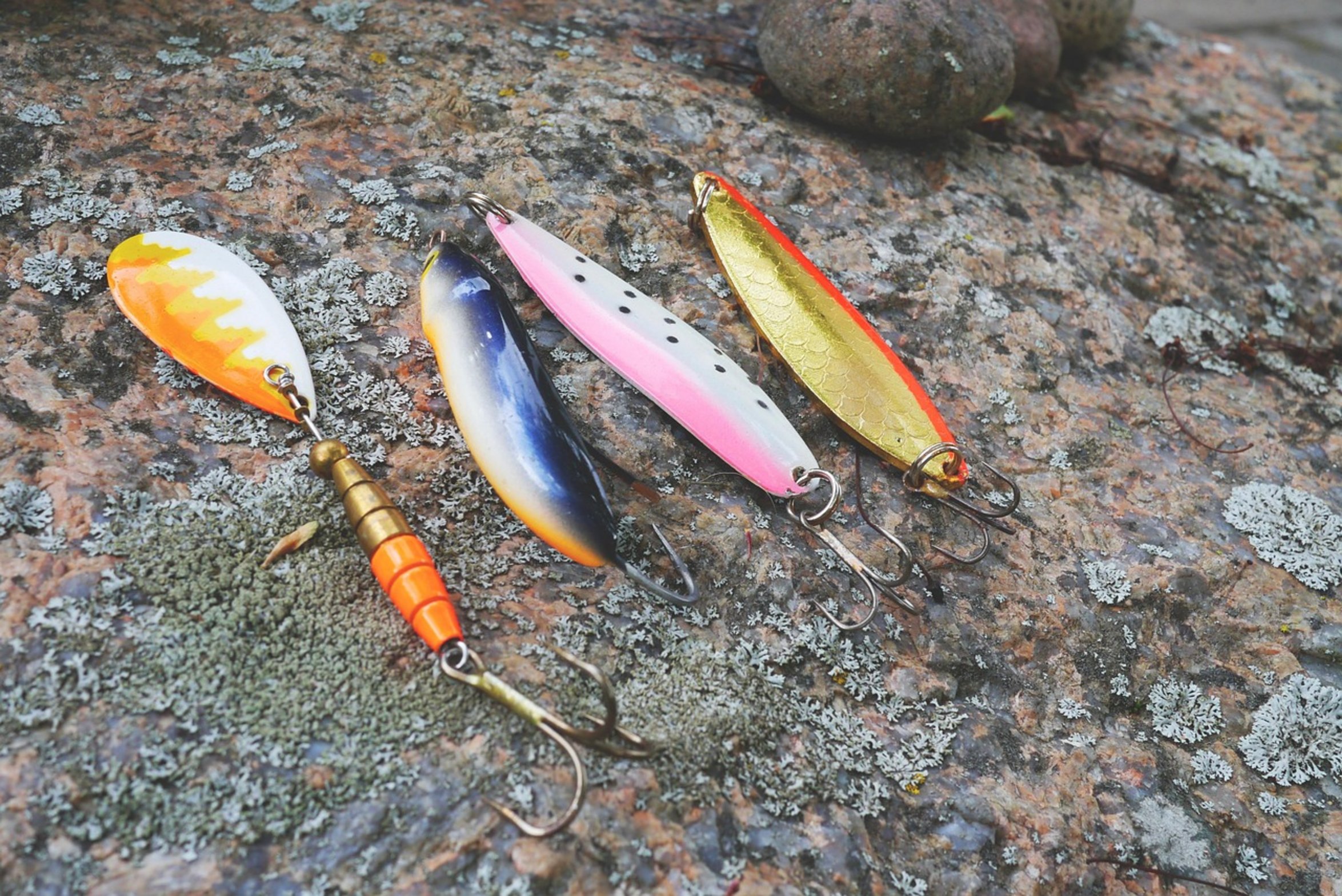
The biggest overlooked reason for better hook retention might be where you place your bait. Many people will totally encase a big hunk of mussel meat or squid around the hook to conceal it from wary predators. That doesn’t work on octopuses.
They need to be able to see the bait and can easily reach out with their arms to feel and grab an object, bringing it into their beak. When you put a big wad of meat over the hook, all the octopus does is get his arm around the soft part. He pulls it back away from that hard metal hook.
There’s no way the hook ever touches that tentacle, so the bait just comes right off cleanly. Make sure your hook is in the same place as the octopus would grab something to eat. Use a little bit of bare hook showing or a clear bait, like strips of squid that stay on the hook’s shank.
If you remove some meat off the hook’s tip, the octopus can feel the metal. As it wraps its arm around the bait, it will feel this hard thing. It’ll really dig its arms into whatever it’s eating and if there’s a hook buried in its tentacles, that hook will get pushed back into the tentacle muscle when it does that.
So it’ll have its arm wrapped around the hook, with only the hard object pressing against the tentacle muscle when the hook needs to penetrate.
5. Rigging and Leader Setup
The beauty of all this is that none of it matters without a final rigging technique. Most folks either tie their hooks straight onto their mainline or simply add some kind of swivel.
This gives the hook too much leeway to rotate and tumble downward, presenting an odd angle to an octopus’ grasp. A true octopus rig will therefore incorporate something like a slider setup or at least fixed leader with little give. The hook’s orientation is predictable.
The point faces outwards away from the ball of bait where it can work. However, a wild rotation leaves the hook pointing in towards the shank and prevents it from penetrating. Tie this knot firmly and test it for slippage between each cast.
Use something stiff like fluorocarbon for the leader close to the hook to keep everything together. When that octopus grabs, you need to set the hook immediately with zero lag time; therefore, the rig must feel solid in your hand. Not floppy and loose.
Because they are soft bodied prey, presenting precisely matters more than power every time. Remove anything that causes rotation or slack so that you set the hook the very moment you feel contact. Back to the original problem of no bites on an empty line, but now you can recognize what was there.
The shape dictates the force of the hookset, and the material retains the edge. It’s sized for the target, the bait shows off the point, and the rig keeps it all at the right angle. Solving these common hook issues takes it from a guessing game to a more methodical approach.
Next time you drop your line, spend less time worrying about the depth and more time considering your gear. A well-set hook makes all the difference between coming back empty-handed or hauling in a trophy that doesn’t get away.