
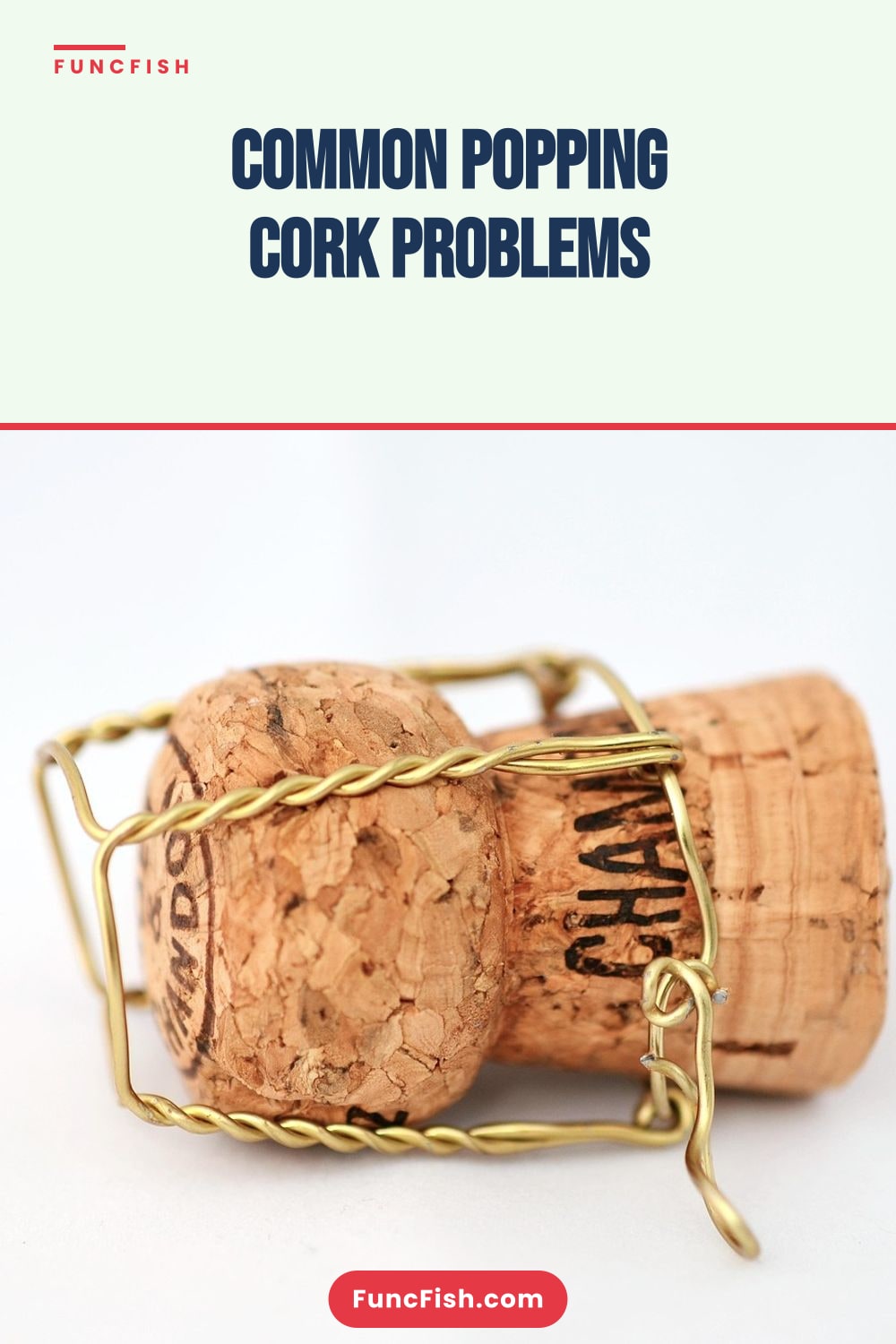
Popping corks have ruined more good fishing days than almost any other piece of terminal tackle. Popping corks cause many problems for an angler. You might have rigged up the popping cork with the highest hopes in the world.
You might have cast the popping cork out onto the water. However, instead of creating a popping cork pop that causes the speckled trout and redfish to dance out of there holes, you might have experienced silence with your efforts. Or you might have encountered a popping cork that has gotten tangled in some submerged object.
Or the popping cork might have refused to do anything at all when you snapped your rod tip against it as it should of. These little devices that look so good on the shelf demand respect from an angler once they hit the water. The properly tuned popping cork causes the fish to come rushing in from the deep.
However, if you get the popping cork wrong, then you are essentially throwing a chunk of plastic into the water. The good news is that most popping cork problems has a simple explanation and solution. Understanding the common pitfalls of using a popping cork will save you money on purchasing new popping corks, save you time by avoiding issues that cause poor fishing performances, and save you fish that you will otherwise miss when you use a flawed popping cork setup.
The situations that commonly arise when using a popping cork are numerous but have clear causes and solutions.
Common Popping Cork Problems And Solutions
1. Improper Line Attachment
If your popping cork will not pop no matter what you do with your rod tip, the problem is most likely with the way that the line is attached to the popping cork. Many anglers tie the fishing line directly through the center hole of the popping cork.
Or they tie the line through the center hole of the popping cork but do not use the proper knot to secure the line. In both instances, the popping cork will sit flat on the water’s surface instead of allowing the popping cork to cup water against the line. The solution is to tie a loop knot into the popping cork that allows for it to rock back against the line.
Allow two inches of leader between the fishing line and the attachment eye of the popping cork. This gives the popping cork the freedom of movement that will allow it to send a bubble trail and sound wave down into the water column upon a snap of the rod tip. This seemingly small detail will save you time and frustration and give you more strikes at the fish.
2. Waterlogged Corks
A popping cork that is frequently used begins to absorb water from the environment. This can happen after prolonged periods of using the popping cork with no break in between uses. If the popping cork is made of Styrofoam like many popular brands, the prolonged exposure to the water will begin to crack open the popping cork and allow water to enter.
The added weight of the water will negatively impact the popping cork’s ability to remain on the water’s surface and pop effective. You will notice that the popping cork begins to sit lower in the water and refuses to remain upright after popping. The solution to a waterlogged popping cork is to either use a sealed plastic popping cork or treat the popping cork with a waterproofing spray.
However, once the popping cork begins to absorb water, it is best to simply retire that popping cork from your fishing kit. The cost of a new popping cork is very small in comparison to the fish that you will miss with a waterlogged popping cork. Line twist is another problem that affects the popping cork.
3. Line Twist
This issue arises with every use of the popping cork. Each time that you pop the popping cork with your rod tip, the popping cork rotates on the line. The same amount of force that twists the popping cork also twists the line above the popping cork.
With twenty or thirty casts of the popping cork with the same force, the fishing line will begin to twist as much as a phone cord and the popping cork will begin to twist wildly in the water. The solution to line twist is to place a small barrel swivel onto the fishing line between the main line of the fishing rod and the leader of the popping cork. This swivel will allow the line to remain in a straight position.
Additionally, the barrel swivel will allow for quick changes of the leader in the event that you need to switch from a shrimp imitation to a paddletail popping cork lure. The other problem with popping corks that many anglers encounter is the distance between the popping cork and the hook. If the distance is too short, the popping cork will spook the fish that are close to the popping cork.
4. Incorrect Hook Distance
If the distance is too long, the angler will lose the ability to control the depth at which the popping cork will fall or will lose the ability to feel the strike of a fish on the popping cork. Many beginning anglers will set the distance between the popping cork and the hook to the same distance that they saw on television when they learned of the use of the popping cork. In shallow waters that are covered in grass, a distance of eighteen to twenty-four inches between the popping cork and the hook is a good starting point.
In deeper waters, or where the fish are suspended from the bottom of the water column, allow the distance between the popping cork and the hook to extend to four feet. This distance can be changed each time that you go into the water to test the distance at which the bait remains within the strike zone while still making popping cork noises. The influence of the wind on the performance of the popping cork is often overlooked.
5. Wind Interference
If a strong wind establishes the popping cork, the popping cork will drift in the wind and not remain within the strike zone of the fish that are interested in the popping cork. The popping cork will surf on the surface of the water while the bait is dragged uselessly through the water. In these conditions, use a popping cork that has a heavier weight than usual.
Additionally, place a split shot lure a few inches above the hook to keep the bait from rising toward the surface of the water. This added weight to the bait will allow it to stay put when popping the popping cork and will help to create commotion in the water where the fish are. The other problem that might affect the popping cork is the type of bait that is attached to the line that is attached to the popping cork.
6. Wrong Bait Selection
Even with a popping cork that is popping effectively and the popping cork is creating commotion in the water, the fish might not be interested. This usually indicates that the bait is the wrong type for the water column conditions. For instance, if the water is very clear, use a shrimp popping cork lure on a light jig head instead of a flashy paddle tail popping cork lure.
If the water is stained, then switch to a brighter color popping cork that provides more action for the fish in those stained waters. The popping cork is only half of the equation when it comes to fishing for redfish. The other half is the quality of the bait when it lands on the water and remains on the strike zone after the popping cork makes its pop.
One of the most common problems with popping corks is with the type of knot that is used to secure the line to the popping cork. The knots will fail at the worst possible time when you have finally landed a good fish on your popping cork. When the fish takes the bait, the line can fail at the attachment point of the popping cork because the knot was not tied correctly or the line type is not one that works well with that type of knot.
7. Unreliable Knots
For instance, monofilament lines will generally slip if using an overhand knot. Fluorocarbon lines need more wraps around the attachment point on the popping cork for the knot to work effectively. Use a double uni knot or an improved clinch knot that is tied with five turns of the fishing line around the eye of the popping cork.
Test the knot by firmly tugging on the line before every cast. This small bit of extra effort will prevent the heartbreak of losing your best fish of the day to a failed knot. Another problem with popping corks is that they will work beautifully when you are on the bank or on the pier but will fail the moment the popping cork hits the saltwater.
8. Saltwater Corrosion
The corrosion of the metal parts of the popping cork will change its balance within the water. Additionally, salt buildup within the body of the popping cork will cause the same problem. The popping cork will sit at an odd angle to the water and will fail to pop when it should.
To combat the issues of saltwater corrosion, rinse the popping cork with fresh water after every fishing session. Store the popping corks in a dry place when you are not using them. A quick scrub with an old toothbrush will remove the salt crystals from the body of the popping cork.
These salt crystals might not be visible but they will greatly affect the performance of the popping cork. Taking these few extra minutes each day will ensure that your popping corks last longer and are ready for you in the event that the fish begin to bite on your favorite popping cork. The last problem for the popping cork is that on some days you must not use a popping cork at all.
9. Poor Timing and Conditions

The fish that are taking the bait on other types of lures or other methods. For these types of situations, the popping cork should be put away in your fishing kit. Forcing the use of a popping cork when other methods are successful will cost you fish today that you could of gotten with a different type of bait.
When you know the common problems with a popping cork, you can begin to use this popular fishing tool with confidence. Whenever you begin to feel that your popping cork is not performing as it should, go through the list of problems that are discussed in this article. A small tweak to the setup of your popping cork will go a long way to getting the water boiling once again.
If you fish the right popping cork, use the popping cork in the proper way, and at the right time, the explosive strikes of the redfish will keep coming. The water looks calmer already just thinking about it.