
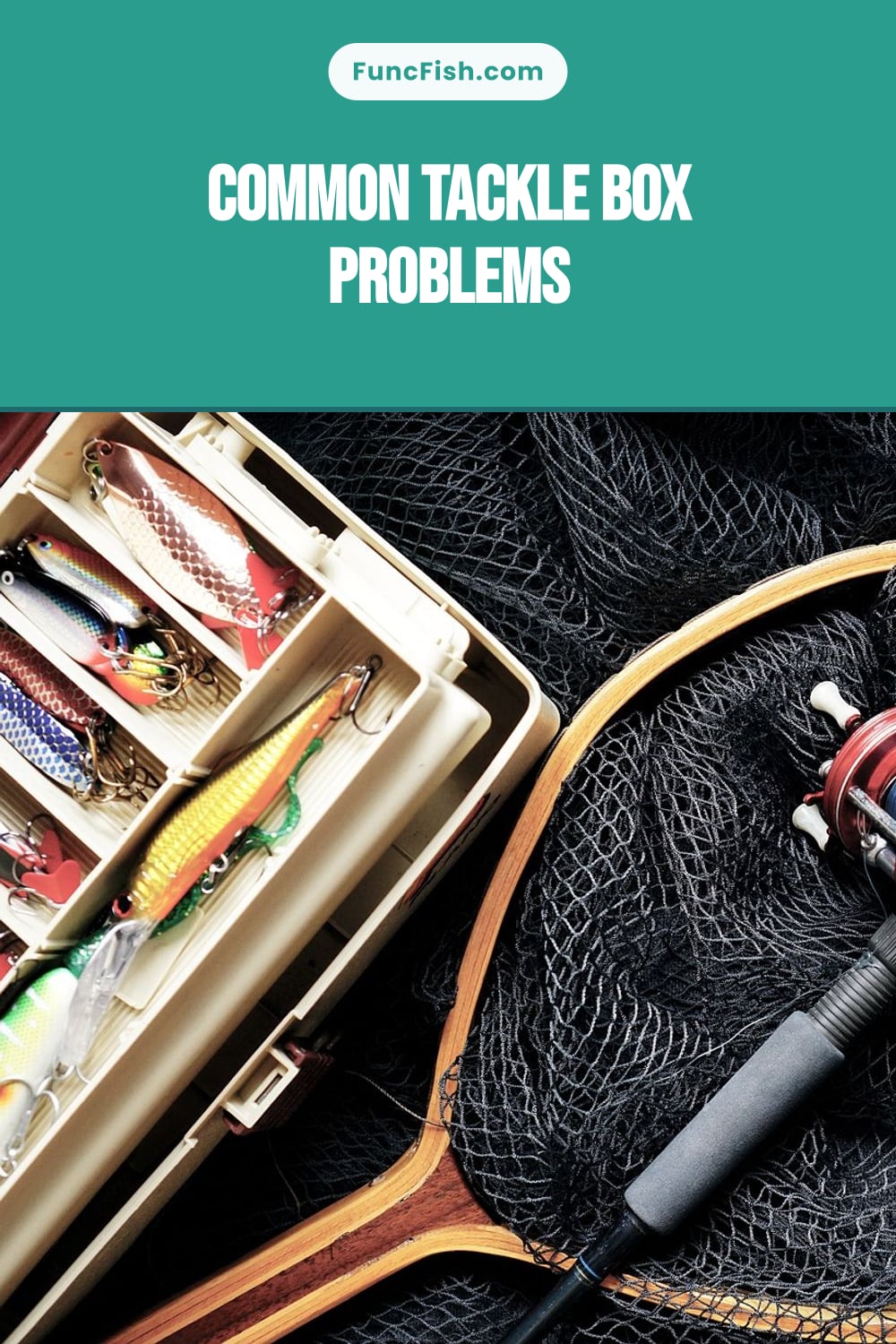
For many anglers, the tackle box is supposed to be an organized arsenal. However, many anglers struggle with their tackle boxes becoming a source of frustration on the water. The best tackle box makes it easier for the angler to fish.
The worst tackle box makes the process of fishing more harder. When an angler purchase a tackle box that develops issues, they lose valuable time and miss fishing opportunities. The common issues that many freshwater and saltwater anglers struggles with in their tackle boxes have causes and solutions that can easily be applied when the fish begin to bite.
Common Tackle Box Problems and Easy Solutions
1. Preventing Metal Rust
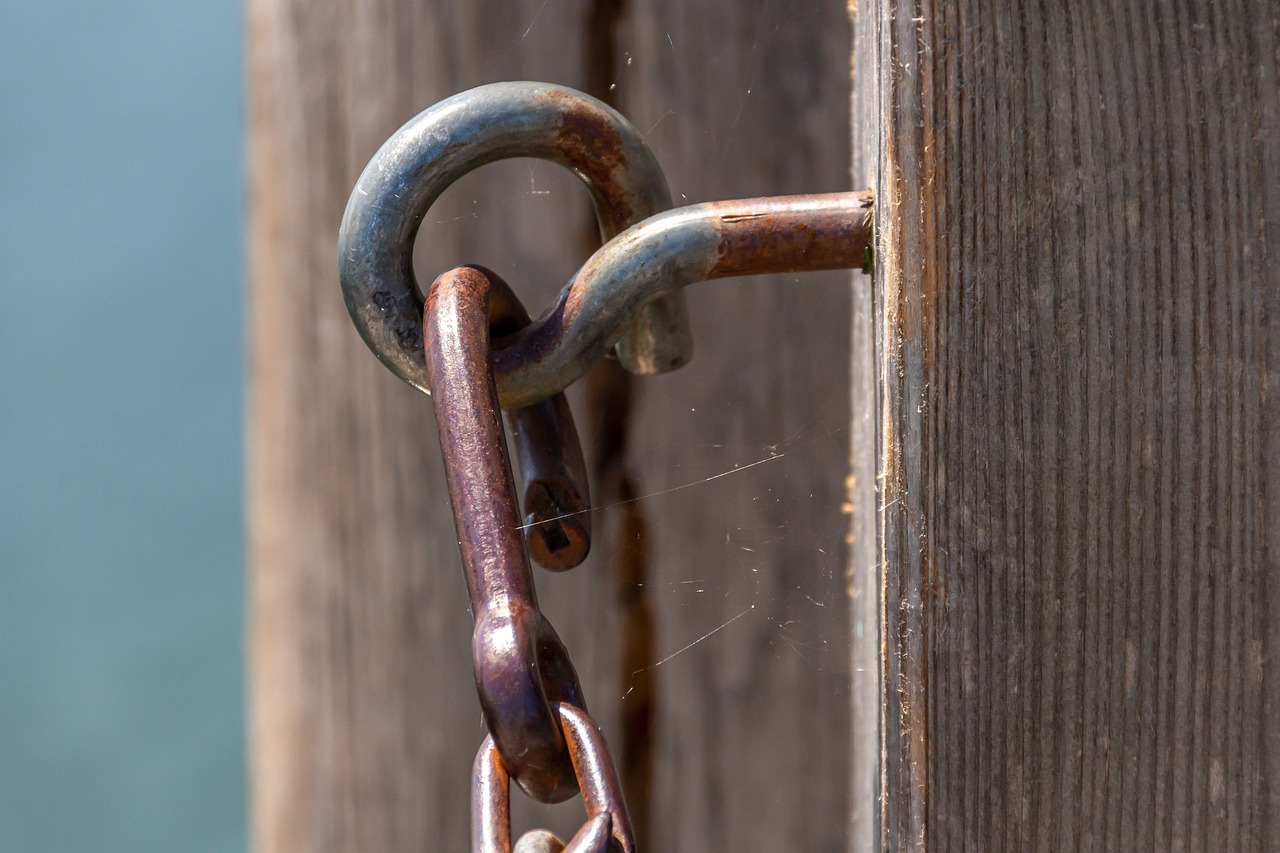
Tackle boxes develop rust on the metal components faster than the anglers may expects. Even stainless steel components will develop rust in a damp environment. Over time, the rust will affect the hooks and other components that is in contact with the metal.
These rust spots will eventually develop into large areas of rust that will ruin the terminal tackle that is stored in the tackle box. Additionally, if an angler uses a rusted hook, there is a safety hazard if the hook break while fishing. The best way to prevent rust is to separate wet items from dry items.
Anglers can store their soft plastic baits in separate plastic bags. Additionally, many tackle boxes has a small silicone packet in the tackle box that will remove moisture from the air in the tackle box. Anglers should wipe the metal components of the tackle box with a cloth and a drop of reel oil after every fishing trip.
2. Organizing Lure Trays
Doing so will keep the metal looking new when the angler reaches in for a lure. The trays in the tackle box will turn into a disaster if the tackle box is dropped. Additionally, if a truck transports the tackle box in the back over a washboard road, the trays will fall apart.
It is possible to lose several months of effort when the angler has to sort through the chaos that ensues from a dropped tackle box. To avoid this problem, anglers should store each type of lure in a small tackle bag or a plastic container within the tackle box. This will allow the lures to not fall out of the tackle box and make it easier for the angler to find the lures when on the water.
3. Protecting Soft Plastic Baits
Soft plastic baits melt in the heat. Additionally, the chemicals in the plastic cause the plastics to melt into other baits in the tackle box. Once this occurs, there is no going back.
The baits is ruined and the angler wastes their money on ineffective baits. To prevent this problem, anglers should store their soft plastic baits in their original plastic bags. If the original plastic bags are not available, store the lures in small tackle bags designated for soft plastics.
Store the plastic bags in a cooler or out of the sunlight in as many places as possible. Additionally, if it is hot outside, place an ice pack into the tackle box with the other baits. Most anglers do not master line management in their tackle boxes.
4. Managing Fishing Line
Braid and fluorocarbon line will come undone when the tackle box is moved. Additionally, the line will come undone in a way that take time to fix. The angler will waste valuable time while retrieving the line.
Anglers can buy dedicated line spools or place the line into small tackle bags. The line will not come undone if placed in these bags. Additionally, each bag should be labeled with the pound test and the line type.
The system will save the angler time when they need the line and will be able to find it in less time then if they did not use this system. Hooks and lures with sharp terminal tackle have a tendency to get caught on an angler’s fingers. The angler may feel fine when putting the tackle box away.
5. Hook and Pliers Safety
However, the angler may pull out a lure only to find a hook embedded in their finger. The angler may feel pain at the time of the injury. However, if they do not have the best pair of pliers, they may lose their best set of lures to the bottom of the lake.
The solution to this problem is to use dedicated hook guards to store the lures. Additionally, store all loose hooks in small pill organizers. Store a pair of long needle nose pliers on the tackle box with a lanyard so that they dont fall out of the tackle box.
Store a first aid kit with antiseptic and bandages in the tackle box. These solutions may seem unnecessary. However, they will save the angler from an emergency situation and lost fishing gear.
6. Preventing Treble Hook Entanglement
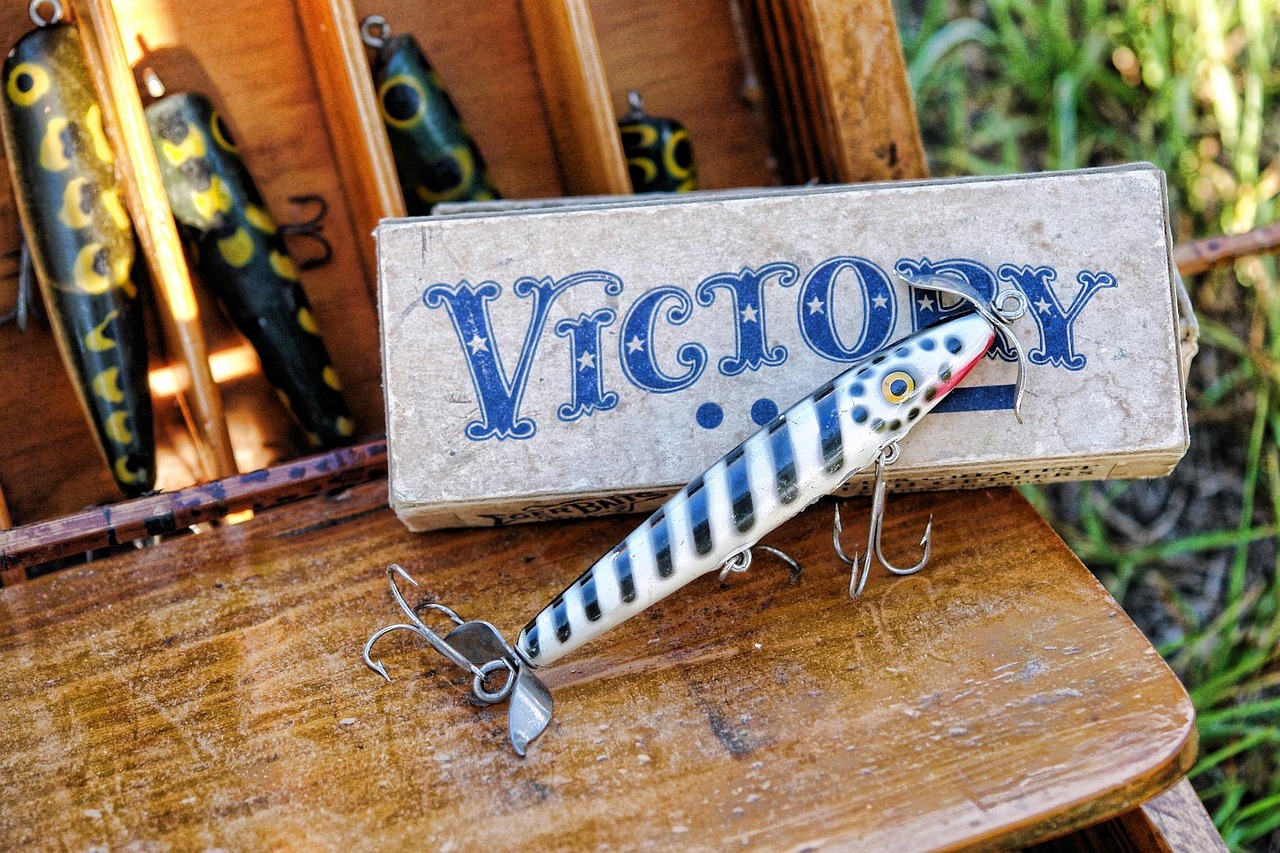
There are several types of lures that have multiple treble hooks. These types of lures will become entangled with each other. Most anglers has a few types of crankbaits with three or more treble hooks.
Over time, these will become one giant lure that cannot be separated without damaging the product. To solve this problem, place a small rubber band on each lure with three or more treble hooks. Or, place each lure into a small mesh bag so that when anglers store the tackle box or when they travel in the truck with the tackle box, the lures will not get entangled.
This takes an extra few seconds when not on the water. However, this will save the angler from frustration when they store their tackle box. The lid of many tackle boxes is an annoyance for many anglers.
7. Securing Tackle Box Lids
It may not stay shut. Additionally, many tackle boxes may slam shut when the angler is casting their line into the water. These problems can ruin an otherwise good fishing day for the angler.
Anglers can replace the cheap plastic lid latch with a heavier duty latch. Or, place a bungee cord across the top of the tackle box. Additionally, buy a tackle box with a latch that will not open when the angler is on the water.
This will save the angler from the frustration of losing their lures. Overloading the tackle box with every lure available for every scenario can cause problems. The tackle box will become too heavy to carry and will become too cluttered to find the items necessary for fishing.
8. Reducing Tackle Box Weight
Anglers will be tired from having to carry the tackle box into the fishing spot. Anglers can curate their selection of lures to the type of waters they fish most often. Anglers should have a core set of lures and only occasionally change the seasonal varieties.
Having a lighter tackle box will allow anglers to move and think more clearly when fishing. The best anglers for a given body of water tend to have the fewest varieties of lures because they have learned which work best in their favorite waters. The tackle box should not be a source of annoyance while fishing.
By recognizing these issues, anglers can make small adjustments to their tackle box to ensure that it is a reliable fishing partner. The next time anglers go fishing, they can take a few minutes to fix one of these problems. When well maintained, the tackle box should remain in the background where a tackle box belongs.
Additionally, it will allow the anglers to focus on fishing and their favorite pastime. This is exactly the experience that every angler should have on the water.