
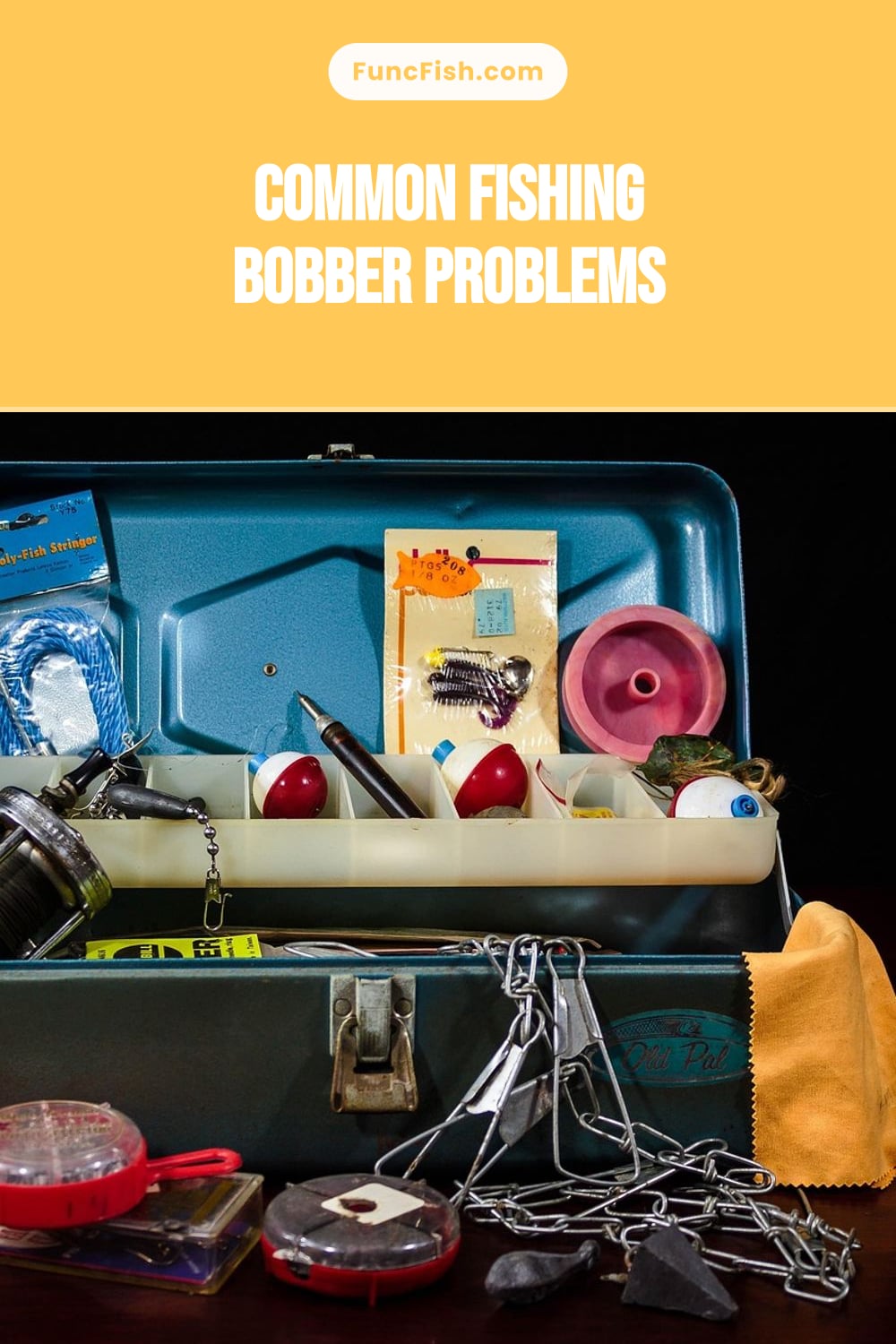
Fishing line bobs can lead to frustrations when fishing. Bobs work to signal fish strikes, maintain the bait at a desired depths in the water, and ensure that the bait remain in the strike zone for the fish. These three critical aspects of fishing line bobs can easily fail during a fishing trip.
However, the causes of bobber failure have a common denominator that make it easy for anglers to fix these problems quickly. By knowing the causes of each problem, fishing enthusiasts can save time and money by avoiding the frustration of fixing each problem individually. The following issues with fishing line bobs are common when fishing in lakes, rivers, or ponds.
Common Problems With Fishing Line Bobbers
1. Bobbers Refusing to Stay in One Place
One problem for fishing line bobs is that they refuse to stay in one place when fishing, especially in the presence of wind or water currents. The reason for this trouble is the weight on the fishing line that pulls the bobber underwater. Even a gentle breeze can cause the bobber to move if the bait being used is too heavy for the bobber size.
Adding a split shot weight about eighteen inches above the fishing hook and another closer to the bobber will counteract the effect of the water currents or the wind. Using a pencil-style bobber instead of a round bobber will also help the bait remain in the desired spot since pencil-style bobs will better slice through the chop on the water’s surface than round bobs will.
2. Bobbers Failing to Dip into Water
Another issue that can happen with fishing line bobs is that they remain at the surface of the water and fail to dip into the water even when fish is abundant in that area.
The fishing rig’s setup causes this problem. When using a chunky bobber with a heavy bait like a tiny jighead or nightcrawler, the fish will feel the resistance of the bait as soon as the fish take it, and the fish will drop the bait before the angler see it dip into the water. To fix this problem, use a smaller slip bobber or use a small foam indicator that barely breaks the water’s surface.
This will allow the fish to take the bait without breaking the tension in the line.
3. Nervous or Repeatedly Bouncing Bobbers
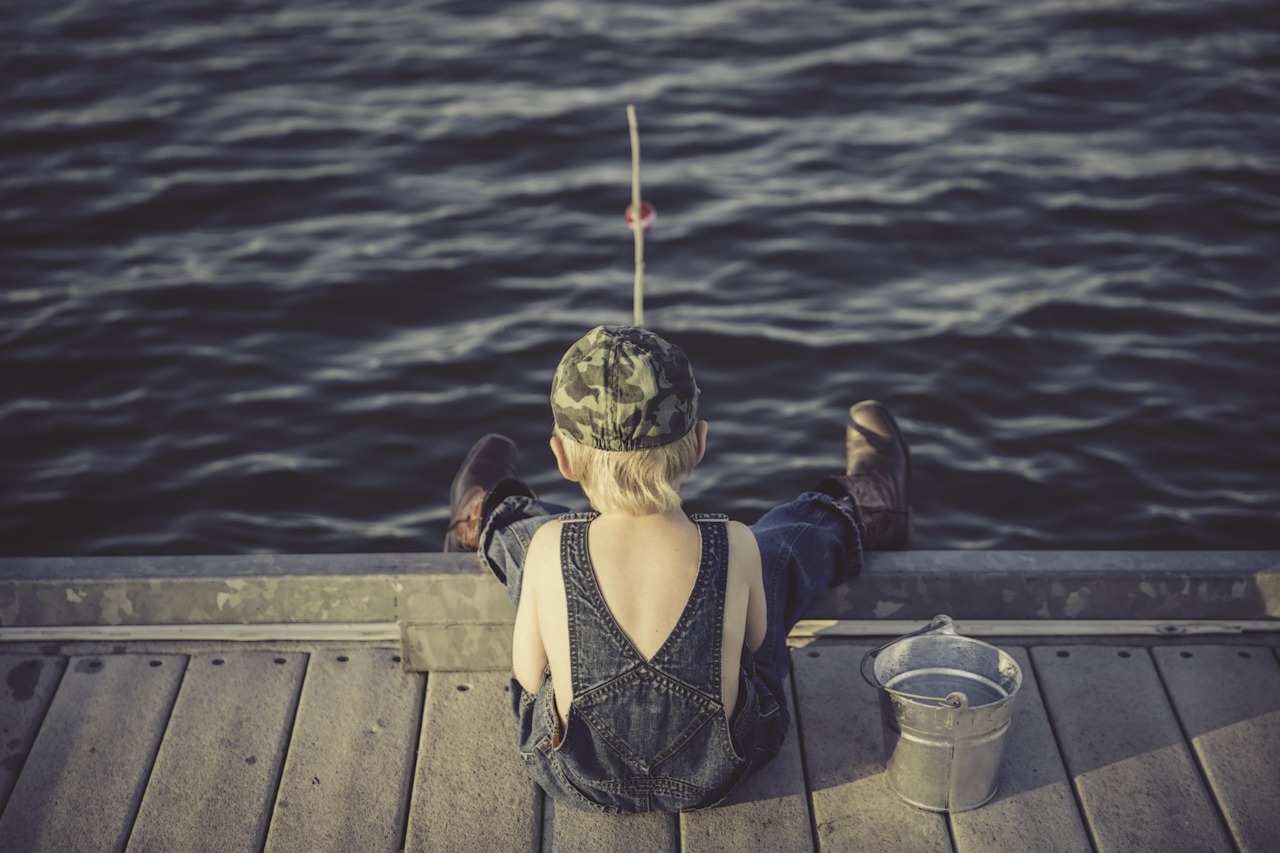
The opposite of the previous problem can happen with fishing line bobs when they repeatedly dip and bounce without a reason. The cause of this problem can be either shallow line depth or the presence of small baitfish or crayfish around the bait.
Adjusting the fishing line length to match the water depth or using a larger bait, or putting a rubber band on the bait will solve the problem of nervous bobs.
4. Line Tangling with Fish or Structures
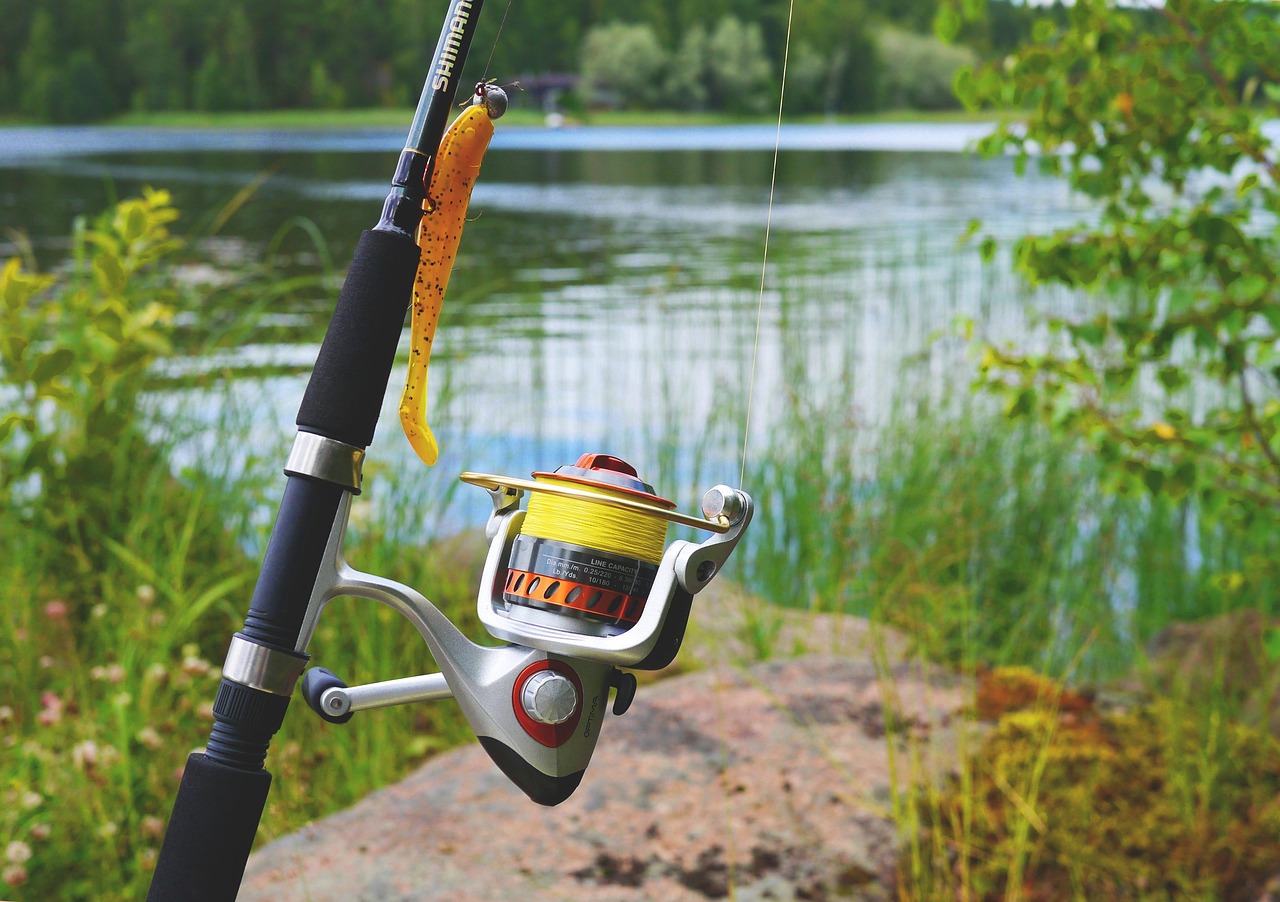
Underwater hooked fish can cause another problem with fishing line bobs since the line gets tangled around the fish or underwater structures. Using a stop knot above the slip bobber will allow the angler to adjust the depth of the fishing line to the desired spot.
Carrying a small pair of line cutters will aid the angler in detangling the line from the fish or underwater structures. Losing only one bobber is better than losing a large fish and the bobber at the same time.
5. Bobber Color Visibility Issues
Anglers will often encounter the problem where the bobber works well in the morning but becomes useless by the middle of the day.
The cause of this problem is sunlight reflecting off the water and the brightly colored fishing line bobs. In the late evening, the sun sets and the water turns a grey color, which makes a dark bobber blend in with the water’s surface. Fishing enthusiasts should have two or three different colors of bobs in their vests.
Fluorescent orange and chartreuse bobs will stand out against dark water, while black and deep red bobs will be visible in bright sunlight. Changing the color of the bobber takes only ten seconds, and doing so often saves anglers from frustration when fishing in the afternoon sunlight.
6. Line Twist in Fishing Bobs
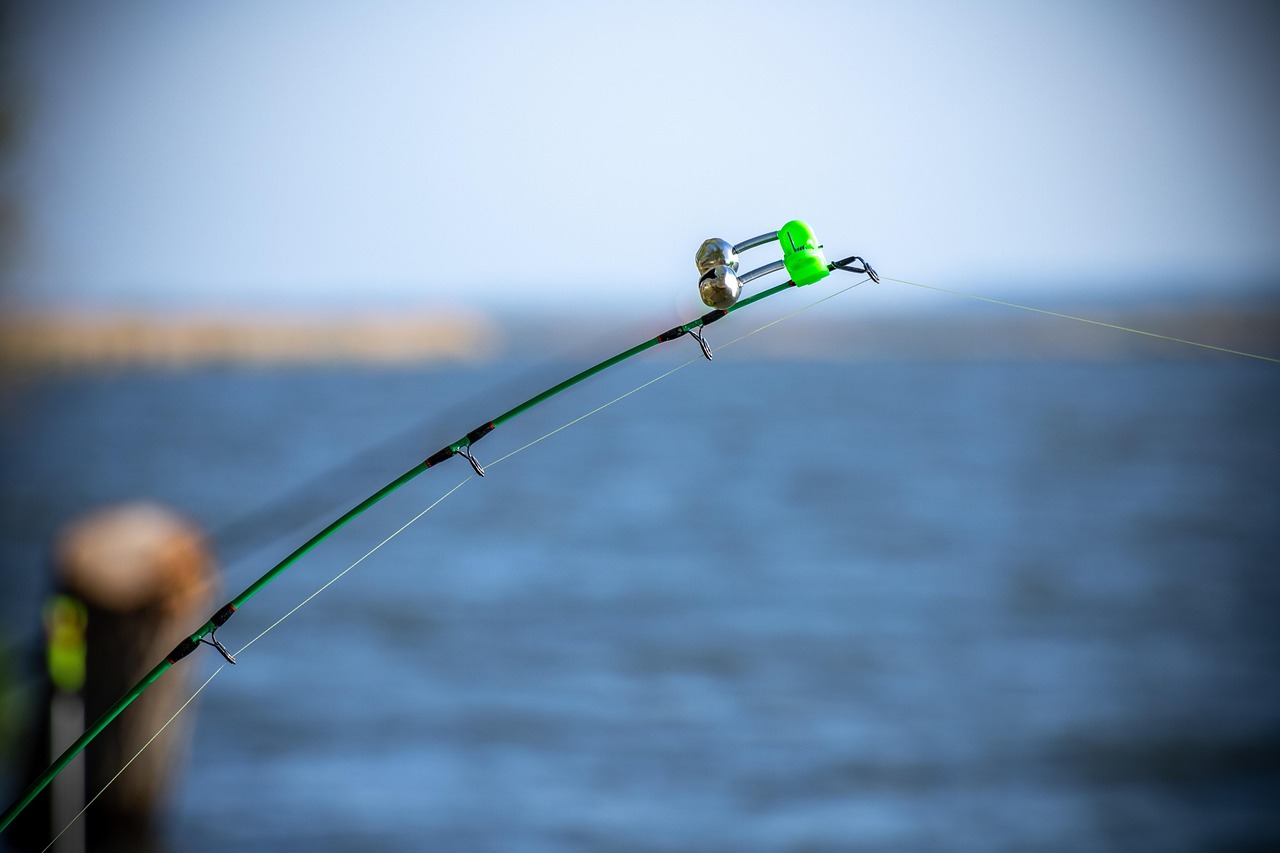
Another problem causes line twist in fishing line bobs.
This problem occurs if the fishing line is repeatedly cast into the water with the same rig or if the fish being fought have rolled the fishing line while fighting. Using monofilament line will cause the line to develop a memory of where it was last cast, causing it to develop twitches into coils that affect the bobber’s movement. Letting the line out behind the boat and slowly trolling the boat for a minute or two will allow the line to unwind itself of the line twist.
Otherwise, cutting the top ten feet of line and tying a fresh knot will fix the problem. Using a barrel swivel just below the fishing bobber can also prevent the problem.
7. Bobbers Standing at the Wrong Angle
One problem with fishing line bobs is that they stand at the wrong angle when fishing.
If fishing line bobs are shaped like round circles, it means that the weight on the fishing line is unbalanced. If there is too much weight on the line below the bobber, the bobber will stand at an angle. If there is not enough weight on the fishing line under the bobber, the bobber will lie flat on the water’s surface.
The best solution to this problem is to use enough weight so that the bobber stands in an upright position with only the tip of the bobber protruding out of the water. Most fishermen will test the balance of the line bobber by placing it in a bucket of water before they go fishing. Taking a few seconds to adjust the weight of the line before leaving the dock will save hours of frustration while on the water.
Once the fishing bobber stands true and upright, anglers will have a much better view of the fish activity under the water’s surface.
8. Stop Knots Sliding Down the Line
Another problem that can happen with fishing line bobs is the stop knot that is tied to the bobber may slide down the fishing line during a cast. This causes the bait to land on the lake or river bottom instead of being cast to the desired depth.
Causes include using slick fishing line when tying the stop knot or not securing it tightly enough. To fix this problem, use a small rubber band or a commercial stop tied with a half hitch around the stop knot. Some anglers will also use a tiny bead above the bobber so that the stop knot does not fray against the bobber.
Either of these solutions will secure the stop knot to prevent the bait from landing on the bottom.
9. Difficulty Casting the Fishing Line
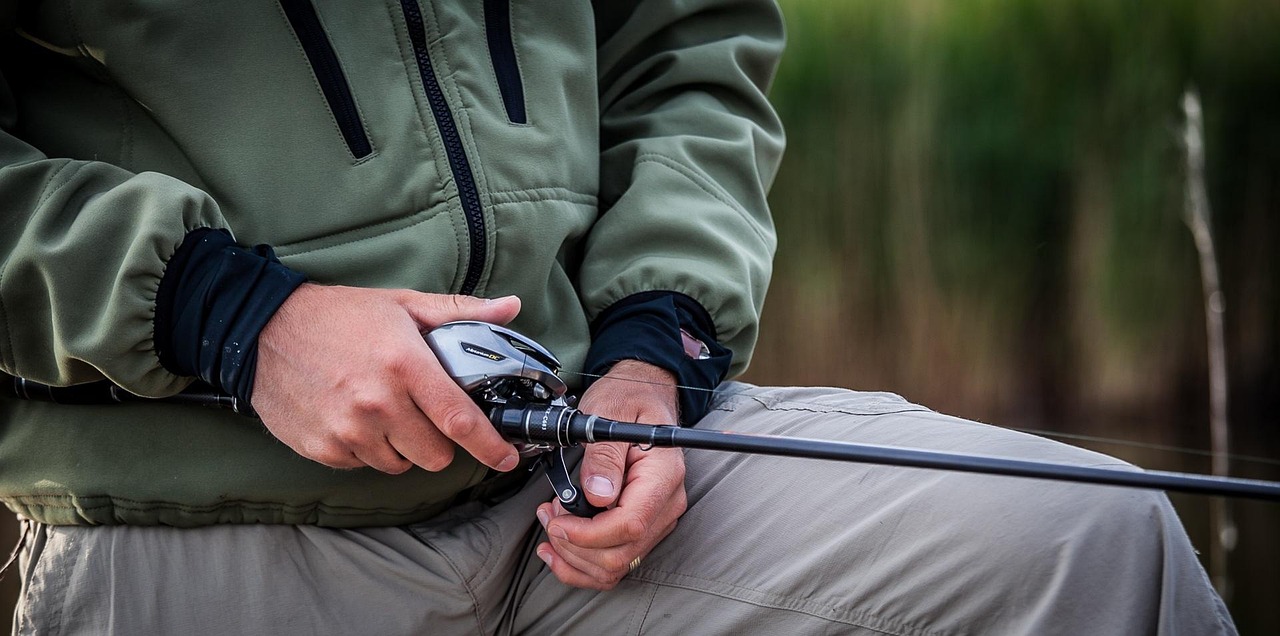
A final problem with fishing line bobs is when the bobs will refuse to cast the fishing line any distance. The angler may be able to watch others cast their line to half the lake but the angler can only get the line ten feet from the boat.
The cause of this problem is an unbalanced fishing rig. When the bobber is too close to the hook or too much weight is in one spot, the fishing line will refuse to cast any distance. To fix this problem, the angler should place the heaviest weight on the fishing line nearest the hook and the remaining weights farther up the fishing line.
This will allow the fishing line to travel the maximum distance. Practicing a few casts on the shore may be necessary to find the perfect place for each weight on the fishing line. Once the line is balanced correctly, the angler can finally reach the fish that have been out of their range all fishing season.
Understanding each of these problems with fishing line bobs and their causes will greatly benefit anglers. Each problem causes frustration and wasted fishing time. However, knowing how to fix each problem will allow anglers to master the art of fishing.
The next time an angler feels frustrated while fishing, they should remember to check each of these issues. If the angler checks the depth of the line and ensures it is correct, if they ensure the weight on the line is balanced correctly, and if they ensure the color of the bobber is visible under the water’s surface, they will have a much better day on the water. These small changes can make a big difference in the number of fish that are caught.
Each bobber is more than just an accessory while fishing. Each fishing line bobber is the messenger between the angler and the fish that live under the water’s surface. Therefore, if anglers take proper care of their bobs, the line bobs will carry the information that the angler desires to hear from the fish beneath the water’s surface.