
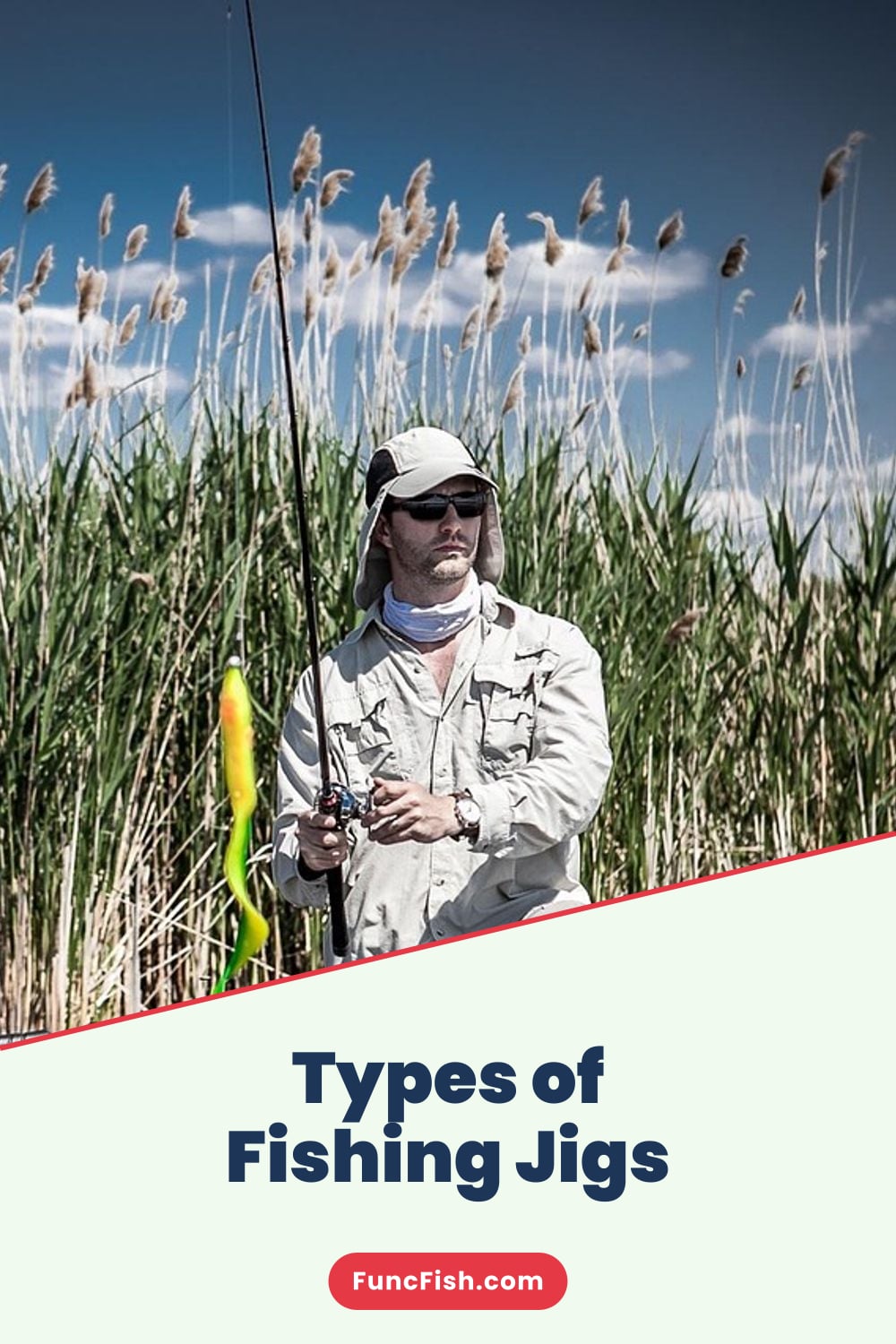
Fishing jigs are some of the most versatile lures that a person can add to they fishing tackle box. Fishing jigs is effective at catching fish in a variety of different environments. Due to the simple design of the jig, a person can control how the jig move in the water.
A jig is a weighted fishing hook that can be dressed in a variety of ways including with hair, silicone, or metal. There are many different types of fishing jigs, and knowing the correct type of jig for a variety of different fishing circumstances will prevent a person from having to guess at what color or size of jig will be most effective for that type of fishing spot. The correct jig for a person fishing spot can transform a slow fishing day into a successful one.
A jig can effectively mimic the movement of a crawfish that is moving across rocks. Additionally, a jig can also mimic a shad that is dieing and fluttering towards the bottom of a fishing spot. Each type of jig are manufactured to emphasize a certain movement and perform best in specific circumstances.
By learning the different types of jigs, a person will no longer waste time with the incorrect lure. Rather, a person will begin to catch more fishes.
Common Types of Fishing Jigs to Use
1. Round Ball Head Jigs
Round Ball Head Jigs are one of the most common type of jigs. This type of jig is manufactured to allow the round jig to slip through rocks and brush. The angler can either hop or swim round ball head jigs. Bass, walleye, and panfish all will accept a round ball head jig.
However, you shouldnt use them in areas with heavy current due to the way in which the round jig will roll and lose contact with a bottom.
2. Football Head Jigs
Football head jigs are manufactured in the shape of a football. These types of jig are used for areas with rocky lake bottoms since the jig will rock back and forth while the angler moves the rod.
As a result, it mimics a crayfish and trigger strikes from smallmouth bass. The wider front of the fishing jig will create a natural pause for the fish to commit to the lure. Football head jigs are used in areas where the fishing jig must crawl along the bottom instead of hop it.
3. Arkie Style Jigs
Arkie style jigs are manufactured with a flat, triangular head. This type of jig will glide over rocks and wood instead of getting stuck in them. This jig was created in the Arkansas River due to the presence of submerged trees in the lake.
This type of jig will push against the branches in the lake while the hook travels up. It will reduce the number of instance in which the jig gets caught in the branches. Additionally, the Arkie style jig is heavier than it look so it can reach distant fish without spooking the fish in shallow waters.
4. Swimbait Jigs
Swimbait jigs include soft plastic tails. This type of jig will undulate in the same way that a real baitfish will. These types of jigs are used in open waters or ledges in the water.
Additionally, the blade on the swimbait jig will flash and vibrate to attract strike from fish that are feeding aggressive but not necessarily at the fish that are being targeted by the jig. Swimbait jigs should be retrieved in open water with a steady wind or slow yo-yo motion. The potential disadvantage to the use of a swimbait jig is that the jig will tangle in dense cover in the water.
5. Finesse Jigs (Shaky Heads)
Finesse jigs, also known as shaky heads, use a light wire hook. These types of jigs typically has a small ball on the jig and weigh between one-sixteenth and one-quarter ounce. Finesse jigs are used when the fish are under pressure to eat or in water that is particulerly clear and cold.
A person can nose-hook a worm or minnow to a finesse jig and drag it along the bottom of the lake. The subtle movement of the jig will entice even the most wary bass to strike at the lure. Because finesse jigs tend to be very light, a person will need to use a lighter line and rod.
Yet, the use of finesse jigs will pay for the extra care that a person must devote to these types of jigs.
6. Blade Jigs
Blade jigs, also called vibrating jigs, have a flat metal blade. These types of jigs are used in muddy waters or to target shad that are moving in shallow waters.
These jigs can be burned across the water’s surface, yo-yoed down a drop-off in the water’s depth, or crawl along the lake bottom. Additionally, the noise that the blade jig makes will help the fish to locate it if visibility is poorly in the water. The only downside to blade jigs is the blade may snag on heavy cover in the water.
Therefore, a person should fish these jigs careful.
7. Hair Jigs
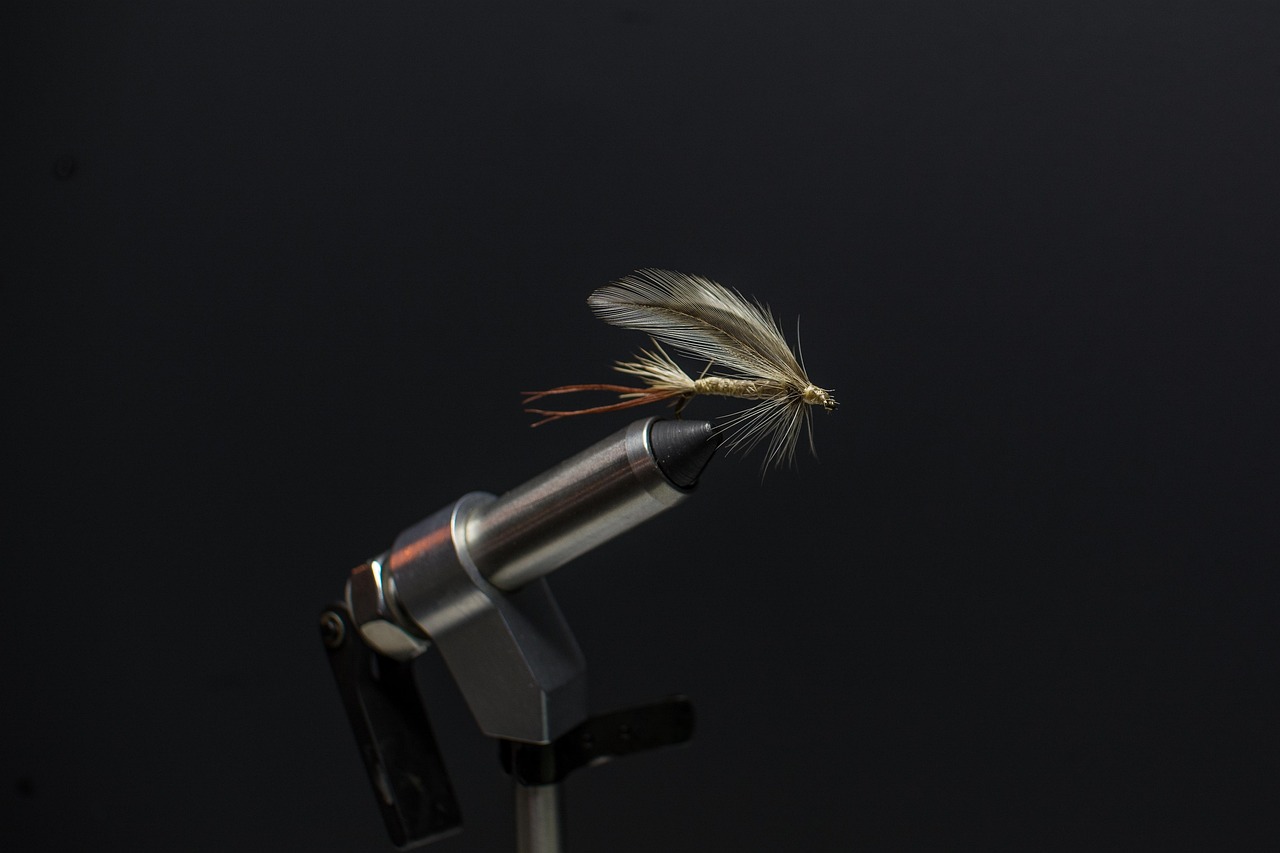
Hair jigs include bucktail or marabou fibers that give the jig a natural and breathing action that plastic fish lures cannot achieve. Smallmouth bass in river systems and largemouth bass in clear natural lakes are receptive to hair jigs.
These jigs work well in cold water when the fish are moving slow or when they are not interested in chasing after prey. However, the fibers on a hair jig will catch on weeds more easily than silicone fiber jigs. Yet, a quick shake will generally dislodge any weeds caught on the jig.
When choosing the correct jig, a person should consider the mood of the fish and the structure that the fish are using. By considering fishing conditions, a person can select the correct type of jig for a variety of different circumstances. Most individuals will have a favorite type of jig for each season and for each body of water that they fish.
The beauty of jigs is in there simplicity. By learning how each type of jig has a distinct personality, a person will spend less time changing jigs and more time with a bent fishing rod. This part of fishing is what every angler will remember long after the fish have been released from the anglers lakes.