
Kayak fishing places you in the middle of the fishing action. When you go kayak fishing, you are only a few inches above the water. Additionally, you can drift into areas of the lake or river that other anglers in larger boat cannot reach.
Because you are on a kayak, if a fish does find your bait, it may only be a few feet away from your lap. Many people who kayak fish appreciate the closeness of the fishing experience to the water and the fish. However, this closeness come with risks to the kayaker.
A gust of wind can cause problems for the kayaker. The fight of a fish can cause problems for the kayaker. Additionally, if a kayaker shifts in the wrong way on the kayak, they can easily flip their kayak over the side.
The difference between a day that kayakers have an excellent time on the water versus a dangerous day on the water is the habits that they employ before they begin to fish from their kayak. By using the safety practices described in this article, kayakers will enjoy many year of fishing from their kayak without getting into any danger. These safety practices are not the most flashy of practices.
However, each of them has a purpose for kayakers to follow before they begin to fish from their kayak.
Essential Kayak Fishing Safety Practices to Follow
1. Communicate Your Fishing Plans

Always tell another person where you are fishing and when you will return from the water. This practice is the most important safety practice for kayakers.
By telling someone where you will be and when you will return, you have the most effective insurance policy for your safety. Share your launch point, the area that you will be fishing near the shoreline, and the time that you will return from the water. Should you decide to explore another stretch of creek in the area, be sure to let that other person know of your new plans.
2. Use a Proper Personal Flotation Device
Additionally, be sure to have your phone in a floating, waterproof case in case you drift behind islands or into marshes where cell phone signals will dissapears. The personal flotation device, or PFD, that you use when you kayak will change the comfort and confidence that you have when you are on the water. Many beginners purchase the cheapest foam PFD and tie it as tightly as possible around their body.
However, a PFD that is specifically designed for fishing allows anglers to lean on their seat for many hours without getting numbness in their back. Additionally, fishing PFDs usually come with multiple pockets in which to store necessary fishing gear such as pliers, line clippers, or a bilge pump. Additionally, many PFDs will have a whistle, reflective tape, and a lash tab for a strobe light to help kayakers become visible to other boaters or fish for their safety.
3. Monitor Weather Forecasts
Kayakers will likely forget that they are wearing their PFD until they need the PFD to assist in their survival on the water. Always check the weather forecast before you go on your kayak fishing trip. Additionally, check the weather again right before you launch your kayak.
The weather forecast may say that it will be five-mile-per-hour winds at the time of the forecast. However, the area that you are to fish may feature fifteen-mile-per-hour winds. Headwinds will make it difficult for you to drift on your kayak while thunderstorms could happen at any time on the water.
If you hear thunder while on the water, you need to leave the water immediately. Kayaks made of carbon fiber will attract lightning strikes. Additionally, being inside a plastic kayak provides no protection from lightning strikes.
It is far safer to be on the road in your truck with a hot cup of coffee than to risk becoming another statistic of the dangers of lightning strikes that claim kayaker on the water.
4. Dress for Water Temperature
Always dress for the temperature of the water, not the air. This rule will save your life more often than any other rule for kayakers.
While it may be eighty degrees outside, the lakes and rivers may be in the low fifties. If you go overboard wearing only shorts and a T-shirt, you could suffer from hypothermia very quickly. Wear a moisture-wicking shirt or base layer.
Add a thin insulated layer such as a fleece jacket. Wear a lightweight waterproof jacket on top of the insulating layer. Additionally, wear wool or synthetic socks that will be worn inside neoprene booties to keep your feet warm in the event that you do go overboard in the water.
5. Master the Re-entry Technique
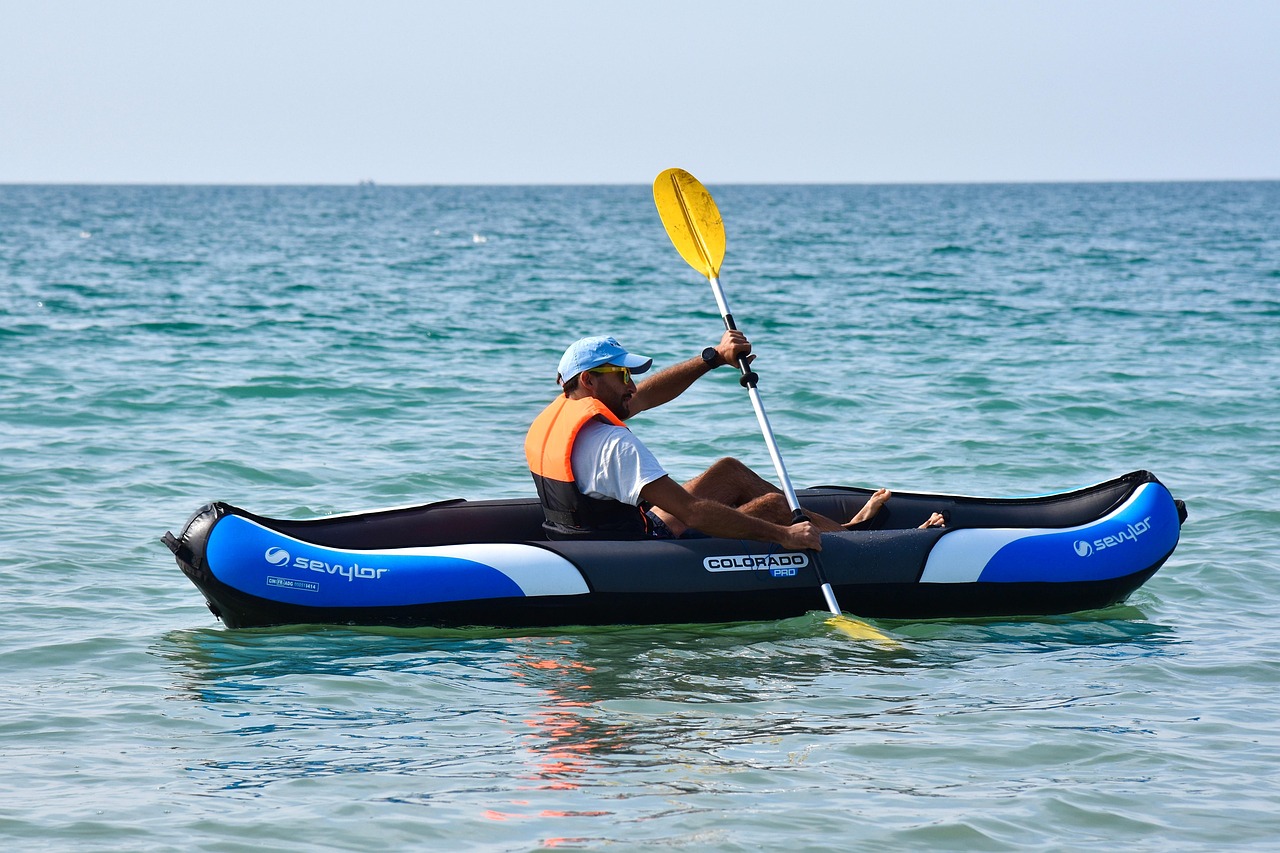
Master the re-entry technique into the kayak before you ever have to use it. Practice the re-entry technique in shallow water that is close to the shore where you can afford to fail if you learn the technique incorrectly. Most kayaking anglers will use the cowboy method of re-entry into the kayak.
This method requires the kayaker to kick their legs up towards the kayaks deck while moving laterally across the kayak’s deck as if they are mounting a horse to its back. Practice the re-entry technique until it becomes second nature to your kayaker. Do not attempt to learn the technique while you are fighting a fish in deep water.
The time that you take to practice the re-entry will save your life and ensure that you do not have a long and cold swim on the water.
6. Secure All Gear
Be sure to secure all of your gear on the kayak as if it could easily flip over. Use dry bags to secure fishing gear to the kayak’s deck lines.
Additionally, use tackle boxes to secure your fishing gear so that it does not shift while on the water. A five-gallon bucket of live bait could easily shift the kayakers weight if a large fish decides to slam the kayakers lure. Use bungee cords, carabiners, and leashes to secure all gear in the kayak.
The extra two minutes to secure all gear will save you from having to paddle back to shore all day to recover gear.
7. Learn to Read the Water
Always take the time to learn how to read the water before you launch and while you are on the water. Pay attention to standing waves that may form at the mouths of creeks.
Watch for swirling patterns in the water that may form behind rocks on the lake floor. Additionally, learn to read the water for tidal movements of the water. Water moving against the tide may create choppy waves that can quickly swamp a kayak on the water.
If you see any confusion in the water or hear strong breaking waves, head to a different spot on the water to fish. The fish will still be in the water tomorrow and your safety today is the most important consideration.
8. Carry Emergency Signaling and Bail Tools
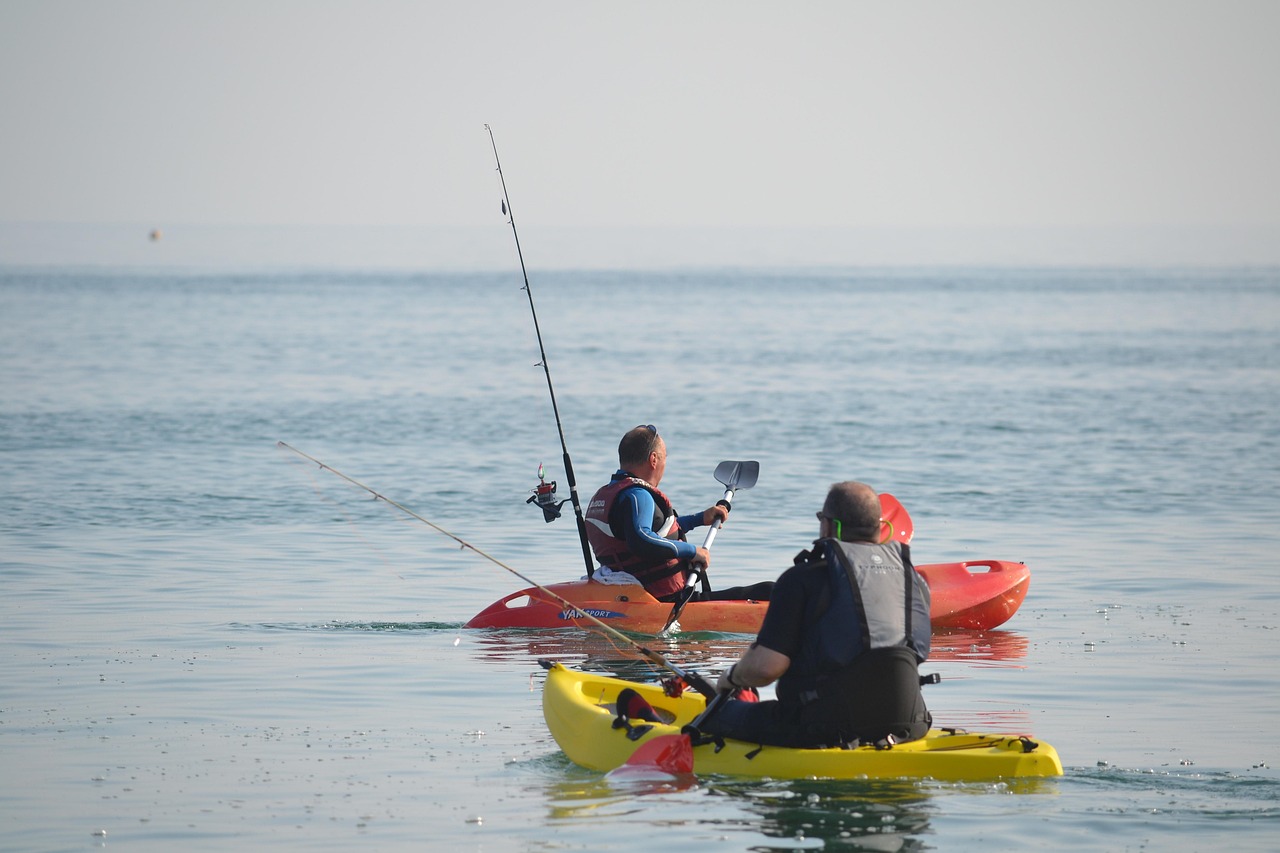
Kayak anglers of all experience levels should always carry with them a bilge pump, a sponge, and a set of signaling devices.
These tools will come in handy should an emergency situation arise on the water. A foot-powered bilge pump allows the kayaker to bail out the kayak without having to leave their seat. This will come in handy if you are many miles from the nearest shoreline.
Use a small VHF radio that is secured to your personal flotation device to keep in touch with shore stations in the area even if your cell phones no longer have signal. Use flares and a waterproof strobe light to attract the attention of others on the water in the event of an emergency. Keep these items in a dedicated waterproof bag.
Additionally, the waterproof bag should be attached to the kayak in such a way that it cannot become separated from the kayak. While you never want to use these items, the presence of these items will aid you in the event of a problem.
9. Respect Your Equipment Limits
Kayakers should always respect their personal limits on the water and the limits of the kayak that they are using.
A twelve-foot recreational kayak will handle small ponds very well. However, the same twelve-foot kayak may struggle to handle waves that are two foot in height in an open bay. Additionally, a kayak that is longer than twelve feet will likely handle bigger waves better.
However, longer kayaks may struggle with balance when the kayaker stands up to cast bait into the water. Match the features of the kayak to the kayaker’s skill level on the water. If standing up to fish for fish is something that makes the kayaker nervous, it is better to leave fishing from a kayak to those who are more experienced on the water.
The fish do not care if the kayaker stands or sits in the kayak. However, they only care if the lure that is being used to attract their attention appears to be alive and moving.
10. Stay Aware of Your Surroundings
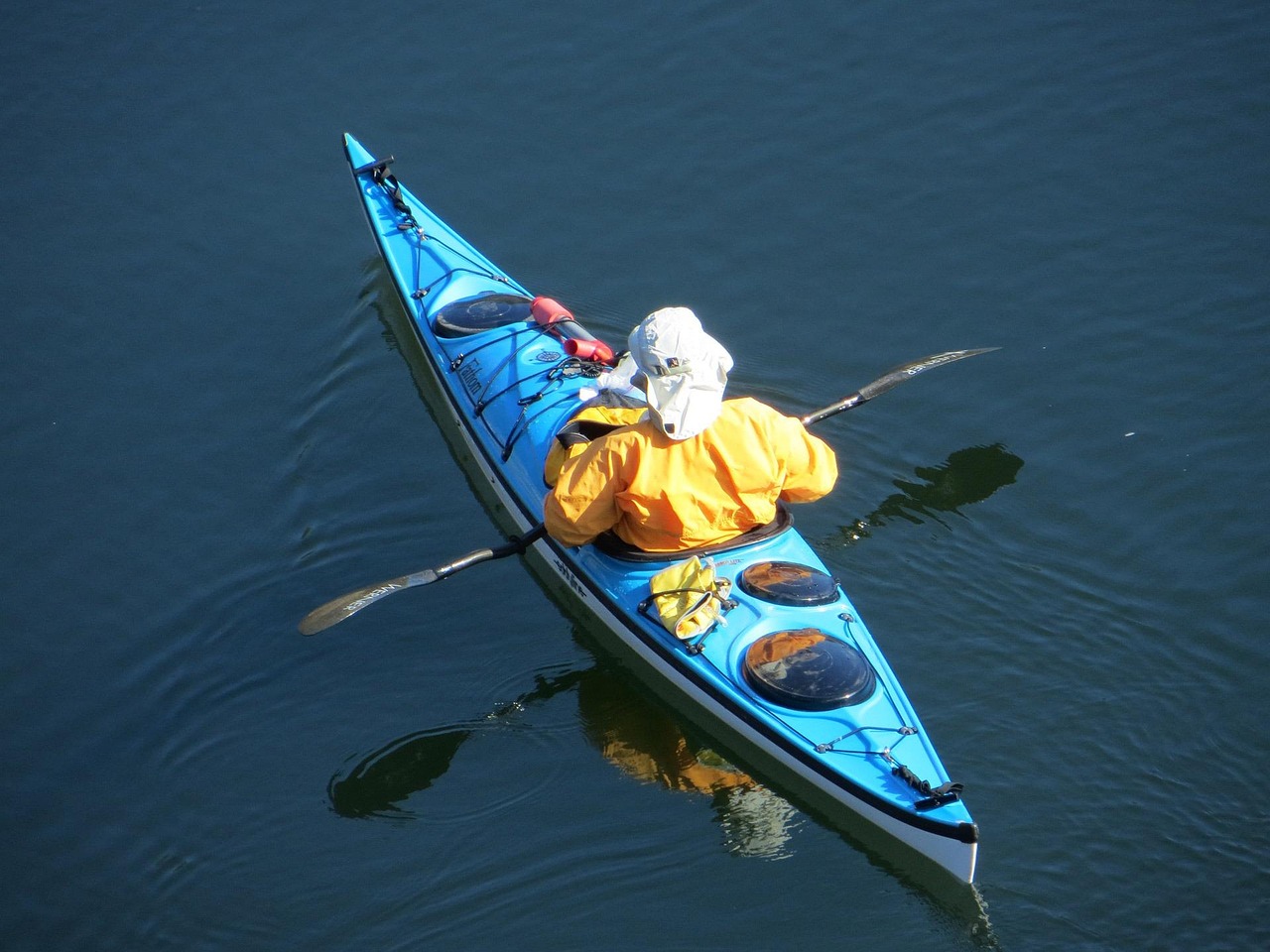
Finally, scan the water periodically for any potential hazarded to kayakers on the water.
Overhead power lines, submerged logs, other kayakers that move erratically on the water should be scanned for by the kayaker. A quick swivel of the kayakers head takes no time at all. However, it will save their life if they spot another kayak or a hazard to their path on the water.
The best kayakers will scan the water even while they are fishing for the best strike of fish of the day. However, they will never allow themselves to become zoned out from their surroundings on the water. The balance between focus and fun on the water will inspire kayakers to continue to fish for years.
By following each of the safety practices listed above, kayakers can enjoy the best sport that they could ever pursue on the water. The water will become a friend that is respected and understood by the kayaker. The fish will still be in the water waiting for the kayaker.
The mornings will still be quiet on the water and the strikes will still be electrifying when they catch a fish. However, kayakers will now be able to approach the water with confidence instead of with the use of their crossed fingers. So go out and prepare for your trip.
Stay aware of your surroundings on the water. And come home with stories to tell instead of regrets of the mistakes you made while on the water.