
The rivers, lakes, and reservoirs in Ohio contain many whiskered fish that can create dificult physical battle for a person. Catfish live in murky water, show aggression while feeding after it becomes dark, and can grow to large sizes that test the strength of heavy fishing tackle. Therefore, if an angler desires to experience a fish fry or to catch a trophy fish, it is important for that angler to be aware of the different species of catfish that live in Ohio’s waters.
By knowing the species of catfish that exist in Ohio, an angler can select the appropriate type of bait, select the appropriate fishing location, and employ the correct fishing technique for success. These bottom-dwelling catfish species has lived in the state of Ohio for many generations. Catfish help to clean up the ecosystem due to their role as scavengers.
Thus, when an angler heads to Ohio’s waterways, there is one of the best fish species to target for a catch. The following list of catfish species will detail the different types of catfish that can be found in the state. In addition to the common catfish species that live throughout the land, there are also the giant blue catfish species that populate the region.
Each type of catfish has its own habits, preferred habitat, and specific fishing tactics that will result in the best fishing results. Thus, if an angler is interested in adding catfish to their catch of fish species, knowing these specific details of each type of catfish will allow them to be successful in their efforts. The most common type of catfish species that can be located in the state is the channel catfish.
Common Types of Catfish in Ohio
1. Channel Catfish
The channel catfish is known to be able to live in many different types of environments throughout the state. Channel catfish can be found in rivers, such as the Scioto, Muskingum, and Maumee rivers, as well as in farm ponds and reservoirs throughout the state. Additionally, the skin of channel catfish is smooth to the touch and often exhibits black spots when young that fade as the catfish reach adulthood.
Channel catfish are known to eat almost any type of bait, ranging from chicken liver to hot dogs. Therefore, anglers of all experience levels can target channel catfish species. Furthermore, channel catfish are active seasonally from spring to fall, and live in water depths ranging from two feet to thirty feet.
Channel catfish species dont fight with heavy strength with anglers and tend to exhibit quick runs with the fish, and the average size of channel cats ranges between two and four pound. Thus, channel catfish are perfect for angling beginners and for those desiring to have consistent catches of fish. The second type of catfish species native to the state of Ohio are flathead catfish.
2. Flathead Catfish
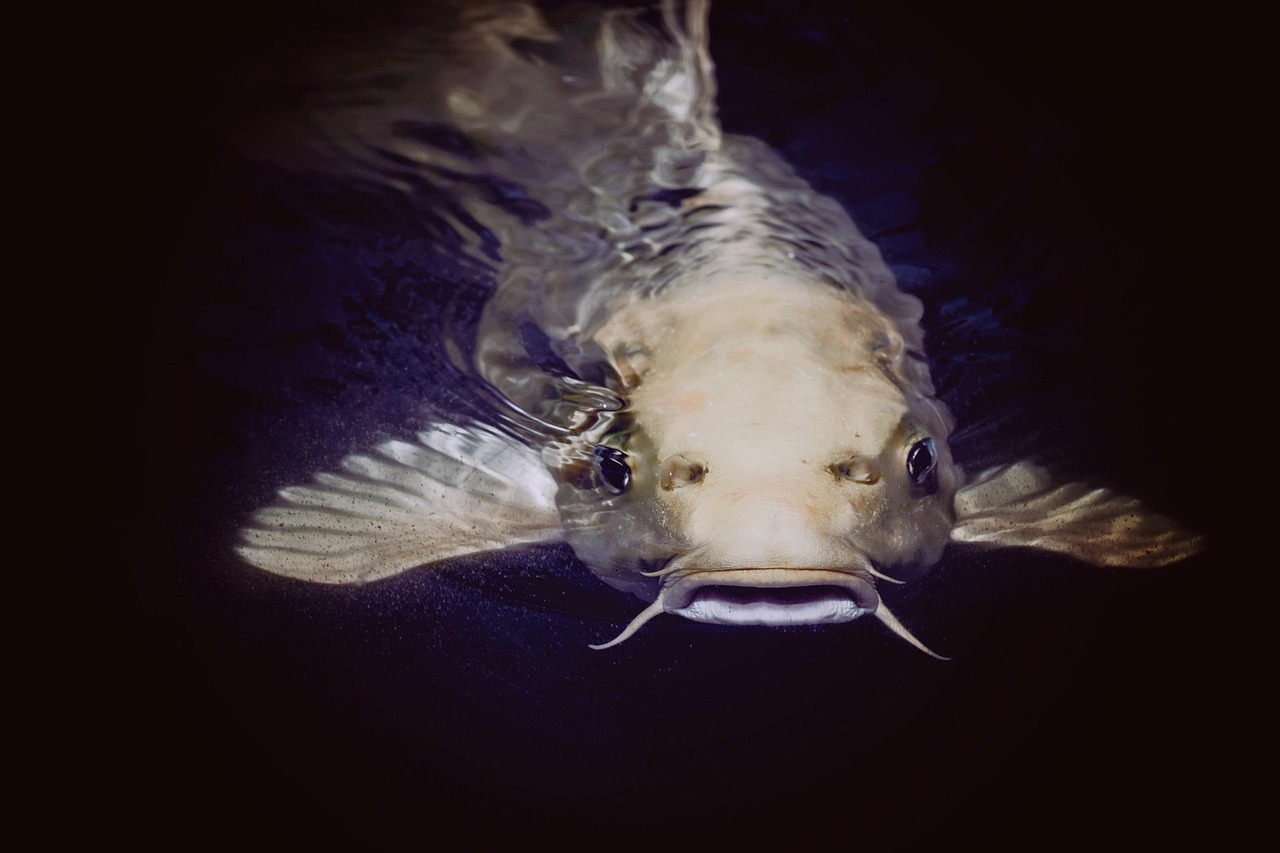
Flathead catfish have an unusual appearance to the species; they have broad heads that are flattened, have small eyes, and have an eating mouth located on the underside of their heads. Additionally, flathead catfish are different than species like channel catfish, as they are dedicated to being predators and mainly eat live fish species. Instead of ignoring the presence of dead bait, flathead catfish will ambush live prey fish like bluegills, shiners, or goldfish.
Additionally, flathead catfish can reach weights of thirty pounds or more, and prefer to live in deep areas of rivers that contain logs or rocks that they use to hide from sight during the day. When targeting flathead catfish, anglers must use bait fishing techniques that occur during the night with heavy fishing tackle to catch these strong fish species. When caught, flathead fish have firm, white meat with no earthy taste compared to other catfish species.
Because these fish grow slowly, though, anglers should of release large flathead catfish in order to allow for other flathead fish to populate the area. The third type of catfish species native to the state of Ohio are blue catfish. Blue catfish species are longer than flathead fish, and have a fighting style with anglers that can empty an angler’s fishing reel quickly.
3. Blue Catfish
Additionally, the tail of a blue catfish is less forked than a channel catfish species, but still distinct, and their color ranges from pale slate to deep blue-gray. These fish prefer to live in the largest rivers in the state, and are most common in the Ohio River below the dams in the state. Furthermore, blue catfish can reach weights of over seventy pounds, and forty pound blue catfish are seen relatively often in the state.
Additionally, to catch blue catfish, anglers can use cut shad or skipjack herring as bait for these scavenger fish species that follow schools of baitfish. Additionally, blue catfish prefer to live in areas with heavy currents in the state, like tailwaters or deep bends in the outside portion of rivers. Furthermore, despite using the strongest fishing equipment, landing a blue catfish can be difficult.
Even with stout fishing rods, blue catfish that weigh over forty pounds can produce thirty minutes of strong struggle when an angler lands them. Additionally, many anglers dedicate their fishing trips and efforts to catching blue catfish due to the type of fight the fish can produce with anglers. Additionally, bullheads fish species are some of the smaller catfish species native to the state of Ohio.
4. Bullheads
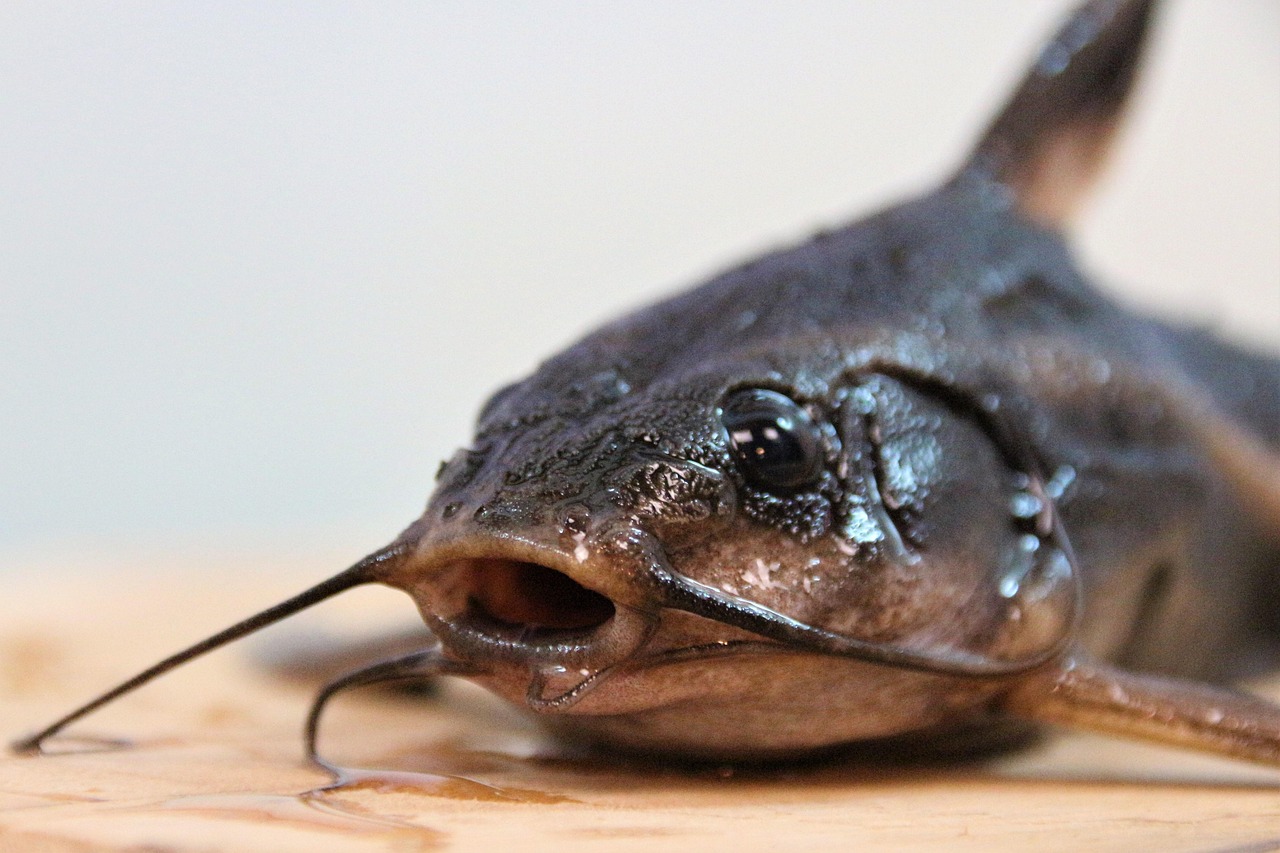
Specifically, there are three common types of bullheads found in Ohio: black bullheads, brown bullheads, and yellow bullheads. Each type of bullhead has the same body shape, but features rounded tails and whisker-like appendages on the chin that give the group its name. Bullhead species rarely weigh more than two pounds.
Bullheads are located in ponds, small lakes, and slow-moving creeks in the state. Due to their small size, bullheads are a perfect species for beginners to fish for. Additionally, anglers can catch bullheads using a simple fishing pole with bait such as worms.
Bullheads are able to thrive in low-oxygen water and muddy environments. However, their skin is thicker than other types of catfish, and are usually fried up after being caught. Additionally, the meat of bullheads has a sweet flavor when caught in areas of clean state waters.
Additionally, another type of catfish species that can be spotted in the southern portion of the state, especially near the Ohio River, are white catfish species. White catfish have body features and characteristics that is between those of channel and bullhead catfish species. Additionally, the barbels located on the chin of white catfish species are white in color, distinguishing them from bullhead catfish species with darker chins.
5. White Catfish
White catfish are not among the most common types of catfish in Ohio, but their presence does add to the diversity of the catfish species native to the state. Additionally, white catfish species has behaviors similar to channel catfish, but rarely grow to five pounds in weight. Additionally, white catfish prefer to live in areas with slower currents than other catfish species, and are capable of thriving in brackish water.
Additionally, due to the limited number of white catfish species in the state, they do not warrant special trips from anglers. However, their distinct features make them noticeable to those who are attentive while fishing. Regardless of the species of catfish that an angler decides to fish for in Ohio, respect for the habits of the catfish species will result in success in catching these fish.
Channel catfish species are forgiving of an angler’s mistakes with the species, flathead catfish require live bait and patience, blue catfish species require strong fishing tackle and endurance, and bullheads provide fast action for anglers fishing from muddy areas. Each type of catfish species possesses its own unique niche within Ohio’s waters. Thus, it is because each type of catfish occupies its own niche in the environment that the area remains healthy in relation to the fish populations.
The next time an angler prepares their fishing line and heads into the woods to fish in one of Ohio’s lakes, rivers, or reservoirs, they should remember the story of the whiskered fish on the end of their line. By understanding the story of the species of catfish that they pursue, anglers may find their fishing experiences in Ohio to be more satisfyingly. Whether anglers desire to land a limit of fish species for dinner, or whether they desire to catch a giant catfish species to be proud of their accomplishment in fishing, the acquisition of this knowledge will allow anglers to secure fishing trips that succeed.
Thus, the angler will have to purchase bait, the angler will have to select fishing spots, and each angler will have to anticipate which type of catfish species will decide to join their fishing trip.