
Tarpon is often called the silver kings of the flats for a reason. For one, tarpon have extreme power. Additionally, tarpon tend to react very strongly to flies.
When a tarpon take a fly, the fish will typically move with great speed and force. Following that initial take, the tarpon will jump out of the water in a series of flips. These jumps are very acrobatic and can surprise even the most experienced anglers who is pursuing these fish.
The strength of the tarpon, the cautious instincts of the tarpon, and the jumps that these fish make when they catch a fly are the reasons that many angler are drawn to the sport of tarpon fishing. Success fishing for tarpon require an understanding of the species and its environment. Anglers have learned the following tips through difficult experiences when they lose there caught fish.
These tips is useful for those who pursues tarpon with a fly rod. The fly must be noticed quickly but also look like food that the tarpon want to eat. It is extremely difficult to find the perfect balance between these two variables.
Essential Tips for Successful Tarpon Fly Fishing
1. Effective Fly Patterns
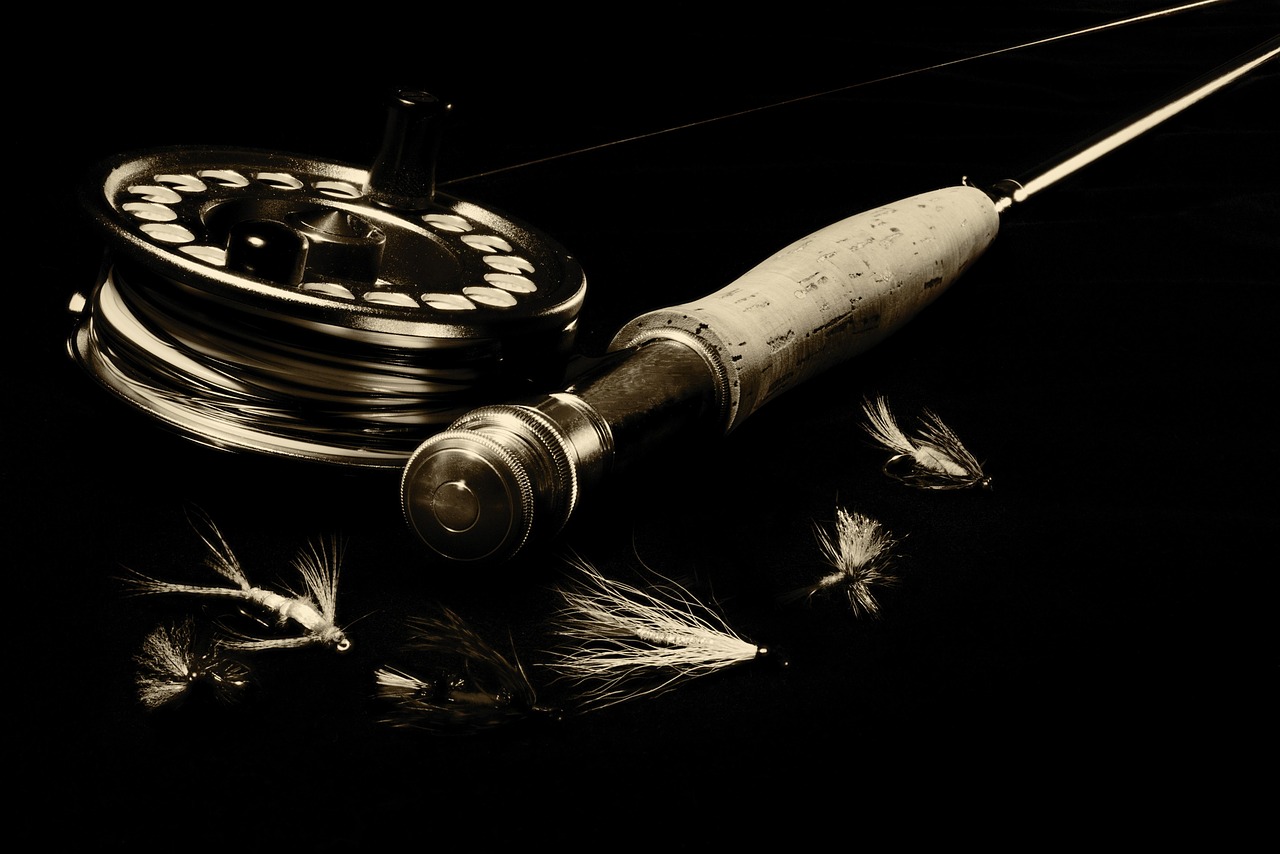
The best fly patterns are between four and six inch long. One effective pattern is the chartreuse and white EP baitfish. This type of baitfish should have many synthetic fibers tied to the hook to allow the fly to move.
2. Visibility and Knot Selection
Adding some flash with strands of Flashabou or Krystal Flash will enhance the visibility of the fly for the tarpon. However, use only enough flash to catch the attention of the tarpon but not scare them in the clear water. The bait should be tied to a 3/0 or 4/0 hook and featured in a loop knot.
This type of knot allows the fly to have a side-to-side movement when reeling in the bait. This movement mimics that of a fleeing baitfish. The color of the bait is also more important than many anglers believe.
3. Color Selection Based on Water Clarity
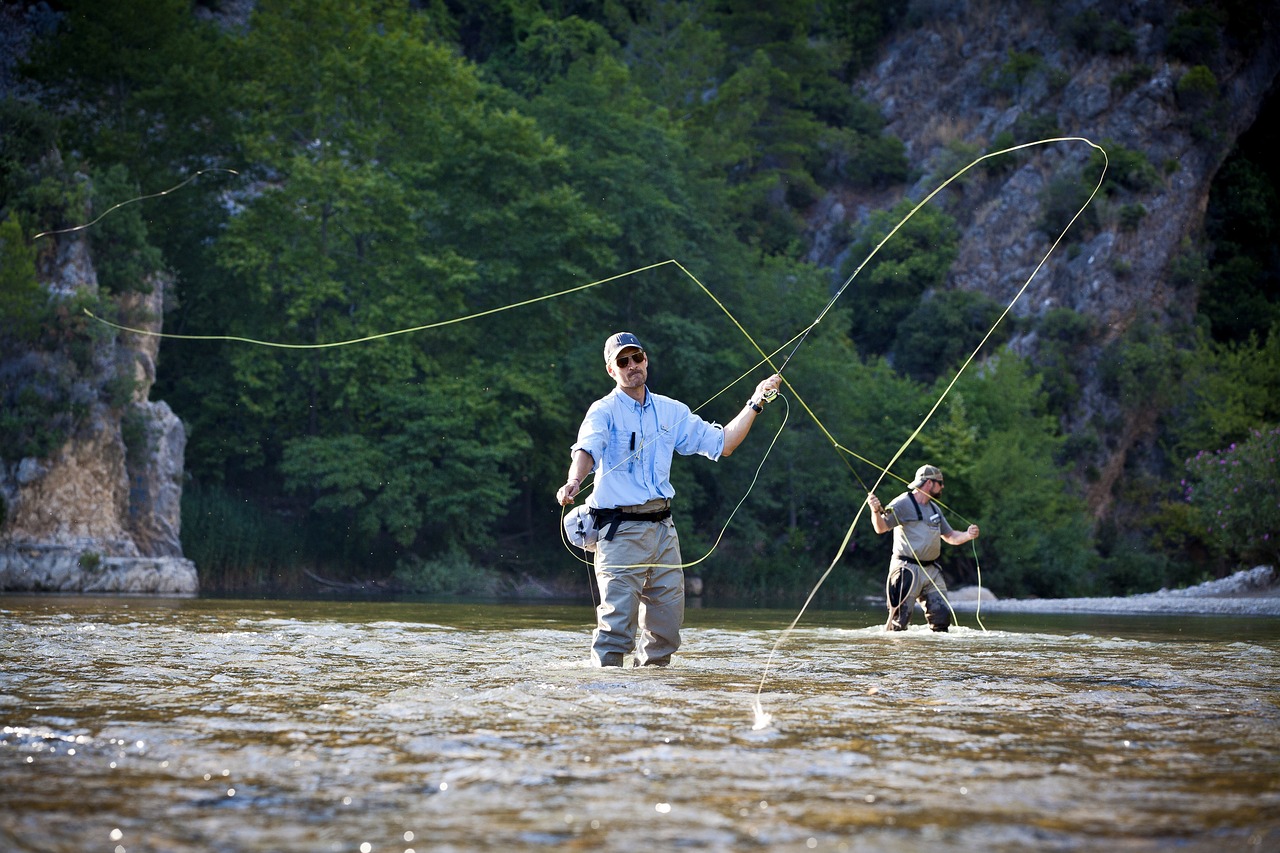
When the water feature stains or darkness, use bright colors such as chartreuse, pink, or orange. However, if the water is exceptionally clear, opt for colors like tan, olive, or a crab pattern that has a light weight. The goal is to mimic the colors of the prey that the tarpon typically eat in the area.
Using a perfect color can sometimes render the bait to be ignored by the tarpon. Using slight imperfection to the bait can mimic the natural features of prey. This detail is easily ignored when buying or tying flies for chasing tarpon.
4. Fly Presentation Techniques
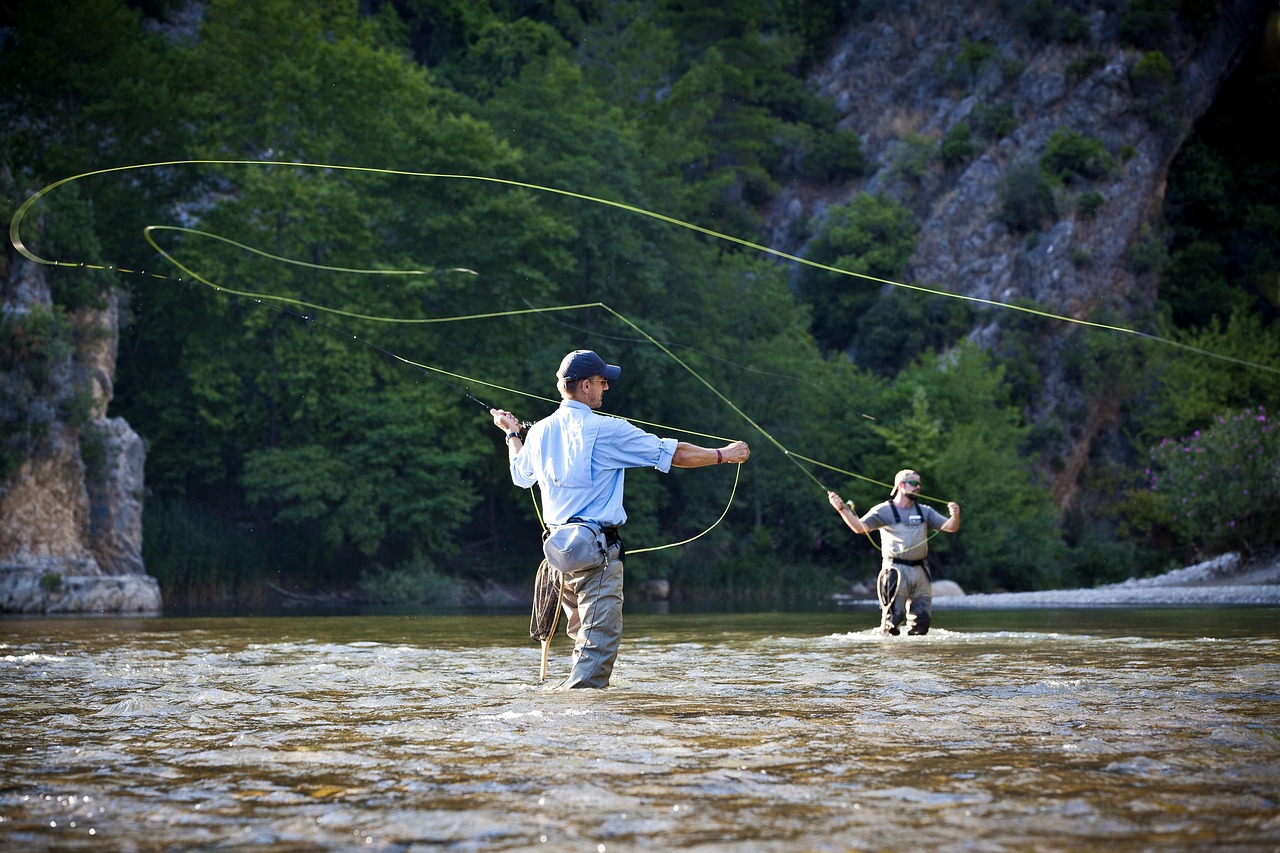
Once the tarpon has appeared, the presentation of the fly is the most important factor in securing a bite. Anglers rarely get a second chance to present the bait properly to the tarpon. The best anglers will place the bait ten to fifteen feet in front of the tarpon but slightly beyond the path of the fish.
Anglers often make the mistake of stripping the bait too fastly. Instead, use short and sharp strips to present the bait. The tarpon will take a few second to investigate the bait before deciding whether or not to eat the bait.
Moving the bait too fast will lose the interest of the tarpon. Allowing the bait to sink a few inches during a pause in reeling will trigger the tarpon to take the bait. The direction of the wind and the tide will determine where you cast and how you cast the flies.
5. Managing Tides and Depth
During the falling tide, tarpon will typically head away from the flats. Therefore, anglers should try to position themselves upwind to allow space for their backcast. In deeper water, using a fast-sinking line will make fishing easier.
However, when fishing in shallow flats, a floating line with a long leader will make fishing easier. Using a leader of twelve to fourteen feet of twenty-pound fluorocarbon will allow the fly to remain away from the noisy fly line. This keeps the tarpon from noticing the presence of the anglers.
6. Fighting a Tarpon
Fighting a tarpon requires patience rather than brute force. When fighting a tarpon, the fish will jump and make runs for distance. However, anglers should use the flex of the rod and the drag of the reel to tire the tarpon out.
Many anglers make the mistake of using too much tension at the beginning of the fight. When fighting a tarpon, the drag should only be tight enough to allow for the line to come off the reel when the angler pull on the line. If the tarpon jumps, drop the tip of the rod immediately.
This will allow for the leader to remain connected to the tarpon instead of snapping due to the jump of the tarpon. Hook sets on a tarpon should be deliberate and delayed. The mouth of a tarpon feature a bony plate that prevents trout-style strip sets from being effective.
7. Hook Sets and Gear
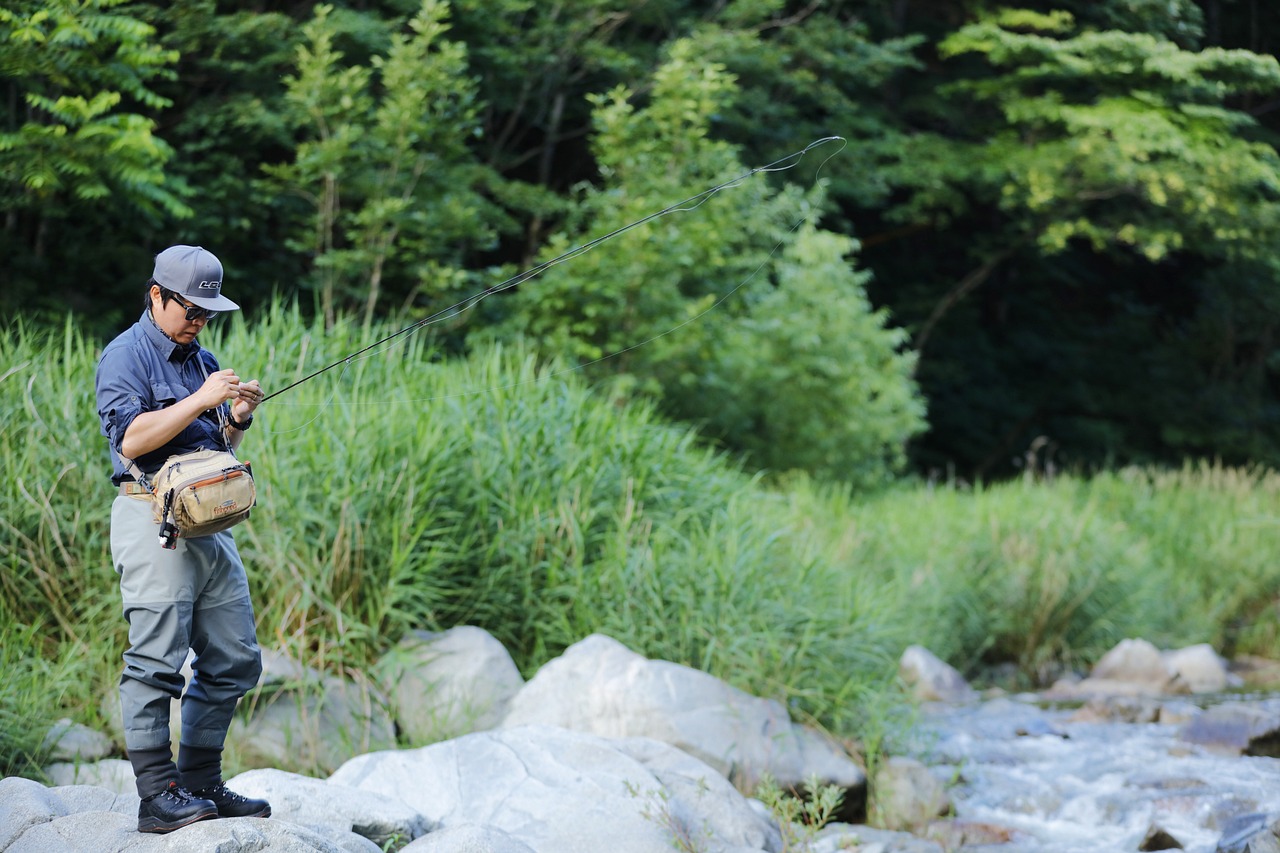
Instead, wait for the tarpon to land the bait. Once you feel the weight of the tarpon on the line, apply force to the hook to ensure that it lands in the mouth of the tarpon. Many experienced anglers will perform a short and powerful double haul to help set the hook past the bony plate of the tarpons mouth.
Using a circle hook or a short-shank hook with a wide gap will make the catch more successful. The small change in the material of the hook has turned many close opportunity to land the tarpon into successful hookups. The positioning of your boat as an angler can separate a good guide from a great one.
8. Boat Positioning and Stealth
Try to keep the sun behind your back so that you can spot the fish before they spot you. Using polarized glasses with copper or amber lens will allow the angler to spot the fish in the flats without being blinded by the sunlight. Do not make any loud noises on the boat or with your fishing gear.
Tarpon have excellent hearing and lateral lines to detect humans when they are moving with the push pole or dropping their cooler into the flats. One loud noise will alert the tarpon and the fish will vanish from view. The best anglers act as if the flats are a library; they move slowly, speak softly, and minimize the use of false casts until they must present their bait to the fish.
9. Leaders and Terminal Tackle

Most anglers easily ignore leaders and terminal tackle. However, a straight length of sixty-pound fluorocarbon will hold in most situations. However, when large tarpon is migrating through the area, eighty-pound or one hundred-pound line will offer better results.
Ensure that the connection between the fly and the fishing line is smooth. A slim beauty or perfection loop will allow the line to slide through the guides while the tarpon makes long runs for distance. If you are targeting tarpon that weigh over one hundred pounds, add a six-inch section of heavy bite tippet.
This protects the line from the rough mouth of the tarpon but does not ruin the action of the fly. This additional section of line is an insurance policy that work many times out of the hundreds of fish that these anglers target. One can improve the odds of catching a tarpon by fishing during the phases of the moon.
10. Moon Phases and Feeding Habits
During a full and new moon, the tides is strong enough to bring shrimp and baitfish into the flats. The presence of these prey fish will attract the tarpon into the flats to feed. Serious anglers will plan their fishing trip around these phases of the moon.
The payoff of fishing during these phases is worth the effort of planning the trip around these times. During the period of the tidal peak, there will be more fish in the flats and they will be more aggressive towards the bait. During slower tides, the tarpon may not be very active in the flats.
By understanding the habits of the tarpon during these phases of the moon, anglers will understand how to fish in the flats in a smart way instead of just applying effort to the fishing. Before you go on the water in a boat to fish for tarpon, practice your casting technique. When pursuing tarpon, you will have to make accurate casts at a distance of seventy feet or more into the wind.
11. Casting Practice
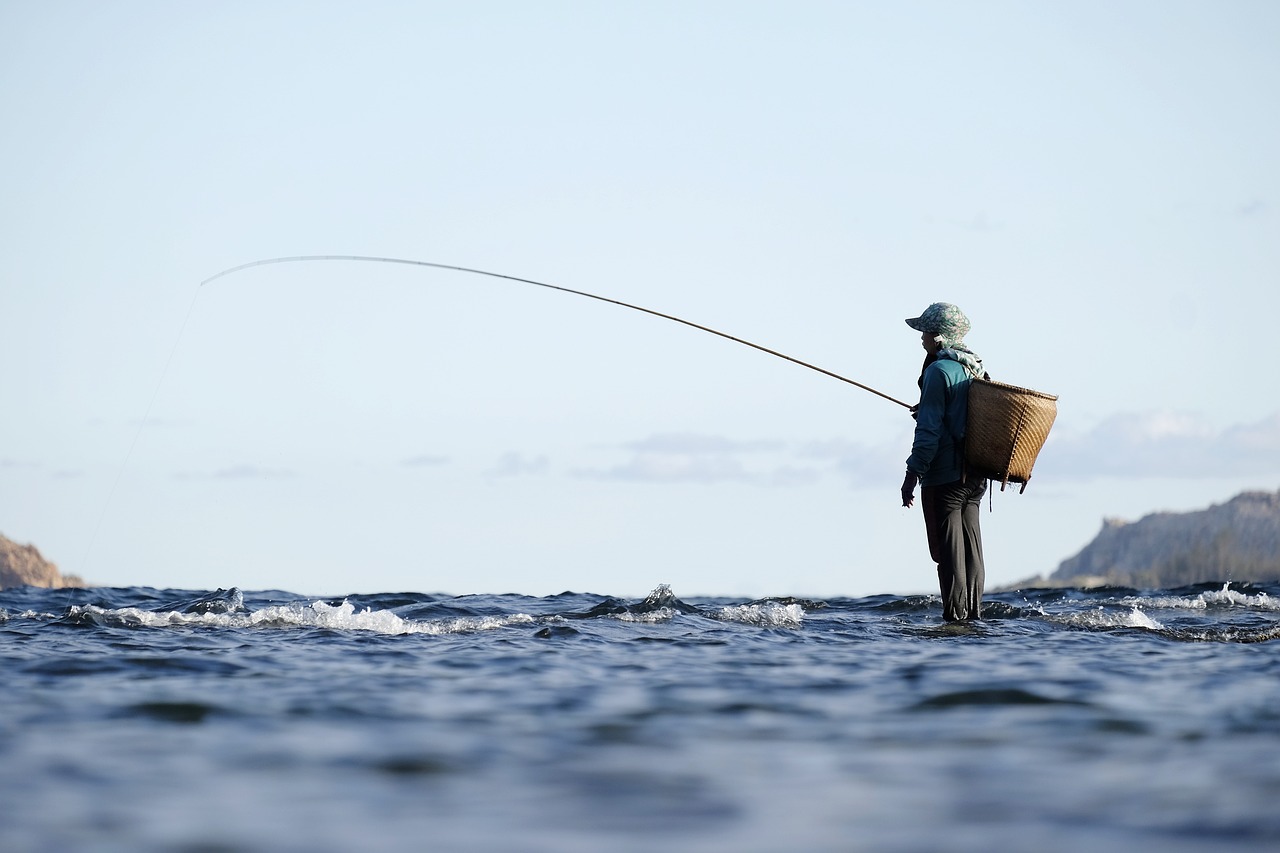
Practice your double haul to make it an automatic motion when pursuing the tarpon. Practice shooting the line when you cast both backwards and forwards to quickly adjust the distance of the cast without making false casts into the fish. A few afternoons of practicing your casting skills on the flats with a practice rod will eliminate the embarassment of watching a hundred-pound tarpon glide past where you were fishing.
There are a few detail that the anglers who pursue tarpon must respect. The species of the tarpon are too smart and too powerful to permit any type of sloppiness in the fishing techniques applied to the fish. However, when an angler manages to successfully land a silver king of the flats, they will understand the many reasons that anglers continue to pursue this type of fishing experience.
It is not just about catching the tarpon but also about earning every single fish that they do catch.