
Redfish are a valuable fish species and live in the shallow flats. Redfish live in grass bed and in mangrove areas. When a redfish take the line the fish will make a thumping movement with its tail that the angler feels in there arm and chest.
This movement is the reason that many anglers choose to use a fly rod to catch redfish instead of using bait or conventional tackle. Redfish are a strong fish species, they are smart fish and they dont appreciate sloppy fishing techniques. If you perform the presentation correctly, you will remember the fight between you and the redfish long after the tide has changed.
Fishing for redfish on the flats does not happen due to luck. Instead, success occurs due to a few specific habits and decisions by those who successfully catch the redfish. These specific habit will separate the anglers who have success in their efforts to land these fish from the anglers who never seem to find success fishing for redfish.
The following tips will be the most important fishing tips to utilize when you are on the boat with your fly rod in your hand.
Essential Tips For Successful Redfish Fishing
1. Spotting Redfish Before They See You
First, you must be able to see the redfish before the redfish see you. Due to the positioning of the redfish eyes, the redfish can scan its surroundings for danger from overhead and from the side.
Therefore, your first priority should be to spot the redfish from a distance. Look for shadow moving across the sand flats, look for the flash of a fish tail when it is flipping over in the grass or look for the subtle movement of the redfish through the flats. Utilize polarized sunglasses which will cut the glare from the water’s surface allowing the invisible redfish to become visible to you.
If you do not use these sunglasses you will be blind to the presence of the redfish. The best angler will use their peripheral vision to spot the redfish and they will never look at one spot in particular. Instead, they will scan from left to right with their peripheral vision.
When they spot a redfish they will take a few extra second to get a good reading on the redfish. They must observe the direction that the redfish is moving and the redfish mood. A redfish that is cruising without being spooked will continue to move in a straight line.
2. Proper Boat Positioning
Second, properly position yourself in the boat. Redfish do not appreciate noise or vibration. Therefore, you should pole your skiff with soft pushes with your feet so as not to startle the redfish.
Do not shove your skiff with your feet when you are positioning yourself in the boat. If you have to wade into the flats to position yourself properly, do so in a manner that will not make a sleeping baby awake. Every footfall you make will create a vibration that the redfish will feel.
3. Ideal Casting Distance
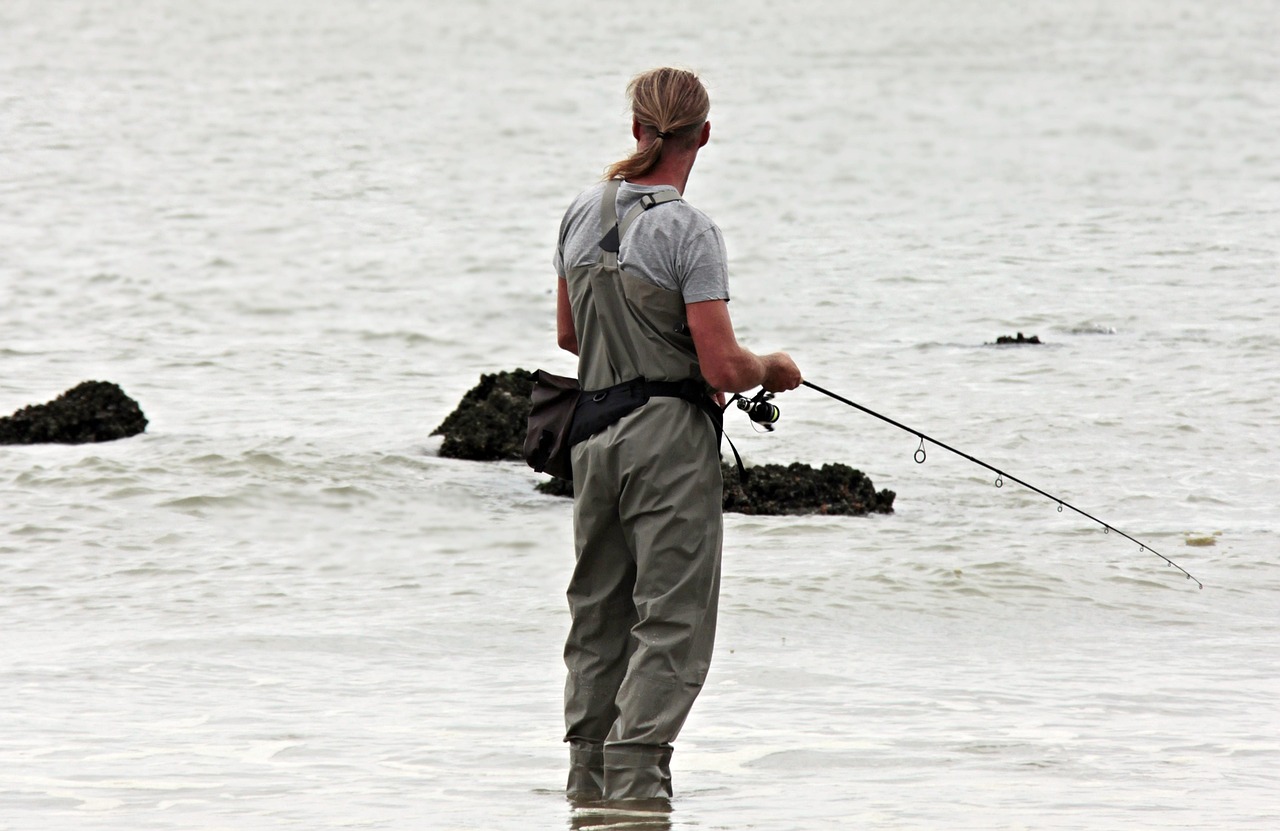
Third, the ideal distance to cast your fly is between forty and sixty feet. If you cast too close to the redfish your shadow may scare the fish. If you cast too far your accuracy will suffer if the day is particularly windy out at the flats.
Practice casting your line at that specific distance until it becomes automatic with your arm. This will allow you to properly target the redfish when they eventually shows themselves.
4. Matching Bait Color to Forage
Fourth, ensure that the color of your bait matches that of the forage diet of the redfish. Redfish are not picky with the prey they eat, but they can spot incorrect colors in the bait that you use to attract them. The majority of the forage in the flats includes shrimp and crabs. Use a shrimp pattern bait instead of the generic baitfish fly.
5. Using Natural Colors and Sizes
Fifth, color is less important when fishing for redfish. However, certain colors will elicit a strike from the redfish. Use colors such as tan, olive and root beer which will blend with the flats. Incorporate element of chartreuse or hot pink tails which will not look unnatural to the redfish. Use a shrimp imitation that is two inches in length as this is the size of the forage in the flats. If the size of your imitation shrimp is much larger than two inches the redfish will not believe you.
6. Correct Retrieve Technique
Sixth, using the correct retrieve will allow you to succeed in your efforts to land the redfish on your fly rod. Redfish will not chase fast moving prey like trout will. Instead, redfish will be attracted to prey that appears to be injured or perhaps becoming confused. Use a series of short strips of the fly followed by a pause in your retrieve. This action will trigger a strike from the redfish as it mimic the movement of a fleeing shrimp. Ensure that you watch the redfish while you are performing the retrieve. If the redfish turns and starts to follow your fly but does not take the bait you should either slow down your retrieve or allow the fly to settle. The strike may occur during this pause in your retrieve as the redfish decide that the prey is getting away. In this instance, the redfish will exhibit hesitation in its chase for your bait. If you rip the line away from your rod when the redfish exhibits this hesitation you will scare the redfish away from you.
7. Casting Accuracy and Placement
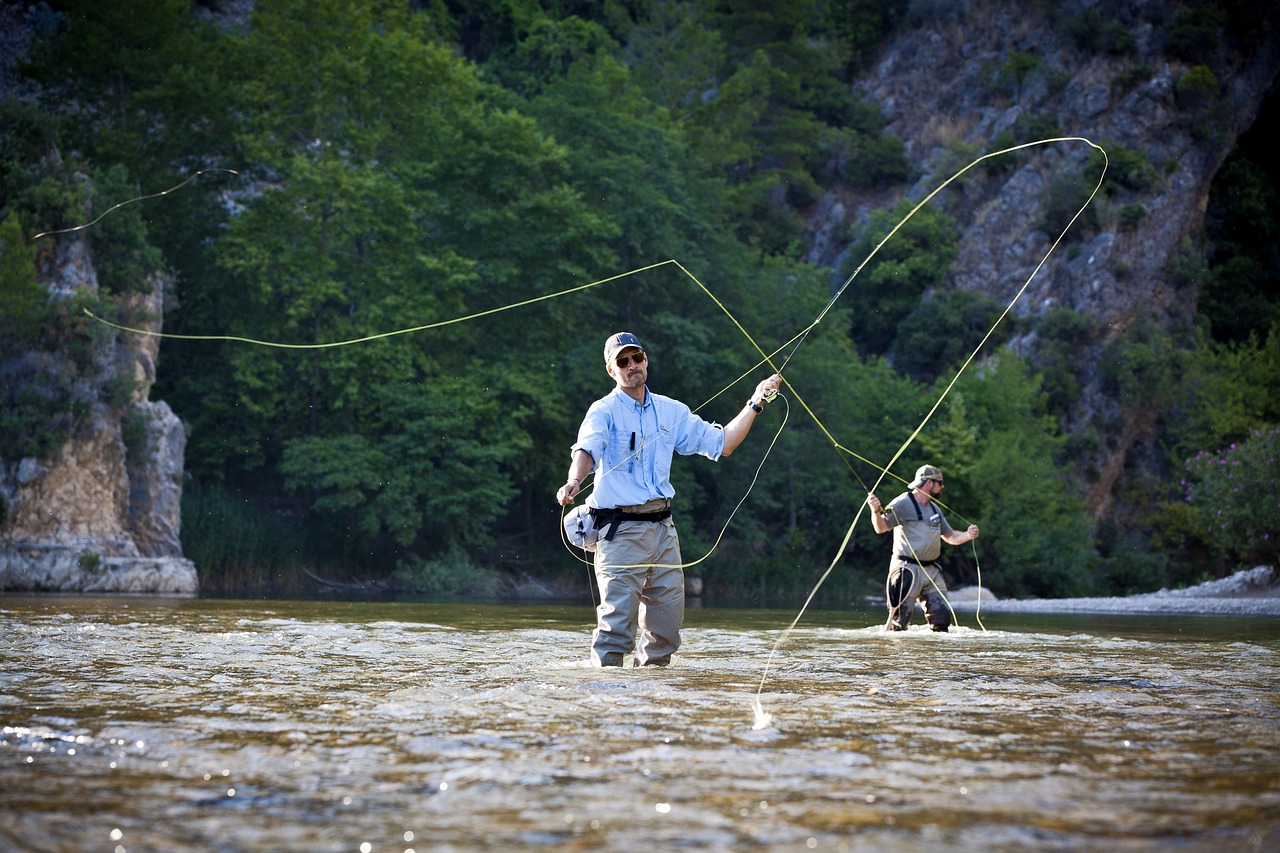
Accuracy in the casting of your line is the most important factor when fishing for redfish. A fly that lands two feet to the left of the redfish is not going to be eaten by the redfish any more than a fly that lands a mile away. Redfish have a particular zone in which they feel comfortable. If you drop your line too close to the redfish they will bolt. If you land your line too far from the redfish they will not see it. The best line to land your fly is usually between ten and fifteen feet in front of the nose of the redfish and to the side of the redfish that it is traveling on the flats. Accuracy can be trained by practicing casting into targets in your yard that are the size of a dinner plate. Lay the targets at forty feet from where you will fish on the flats. Force yourself to consistently hit these target when you are in your yard. Accuracy that you train in your yard will allow you to properly land your line on the redfish when you are on the flats.
8. Adapting to Wind Conditions
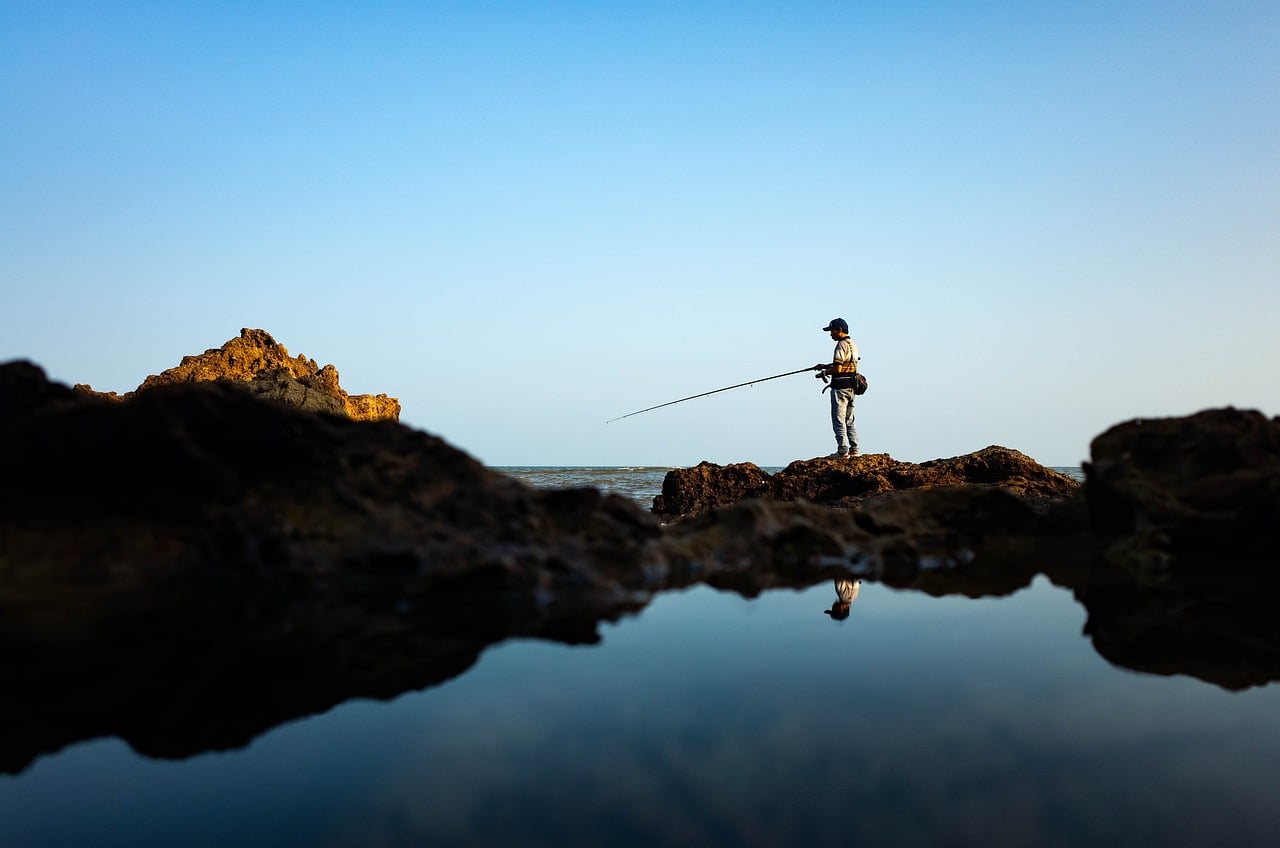
The wind is a constant on the coast. Therefore, you should learn to cast in the wind instead of against the wind. Cast into the wind so that the wind does not blow your line too far from the redfish. Or, cast into the opposite shoulder of the wind if possible. Use a sidearm cast so that the wind does not blow the line. Use a heavy crab pattern bait so that it will turn over in the wind instead of a light shrimp fly that may fold up in the wind. On some days, the wind will win over the redfish. On those particular mornings you can switch to an eight weight fly rod instead of a seven weight rod. You can also fish on the lee sides of the island which will be calmer in the mornings than the open flats of the coast. By adapting to the conditions of the day you will be able to catch more fish and not get frustrated when you are fishing for redfish.
9. Timing Your Trip with the Tide
You can double the chances of catching redfish if you time your trip appropriately. Redfish will be on the flats when the tide is rising and will be actively feeding on the flats as the tide floods the grass flats. The first two hours of the incoming tide will be the most productive for landing redfish. After the tide has fallen the redfish will move to deeper channels and potholes in the flats making them more difficult to catch with a fly rod. If you know the particular spot in which you are to fish for redfish you can predict where the redfish will be staging. Some flats will have the most redfish when the water is high and falling instead of when it is rising. Other flats will only have the most redfish when the incoming tide floods the flats with water. Learn which flats have the most redfish and during which tide movement these fish are active. This information will allow you to focus on the flats with the most fish instead of wasting your time wading into flats with no redfish.
10. Fighting and Landing the Fish
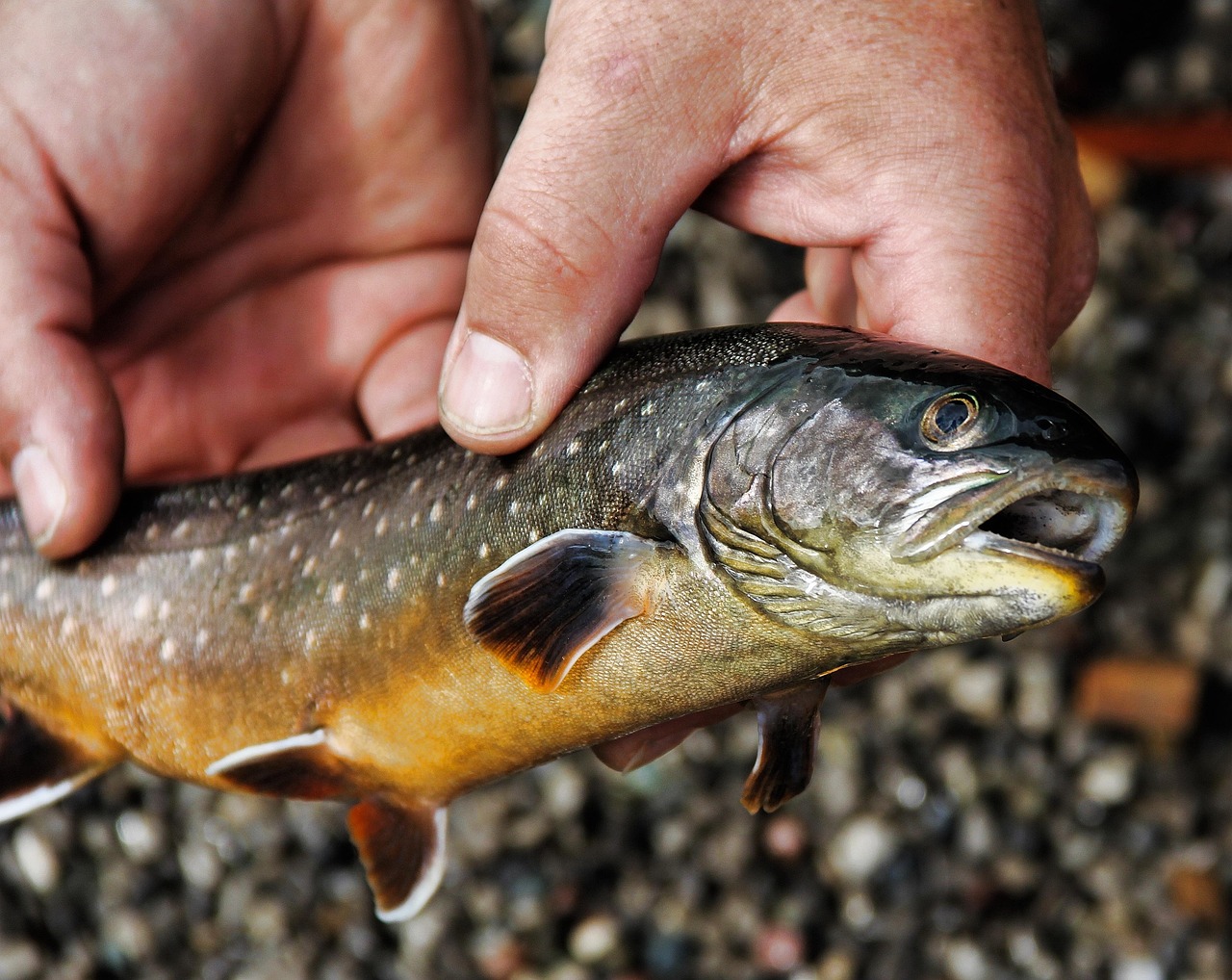
Fighting the redfish requires both science and art. When fighting a redfish you should keep the tip of your fly rod low and to the side of the redfish to place maximum pressure onto the fish. Do not use the drag on the reel at the beginning of the fight with the redfish to avoid scaring the redfish. Use the drag of the reel to fight the redfish while still allowing the redfish to feel the pressure on its body. Do not fight the redfish in such a manner that the redfish begins to panic and begin to fight against mangrove roots. Redfish like to travel to areas of structure in the flats. Therefore, do not turn the head of the redfish as this will force the redfish to travel to the center of the flats instead of remaining in the open water. When the redfish becomes tired of the fight and begins to travel alongside the boat or within reaching distance of the angler you should not reach for the redfish to place it into the boat yet. A green redfish may make a last run for the boat.
Wait until the redfish is finished fighting and then tail the redfish firmly. Use the grip on the tail behind the redfish to have control of the fish without harming it. You can take a picture of the redfish and you can even measure the redfish. Once you have the information that you need about the size of the redfish you can gently release it back into the flats where it can fight another day. Each of these tips relate to the other tips in such a manner that they build upon one another creating a simple process that will allow you to land redfish. Each detail is critical to the success of the process.
You can follow this process as many times as you like. With each passing trip fishing for redfish with a fly rod you will find yourself a little smarter, a little quieter and a little more precise in your efforts to land the fish that the redfish have been awaiting for years. This quiet satisfaction that you will find when you land redfish successfully will motivate you to return to the flats to fight another day.