

The waters of Hawaii is a shark highway. This highway passes through some of the most popular beaches in the world. Thousands of people swim, surf, and snorkel in the waters of the Hawaiian islands each year.
These water adventurers do not typically realize how many different kinds of shark pass by them each year. There are so many different kind of sharks in these Hawaiian waters. Some of these species of sharks spend most of their lives resting on the ocean floor.
Other species of sharks live in the open ocean and can swim at speeds more faster than a tuna fish. Each species of shark have a specific role to play in the Hawaiian island ecosystem. Knowing the different kinds of sharks in these waters will change the way that individuals view the shadows under there surfboards.
Knowing these different kinds of sharks will also lower the level of fear that an individual feels when they are in the water in Hawaii. Most of the shark species that live in the Hawaiian islands are generally not interested in humans. However, there are a few exception to this generalization.
Learning the differences between the shark species that live in these Hawaiian islands will not only give individuals an appreciation for these predators but also allow them to enjoy the safety that the ocean floor has to offer to the humans who live on these islands. The following list describes each of the shark species that can be encountered in the Hawaiian islands and beyond. The reef whitetip shark is the first species of shark that most snorkelers encounter on their explorations of the reefs.
Common Shark Species Found in Hawaii
1. Reef Whitetip Shark
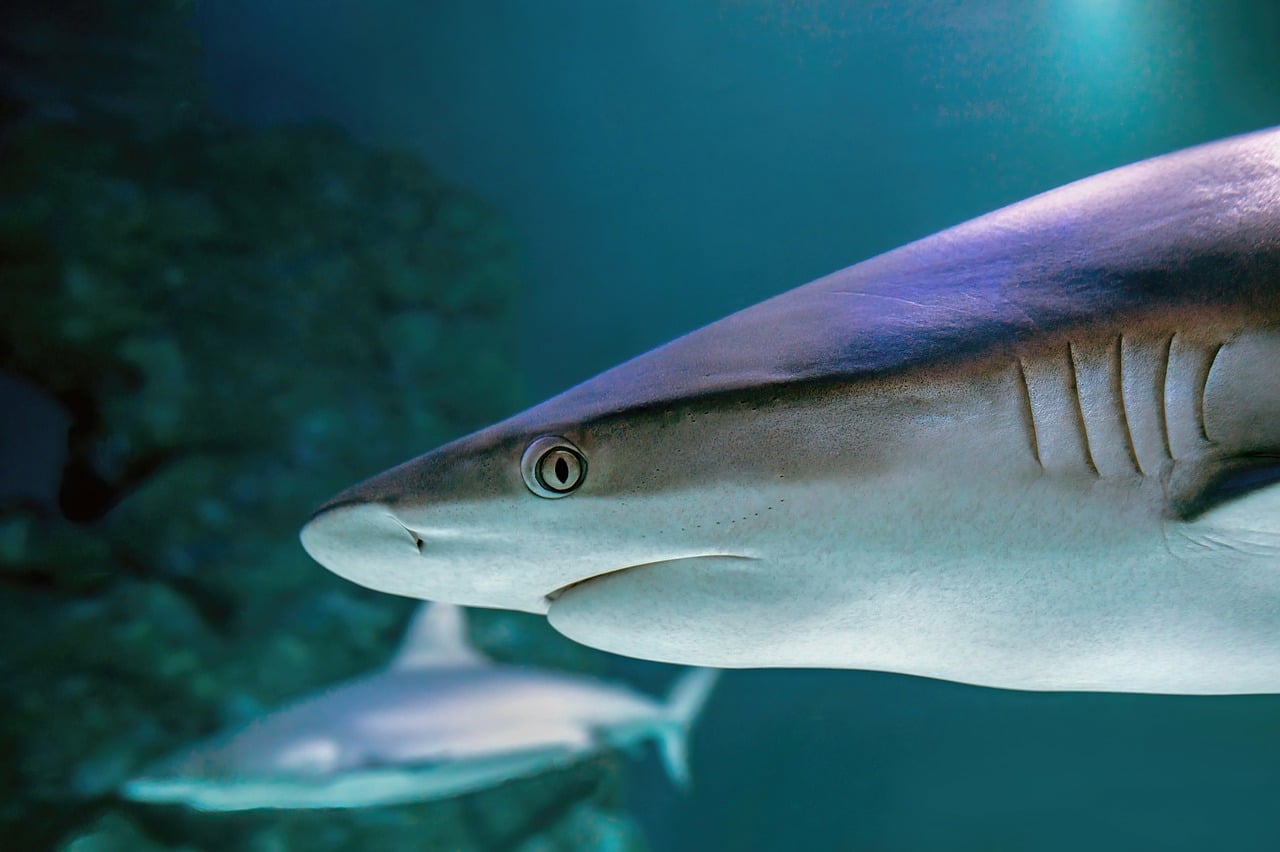
These sharks cruise the shallower area of the reefs at a leisurely pace. Their distinctive white-tipped dorsal fins add highlights to the reefs. Reef whitetip sharks rarely grow to a length of five feet.
These sharks hunt for food in the nighttime hours due to their excellent night vision. During the daytime hours they seek out caves in the reefs or ledges in the ocean floor where they often rest in a group. These sharks line up in a group so that those who visit the reefs can easily see and photograph them.
Reef whitetip sharks have slender bodies, and their cat-like eyes give them an somewhat elegant appearance. This is surprising to the newcomers to the reef. This species of shark is generally found in the same areas as the reef.
Therefore, the presence of reef whitetip sharks indicates that the reef ecosystem is healthy. Snorkelers may feel worried when they spot a reef whitetip shark. However, reef whitetip sharks will typically glide away from the snorkeler rather than investigate them.
However, it is best to avoid touching the reef where these sharks live. The blacktip shark is another species of shark that can be seen in the shallower waters of the Hawaiian islands. These sharks cruise the beaches and the ocean floor in areas that are only a few feet deep.
2. Blacktip Shark
The blacktips are easily spotted with their black-tipped fins. These sharks have a tendency to spin completely out of the water when they are chasing their prey fish. These species are often spotted near river mouths where the rivers floods after it has rained in these areas.
Blacktip sharks can grow to a length of six feet. These sharks are rather nervous and act more aggressive than most other shark species. However, most beaches, such Waikiki, have blacktip sharks that do not bite on humans.
The speed that these predators can reach is their main form of self-defense and hunting for food. However, blacktip sharks that spot mullet fish will display their speed to chase after the fish in these open waters. The scalloped hammerhead sharks have a distinct wide head that is flat and shaped like a boomerang.
3. Scalloped Hammerhead Shark
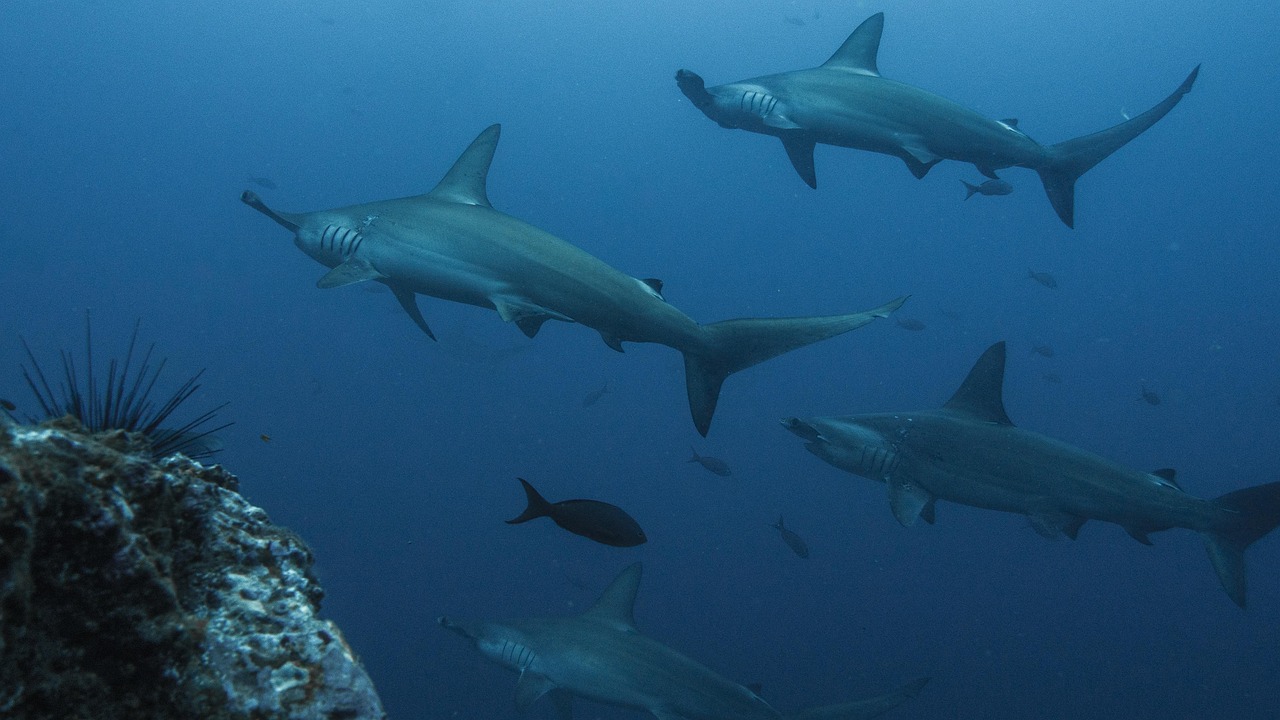
These sharks are often spotted in groups in the channels between the Hawaiian islands. Underwater divers that descend to depths of sixty or eighty feet will often find themselves surround by schools of these sharks. The unique shape of the scalloped hammerhead shark allows it to sense the electrical fields of stingrays that is hiding in the ocean floor.
This unique trait is not used for showmanship but for survival. The scalloped hammerhead shark is not a mindless killer but a predator that ensures the survival of its ecosystem by precisely finding its meals. The presence of these shark species in large numbers also indicates that the ocean floor and the reefs are healthy and clean of polluted water.
The schools of scalloped hammerhead sharks look like a group of submarines cruising under the ocean floor. The tiger shark is a species of shark that has earned the respect of those who live in the Hawaiian islands. The tiger shark is a giant species that can grow to reach lengths of eighteen feet and weigh over one thousand pound.
4. Tiger Shark
The tiger shark has a graceful appearance when it swims through the ocean waters. When the tiger sharks are young they have stripes on their bodies that are dark like the color of the night. However, as these sharks mature these stripes dissapears as they age.
The tiger shark species that live in Hawaii are well known for their willingness to investigate the objects of the ocean. It is this curiosity that makes them responsible for the majority of shark attacks that occur in the Hawaiian islands. However, their role as predators of marine mammals and sea turtles is essential for the survival of the oceans as the sickly animals that they eat are removed from the ecosystem.
These species of tiger shark prefer the deeper part of the ocean during the day. However, they do move to the reefs in the nighttime. When the locals talk about going tiger shark they mean that they are heading to the ocean at dusk when the tiger sharks are active.
It is best for humans to have respect for the power of these predators. One of the most travel species of sharks lives in the open ocean beyond the reefs of the Hawaiian islands. The oceanic whitetip shark is not often spotted near the beaches.
5. Oceanic Whitetip Shark
However, it does occasionally wander near the drop-offs in the ocean floor. These sharks have the distinctive long pectoral fins and the white-tipped dorsal fin that allow them to look as if they are dressed for a formal event. These sharks are curious about their surroundings and insensible to fear.
These personality traits have given these species of shark a fearsome reputation over the survivors of the shipwrecks of the past centuries. While snorkeling or diving in the Hawaiian islands long-range fishermen or scuba divers who do drift dives along the continental slope of the ocean floor may spot the oceanic whitetip shark. These species of sharks do not seek out the reefs or the beaches of Hawaii.
Most of the tourists visiting the Hawaiian islands will never encounter these species of sharks. The solitary nature of the oceanic whitetip shark and its preference for the deep blue waters of the ocean keeps these predators out of sight from the humans of the islands. However, anyone who ventures out into the open ocean will tell you of the unforgettable sight of an oceanic whitetip shark that circles their boat.
Sandbar sharks, also known as brown sharks, will be found in certain harbors of the Hawaiian islands. These sharks prefer to live on ocean floors that have soft muddy bottoms where they can hunt for crabs and other small fish. These species have tall triangular dorsal fins.
6. Sandbar Shark
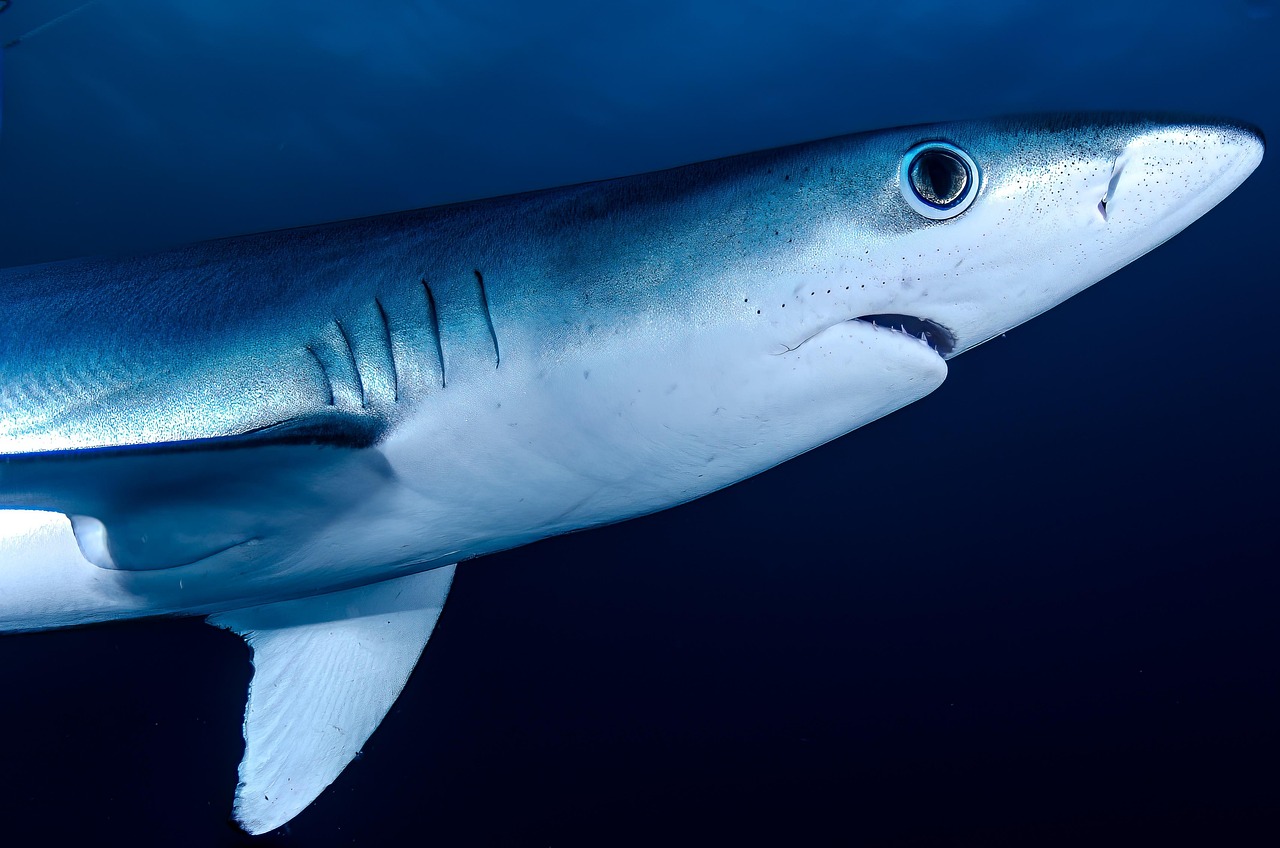
Their bodies have a coloration of dusty bronze that allows them to blend in with the ocean floor where they hunt. Sandbar sharks are the most common species of large shark in Hawaii. However, the sandbar sharks do not bother humans.
However, these sharks give birth to their pups in shallow areas of the ocean floor during the summer months. These areas are only waist deep in the water. Thus, it is not uncommon to spot smaller sandbar sharks who play in the shallows.
These sharks are the favorite species of researchers in the area due to their relatively sedentary behavior. The Galapagos shark is another species of shark in the Hawaiian islands that looks somewhat like a dusky shark species. However, the Galapagos shark possesses a subtle metallic sheen to its body and its fins has a slightly different shape than the dusky shark.
7. Galapagos Shark
These species of shark are seen in the deep waters around the seamounts that surround the main Hawaiian islands. The divers who visit locations like the walls of the island of Molokai will encounter these sharks as they patrol the ocean floor into depths of thousands of feet. While the Galapagos shark is bold in their approach to the humans who visit the ocean floor, these predators are not reckless in their behavior.
These sharks are known to approach divers to investigate the reason for their bubbles. The reason that the Galapagos shark is so curious about the divers who live in the area is that these sharks have little exposure to humans. They are not as familiar with humans as the sharks that live along the coast of the islands.
However, the sharks are not man-eaters as some may surmise from their bold behavior. These large predators know their role in the environment and do what other large predators do throughout the vast oceans of the planet. The nurse shark is one of the most docile species of shark that can be found in the waters of Hawaii.
8. Nurse Shark
The nurse shark is a creature that acts like a couch potato most of the time. These species of shark rest on the ocean floor and use their barbels to snuff out their prey. They have crushing teeth that are perfect for eating sea urchins and other spiny sea creatures.
The skin of the nurse shark is coarse like sandpaper. Their bodies are thick and muscular. Nurse sharks like to rest in the same crevice on the ocean floor where they can sleep through the daytime.
However, they wake up and begin to cruise the ocean floor in the nighttime hours. Snorkelers who do not notice the nurse sharks while they cruise the ocean floor typically spot these sharks. The nurse sharks are sleeping through the daytime.
Thus, they are not aggressive toward humans. However, while they are awake, these animals may exhibit an aggressive bite if they feel trapped or if they are stepped on. Thus, when spotted, it is best to look at the nurse shark but not to touch it.
Each of these species of sharks have survived for millions of years due to their specific role within the ecosystem of the Hawaiian islands. The reef whitetip shark is in charge of keeping the octopus populations in check during the nighttime hours. The tiger shark species cleans up the ecosystem of the marine mammals and sea turtles that are not well.
The unusual head of the hammerhead shark allows it to find stingrays that lie in the ocean floor. None of these species of shark ever wake up with thoughts of eating human flesh. However, by gaining an understanding of the different species of sharks that live in the waters of Hawaii, the perspective that the tourists have of the ocean changes.
Where they used to see the water as a place of adventure with a threat of the unknown, they come to appreciate the engineering of these predators and their dedication to their ecosystem. When humans go into the water or go surfing, they have a different awareness of the ocean. They know that they are temporary visitors to a kingdom that belongs to the sharks of the Hawaiian islands.
They have to act with calm, they have to remain aware of their surroundings, and they must allow the other predators of the ocean to do what they have always done. The ocean floor of Hawaii seems much bigger and much more interesting to the tourists who have learned of the different predators of the sea.