
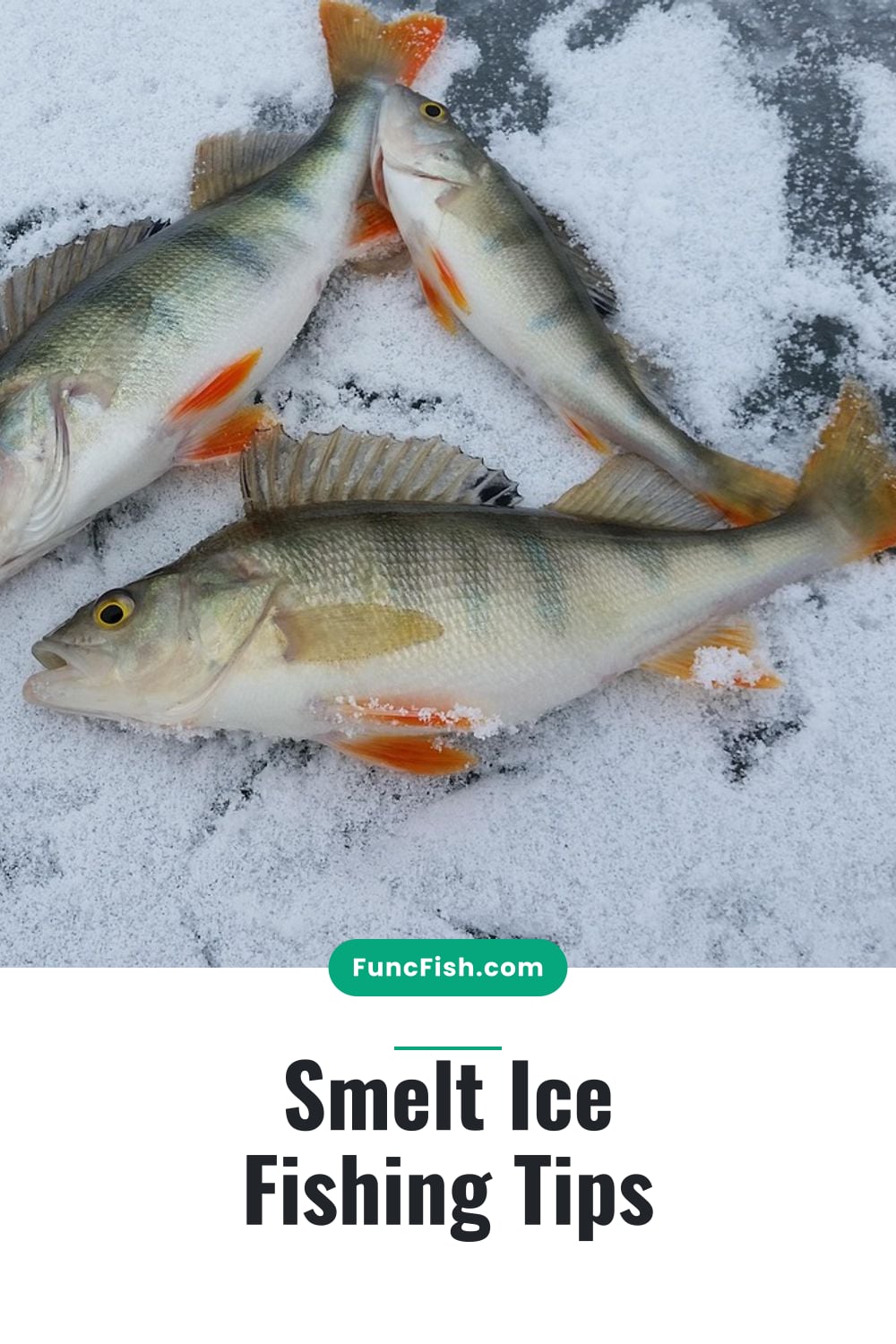
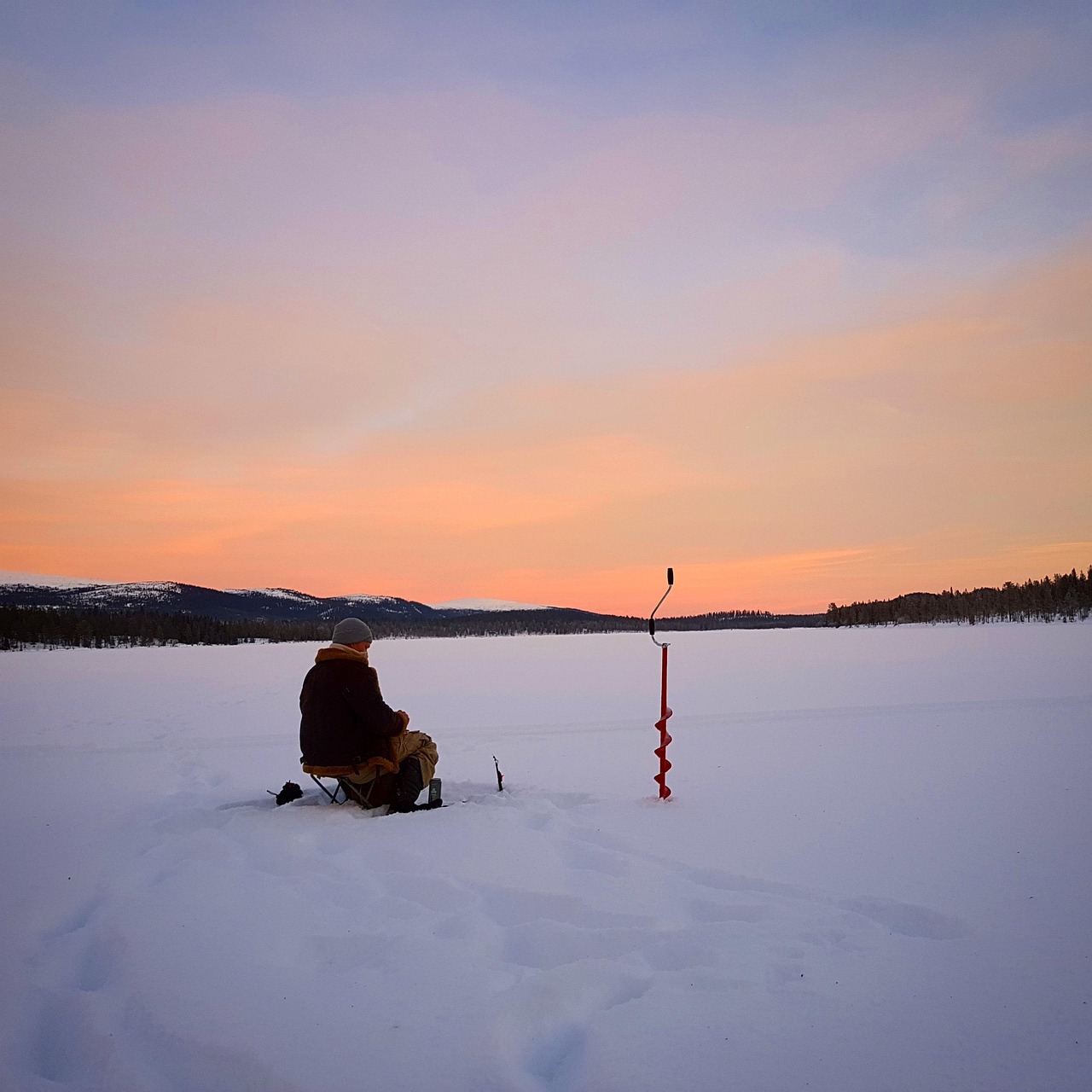
The wind blows across the frozen lake. The wind is cold. Your breath becomes visible in the air as you lean over one of the holes in the ice.
School after school of smelt pass beneath the ice. Each time the smelt bite at the bait you place into the ice, it is in rapid succession. Smelt ice fishing offer various forms of rewards to those who show up prepared for the adventure.
Smelt ice fishing is an inexpensive past time that people can enjoy with friends and it is often productive once individuals understand the techniques required to catch the smelt. Smelt fish are small and silvery in color, but their flesh is good to eat if prepared in the correct fashion (fried until they are crisp). However, getting the smelt to bite on your bait is a difficult task.
Thus, the approach that you use is more important than the quality of the fishing equipment you use to catch the smelt. The following tips are the details that separate those anglers who come home with their limit of smelt fish before lunch from those that come home with an empty bucket of fish at the end of the day. These details are the reasons that the smelt will move into your hole rather than the hole that another angler.
Thus, you must pay attention to these details because there is very little margin for error in the world of smelt fishing.
Essential Tips for Successful Smelt Ice Fishing
1. Optimal Hole Depth and Placement
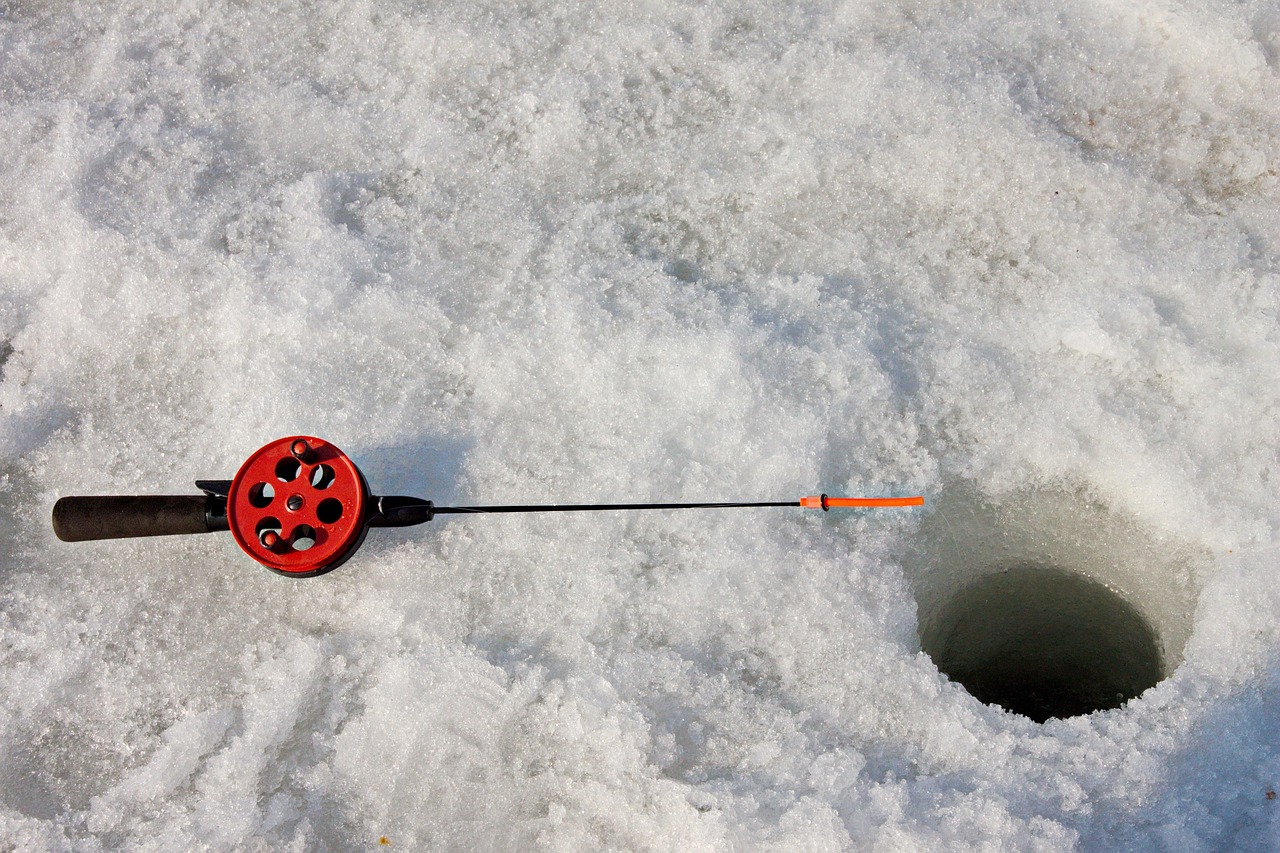
One of the first details to pay attention to is the depth of the hole. Smelt never swim more than a few feet above the bottom of the lake.
In many of the lakes in the north, the angler needs to drill the depth of the smelt holes to twenty-five or thirty feet and the anglers then need to fish eight to twelve inches above the lake mud. Any depth dropped by the angler with their fishing lure will miss the smelt entirely since the fish will never swim above the bottom of the lake in search of their prey of tiny shrimp and insect larvae. Once the angler finds the depth of the smelt school, he or she should drill a few different holes within ten feet of each other.
This will enable the angler to move quick to a different hole in case that the smelt school moves to a different location altogether. The other detail that should be paid attention to is in the fishing equipment.
2. Essential Fishing Equipment
Because smelt have very delicate eating mouths and do not have much stamina in fighting with fishing equipment, an ultralight ice fishing rod of twenty-four inches in length and two-pound test monofilament line should be used by the angler.
Any heavier fishing rod will ruin the angler’s chances of success with the smelt because the fish will not be able to be hooked without injuring them. Additionally, small jigs with a single maggot or waxworm dangling from the end of the fishing lure will allow the smelt to be caught because the fish will find it natural looking bait. The use of electronic devices while anglers are catching smelt is another detail that anglers should pay to.
3. Using a Flasher Device
For example, using a flasher will tell the angler where the smelt are staying in relation to the bait that is being used in the hole. Without such a device, anglers will not know where the smelt are. Setting the flasher to a narrow beam and watching for a thin green line that hovers one or two feet above the lake floor will show the angler when the smelt are moving upward toward the angler’s bait.
Using the flasher can be the single biggest improvement in the success rate of smelt ice fishing. Another detail is the time of day that the fishing trip will occur. Smelt tend to be most active between the hours of sunset and two hours after sunset.
4. Best Time of Day to Fish
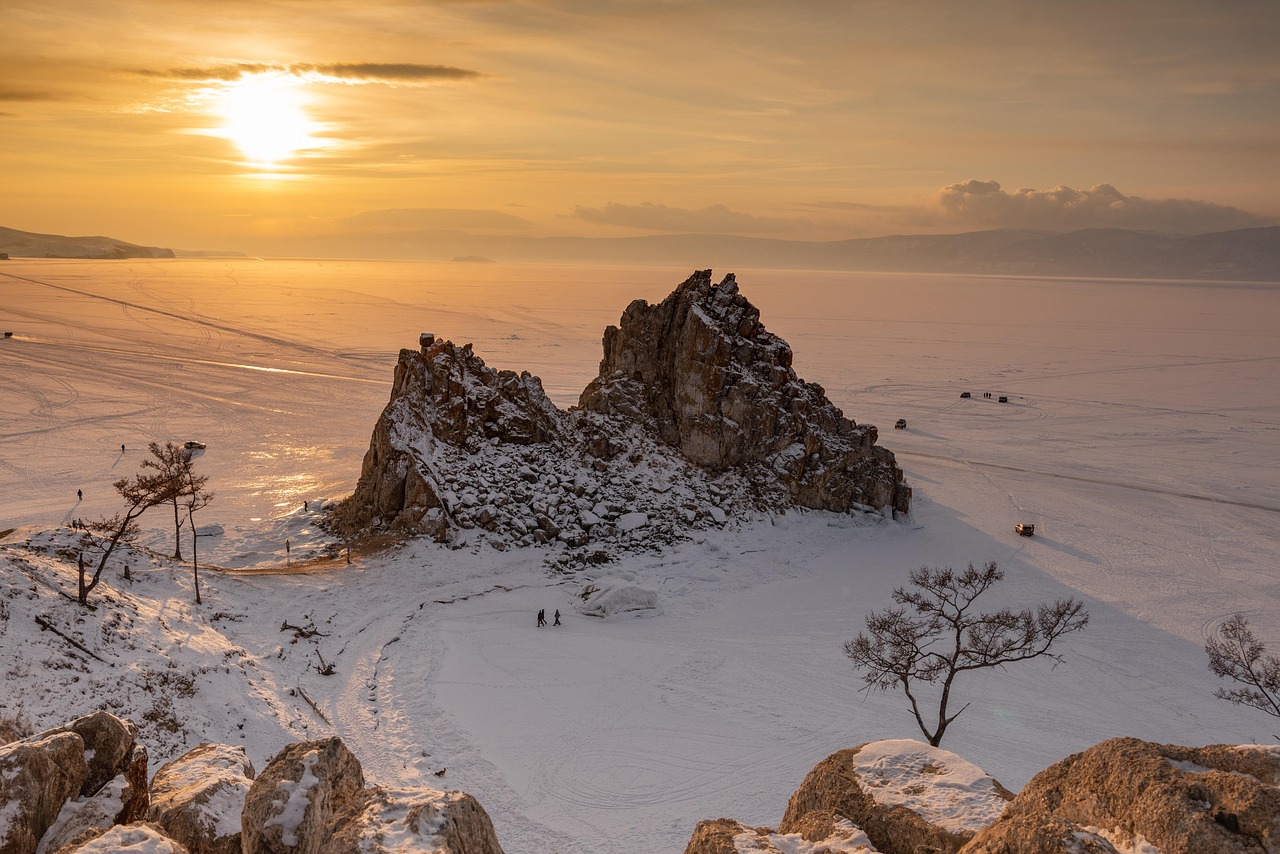
The smelt will be active during these hours because there eyesight is not very good during periods of low light in the sky and they have a feeding frenzy during these hours for their prey of plankton. Therefore, if anglers have limited time to fish for smelt then they should fish during the last hour of sunlight. Smelt can go from not biting on the fishing bait to biting every few seconds.
Early mornings can also be good hours for smelt activity, but the activity is usually not as strong as it is during the sunset hours. Additionally, anglers should prepare snacks and hot drinks in advance so that anglers will not be struggling to find a thermos of hot drink while trying to land smelt fish. Another detail is the type of bait that should be used in the holes and how often that bait should be changed.
5. Effective Bait Selection
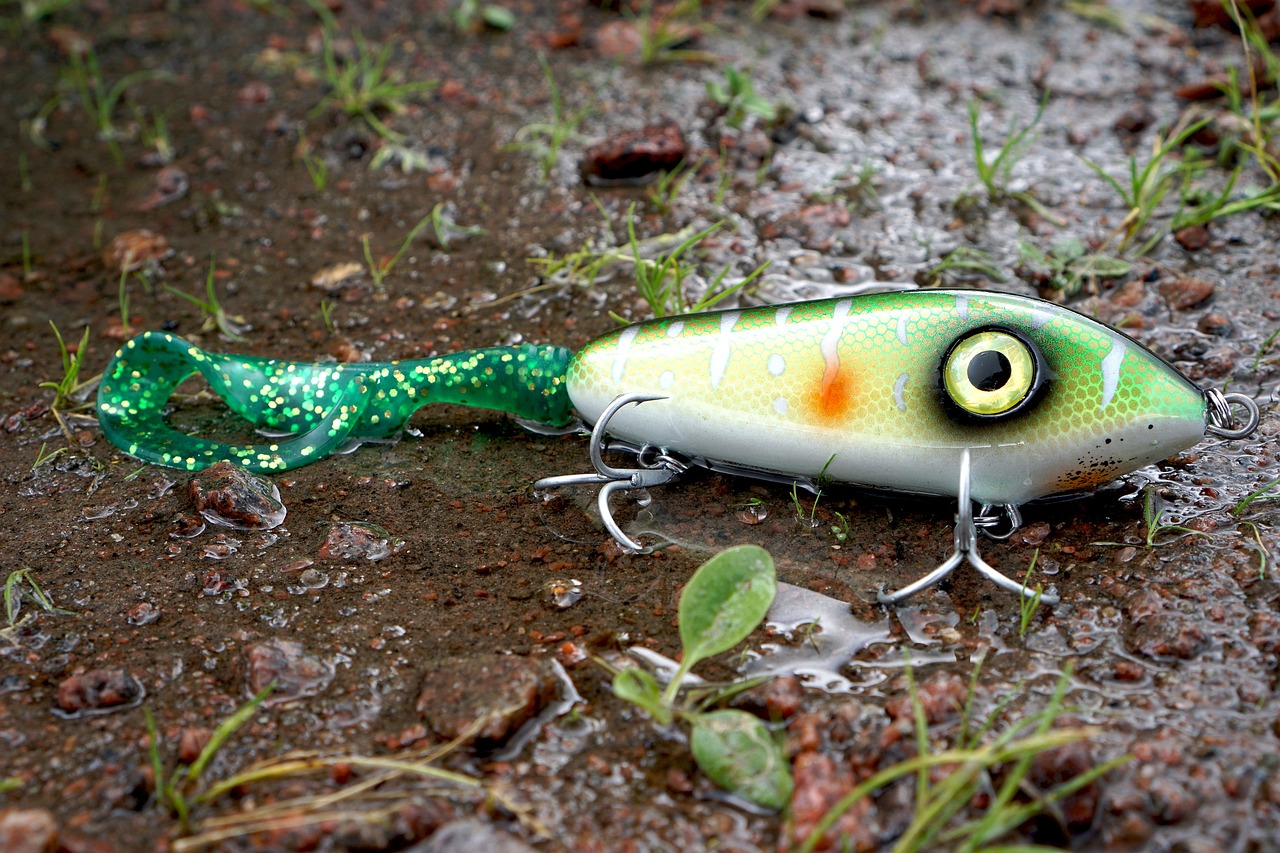
Smelt are a picky species when it comes to food and will refuse to eat bait that is not the correct type. For example, using fresh emerald shiners of the size of a human finger will result in the smelt biting on the bait. However, the emerald shiners will die quickly in the cold water of the lakes where they are caught.
After the angler uses up the emerald shiners, cured herring can be used or small amounts of maggot bait that is size ten in diameter. The most important detail in choosing bait is its freshness. If the bait begins to look dull or fall apart in the water, the smelt will no longer bite on the bait.
Thus, having an insulated container of bait in an angler’s pocket will ensure that the bait is fresh and alive but the angler’s fingers are not too warm to the product. Another detail that should be paid to is the location of the holes that get drilled in the ice. Anglers should start at the first drop-off in the lake where the smelt live and continue to drill to the next drop-off until they find the smelt school.
6. Strategic Hole Locations
Smelt follow the same paths that commuters take to travel to their destinations. Once the angler finds the smelt school, they will drop a marker (or remember the depth on the flasher) of where the smelt are. Then, the angler will drill two additional holes ten yards on each side of the first hole that was cast.
This will ensure that the angler will be able to quickly move to a different hole if the smelt move in one direction or the other. Drilling holes in random locations will waste the angler’s time and effort and may even cause them to question why another angler fifty yards away is catching fish while they are not. Anglers should dress appropriately for the activity because they will be sitting still in temperatures that are subzero.
7. Appropriate Cold Weather Clothing
Any outfit for smelt fishing should include thin layers of merino wool that are worn next to the skin of the angler. An insulated bib and parka will protect the angler from the elements. Anglers fingers and feet will become cold and cause frustration in fishing efforts.
Thus, the angler should add chemical hand warmers to the gloves that the angler uses to avoid the cold. Once the smelt start to bite on the bait, anglers will no longer think about the cold that is outside the ice hole. Until then, each degree of temperature in the air is important to the success of the smelt fishing effort.
Thus, being comfortable in the smelt fishing outfit will result in anglers staying on the ice longer for their limit and will result in them catching more smelt fish. The process is very simple. One of the techniques that the angler should master is the hook set.
8. Mastering the Hook Set
Smelt barely tap on the bait before they spit it out of their mouths. Therefore, when the angler sees any movement in the line from the smelt, they should lift the rod to set the hook but should not do it roughly or violently. If they do, they will end up ripping the hook out of the smelt’s mouth.
Instead, the angler should focus on the tightening of the line with the rod rather than the jerking motion of setting the hook. If practiced on a few of the smelt fish at the ice hole, this will become an automatic action of the angler’s body. This will result in the angler losing some of the smelt fish at the beginning.
However, as they start to land smelt successfully, the success of the angler in landings will make up for the number of fish lost. Keeping the holes free of ice buildup is another detail that should be paid attention to. Anglers who find their holes blocked by ice will miss the smelt entirely.
9. Keeping Holes Free of Ice Buildup
Therefore, using a skimmer with a long handle will allow the angler to remove ice slush without losing their balance on the ice. Additionally, if the angler pours a little bit of isopropyl alcohol around the edge of the ice hole every twenty minutes, the ice will not close the hole in the lake. These details may seem like an interruption in the angler’s fishing trip but are the reasons that others are still catching fish while the angler is attempting to chip away at the ice with a chisel.
By staying ahead of the ice buildup, the angler will be able to enjoy their fishing trip without issues. The last detail to discuss is the importance of learning to read the weather. For example, if the wind is about to change direction or the barometer drops significantly in the area, the smelt may stop biting for many hours.
10. Reading the Weather
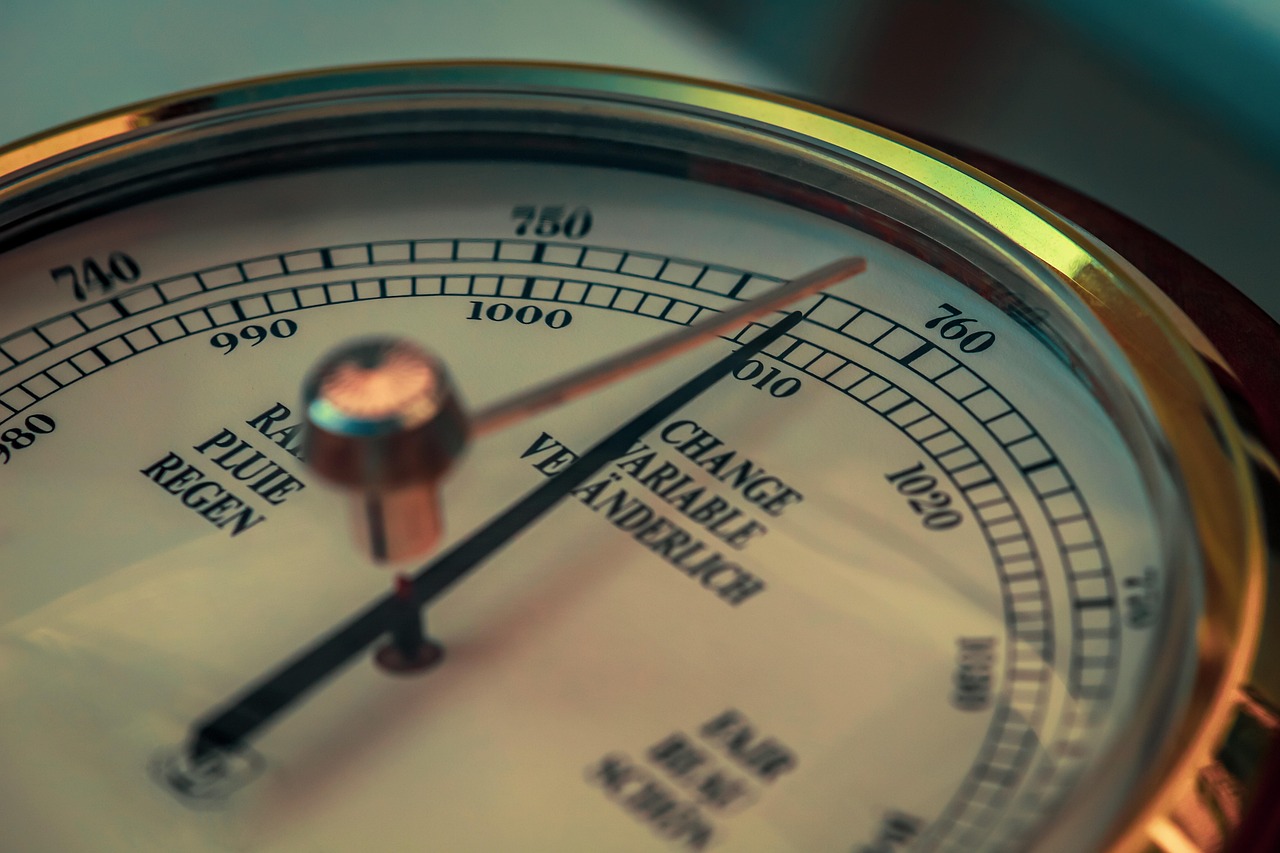
Therefore, if there are going to be such changes in the weather, it is best to either fish the day before the change in the weather or to wait until after the smelt fish have returned to normal activities. Smelt can feel the change in the weather as it can effect the behavior of the fish to go to deeper areas in the lakes or to stop all eating of food altogether. Thus, checking the barometer before leaving the car is a habit that can save the angler from a wasted trip to the frozen lake.
Thus, just as the smelt cannot hide from the laws of physics, the angler should not ignore these same laws of physics. When the bucket is full of smelt fish and the light from the angler’s fishing lantern highlights the sides of the smelt, the angler will remember the reason for making the trip to the frozen lake. The cold, darkness and boredom that the angler felt while standing on the frozen lake will all dissapear once the angler begins to clean the smelt to put them in a fryer.
These tips are not secrets of the world of smelt fishing. These tips are the knowledge that has been gained after sitting on buckets of smelt for many years. If anglers pay attention to the information listed in this article, the smelt will come to them.
The frozen lake is waiting for the angler and they only have to show up in a prepared fashion to enjoy the smelt fishing adventure.